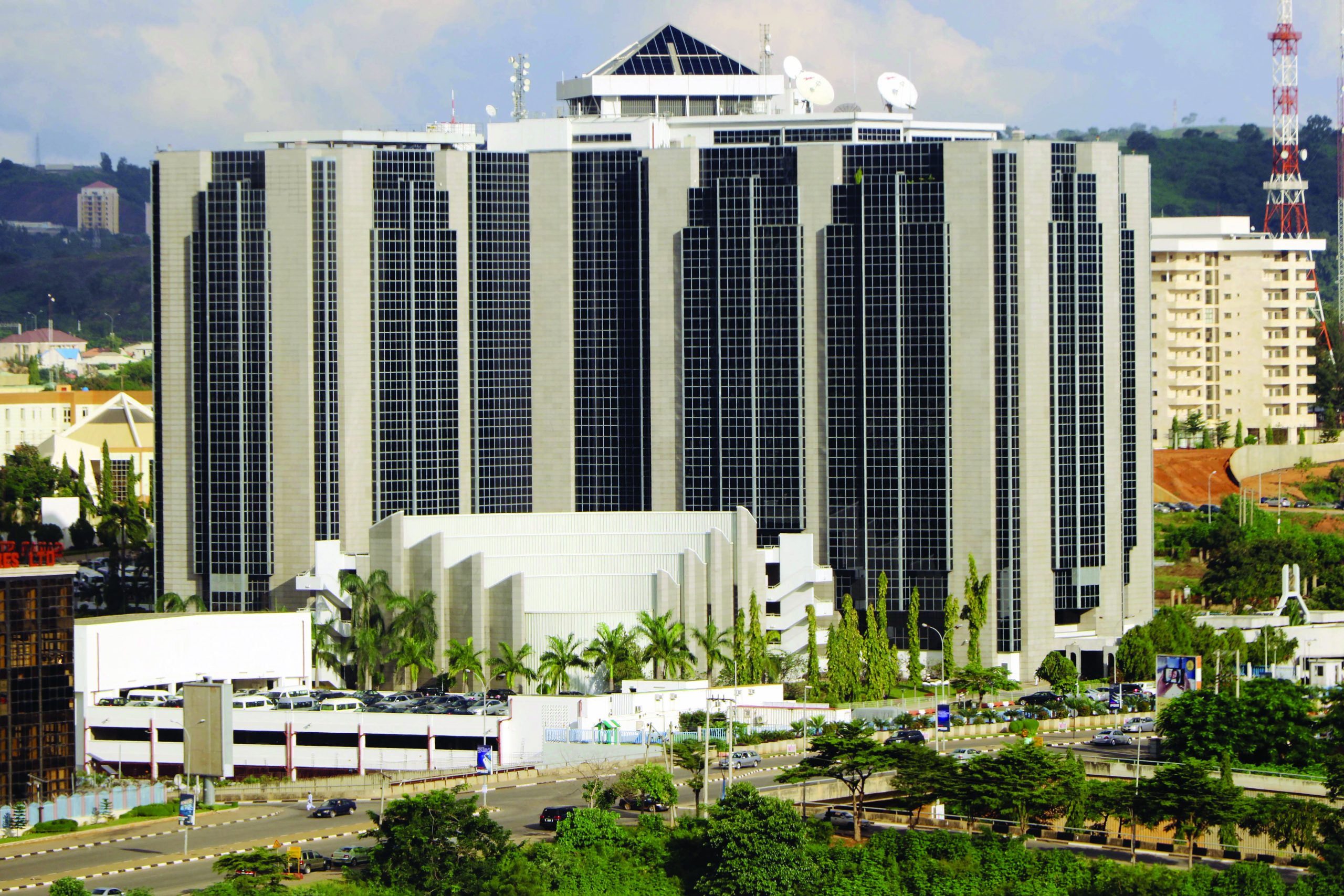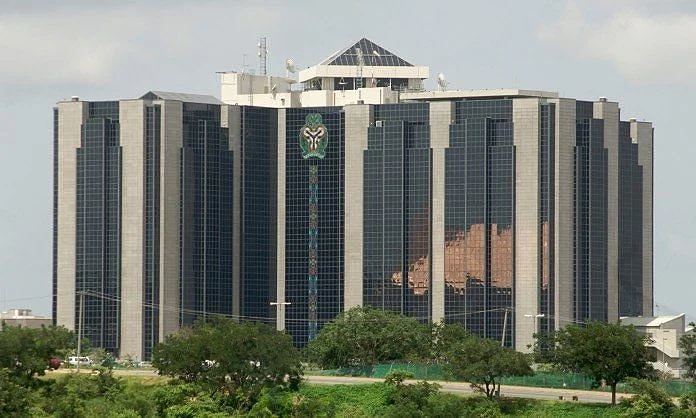
File: CBN Building, Abuja
The decisions of the Central Bank of Nigeria’s Monetary Policy Committee continue to shape financial market dynamics, presenting a difficult balance between sustaining naira stability and stimulating economic growth. Although exchange rate stability remains the apex bank’s primary focus, the prolonged high-interest-rate environment is increasingly slowing corporate lending and credit growth, JIDE AJIA reports
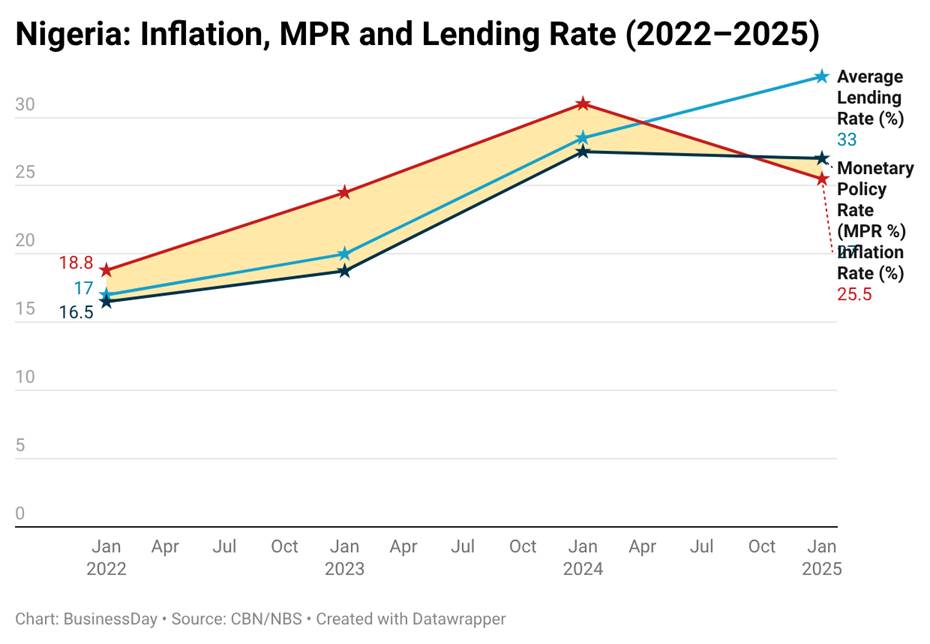
Following the CBN’s Monetary Policy Committee decision to halt its aggressive rate-hiking cycle, investment analysts at Meristem Securities Limited have cautioned that the broader economy faces a protracted period of tight credit. While the hold maintains the Monetary Policy Rate at an elevated 26.50 per cent, the domestic financial architecture is bracing for the fallout of a prolonged “higher-for-longer” yield environment.
Restrictive real-sector financing
The MPC’s choice to anchor its policy on renewed inflationary pressures, persistent food price increases, and global commodity risks means businesses and consumers will continue to face steep hurdles when accessing capital. For Nigerian corporates looking to fund capital expenditure or expand operations, the maths simply does not add up at current interest thresholds, forcing a widespread pause on growth initiatives. Households are similarly scaling back discretionary borrowing. The analyst note underscores this systemic slowdown: “The high cost of borrowing is expected to keep credit creation relatively weak, as both lenders and borrowers remain cautious amid still-tight financial conditions.”