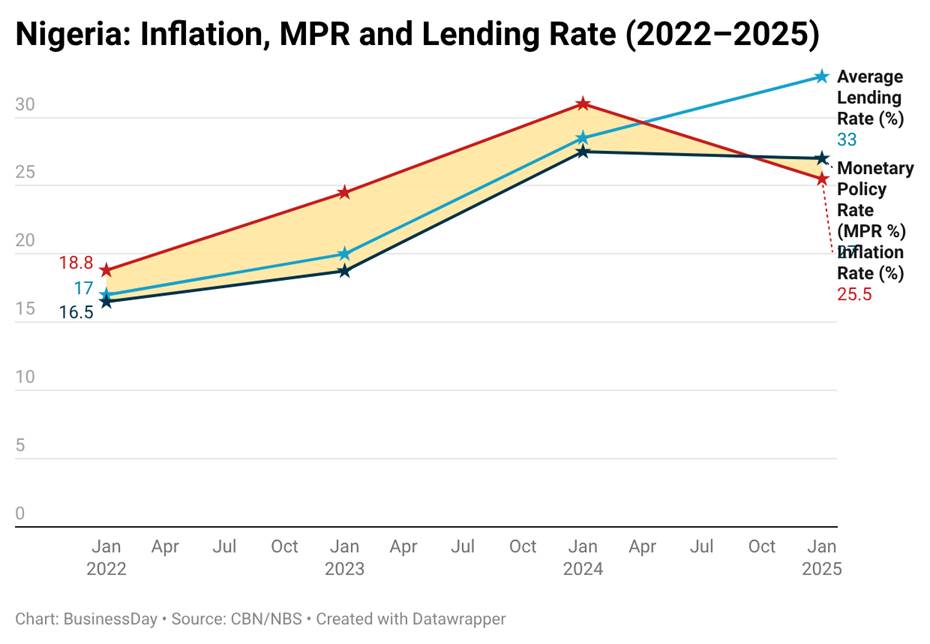
adsIn February 2026, the Central Bank of Nigeria delivered something that manufacturers, borrowers, and small business owners had been waiting for across nearly three years of unrelenting monetary tightening. The Monetary Policy Committee cut its benchmark rate by 50 basis points, from 27 percent to 26.5 percent.
It was a modest reduction, but it carried an outsized psychological significance. It was the first downward move after a cumulative 875 basis points of rate increases since May 2022. It felt, for a moment, like the beginning of something.
That feeling did not last long.
At its 305th MPC meeting, held on May 19 and 20 in Abuja, the Committee voted unanimously to hold the MPR at 26.5 percent. All other parameters were retained without exception: the Cash Reserve Ratio at 45 percent for commercial banks and 16 percent for merchant banks, non-Treasury Single Account public sector deposits at 75 percent, and the asymmetric corridor around the MPR at +50 and -450 basis points.
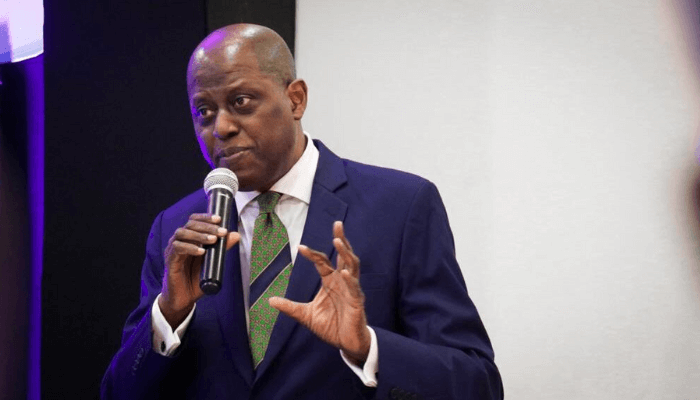
Olayemi Cardoso, CBN Governor, announced the outcome on Wednesday afternoon. The decision was not unexpected. What is becoming harder to dismiss is the cost of holding that line.adsads