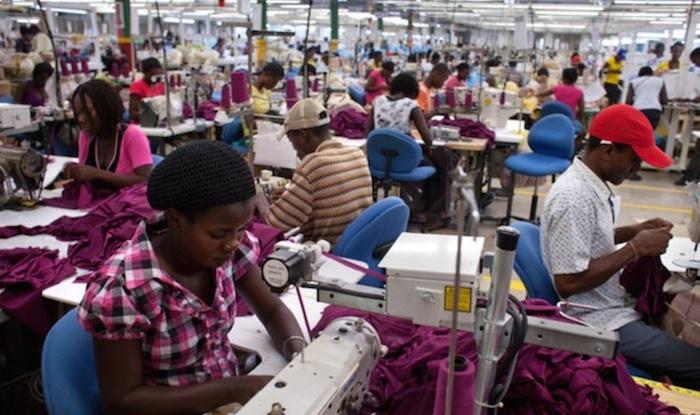
Billions of dollars are being structured and deployed into Nigeria each year for energy, infrastructure, finance, oil and gas and real estate. Yet the capital is largely bypassing small and medium businesses that account for most jobs and economic activity in the country.
Lenders and investors are favouring deals with established off-takers, verifiable collateral and contracts that fit existing project finance templates.
That leaves businesses such as a cold storage operator running on diesel, a rural clinic purchasing diagnostic equipment, and a smallholder farmer with land and demand without financing products designed for their risk profile.
The gap persists even as Nigeria pushes reforms to attract investment. With the Central Bank’s benchmark rate at 26.5 percent and banks requiring hard assets, SME owners say borrowing costs are prohibitive and loan requirements are out of reach.
“Many deals are simply built to ensure security and revenue. There are no systems that are built to assess the risks faced by small and medium enterprises,” said an analyst at a private equity firm who does not want his name mentioned on print.