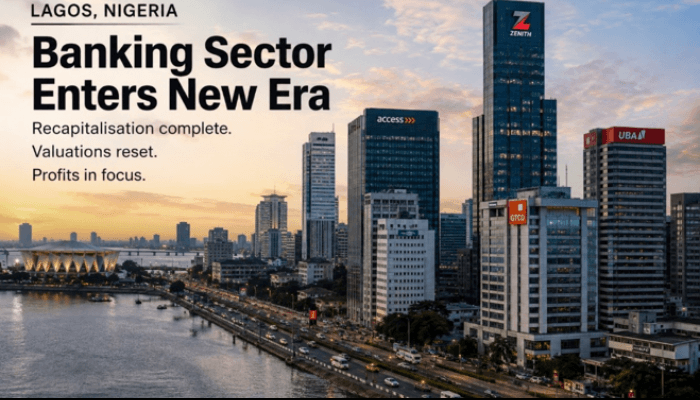
Nigeria’s banking sector has emerged from its biggest recapitalisation exercise in nearly two decades with N4.65 trillion in fresh capital, stronger balance sheets, and renewed investor confidence.
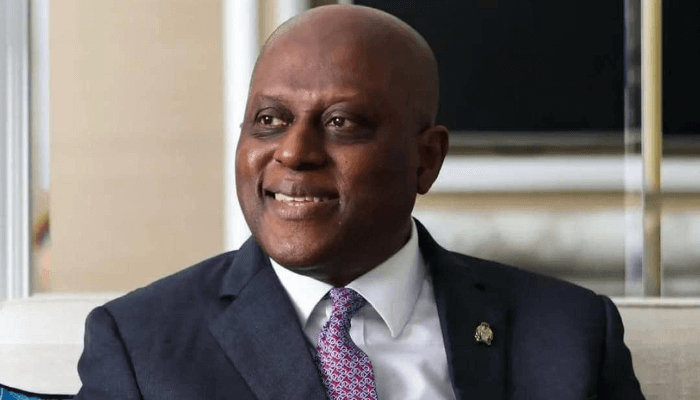
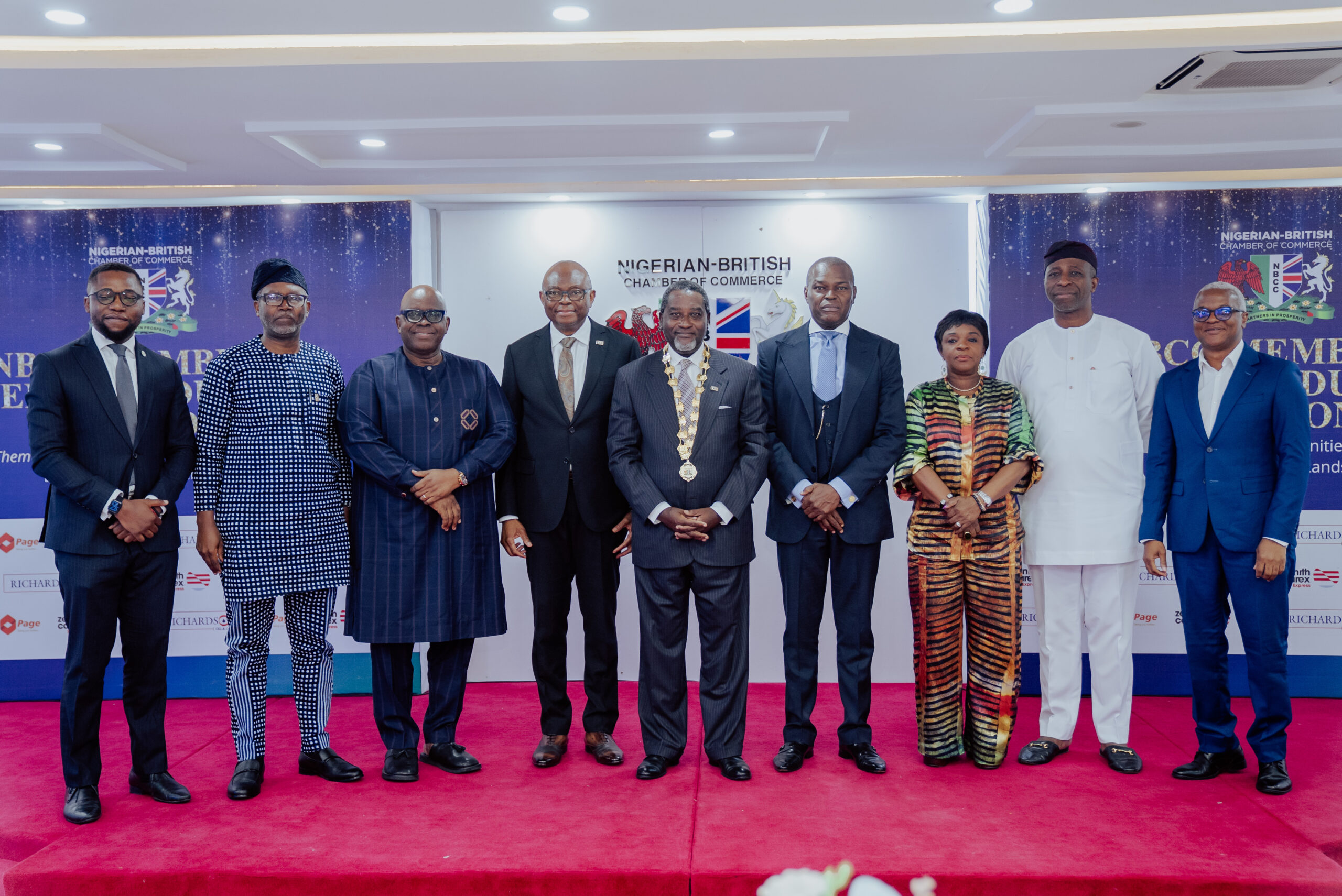
Yet, rather than unleashing a wave of credit to small businesses, the new lending capacity is more likely to flow to Nigeria’s largest corporates, potentially widening the financing gap for millions of small and medium-sized enterprises (SMEs), Sonnie Ayere, founder and group chief executive officer of DLM Capital Group, said at the Nigerian-British Chamber of Commerce (NBCC) Members’ Evening in Lagos on Thursday.
The Nigerian investment banker stated that the banking industry’s challenge has shifted from raising capital to deploying it efficiently, following the successful recapitalisation exercise that saw 33 banks meet the Central Bank of Nigeria’s revised minimum capital requirements in March 2026.
Ayere, however, argues that the fresh capital may not immediately translate into broader credit expansion across the economy.
“The rational deployment is top-heavy,” he said, noting that banks facing a 45 percent Cash Reserve Ratio (CRR) and equipped with credit teams structured for large-ticket lending will naturally prioritise bigger corporate borrowers where the cost of originating loans is significantly lower.