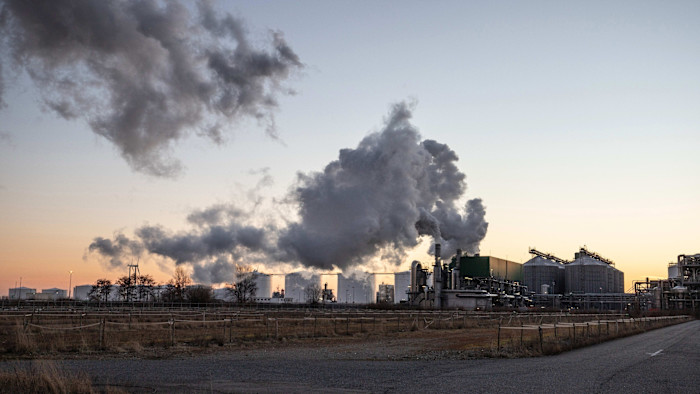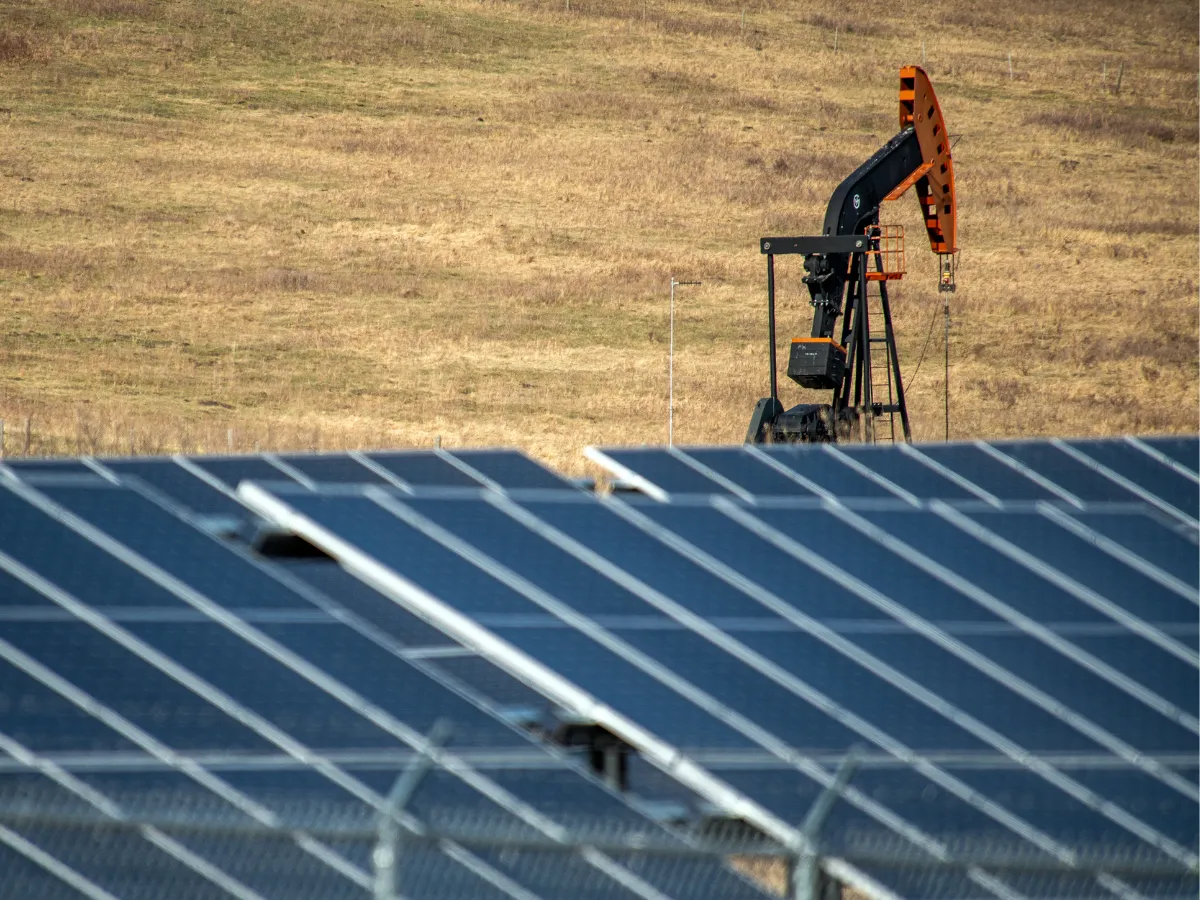
Skip to Content News Archives Economy Energy Oil & Gas Renewables Electric Vehicles Mining Commodities Agriculture Real Estate Mortgages Mortgage Rates Finance Banking Insurance Fintech Cryptocurrency Work Wealth Smart Money Wealth Management Investor Personal Finance Family Finance Retirement Taxes High Net Worth FP Comment Executive Women Puzzmo Newsletters Financial Times Business Essentials More Innovation Information Technology FP500 Podcasts Small Business Lives Told Tails Told Shopping Financial Post Store Obituaries Place a Notice Advertising Advertising With Us Advertising Solutions Postmedia Ad Manager Sponsorship Requests Classifieds Place a Classifieds ad Working Profile Settings My Subscriptions Saved Articles My Offers Newsletters Customer Service FAQ News Economy Energy Mining Real Estate Finance Work Wealth Investor FP Comment Executive Women Puzzmo Newsletters Financial Times Business Essentials HomeFP CommentTerence Corcoran: Oil superpowers dodge the climate change ‘crises’As high carbon emissions continue, adapt and mitigate is the new climate change mandateLast updated 27 minutes ago You can save this article by registering for free here. Or sign-in if you have an account.Global economic growth, currently fuelled by fossil fuels, is needed to create the economic circumstances that can reduce carbon emissions over time. Photo by James MacDonald/Bloomberg via Getty ImagesThe grim news is spreading faster than a B.C. wildfire: This year could go down as one of the hottest and most devastating in modern history. Last month, the world’s seas reportedly hit the highest temperatures on record. Wildfire events and damage are unprecedented around the world — Ontario, British Columbia, Spain and France.Subscribe now to read the latest news in your city and across Canada.Exclusive articles from Barbara Shecter, Joe O'Connor, Gabriel Friedman, and others.Daily content from Financial Times, the world's leading global business publication.Unlimited online access to read articles from Financial Post, National Post and 15 news sites across Canada with one account.National Post ePaper, an electronic replica of the print edition to view on any device, share and comment on.Daily puzzles, including the New York Times Crossword.Subscribe now to read the latest news in your city and across Canada.Exclusive articles from Barbara Shecter, Joe O'Connor, Gabriel Friedman and others.Daily content from Financial Times, the world's leading global business publication.Unlimited online access to read articles from Financial Post, National Post and 15 news sites across Canada with one account.National Post ePaper, an electronic replica of the print edition to view on any device, share and comment on.Daily puzzles, including the New York Times Crossword.Create an account or sign in to continue with your reading experience.Access articles from across Canada with one account.Share your thoughts and join the conversation in the comments.Enjoy additional articles per month.Get email updates from your favourite authors.Create an account or sign in to continue with your reading experience.Access articles from across Canada with one accountShare your thoughts and join the conversation in the commentsEnjoy additional articles per monthGet email updates from your favourite authorsSign In or Create an AccountorThe largest wildfire season since the Second World War hit France in July, although many of the fires were allegedly started by humans, making the link to climate change a little difficult. In Washington state, the department of natural resources reports that 85 per cent of the state’s wildfires are “human-caused.”Heat waves are killing thousands and fires are displacing hundreds of thousands, at least temporarily. The relative scale of the ongoing destructive heat and wildfire events needs to be kept in perspective, however.Get the latest headlines, breaking news and columns.By signing up you consent to receive the above newsletter from Postmedia Network Inc.A welcome email is on its way. If you don't see it, please check your junk folder.The next issue of Top Stories will soon be in your inbox.We encountered an issue signing you up. Please try againThe Independent reported that the 2026 summer of record-breaking temperatures and extreme dry weather over the course of four heatwaves “has left a large part of the continent scorched.” The “large part” of Europe needs definition. The official estimate is that 543,000 hectares of land has burned since the start of the year, equal to about 0.013 per cent of the European Union’s land mass and 0.34 per cent of its forests.The major headline focus has been the number of displaced people. According to the World Economic Forum, the estimate for France and Spain is 300,000 displaced, or 0.25 per cent of the total population of the two countries. In B.C., about 20,000 people have been evacuated, or about 0.35 per cent of the province’s population.Globally, the World health Organization (WHO) estimates that between 2000 and 2019, an average 489,000 people died from heat waves annually. By comparison, the WHO reports that annual global deaths from traffic accidents averages 1.16 million, more than double the number killed by heat waves over two decades.This does not mean that heat wave deaths are to be dismissed or ignored. But there does appear to be growing realization that while climate change theory points to a long-term crisis brought about by fossil fuel consumption, the immediate heat and wildfire events have other, more immediate causes.Climate change and fossil fuels often make the headlines. A typical example: “B.C. wildfire a symptom of global crisis” that is part of a “much larger issue connected to the burning of fossil fuels.” While climate change and the need to “shift away from fossil fuels” drove the headline, the main focus of the story was the lack of proper government management of forests and wildfires. The real need is for prescribed burns of forests to prevent wildfires from spreading, along with major increases in firefighting capabilities and preparation strategies.In Ontario, union officials have highlighted the province’s failure to maintain adequate firefighting capacity. Also needed are specific forest management and tree-planting strategies.In summary, there is a discernible global shift in the approach to heat and wildfire events, and to climate change in general. Excessive ideological agitation over fossil fuel use is being replaced by a stated need to adapt to such destructive events and mitigate their impacts. Instead of ranting about oil and gas, the world must learn to face changing environments with policies and practices that reduce the harms caused.The policies now developing in Canada under Prime Minister Mark Carney lead toward adaptation and mitigation. Environmental and climate activists have been complaining for some time about Ottawa’s embrace of oil and gas pipelines as part of Carney’s plan to make Canada an “energy superpower.”The plan involves exporting more oil and gas along with carbon sequestration and greater development of nuclear and clean energy. But it “does mean oil and gas” export increases, said Carney, much to the delight of Alberta’s energy industry. The expanded fossil fuel output will allegedly be offset by carbon sequestration, but much detail remains uncertain.In Germany, imports of fossil fuels continue to account for 67 per cent of its energy needs. China’s carbon emissions remain at peak levels. Global carbon emissions also remained at record levels in 2025, according to the International Energy Agency. Total energy-related CO2 emissions increased by around 145-million tonnes, reaching a new high of nearly 38.4-billion tonnes, about five per cent above 2019 emissions.This does not mean progress is not taking place. Data assembled by Colorado researcher Roger Pielke Jr. suggest carbon emissions per capita have peaked in developed countries. As wealth and technology spread to developing nations, where coal-dependency is high, a reduction in carbon emissions will follow.Therein lies the key to climate change policy. Global economic growth, currently fuelled by fossil fuels, is needed to create the economic circumstances that can reduce carbon emissions over time. That conclusion appears to have been adopted by the major energy superpowers, including Canada, as the long run hope for dealing with climate change risks. In the meantime, adapt and mitigate. Join the Conversation This website uses cookies to personalize your content (including ads), and allows us to analyze our traffic. Read more about cookies here. By continuing to use our site, you agree to our Terms of Use and Privacy Policy.
Terence Corcoran: Oil superpowers dodge the climate change ‘crises’
As high carbon emissions continue, adapt and mitigate is the new climate change mandate. Find out more here
1,323 words~6 min read