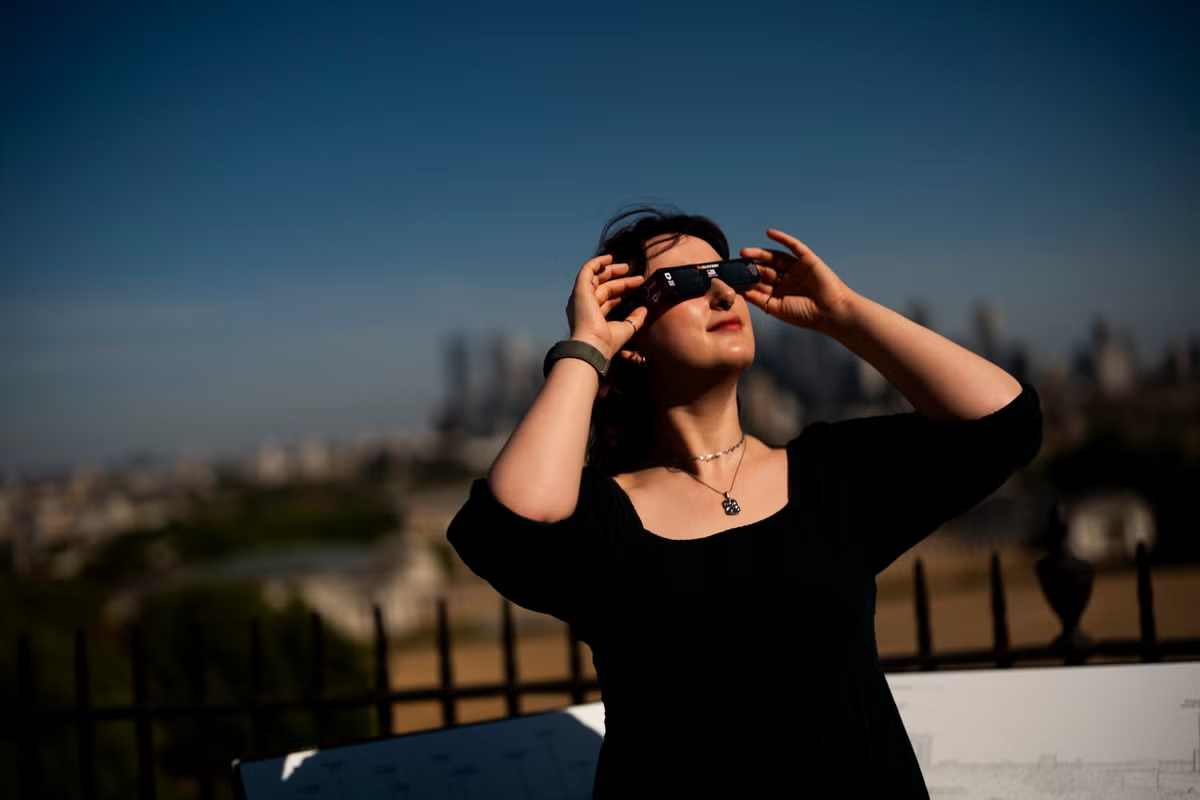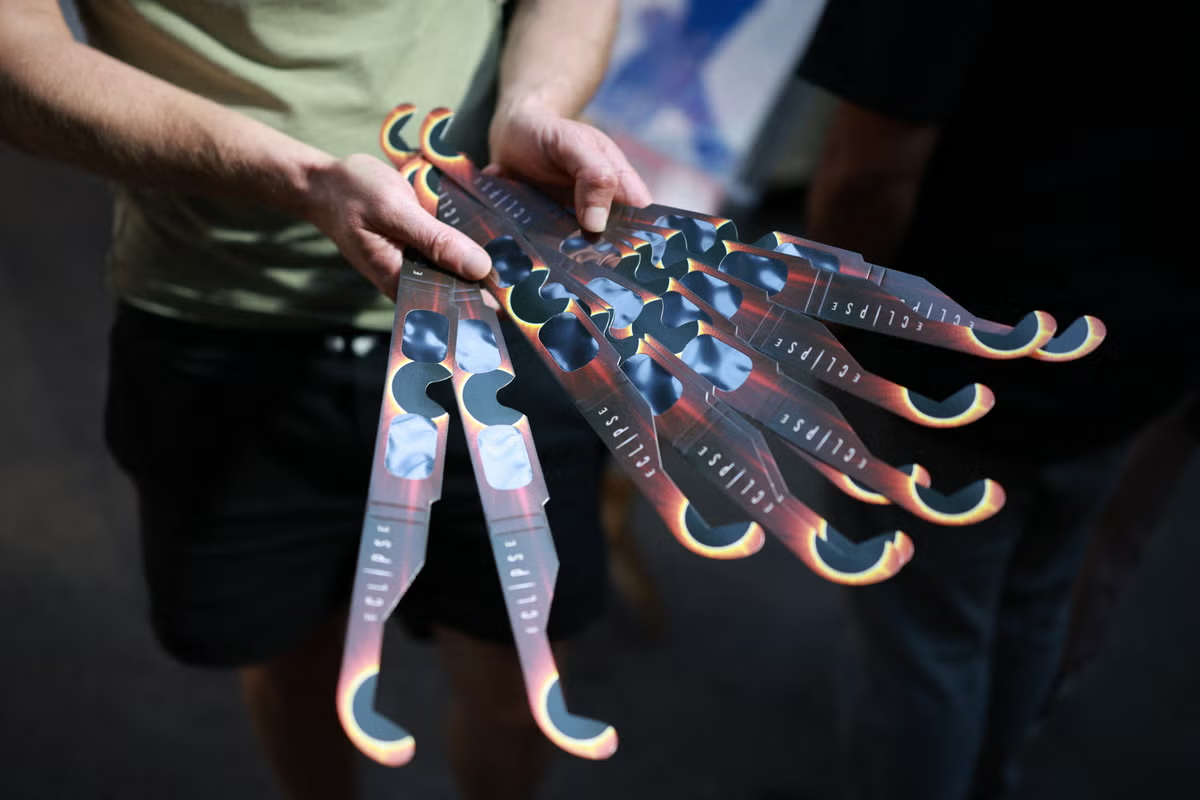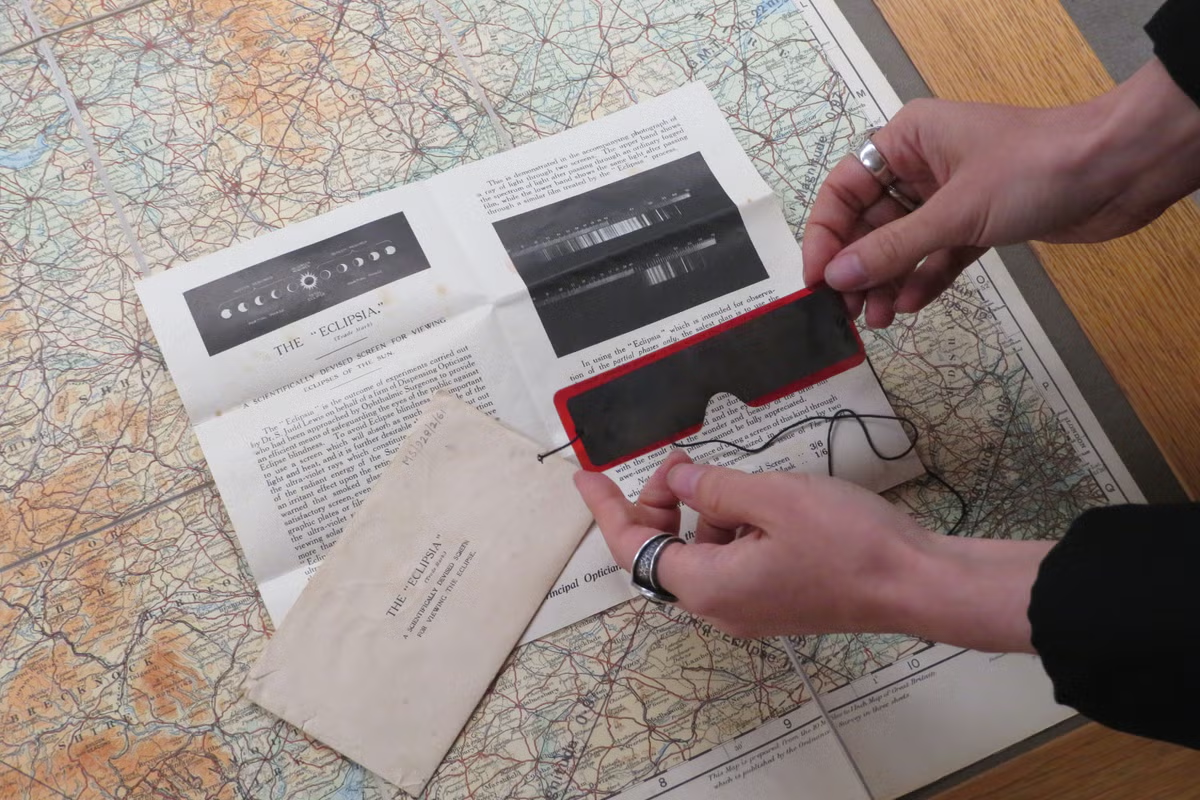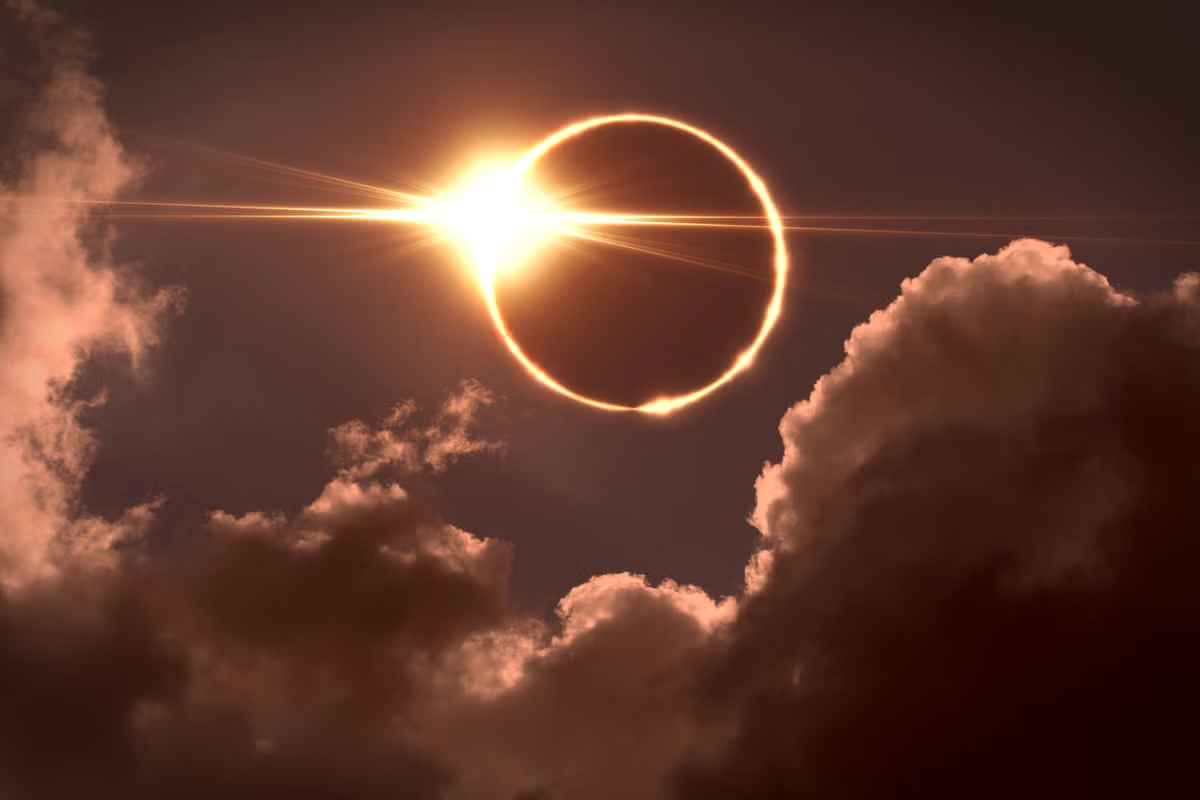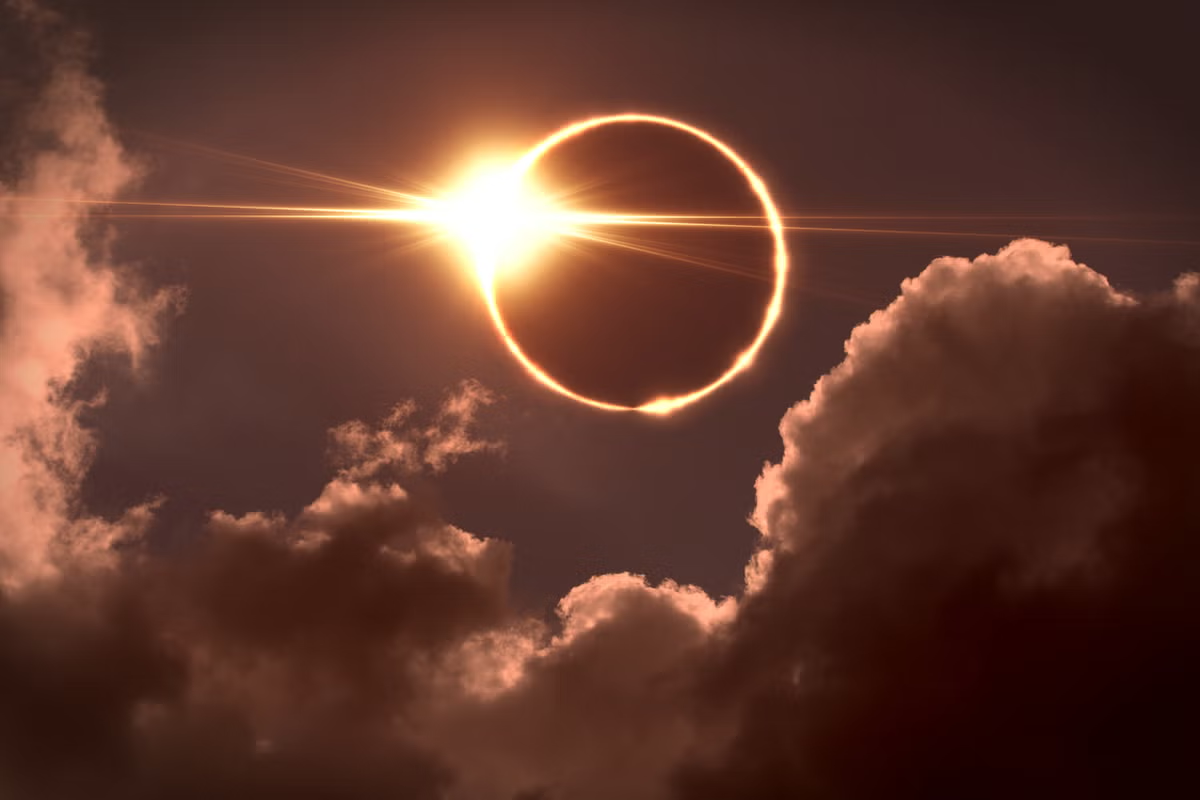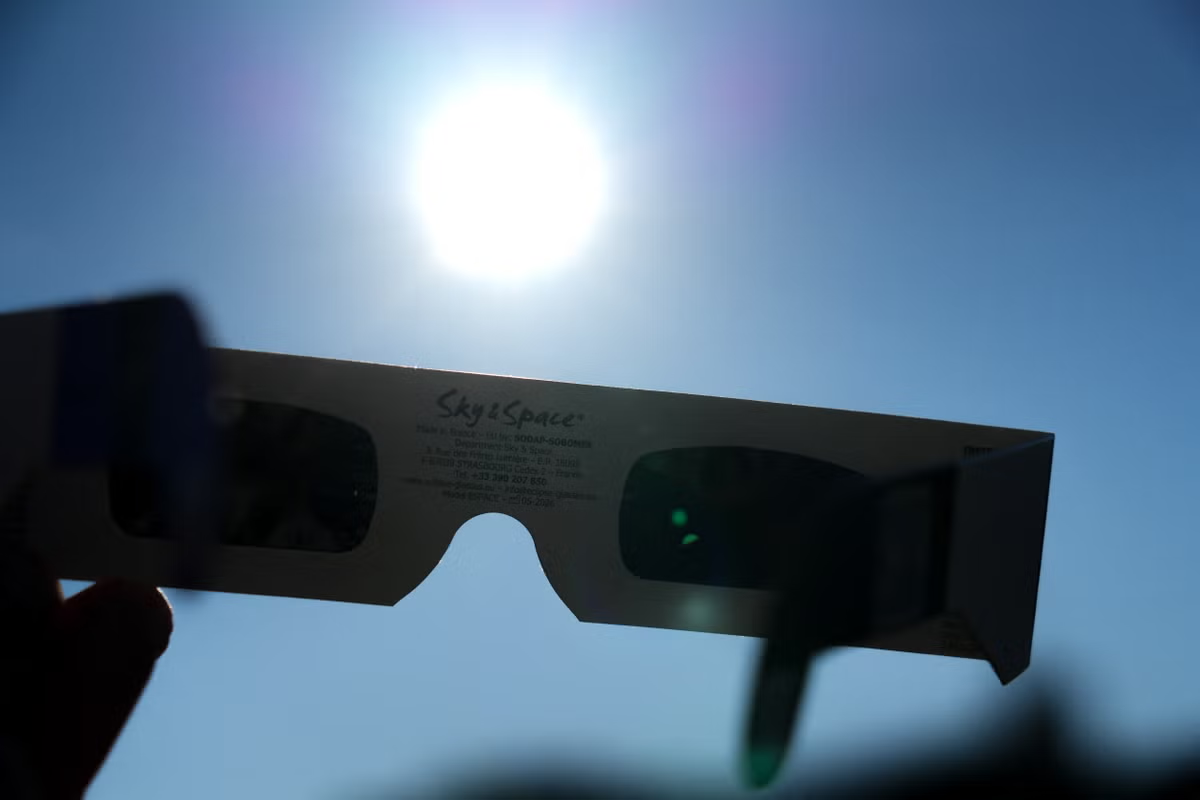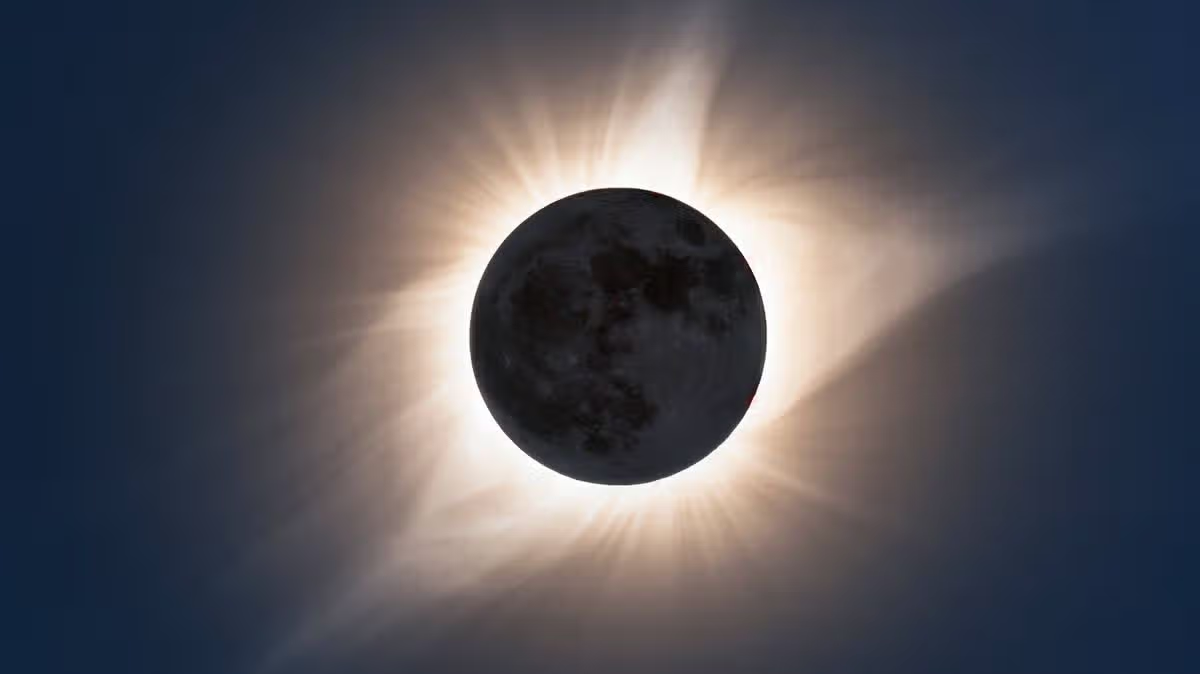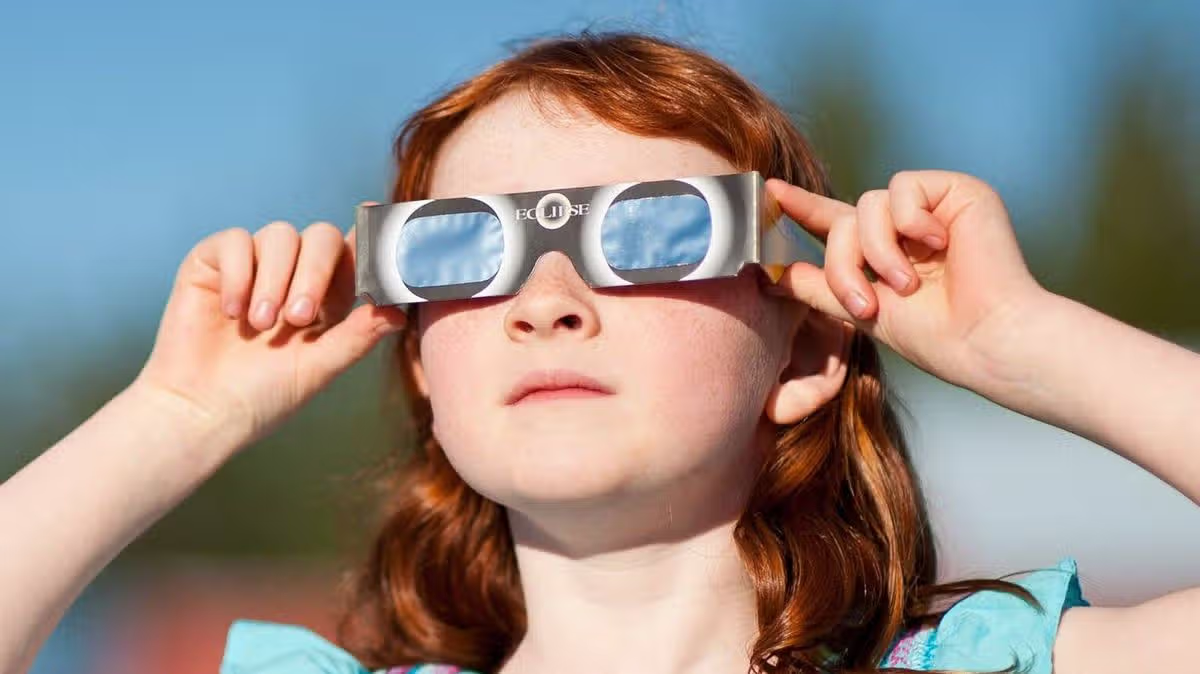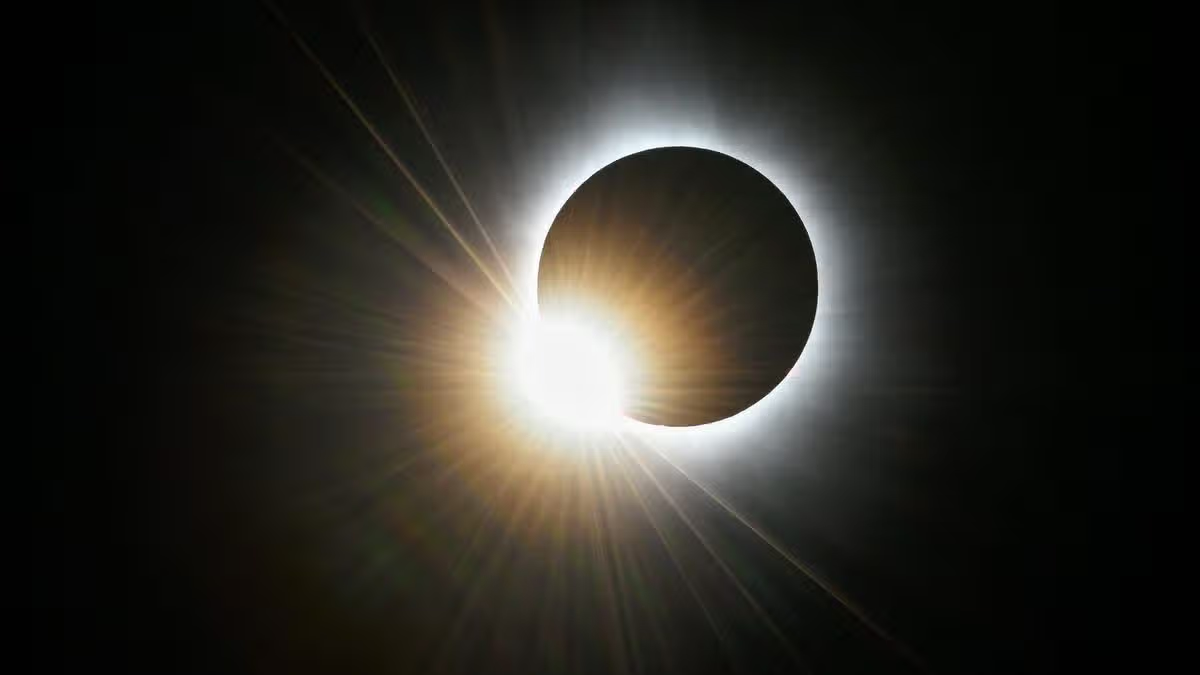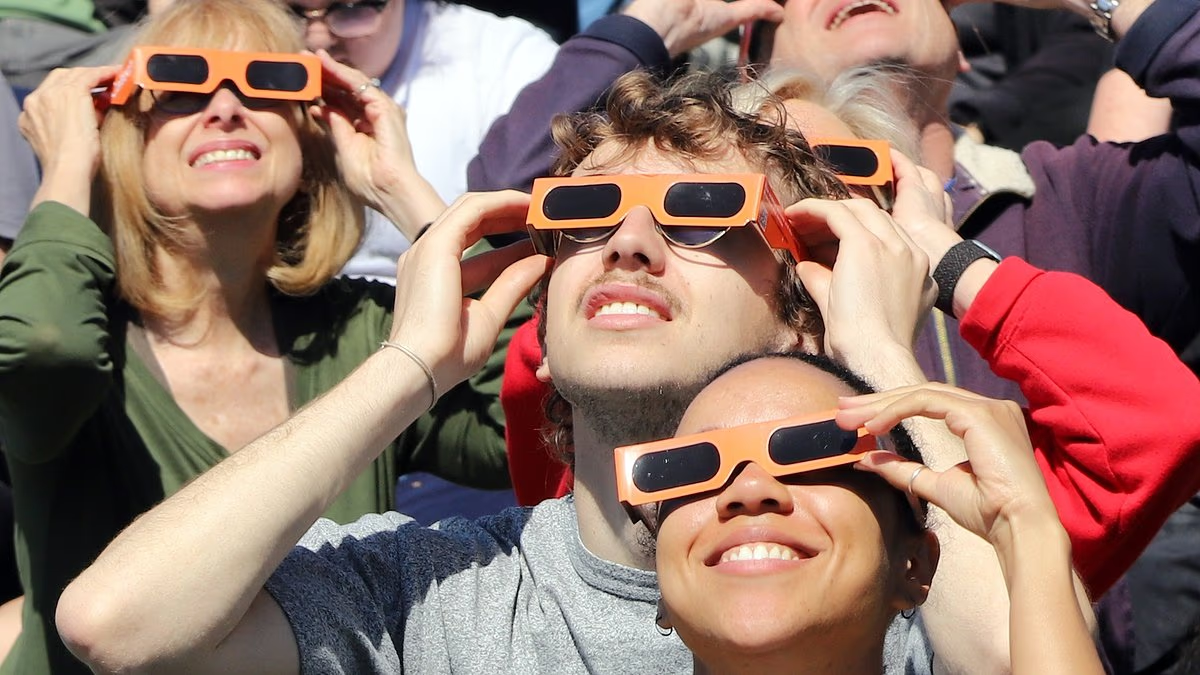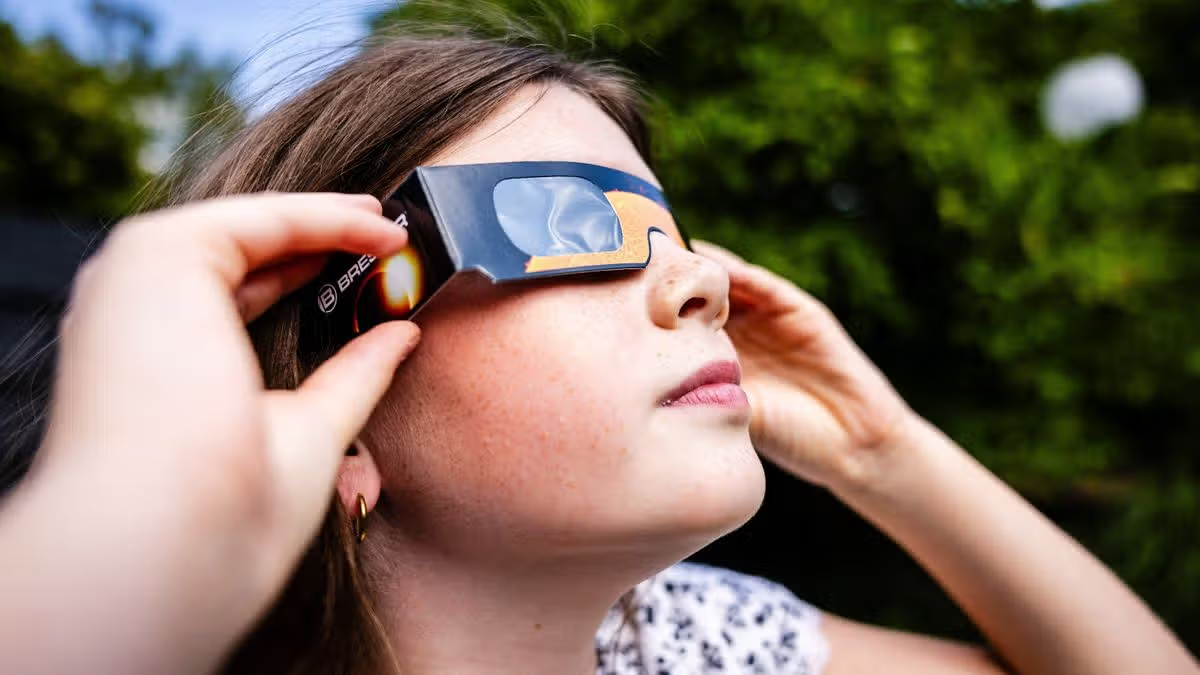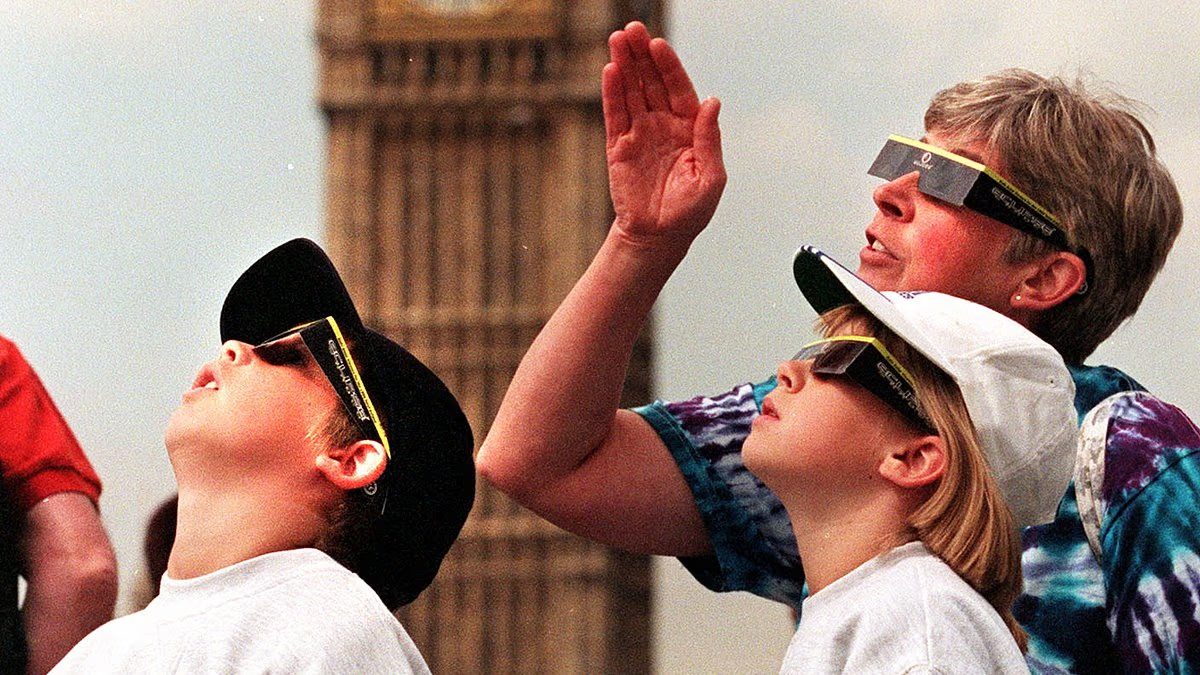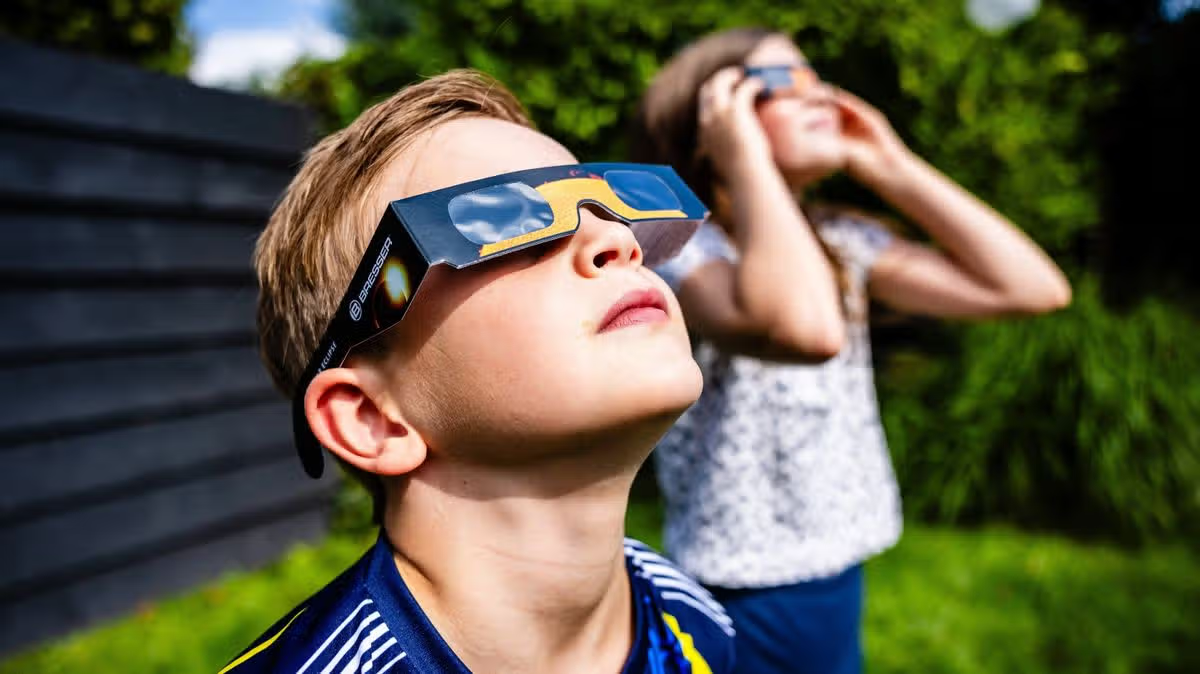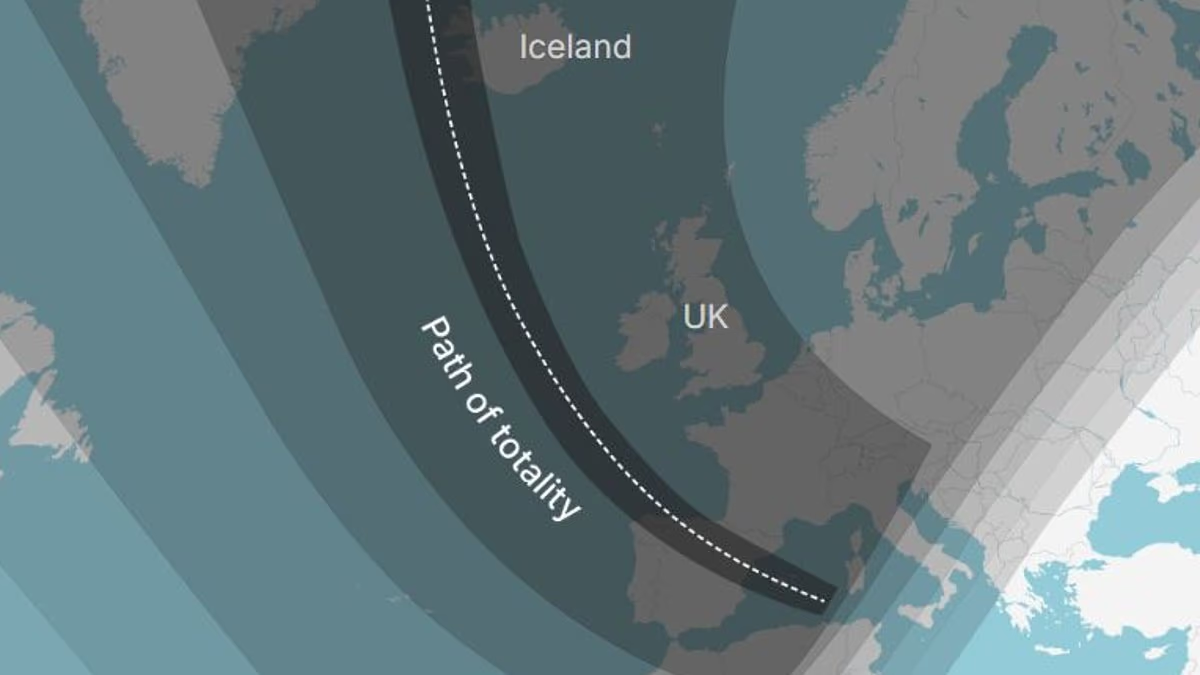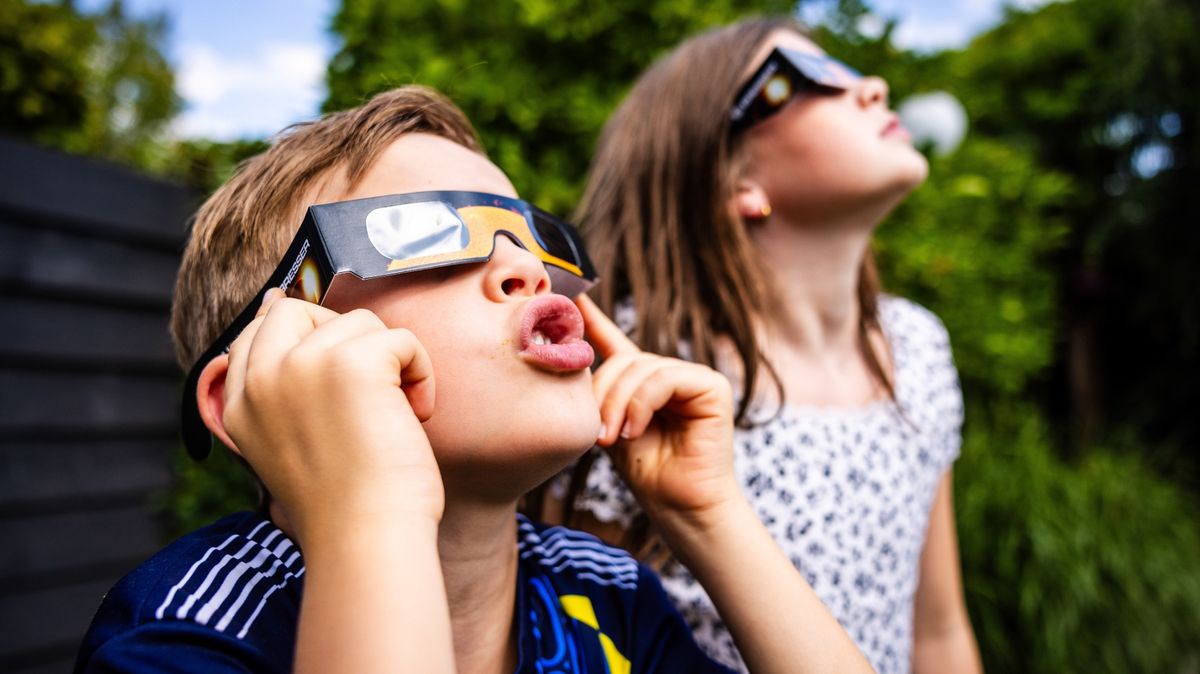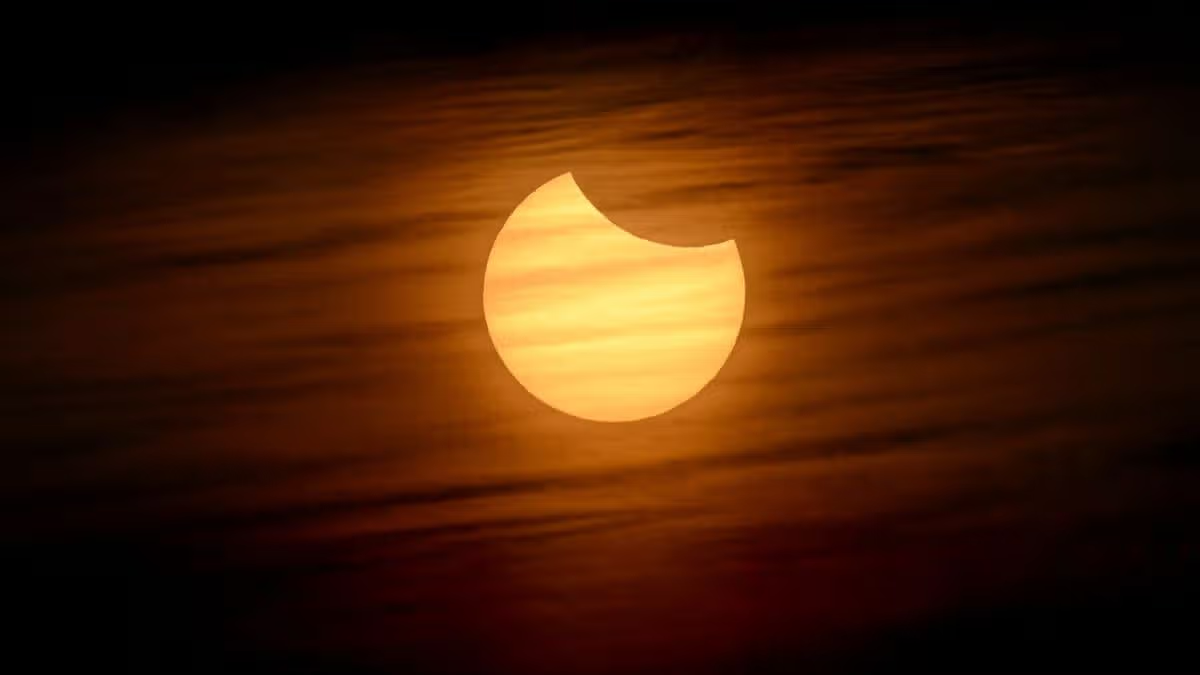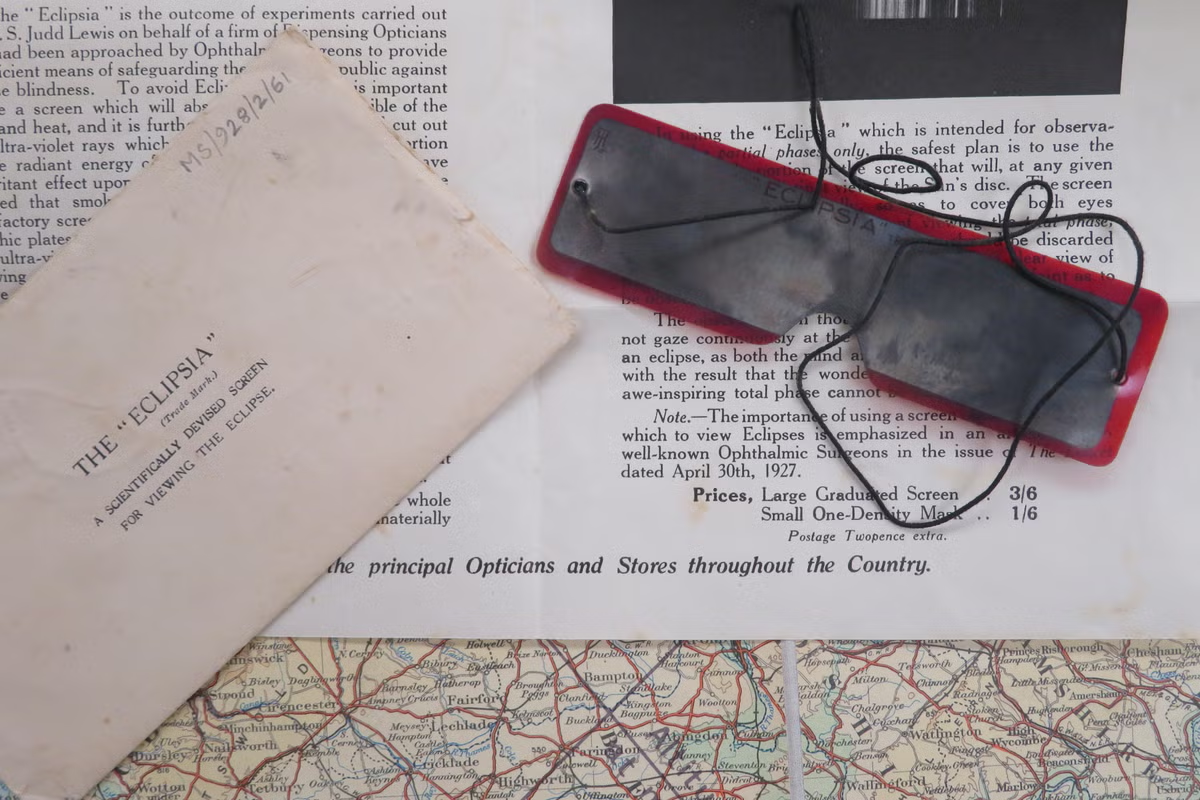
Jump to contentThank you for registeringPlease refresh the page or navigate to another page on the site to be automatically logged inPlease refresh your browser to be logged inAllNewsSportCultureLifestyleThe UK is set to experience its fullest solar eclipse since 1999 on Wednesday, with over 90 per cent of the sun obscured by the moon. The Royal Society has released historical images of nearly 100-year-old 'Eclipsia' viewing glasses, along with photographic glass plates taken of a total solar eclipse in 1875.According to the society, the glasses came alongside a book of instructions and an Ordnance Survey map displaying the areas of totality in England.Experts have warned that standard sunglasses are insufficient to view Wednesday’s event, and only ISO 12312-2 certified eclipse glasses should be used. Mohamed Elalfy, a consultant ophthalmologist and president of the Royal College of Ophthalmologists, said: “Looking directly at the sun during a solar eclipse can cause damage to the retina, potentially damaging the cells responsible for sharp central vision.”In fullAstronomers share what was used to view the solar eclipse in 1927More bulletinsThank you for registeringPlease refresh the page or navigate to another page on the site to be automatically logged inPlease refresh your browser to be logged in
Solar eclipse: Here’s what was used to view the celestial event in 1927
Jump to contentThank you for registeringPlease refresh the page or navigate to another page on the site to be automatically logged inPlease refresh your browser to be logged inAllNewsSportCultureLifestyleThe UK is set to experience its fullest solar eclipse since 1999 on Wednesday, with over 90 per cent of the sun obscured by the moon. The Royal Society has released historical images of nearly 100-year-old 'Eclipsia' viewing glasses, along with photographic glass plates taken of a total solar eclipse in 1875.According to the society, the glasses came alongside a book of instructions and an Ordnance Survey map displaying the areas of totality in England.Experts have warned that standard sunglasses are insufficient to view Wednesday’s event, and only ISO 12312-2 certified eclipse glasses should be used. Mohamed Elalfy, a consultant ophthalmologist and president of the Royal College of Ophthalmologists, said: “Looking directly at the sun during a solar eclipse can cause damage to the retina, potentially damaging the cells responsible for sharp central vision.”In fullAstronomers share what was used to view the solar eclipse in 1927More bulletinsThank you for registeringPlease refresh the page or navigate to another page on the site to be automatically logged inPlease refresh your browser to be logged in