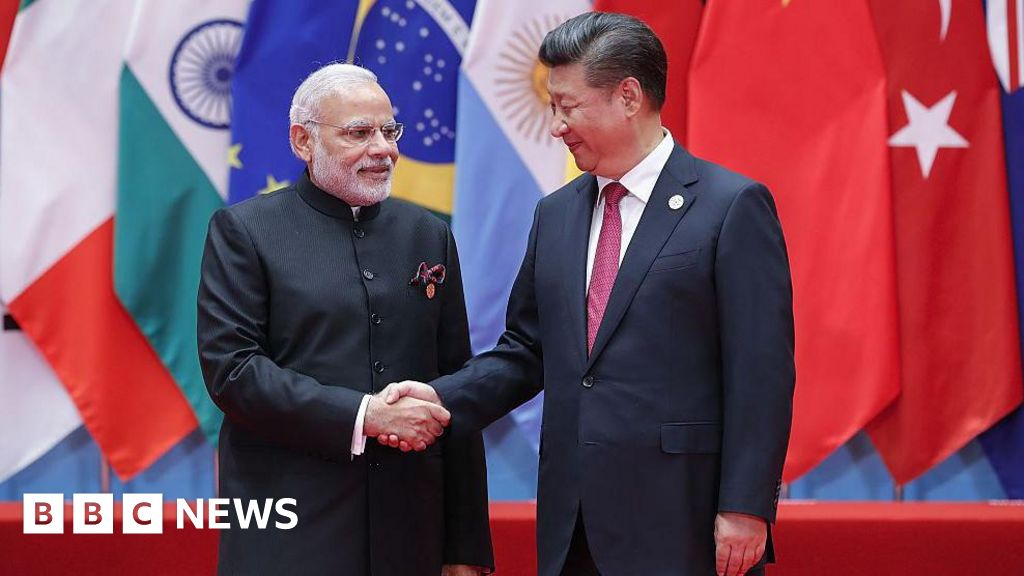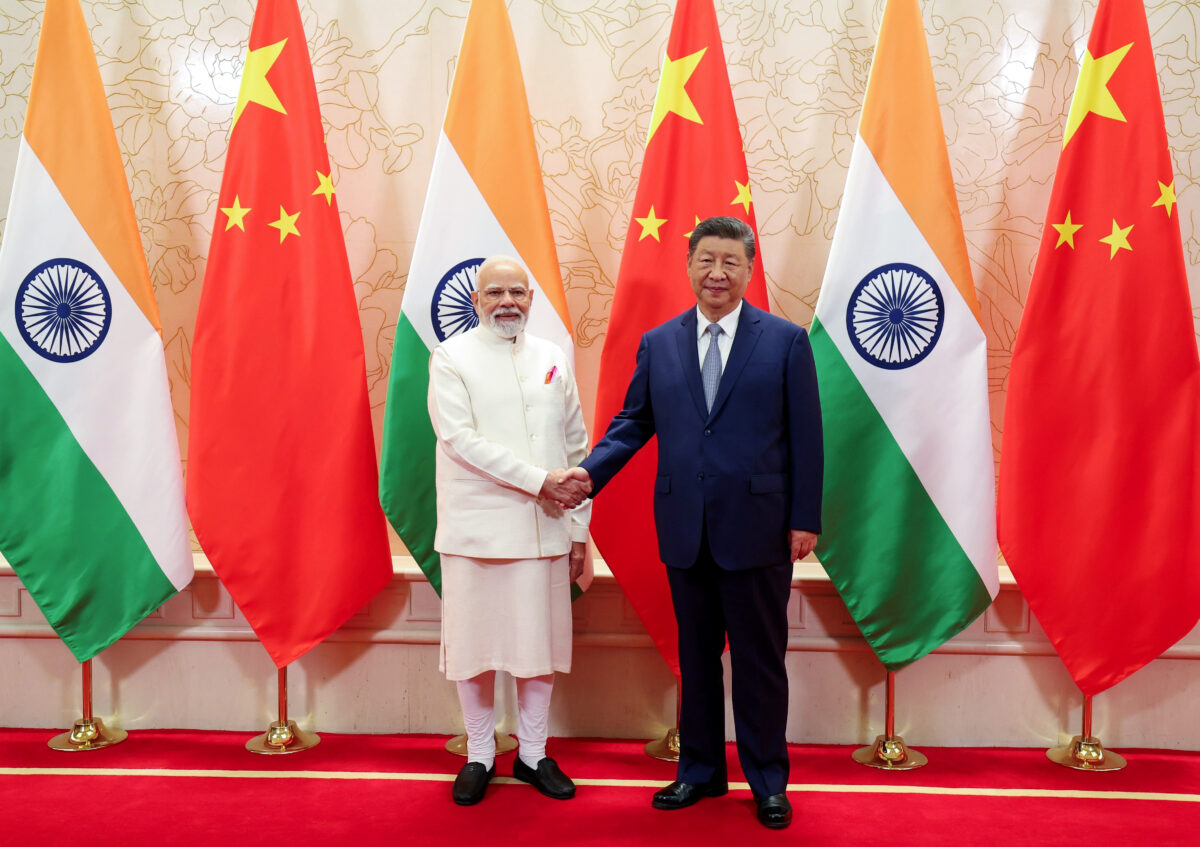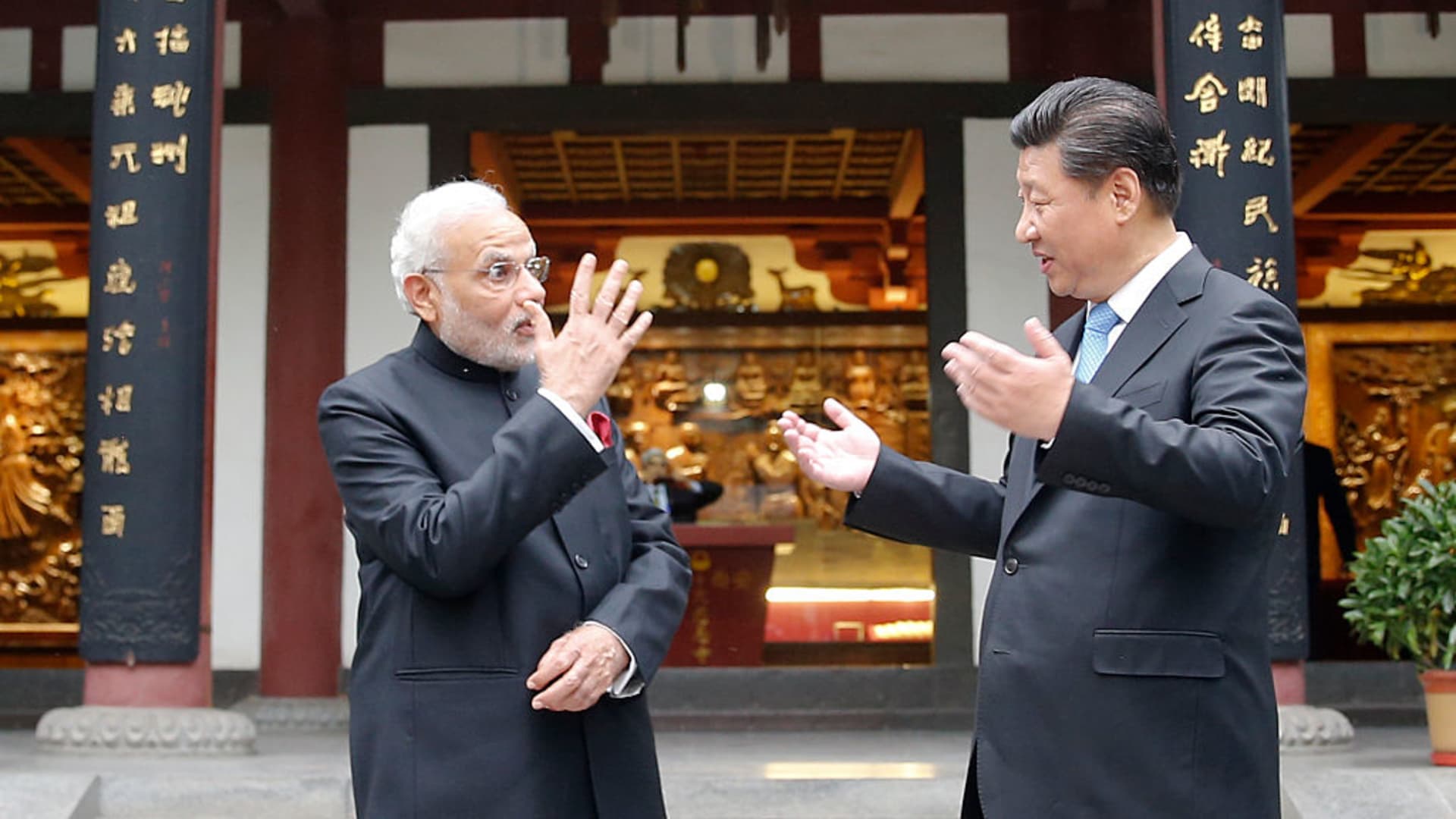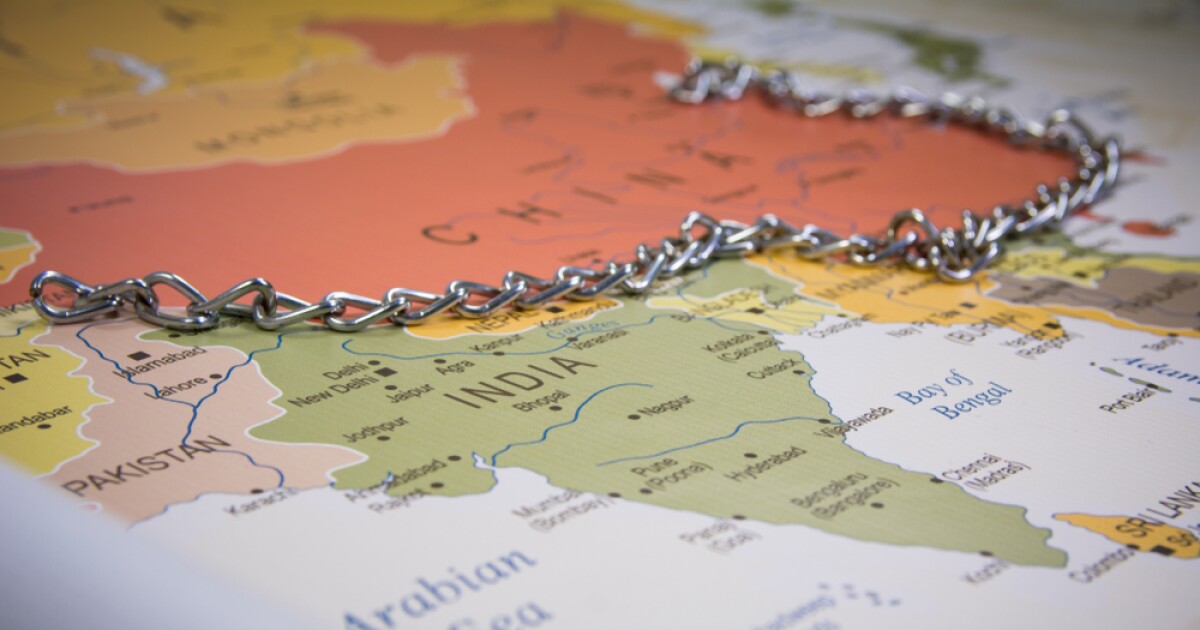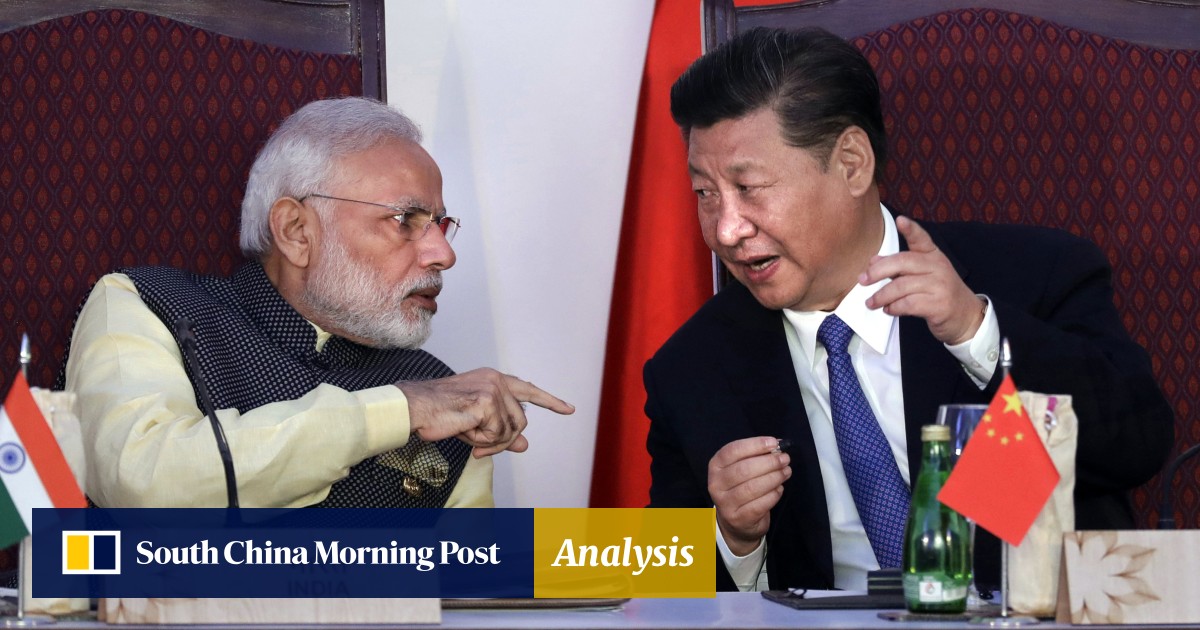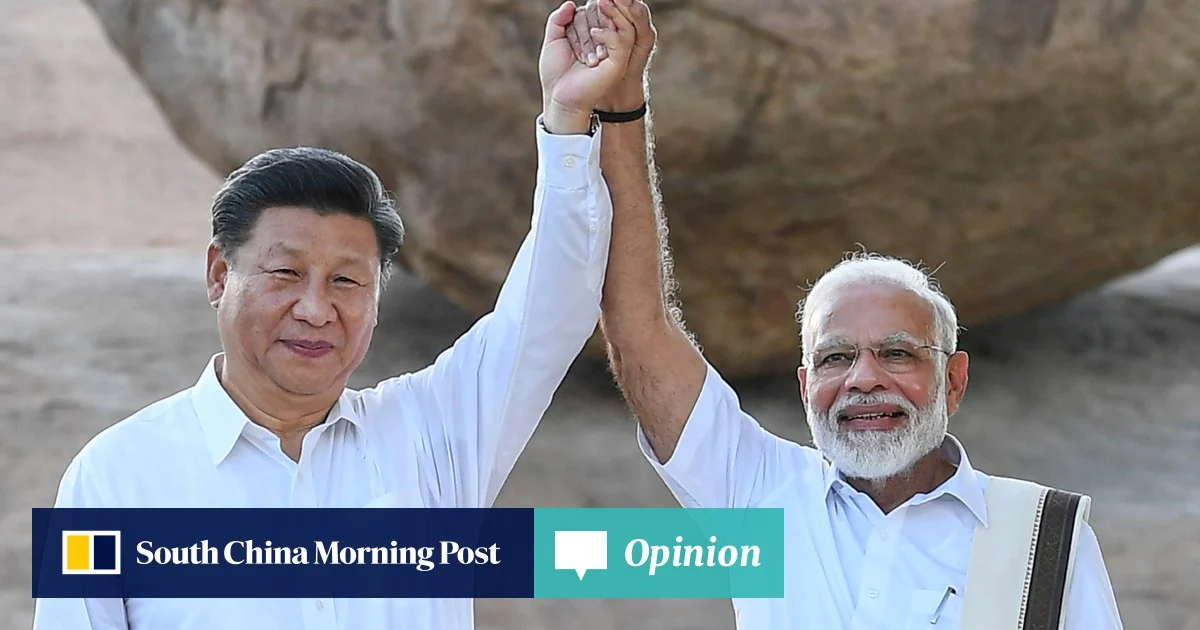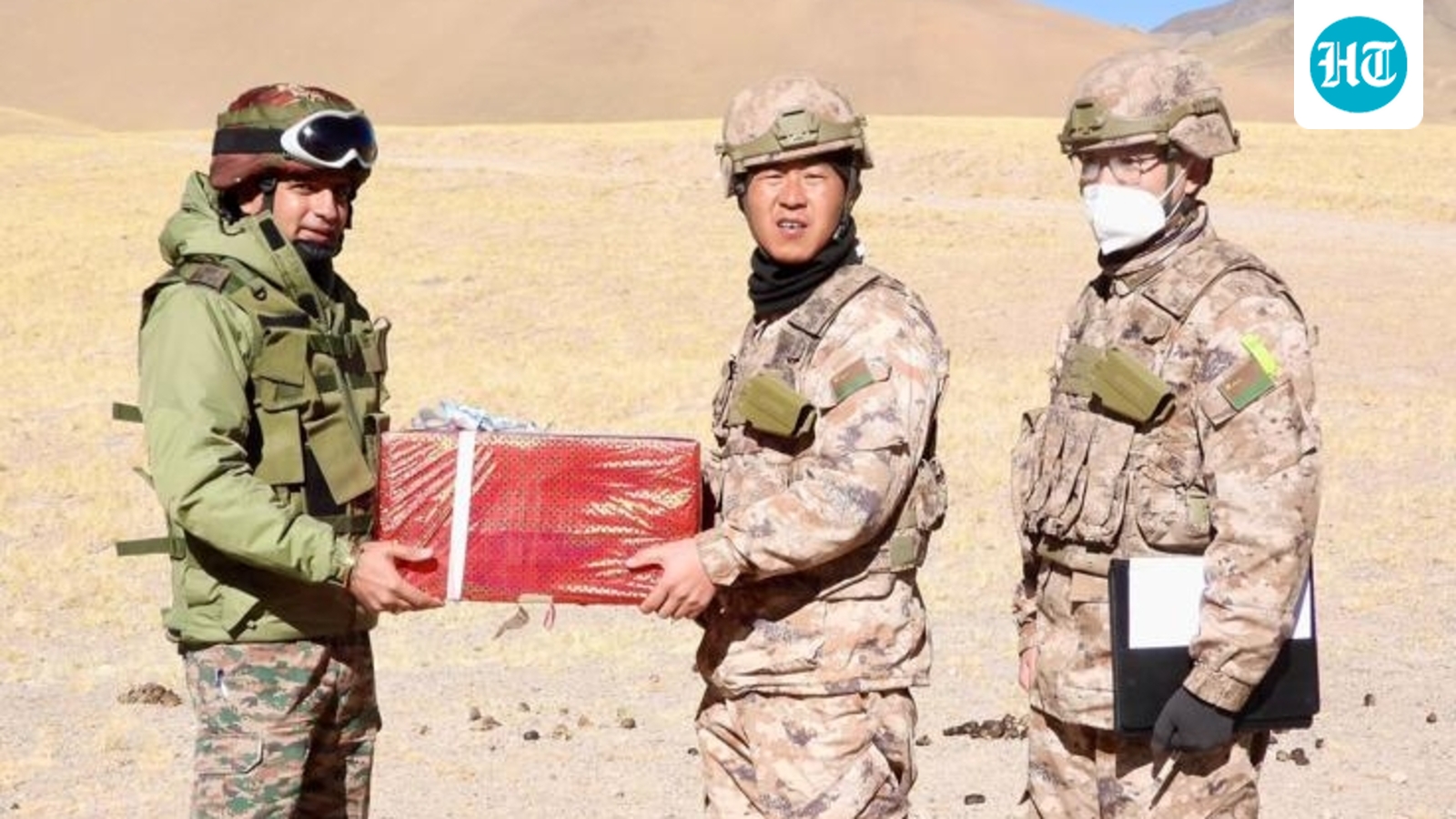
In a world torn apart by two wars and several minor conflicts, relations between India and China occupy a category of their own. Both countries continue to mass soldiers along the Line of Actual Control (LAC) that marks their disputed border. Yet, at a formal level, their relationship is marked by a détente that has now endured for nearly two years. Trade between them continues to grow, as does China’s share of India’s total merchandise imports.The October 2024 agreement ushered in real, if modest, changes. But it is yet to extend to the harder question — de-escalation. (Photo: Indian Army)While recent moves signal a pragmatic intent by India and China to stabilise ties, deep mistrust, and strategic competition remain. The relationship is a mix of cautious diplomacy, necessary economic engagement, and persistent rivalry.Given the history of their border dispute, and the manner in which Beijing has used Pakistan to offset India, their current ties are hard to characterise with any single word. This is truer now that the US is visibly distancing itself from its erstwhile policy of using India to balance China in the Indo-Pacific. But it is worth attempting a measure of the situation anyway — not least because China’s President Xi Jinping arrives in New Delhi next month for his first visit since 2019, and the choreography that precedes it is already well underway.Perhaps the most consequential fact about India-China ties today is the growing asymmetry between the two countries. Even as the direction of India’s own growth looks uncertain, China is making rapid strides in AI, biopharmaceuticals and electric vehicles (EVs). It exported more than 2.5 million EVs in 2025, more than double the previous year’s figure, even as its own domestic market cooled. This is a marker of a country converting technological lead into export leverage at a pace India has no comparable answer to.That asymmetry carries affects the military balance. China continues to expand dual-use infrastructure in Tibet — roads, rail links, airbases, and border villages doubling as forward logistics — even as the two sides describe their relationship as stabilising. The October 2024 agreement restored a broad patrolling status quo in eastern Ladakh, and produced real, if modest, follow-through: The Kailash Mansarovar Yatra resumed in 2025 after a five-year suspension, and the two sides agreed in principle to restore direct flights and border trade. But none of this has extended to the harder question — de-escalation. Neither side has begun drawing down the additional forces brought to the border in 2020.Economically, the story is similar. After attempting to check Chinese investment and trade in the wake of the Galwan clash, India has largely resumed normal economic relations with Beijing — because decoupling never had a domestic industrial base to land on. Imports from China, which stood at $94.57 billion in 2021-22, have since risen to $131.63 billion, now accounting for nearly 17% of India’s total imports. Over the same period, the trade deficit has grown from $73.31 billion in 2020-21 to $123.16 billion in 2025-26. Look past the aggregate figures and the story sharpens: The sectors driving this dependency — APIs, electronic components, solar — are precisely the ones where India’s stated ambition is self-reliance.The larger shock reshaping Indian foreign policy and, by extension, its China calculus, has been the state of the India-US relationship. Tariffs, an erratic American approach to India-Pakistan issues, and evident White House indifference to Quad have all unsettled what New Delhi once treated as a load-bearing partnership. Layered on top of this is a US-China rapprochement complete with loose talk of a G-2. New Delhi’s difficulties with Washington are, in effect, providing the incentive to hedge — by stabilising its own relationship with Beijing on terms it can control.Pakistan remains the constant. There is no sign Beijing intends to recalibrate its Islamabad relationship on account of the India-China détente, or the shift underway in US-Pakistan ties. China’s view of Pakistan as an instrument for containing India is unchanged — a détente with New Delhi has simply been layered over it, not substituted for it.There is also a symbolic aspect of the rivalry. Beijing calls Arunachal Pradesh the Chinese territory of Zangnan and has given Chinese names for its towns, villages, and rivers. Recently, India did the same by clarifying the names of places in the state. But none of this will actually make a difference. It is well known that the Chinese never controlled the area, notwithstanding their current claim.It’s worth recalling, finally, just how little the official choreography itself has produced. The Special Representatives — whose specific mandate since 2003 has been a political resolution of the border question — have now met 24 times without one. The Working Mechanism for Consultation and Coordination, created in 2012, has held 36 rounds. Both processes continue; neither shows any sign of arriving anywhere. Reports suggest that both sides have largely worked out a framework of a settlement based on the 2005 agreement on the political parameters and agreed guidelines of a border settlement. But the Chinese side is stalling because it continues to use the disputed border to destabilise India, as it did in 2020.There is every reason to expect the Xi visit will follow a well-worn script — joint statements, photo opportunities, warm language about civilisational ties, and no movement on the substantive issues that divide the two countries. There was a period when the relationship ran on what might be called antagonistic cooperation. The present trajectory looks more like something narrower: not partnership, not conflict, but a managed rivalry wearing a diplomatic sheen — useful to both capitals for reasons that have less to do with each other than with the world around them.(Manoj Joshi is a distinguished fellow, Observer Research Foundation, New Delhi. The views expressed are personal.)
An awkward dance of the dragon and the elephant
There was a time when India-China relationship ran on antagonistic cooperation. Present trajectory is: not partnership, not conflict, but a managed rivalry
962 words~4 min read