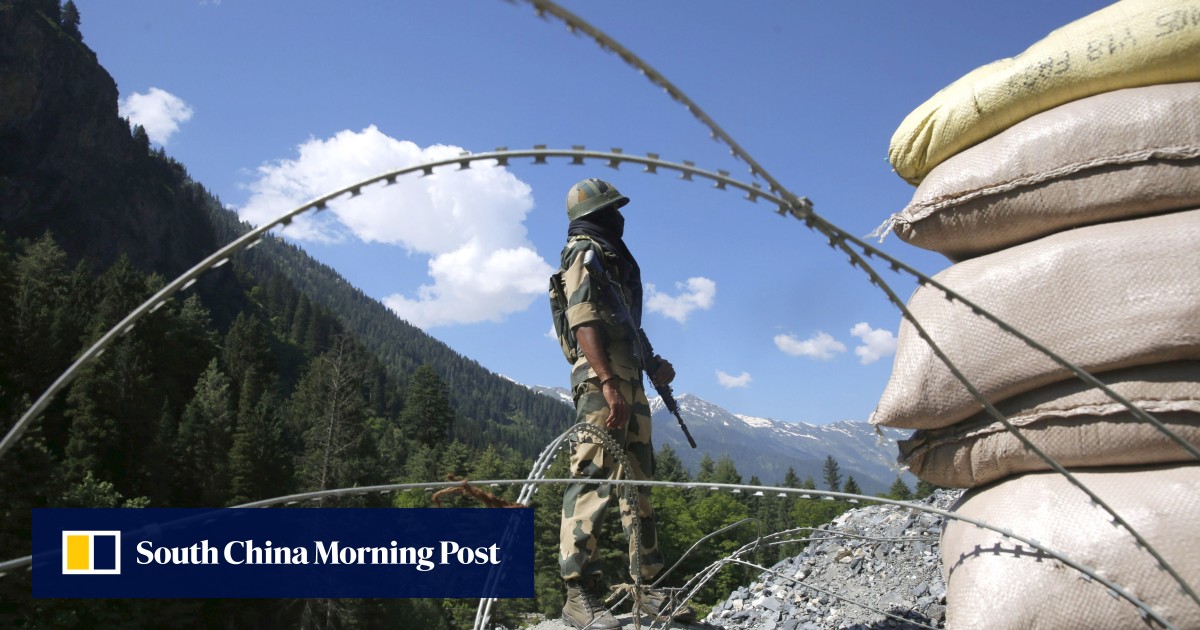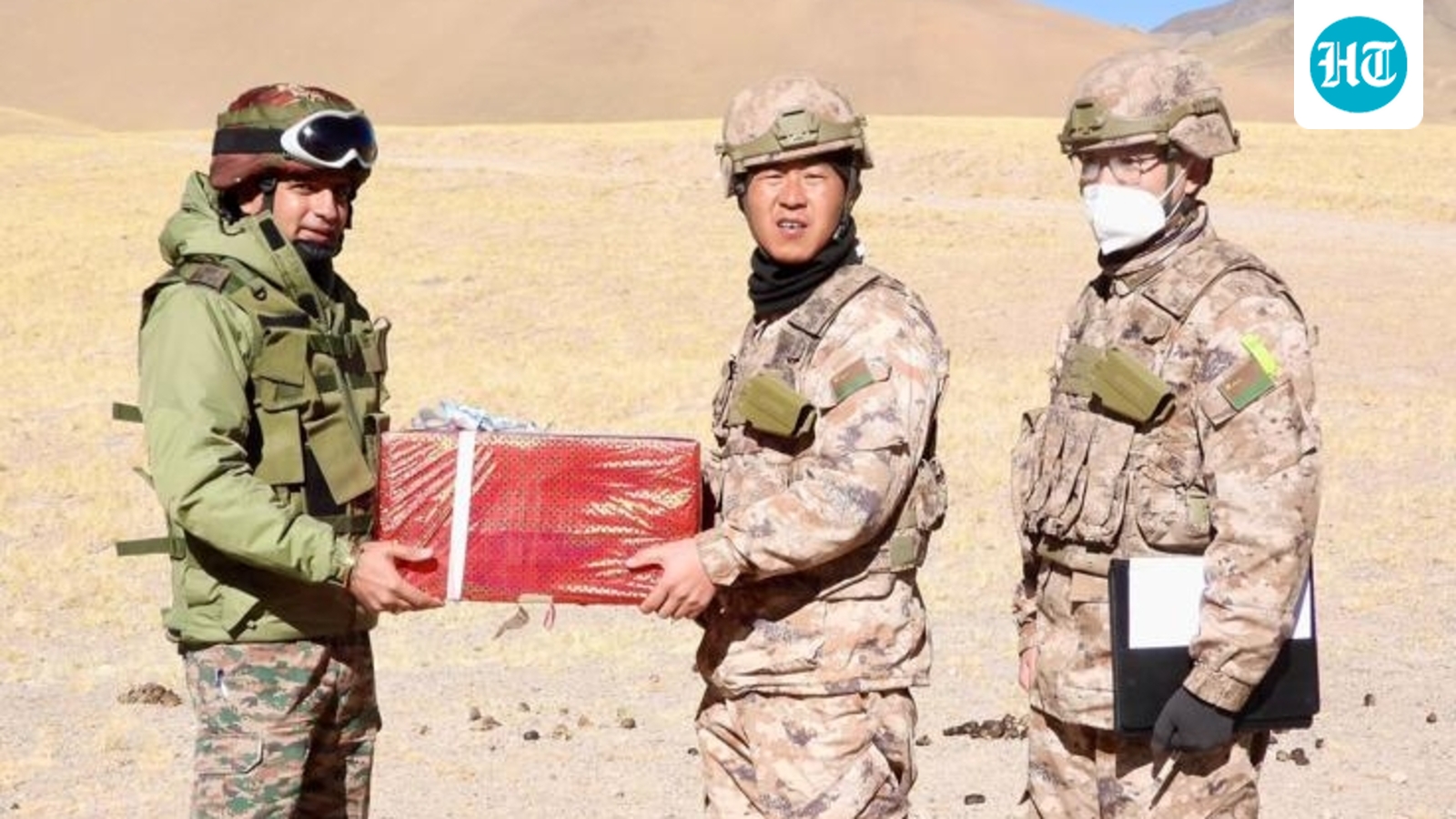
A thaw in the China–India relationship has been underway since October 2024 when the two governments announced a border agreement. This followed clashes in 2020, which marked the worst period of hostilities in over four decades. Both sides have taken numerous actions to normalise people-to-people interactions, including the resumption of direct flights, relaxation of visa restrictions and the restart of a Hindu pilgrimage to Tibet. But these developments point to pragmatic stabilisation, not a substantive reset of the bilateral relationship.
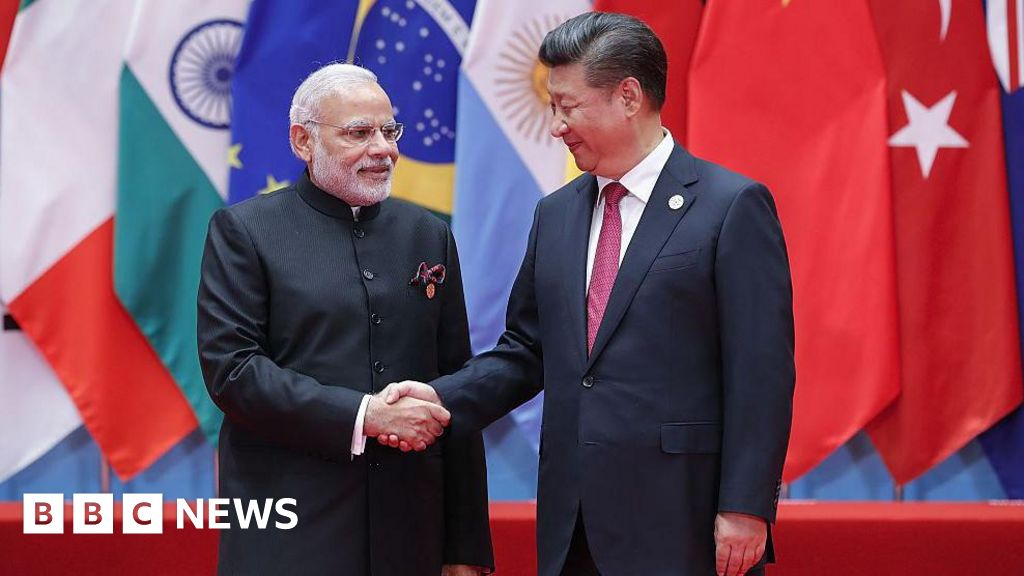
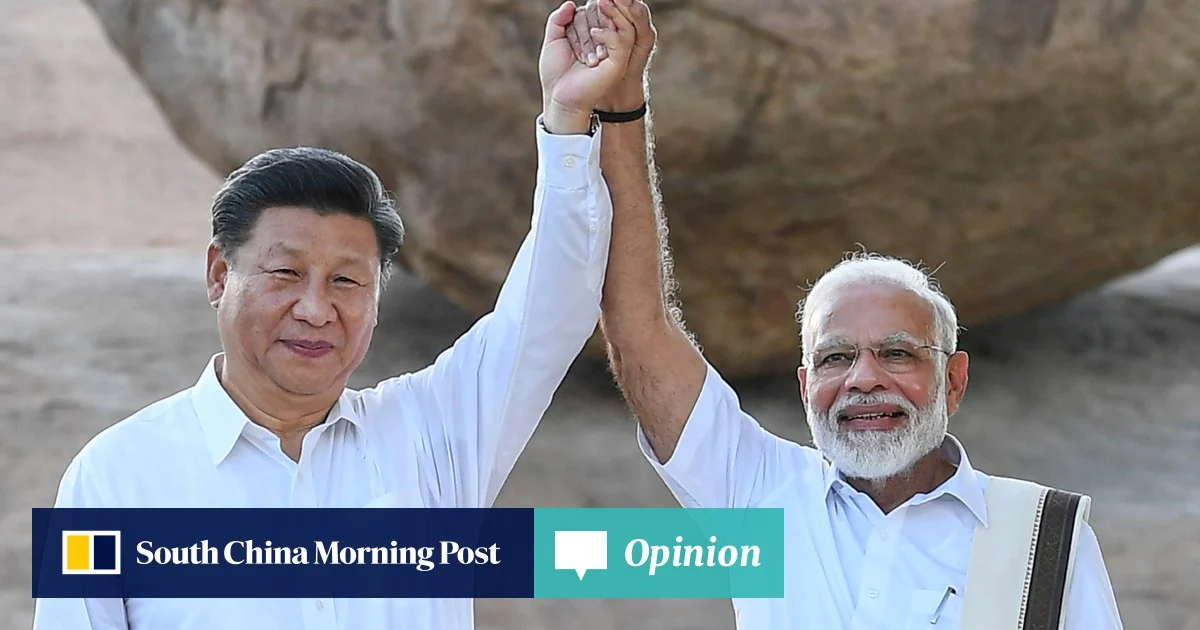
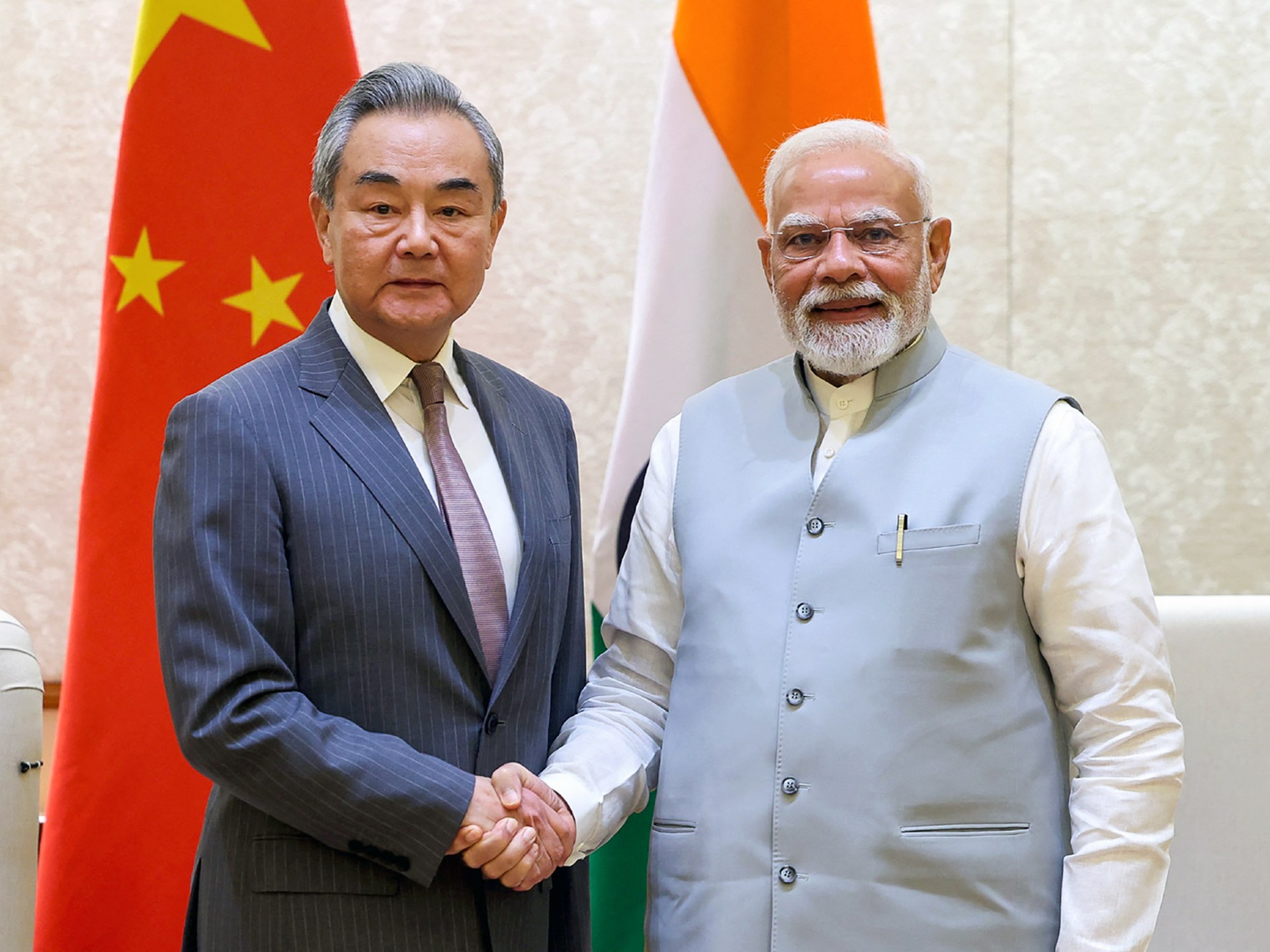
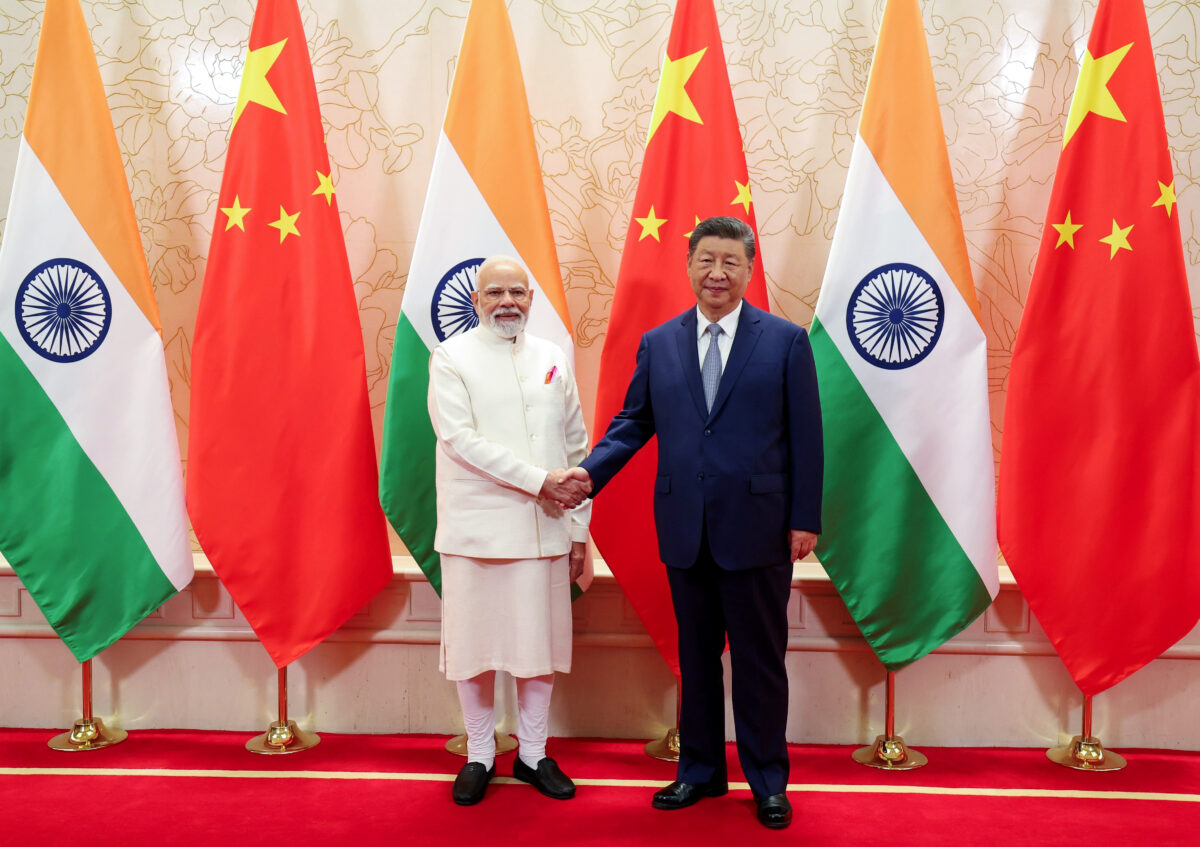
Senior leadership interactions resumed with Indian Prime Minister Narendra Modi and Chinese President Xi Jinping’s meeting on the sidelines of the October 2024 BRICS Summit in Kazan, Russia. Modi then visited Tianjin in August 2025 to attend the Shanghai Cooperation Organization Summit — the first visit by an Indian leader to China in seven years. This will likely be reciprocated with Xi’s visit to India when New Delhi hosts the BRICS Summit in September 2026.
There have been numerous efforts to address sources of friction in the bilateral relationship. On the border dispute, both countries resumed the Special Representatives framework in December 2024 after a five-year gap. Notable progress was made during the August 2025 meeting, when the readout noted the establishment of an Expert Group to explore an ‘early harvest’ solution, which alludes to a phased approach towards boundary delimitation.