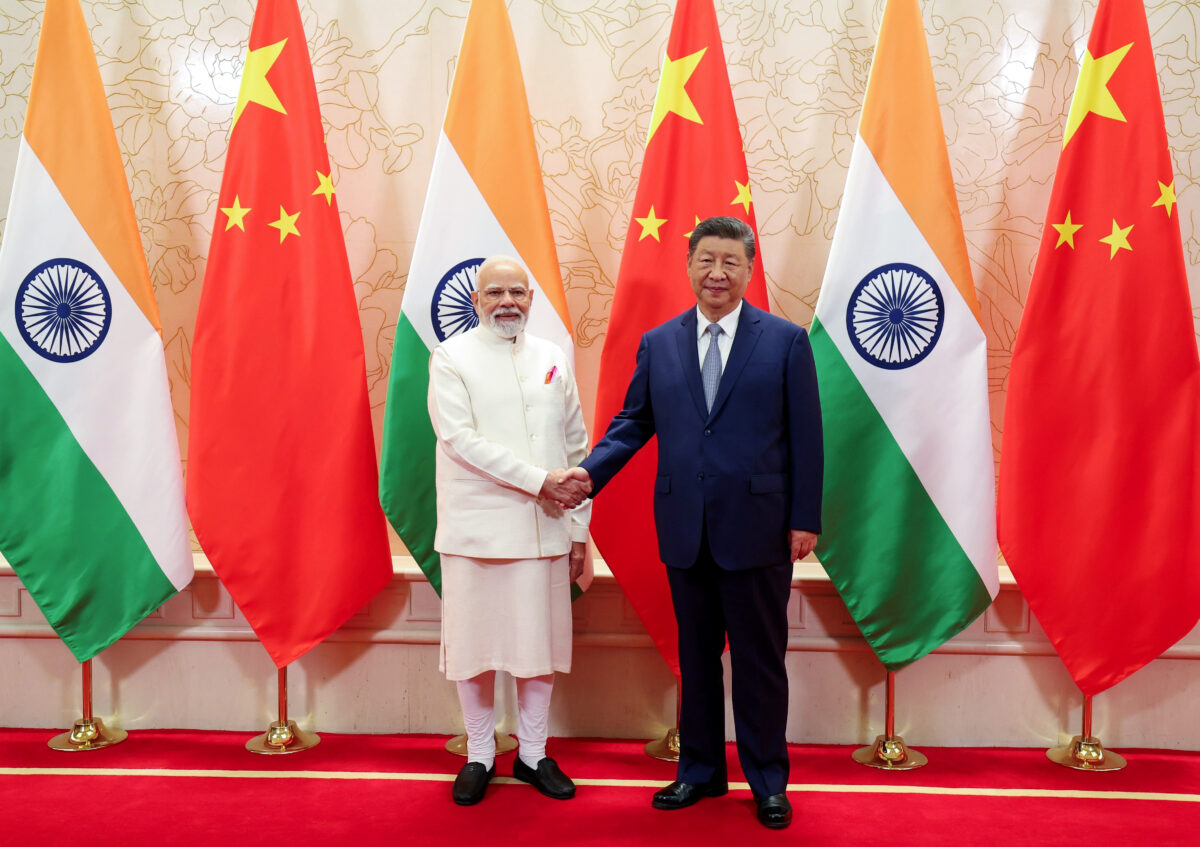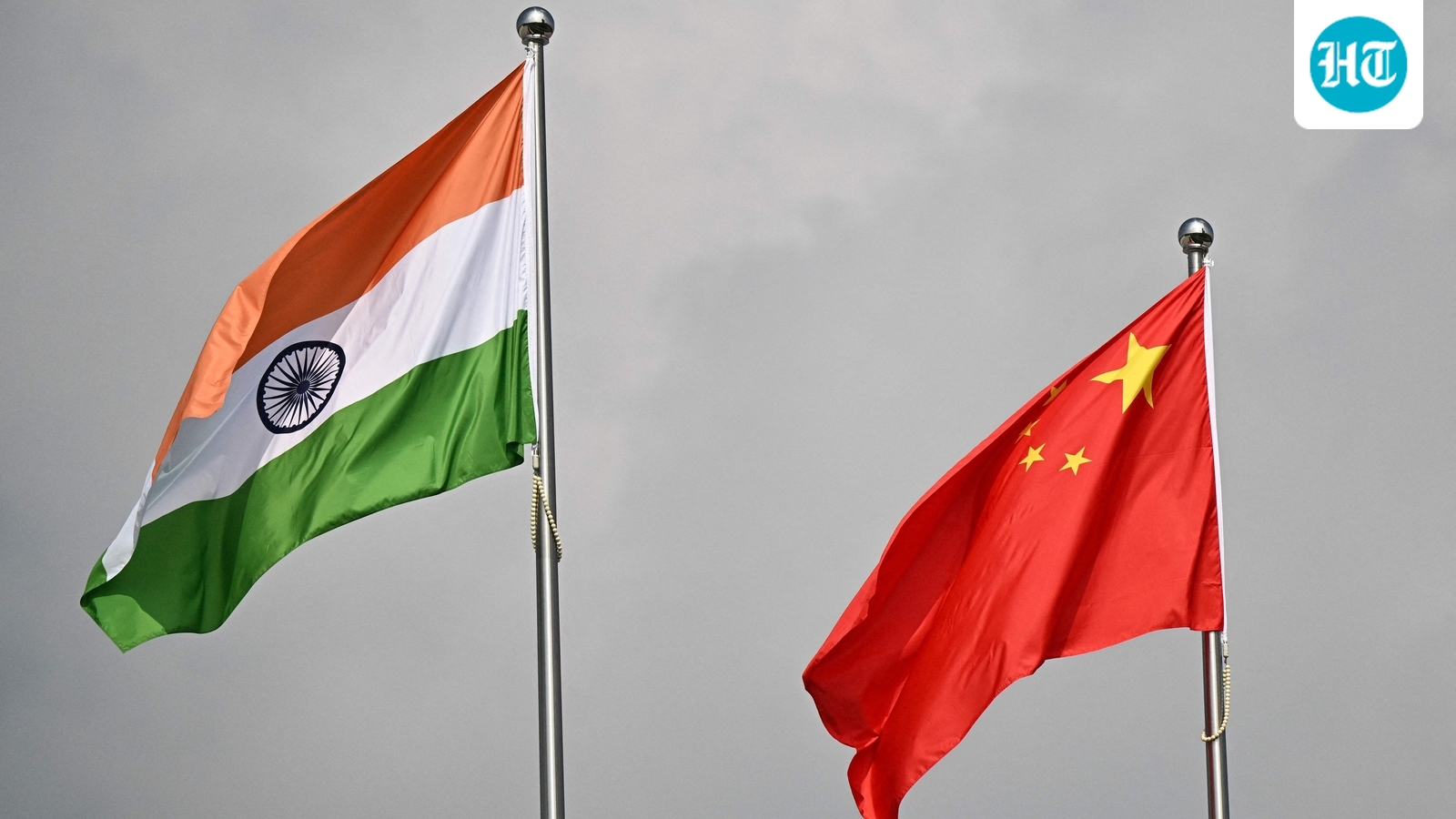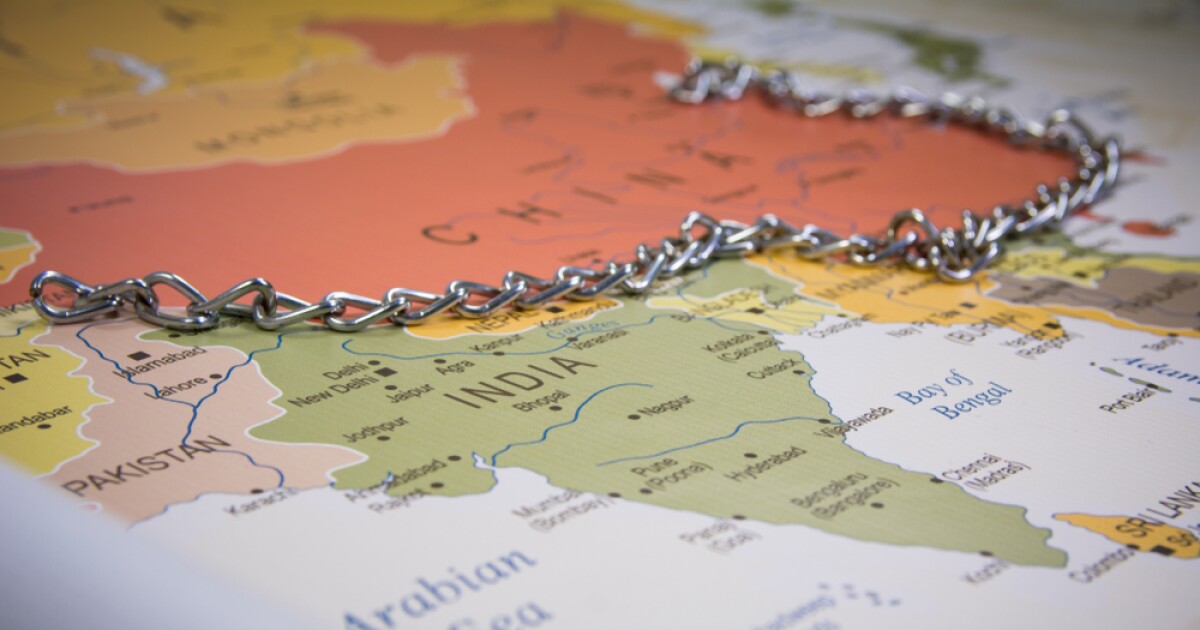
Over the past five years, India and China have been engaged in intensive diplomacy intended to resolve a volatile border dispute in the Kashmir region of the Himalayan mountains. The desire for a peaceful resolution of this border dispute, however, is complicated by India’s fractious relationship with neighboring Pakistan and China’s ongoing support of Pakistan. Another wrinkle is India’s desire to maintain good relations with the US as Washington simultaneously stakes out a more aggressive position toward China. Seen in this light, the India-China border dispute will likely continue to fester and could lead to a possible resumption of open hostility such as was last experienced in 2020.
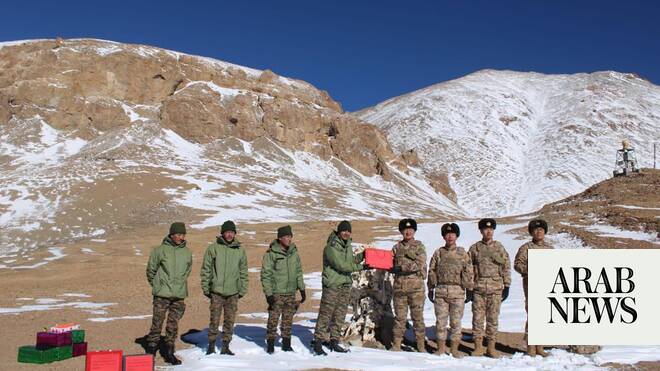
The recent fighting between India and Pakistan over the disputed Kashmir territory has cast a spotlight on the other major land dispute in the region, namely the tense standoff between China and India along what’s known as the Line of Actual Control that serves as the de facto border between the two nations in the Indian-administered territory of Ladakh, near Chinese-controlled Aksai Chin. A Jun. 26 meeting between Indian Defense Minister Rajnath Singh and his Chinese counterpart, Dong Jun, on the sidelines of the Shanghai Cooperation Organization (SCO) defense minister’s summit called for “bridging the trust deficit” between the two nations. A bloody confrontation between Indian and Chinese troops in 2020 in the Galwan Valley that killed 20 Indian and four Chinese soldiers widened the gap between the long-standing regional rivals.