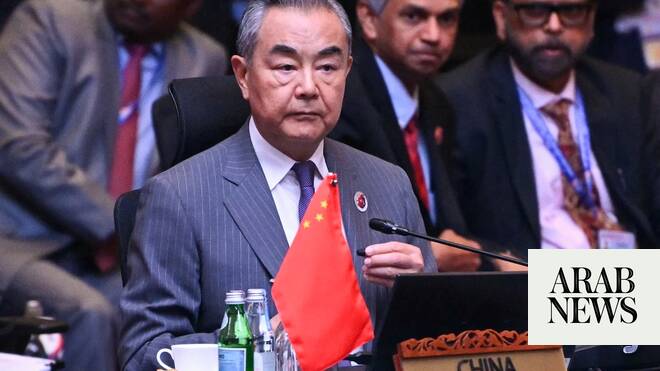
When Foxconn recalled hundreds of Chinese engineers from a factory in India last month, reportedly following Beijing’s directions to curb technology transfer to its neighbor, it was a reminder of the uneasy ties between two of Asia’s largest economies.
But with both countries facing tariff heat from Washington, could economic challenges push Beijing and New Delhi toward reluctant cooperation, transforming their adversarial relationship?
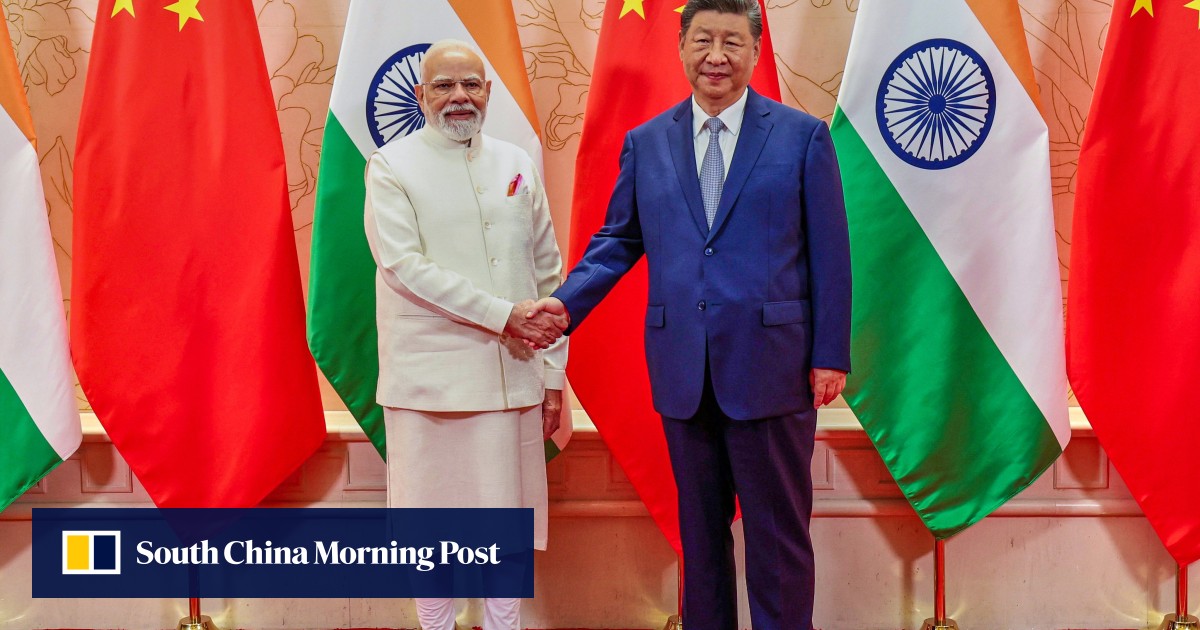
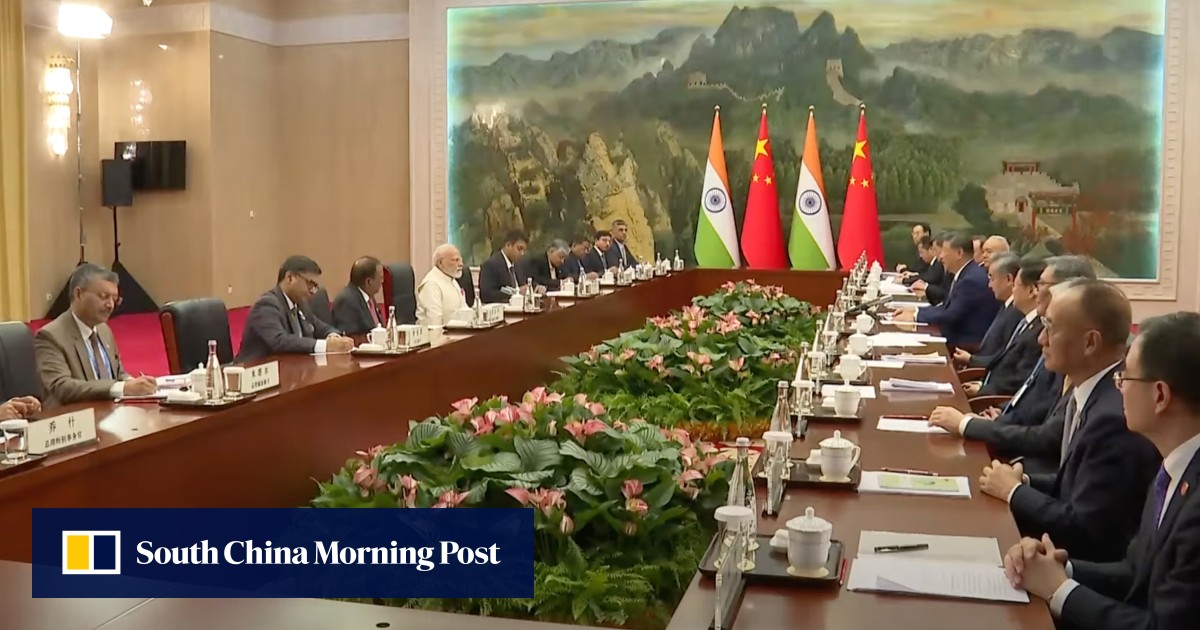
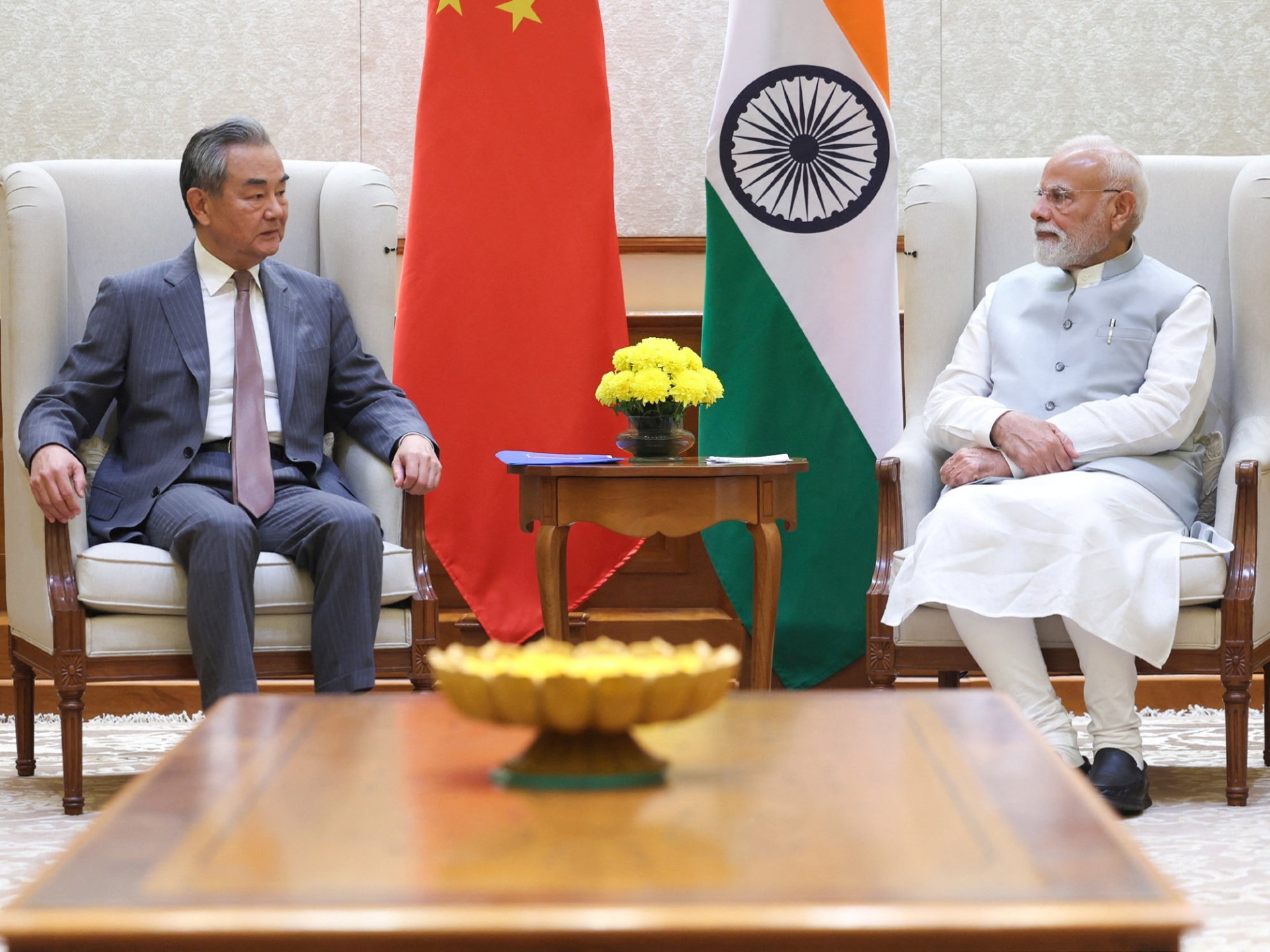
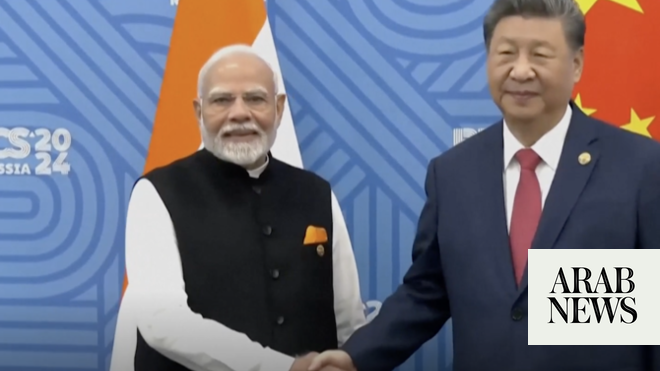
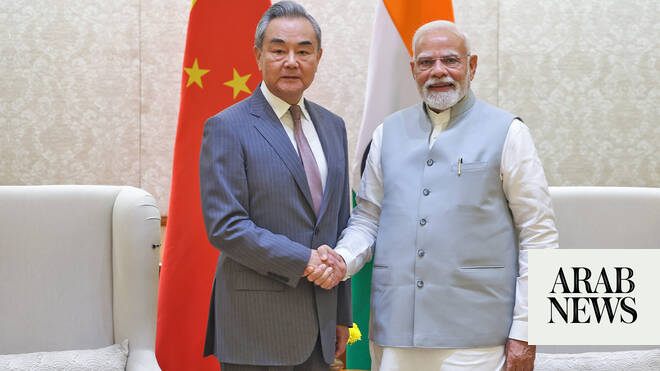
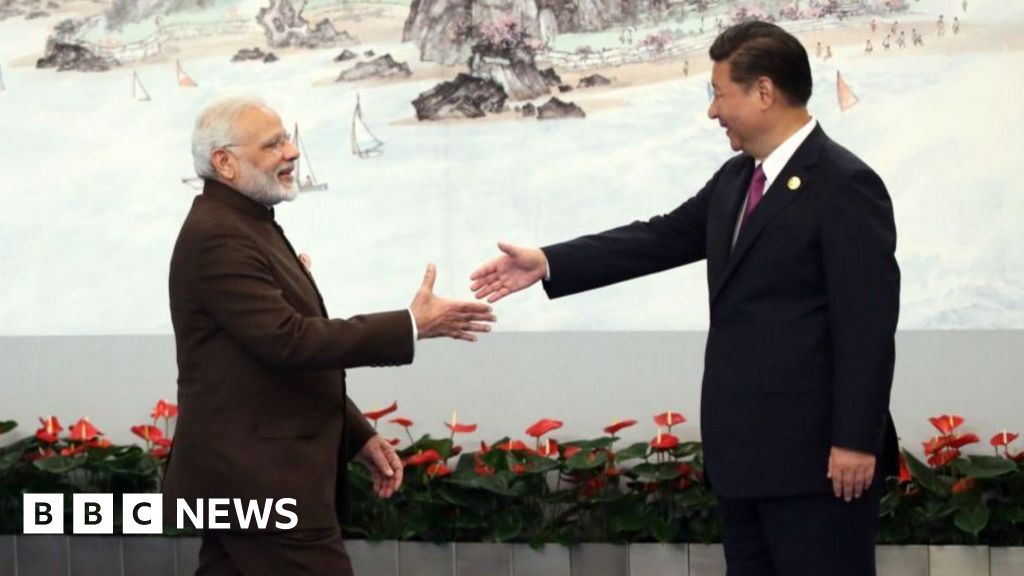
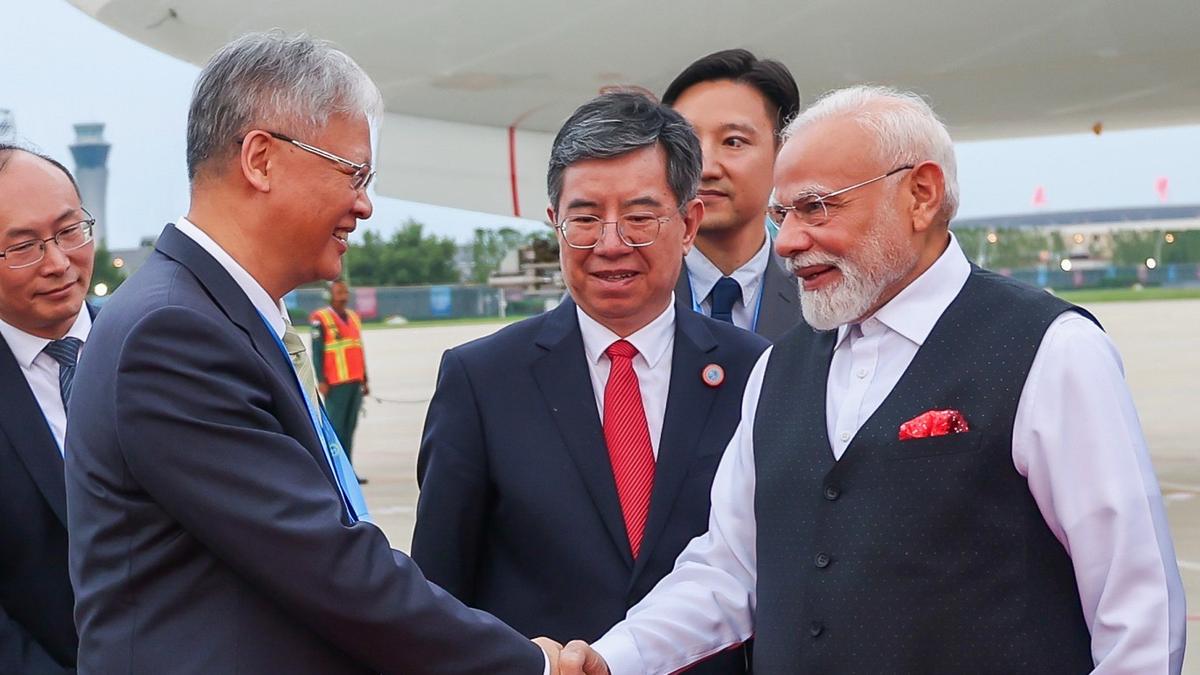
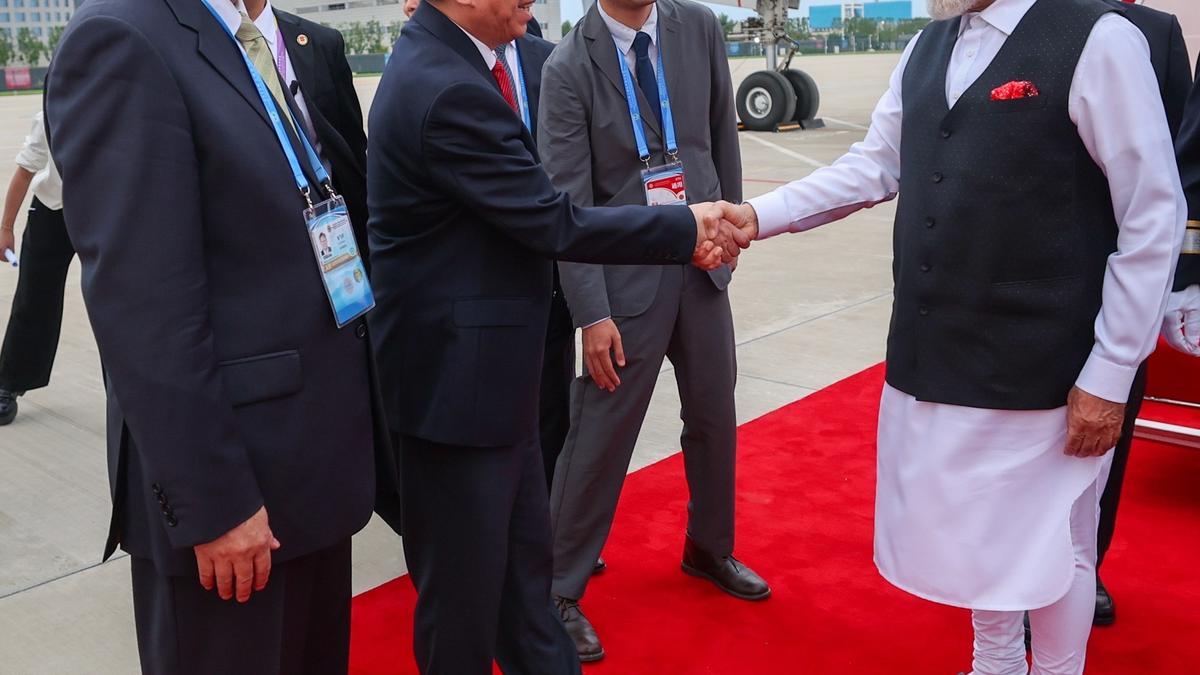
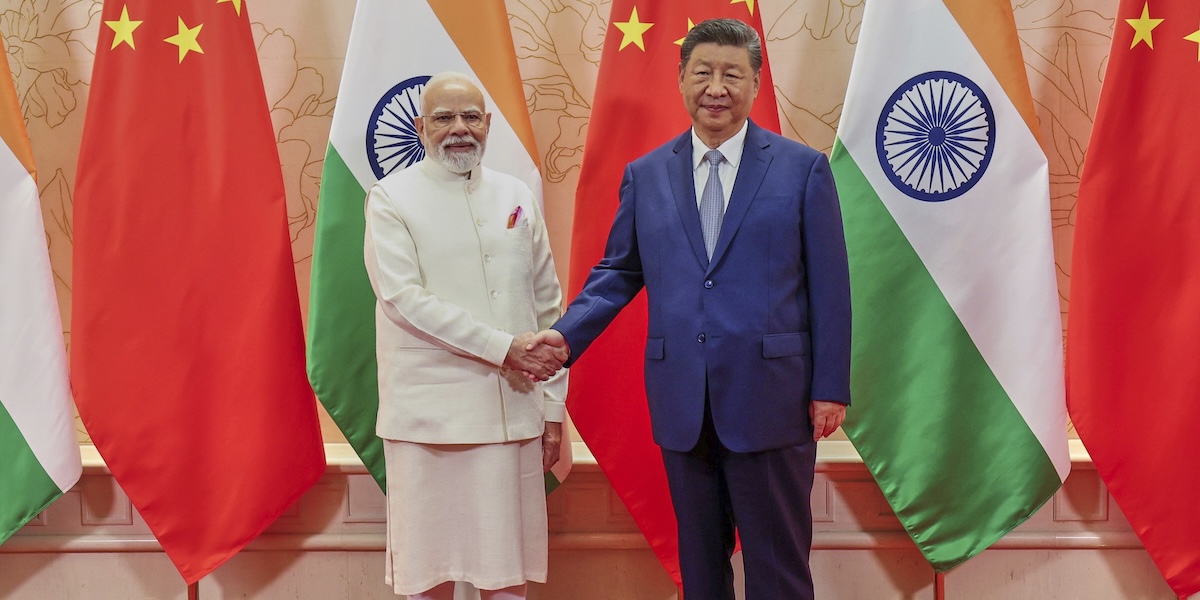
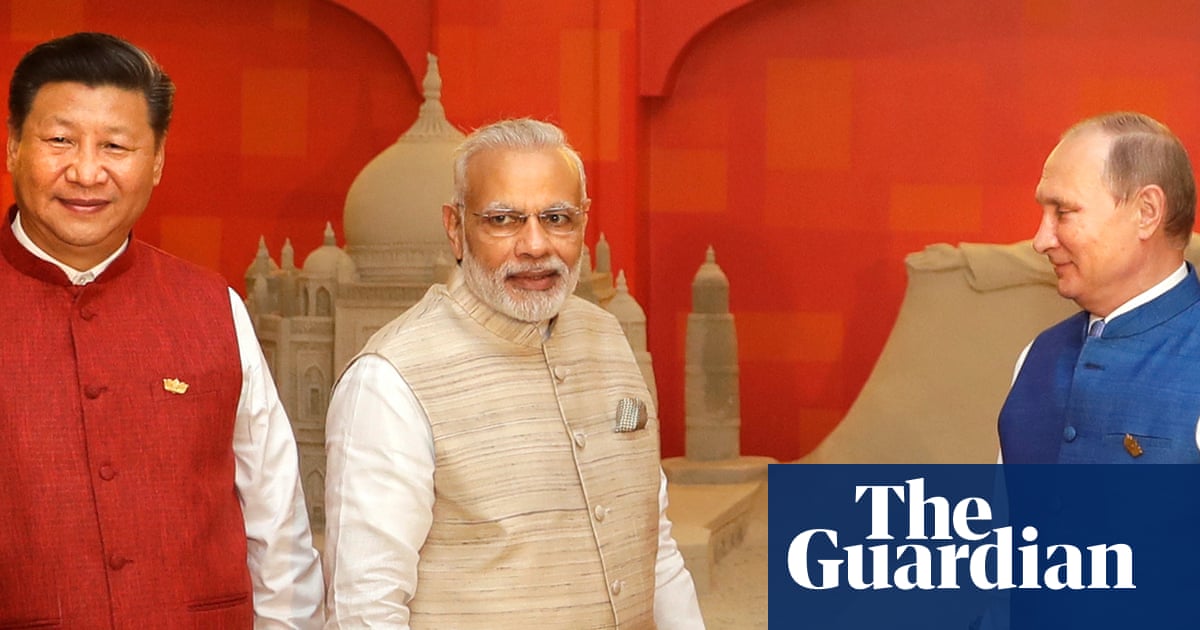
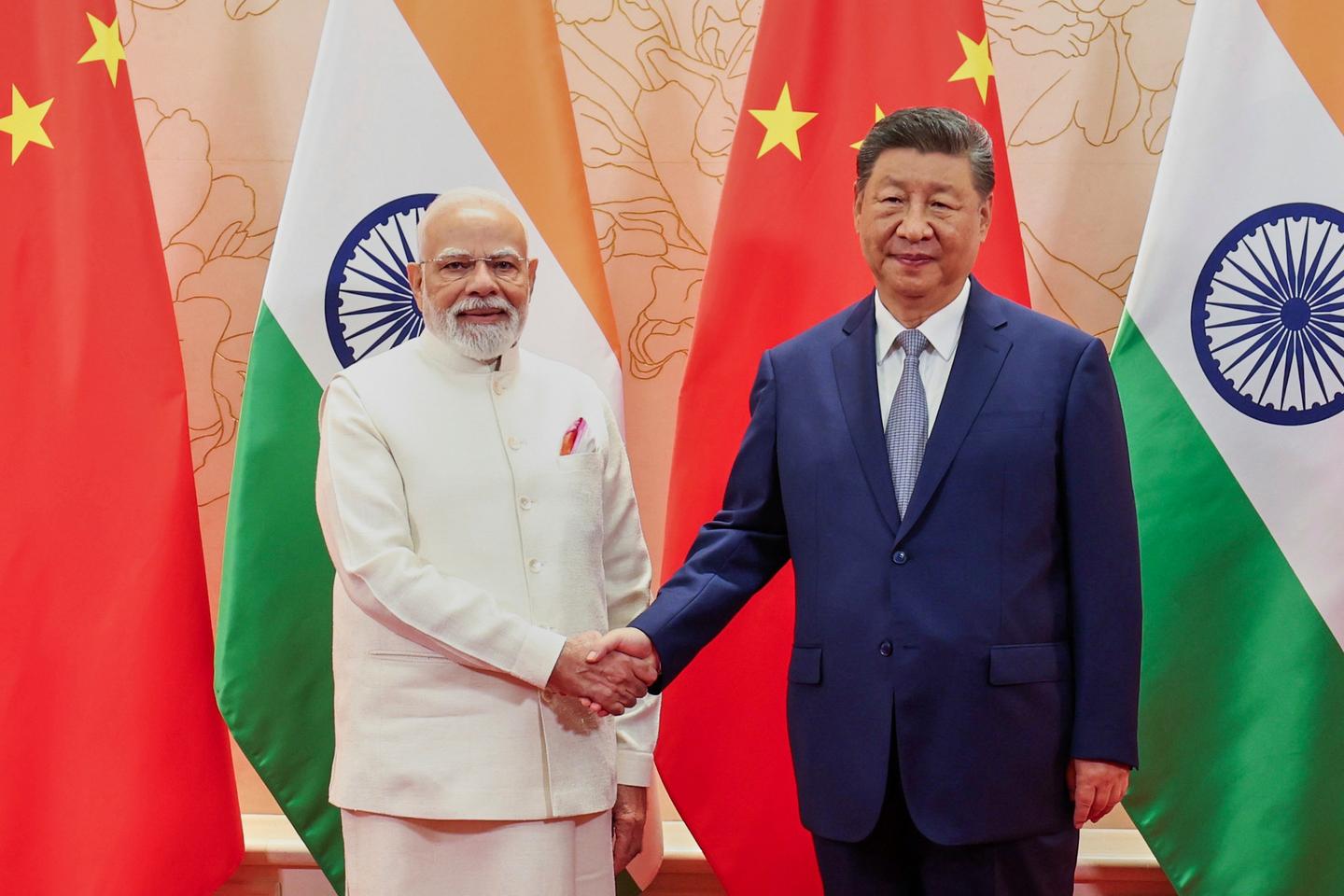
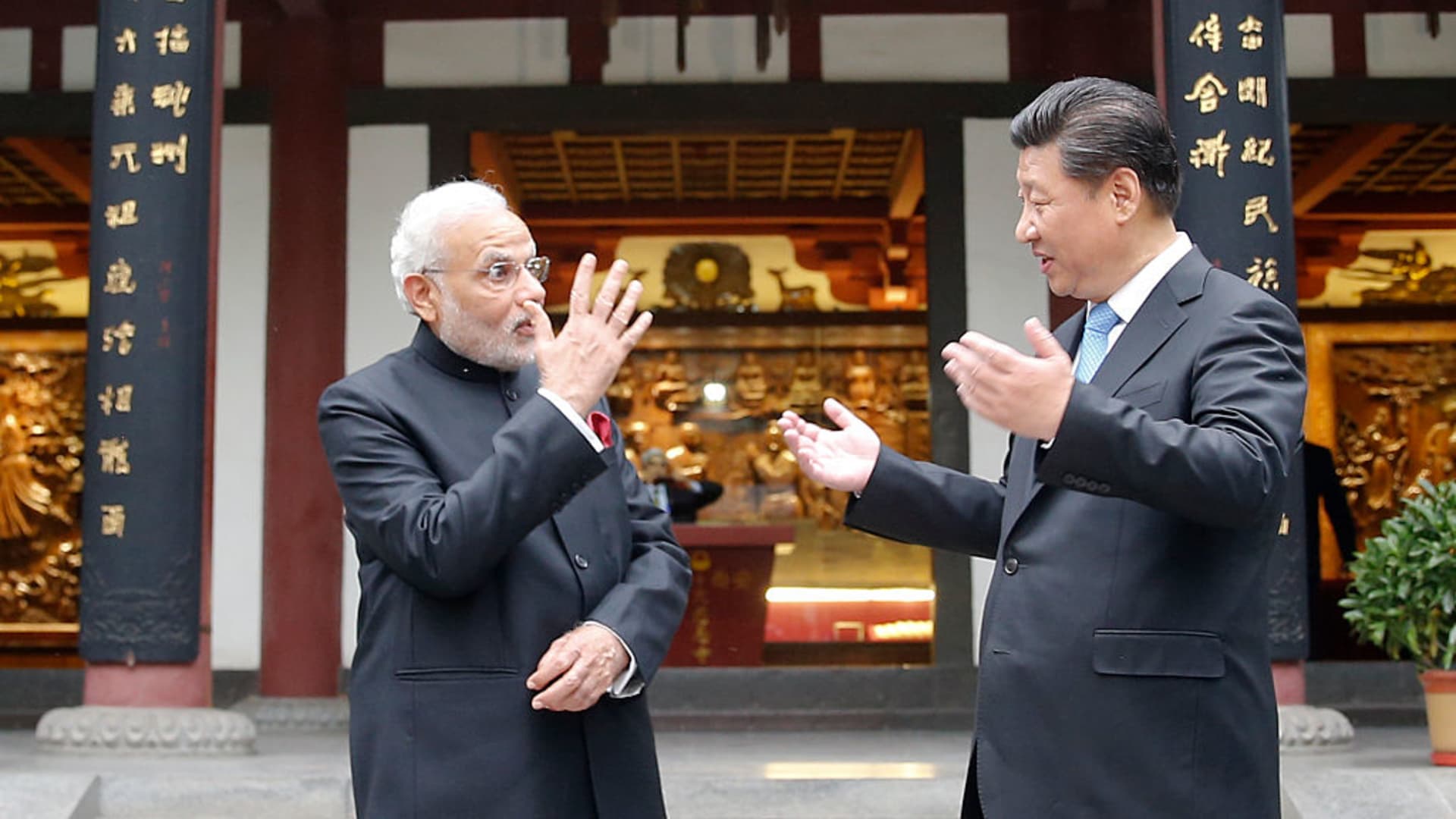
That possibility will be tested over the weekend in Tianjin, where India’s Prime Minister Narendra Modi is due to meet China’s President Xi Jinping for the 25th Shanghai Cooperation Organization summit. It will be Modi’s first visit to China in seven years, after the deadly Galwan Valley clashes between Indian and Chinese soldiers in 2020 soured relations.
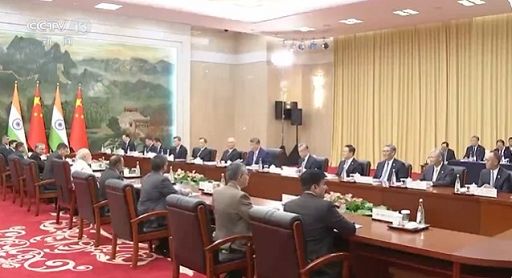
New Delhi and Beijing could engage in talks in Tianjin, as India’s foreign ministry has flagged the possibility of bilateral meetings on the sidelines of the summit.
India-China experts largely do not see the summit as the beginning of a long-lasting friendship between the two countries. “The suspicion of China runs deep in India,” said Amit Bhandari, senior fellow, energy, investments and connectivity, at think tank Gateway House. But in the face of U.S. tariffs and shifting supply chains, China and India find themselves edging toward each other.