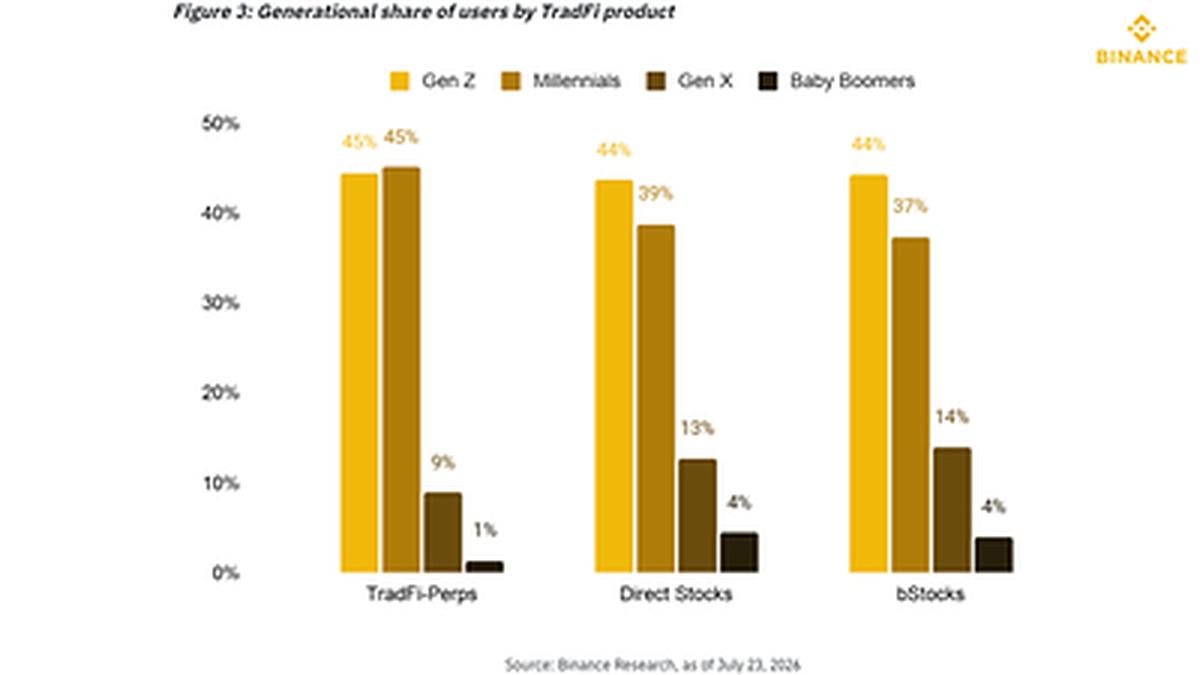
In a recent coffee table chat with a bunch of college students of finance and taxation, a few interesting observations came to the fore. Awareness among Gen Z (between 14 and 29 years) about stock markets is quite high and they are quite gung-ho about the benefits of stock market investing. Two, they believe in DIY investing, where they learn and then invest. Three, the source of information that they rely on is predominantly social media finfluencers.Ten years ago, the Gen Z, as an investor cohort, could be brushed aside as inconsequential because they were not as active in stock markets. But the increase in smartphone usage and digitisation of stock investing seems to have made the number of investors in this age group quite high. SEBI’s investor survey showed that awareness about security markets is the highest among Gen Z at 66 per cent and equity market penetration the second highest in this group, after millennials.The source of information revealed in the chat with students was corroborated by SEBI’s survey too. The top source to gather information on securities products, by all age groups, is friends, family and colleagues with 59 per cent. But the second highest resource, trusted by all, is financial influencers on social media, with 56 per cent of investors relying on them.The trouble is that not all the finfluencers are regulated and some were found engaging in wrongful market practices. But that is no reason to look at them with suspicion. SEBI must harness their growing influence with a separate light-touch regulatory framework, which can help them as well as the stock market ecosystem.The regulatory vacuumSEBI regulates some people who give advice on securities through its investment advisors regulations and research analysts regulations. These advisors give investment advice for certain monetary compensation and must register with SEBI and be regulated by it.Some finfluencers are registered with SEBI as investment advisors or research analysts and give advice to public at large as well, for free. But a vast majority of finfluencers, 94 per cent to be precise, are not registered under any regulator. That is because they fall in a regulatory no-man’s land. SEBI does not regulate those giving advice to public, without any monetary compensation. Similarly, those giving financial education through social media or print are also not regulated.The CFA society had recently published a report “Clicks and Credibility 2.0” which reveals that only 6 per cent of finfluencers surveyed are SEBI-registered, but 33 per cent provide explicit stock recommendations.Besides this, around one-third of finfluencers seem to be having conflicts of interest. This could be in the form of prior holding of stocks recommended, colluding with promoters or brokers to recommend stocks with the intent to take prices higher so that the parties involved can sell at higher prices (pump and dump). Some finfluencers also do marketing on behalf of companies to sell their products, taking a fee for the service. But according to the CFA survey, 37 per cent fail to adequately disclose conflicts.SEBI actionsSEBI has been following this space quite closely and around 4 per cent of finfluencers have faced penalties from SEBI.To prevent them from giving stock tips under the garb of educational content, SEBI has asked them to use stock prices with a three-month lag while providing educational content. Many stockbrokers were associating with unregistered influencers to grow their business. That has been stopped now.SEBI has also launched project Sudarshan, an advanced multimodal AI tool to generate alerts which can be communicated to the regulator for further action.Regulations based on trustWhile the stock market regulator is focusing on the wrongdoings by the finfluencer cohort, it must be acknowledged that they are emerging as the biggest and most trusted source of information, especially for the younger investors.The SEBI investor survey states that, “Ninety-three percent of surveyed investors consider them moderately to highly credible. The impact is tangible as 62 per cent of investors make some of their investment decisions based on finfluencer recommendations.”The Gen Z and millennials do not go to established investment advisors or wealth managers, the way the older generations do. They want more light-hearted, simplified and shorter formats as investment advice. The YouTube (91 per cent), Instagram (64 per cent) and Facebook (61 per cent) have therefore become the most popular social media platforms where investors seek information.The CFA survey finds that the average age of finfluencers was 32, with around half of them aged less than 30 years. With those consuming the content being predominantly young, the younger finfluencers seem to be able to relate to the younger age cohort much better.Instead of approaching finfluencers with suspicion, the way forward must be to assimilate them into the investment advisory space.A separate set of rules can be created for all finfluencers giving advice on securities markets products, banking and financial and insurance products. Finfluencers could be dealing in areas regulated not just by SEBI, but by RBI, PFRDA, and IRDAI as well. So, all the regulators must consult and frame the regulations together. The finfluencer should be asked to register with the concerned regulator depending on the products they advice on, regardless of whether they are taking fee from clients or not.A minimum education and experience requirement must be specified, but it should not be onerous. There should be a set of ‘dos’ such as disclosing any conflicts of interest, holdings in the securities being recommended, any sponsorship deals etc. There should be a set of ‘don’ts’ such as projecting the price of stocks without any basis, promising guaranteed return schemes etc.The large influencer cohort can thus be harnessed to improve financial market penetration and investing culture. Allowing finfluencers to continue their activities under light touch regulations could prove to be a win-win for all.Published on August 12, 2026
Harness the power of finfluencers
They are increasingly becoming the go-to source for stock related advice, especially for the Gen Z and Millennial investors
960 words~4 min read