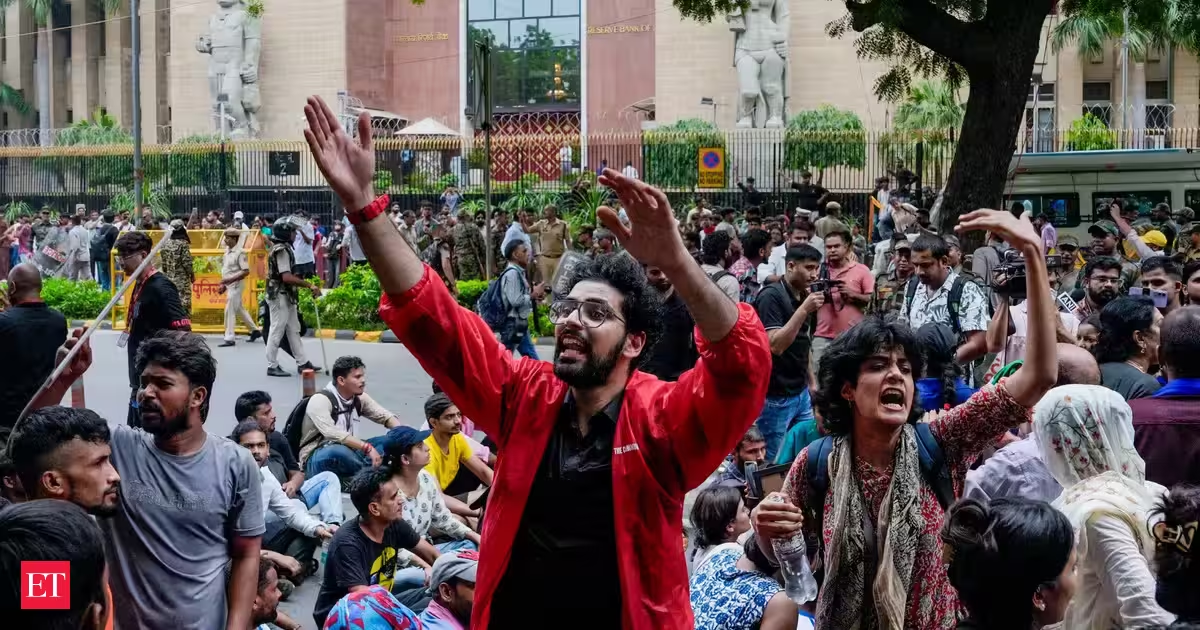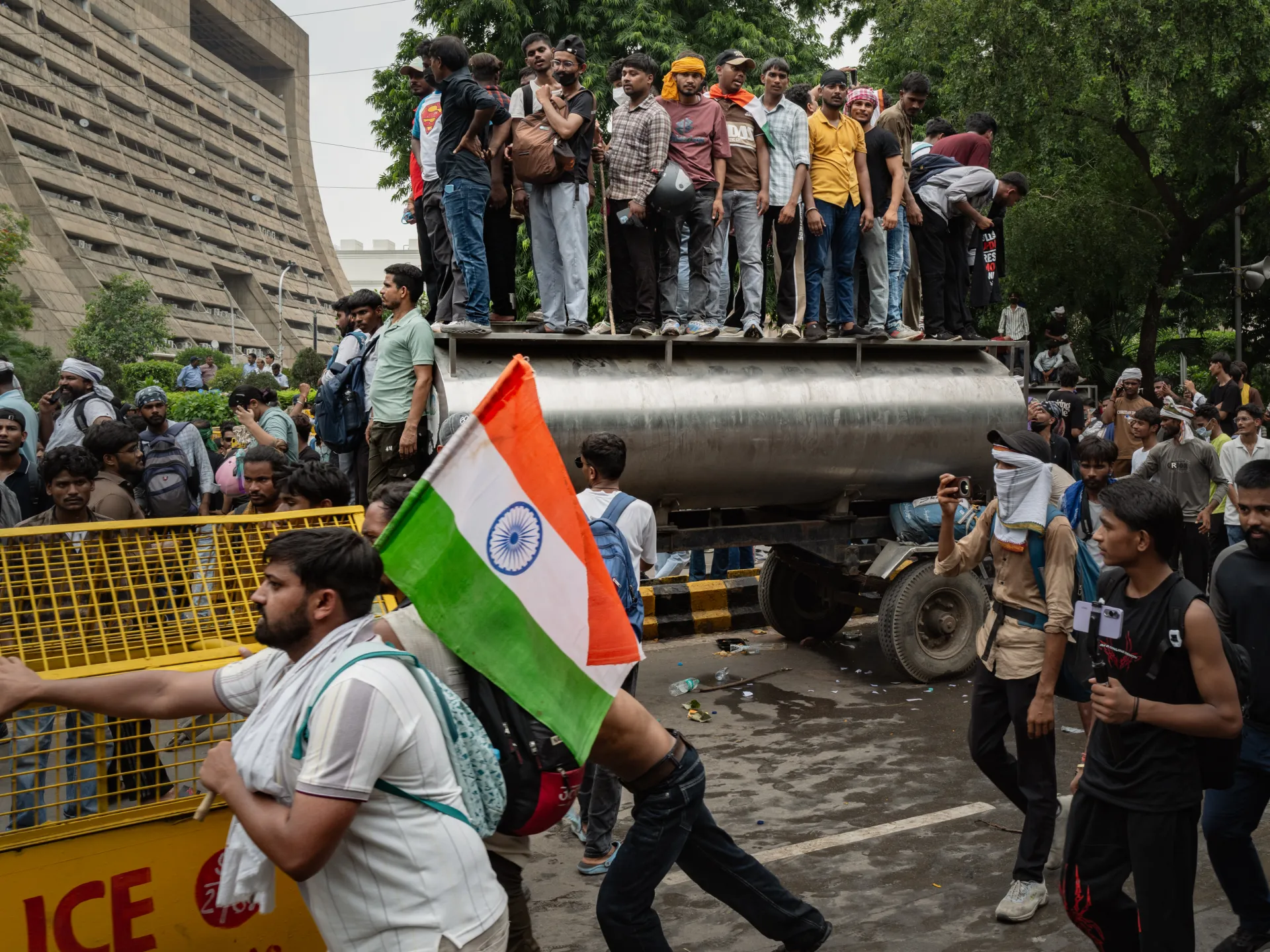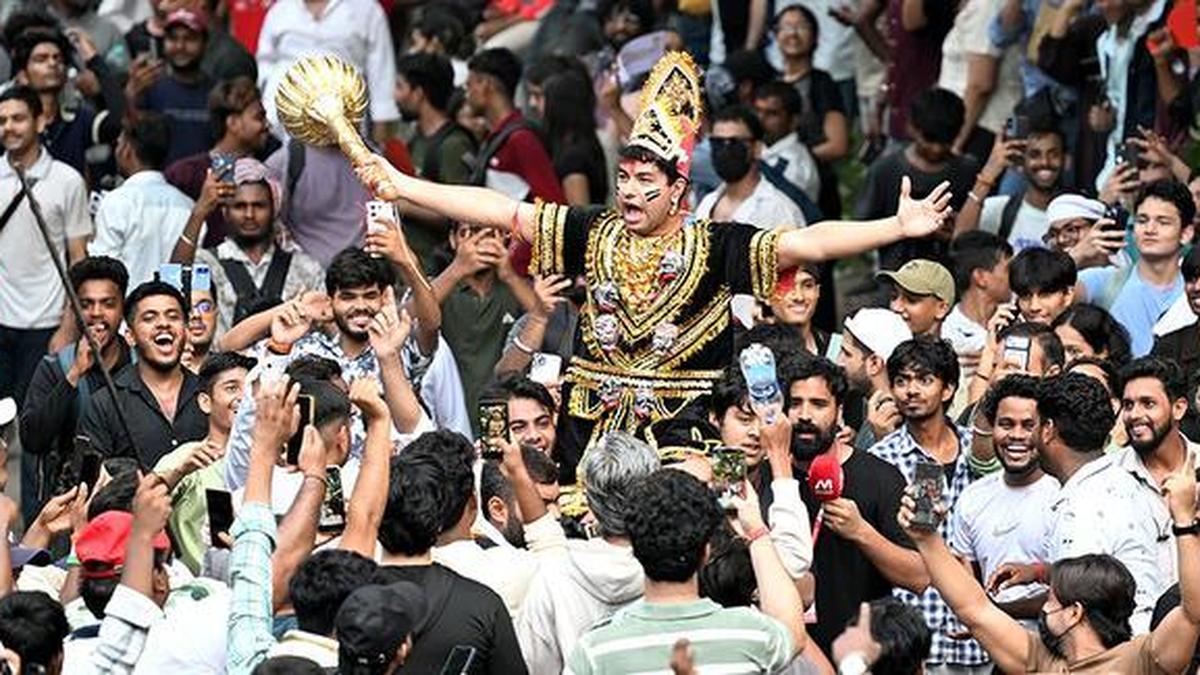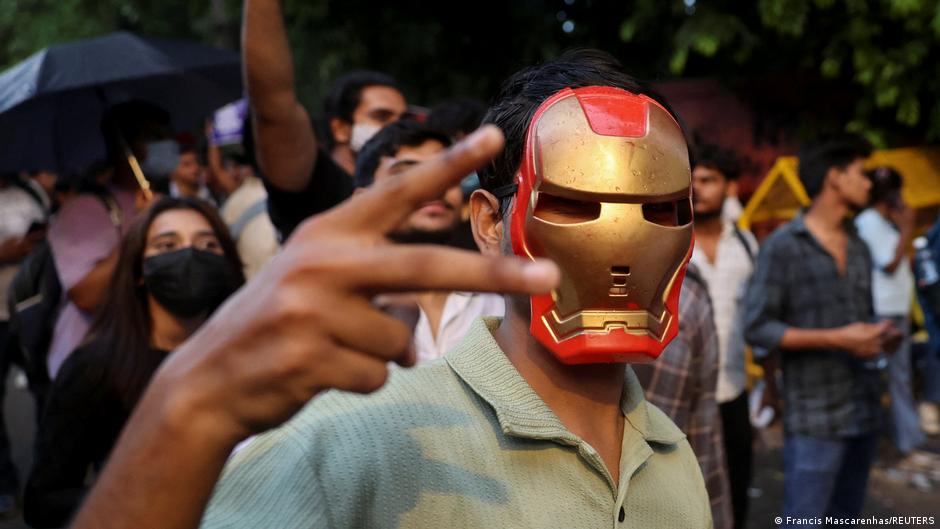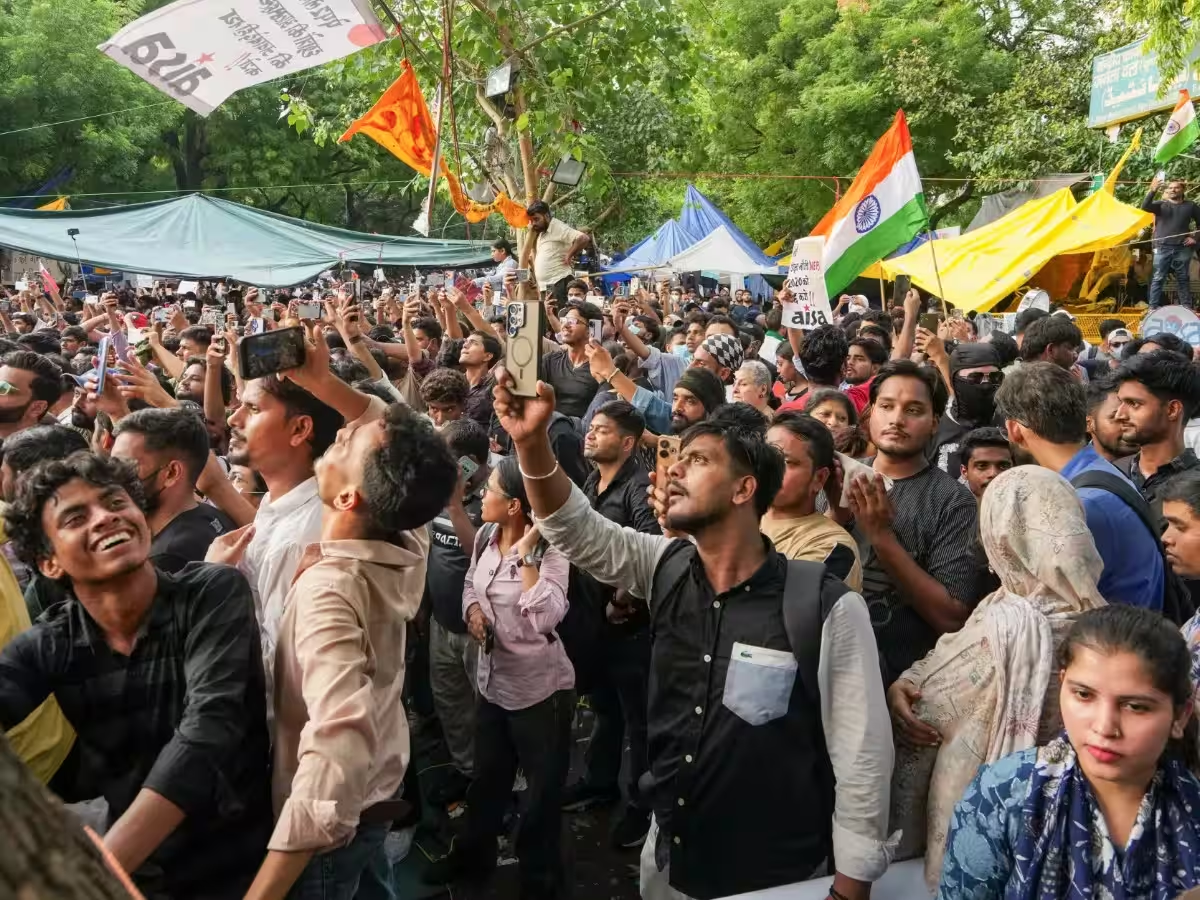
MUMBAI: If you were scrolling social media feeds during the Jantar Mantar protests by students last month, you would have seen them heap high praise on brands that supported them during the agitation and slam those that didn’t. In their posts, Gen Z consumers (born between 1997 and 2012) made it amply clear that they trust brands that champion their cause. For instance, the Blue Tokai café chain won hearts when it let protestors get water and use facilities at one of its outlets. Reels applauding the brand’s gesture went viral.Gen Z consumers look for tighter bonds with brandsA Fireside Ventures report calls Gen Z the ‘Reverse Generation’ because they influence their parents and don’t get influenced by them, shop like Millennials but don’t pay like them and follow celebrities on social media but don’t idolize them. They comprise nearly 30% of India’s population and are expected to account for spends worth one trillion dollars by 2030, the report noted.Ashish Mishra, CEO of Interbrand India and South Asia, said, “Brands have an unprecedented role to play in an era where the young drive most consumption choices.” But the roles they adopt will be different. Gen Z has experienced mostly turbulent times during their formative years and they’re the VUCA generation, Mishra said. Volatility, Uncertainty, Complexity and Ambiguity or VUCA, is used to describe the rapid changes in the world and in businesses. “Given that Gen Z makes up close to 30% of the population—and more than 70% when combined with their older cohorts, the Millennials—this shift has serious implications for brands, businesses, politics and governance,” Mishra said.Gen Z’s values have been shaped by growing up in a borderless digital society, said Samit Sinha, managing partner, Alchemist Brand Solutions. “They look for symbols — brands included — that reflect who they are, or at least who they aspire to project themselves as, which raises the bar for the brands they choose,” he said.Fast fashion tech-led brand Newme’s co-founder Sumit Jasoria points to three things that Gen Z consumers seek in a brand: Authenticity, experience and expression. “The brands must feel real in their communication and pricing. Their stand cannot be fake. It’s better to remain silent than bluff,” said Jasoria, adding that Newme did not indulge in any kind of messaging during the youth protests, luckily, without a backlash. “They are not just unafraid but also very vocal with platform choices such as Instagram, WhatsApp, YouTube, Reddit, Telegram etc,” Jasoria said.These Gen Z attributes are forcing brands to respond differently. They are embracing greater transparency, ethical business practices, community welfare, and sustainability, said Alchemist’s Sinha. Not just that. Since increased product, service and price parity in almost every category makes brands offer indistinguishable functional benefits to consumers, they have to differentiate themselves through ‘emotional payoffs’ rather than features, said Sinha.With changed times, they are evolving further. “They attempt to forge deeper relationships, differentiating themselves through shared beliefs with their respective consumer segments,” Sinha said. So, when a brand like Blue Tokai showed empathy during youth protests, Gen Z responded with gratitude. “This is the new role brands can play in a changing world,” said Interbrand’s Ashish Mishra.Brand strategists maintain that though it’s not necessary for a brand to champion a cause, in today’s world they cannot afford to shirk social and environmental responsibilities. People expect more from their brands – big or small. “Today, taking up a shared cause with customers carries little downside beyond the risk of polarising or alienating some of them. But then no brand can win everyone over. The upside, though, can be significant: a genuinely strong emotional bond with consumers,” said Sinha.The altered bond between consumers and brands can be attributed to what Ashish Mishra calls the “defining challenges of our times” which Interbrand highlighted in its recent Best Global Brands report. These include: inequality, economic uncertainty, resource depletion, climate change, health pandemics, overconsumption, humanitarian crises, political divisiveness, conflict and war.“Given this backdrop, it feels insensitive for corporations to remain solely driven by hyper-consumption, profiteering and shareholder value. People now expect the resolution of societal conflicts to be a core function of companies. The business of business is no longer just business,” Mishra said.Traditionally, brands have been more considered, insightful and organized expressions of culture, Mishra said. But today’s Gen Z is looking up to them for support and ideological resonance. He sees this as a golden opportunity for brands to create powerful narratives and be less neutral on issues that matter to people. “Brands have been taking sides on critical debates --- from Apple’s pledge to privacy to Nike’s stance on inclusion,” Mishra said. “Closer home, we see Reliance’s support to education for all, JSW nurturing athletes to win, Tanishq espousing unity in a divisive world, or, arguably Infosys’s eventual open-mindedness toward moonlighting,” he added.There was a time when all brand experts advised brands to steer clear of controversies. But things are different now. The paradigm has shifted. “Brands can no longer be politically correct fence-sitters,” Mishra said.And choosing the right cause depends on the brand’s principal custodian, said Samit Sinha. The fit has to be strategic, anchored in the brand’s essence -- its core purpose, values, competence, chosen consumer segment and positioning, he said.
Gen Z consumers look for tighter bonds with brands
Gen Z’s values have been shaped by growing up in a borderless digital society, said Samit Sinha, managing partner, Alchemist Brand Solutions. “They look for symbols — brands included — that reflect who they are, or at least who they aspire to project themselves as, which raises the bar for the brands they choose,” he said | Mumbai news
870 words~4 min read