Gen Z has built its brand on anti-capitalist rhetoric. That just shows how misunderstood they are. The transaction data tells a very different story—and it’s not about twenty-somethings’ hypocrisy.
The story that is coming into view is one of a generation with no savings cushion doing exactly what rational actors do when there’s no margin for error: cutting the expensive and uncertain (nights out, concerts, dinners) and doubling down on the cheap and reliable (a coffee, a jewelry piece, a beauty splurge that delivers guaranteed gratification at a predictable price point). The Bank of America Institute calls it the “little treat economy.” The more precise name is budget triage.
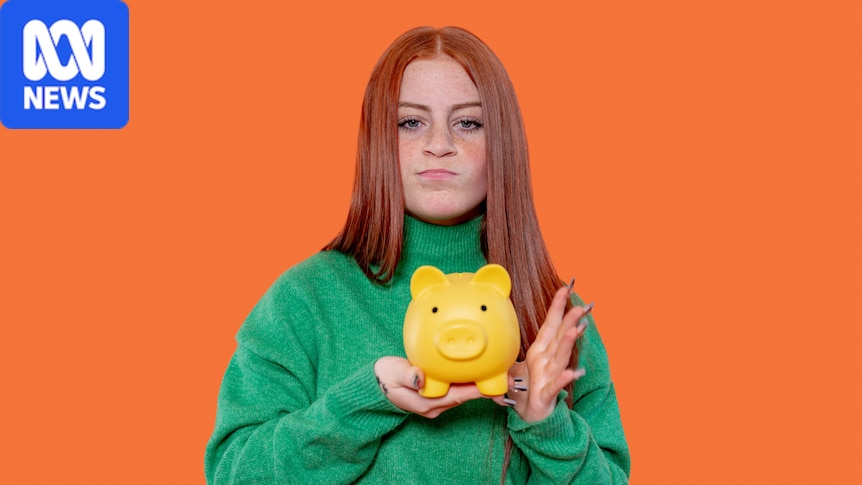
A new Bank of America Institute report shows Gen Z’s median savings-to-spending ratio sits just below 0.5—the lowest of any generation—meaning their monthly spending routinely outpaces cumulative savings. That’s a sharper version of a trend BofA flagged in 2025, when Gen Z’s spending-to-savings ratio hit 1.93, nearly double what the generation held in reserve.
“I think the little treat economy, at least in our data, seems to be very much alive and well,” said Taylor Bowley, co-author of the study, in an interview with Fortune. The appeal isn’t just the item, she said—it’s “having the means to purchase it,” a small, reliable hit of agency in an economy that otherwise feels out of your control.