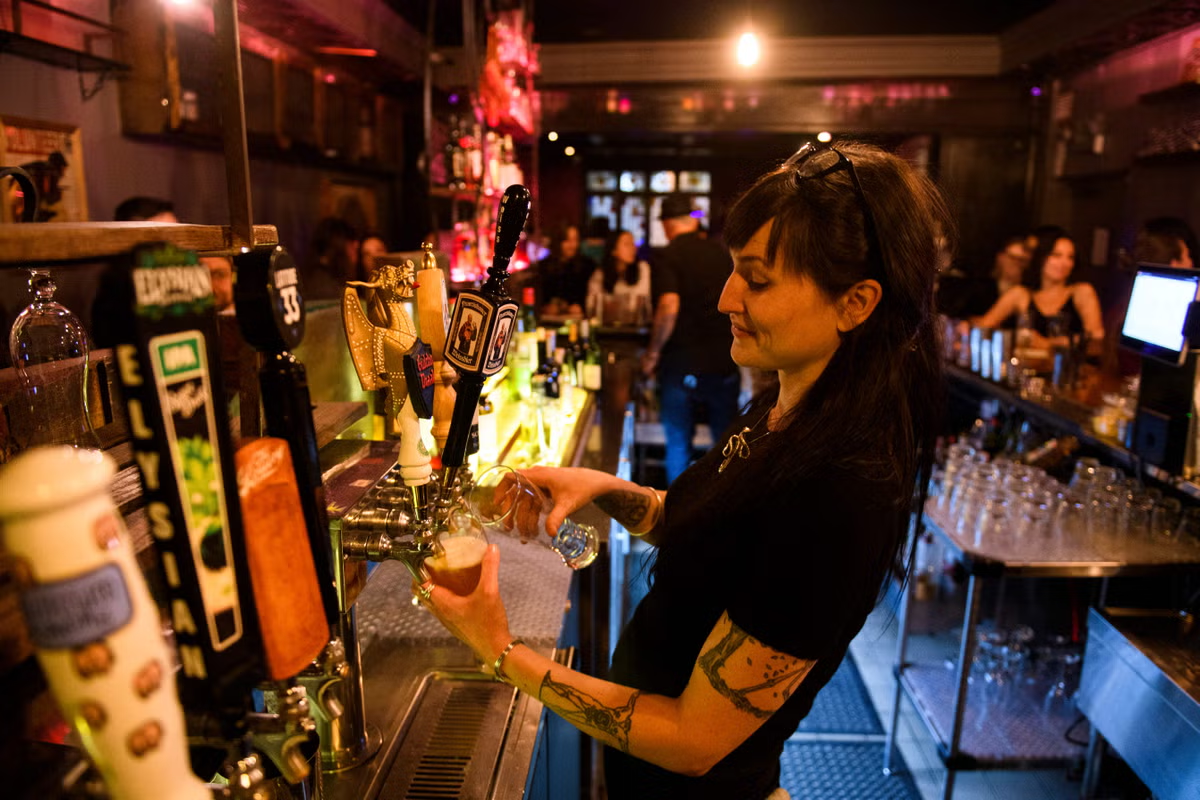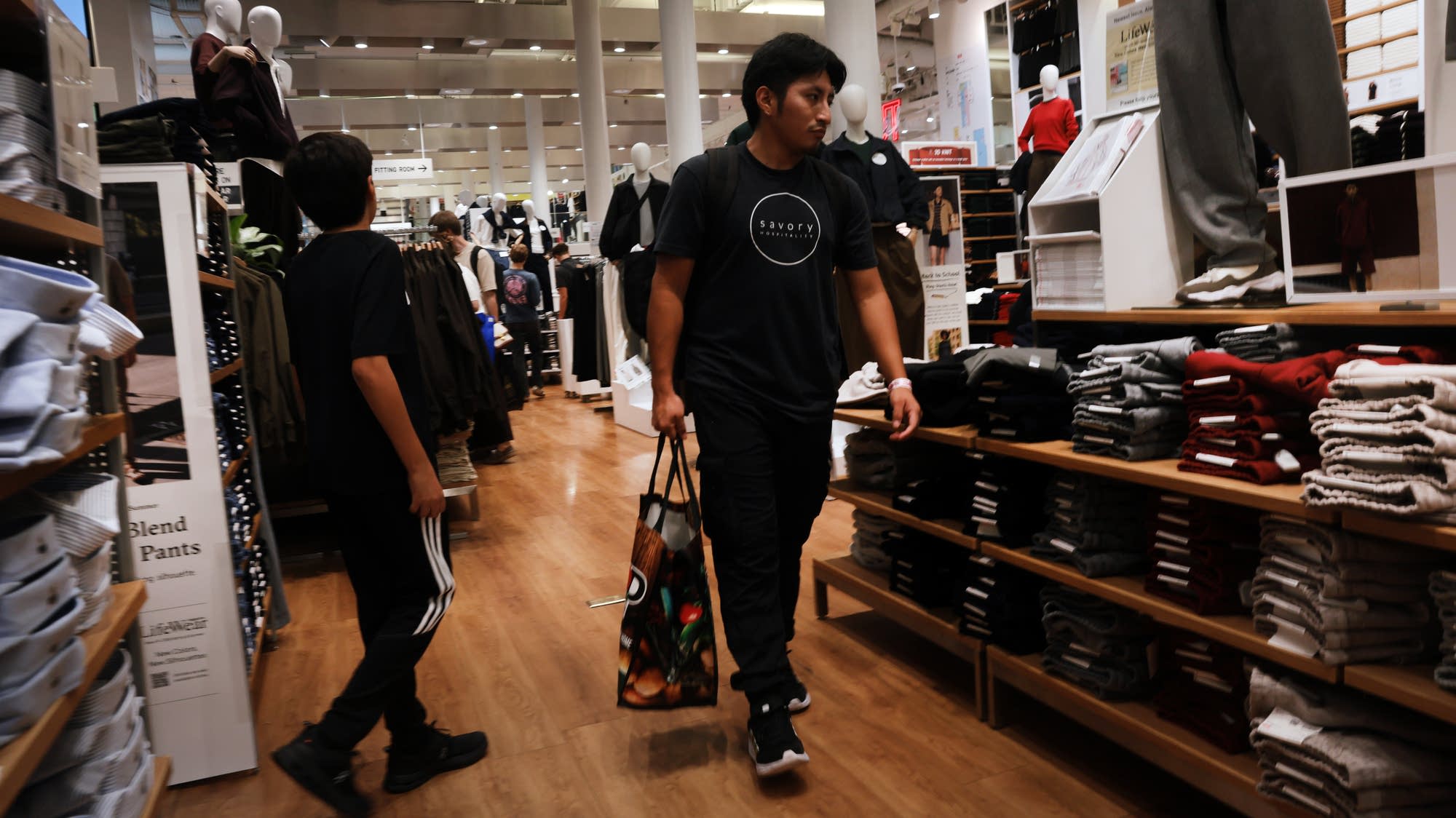
In this K-shaped economy, where higher-income Americans bounced back from the pandemic and started spending money again much more easily than lower-income peers, one generation isn’t acting K-shaped at all.The youngest adults among us, Gen Zers, are actually all spending more, across all income brackets, according to fresh data from Bank of America. And it’s not all student loans and car payments, either — they’re spending on travel, and coffee, and jewelry.Gen Z came of age during and after the COVID-19 pandemic. So they’re comfortable spending more of their income, “because people just stayed at home and bought stuff,” said Matt Britton, author of “Generation AI.”While they were stuck at home during the pandemic, young people were also scrolling on social media. “Looking at everybody else living their highlight reel, and they think that they need to spend the money now,” Britton said.On top of that, Gen Zers have adopted a “YOLO” mentality, said Jason Dorsey, head of the Center for Generational Kinetics, a research firm. (It stands for “you only live once.”)“They don't believe in a lot of the sort of traditional life promises, such as retirement or even if Social Security is going to exist.” he said. “And so they are choosing to spend now rather than save for things such as a house or others that might seem out of reach.”The Bank of America report said instead, Gen Z is indulging on small trips, cosmetics, and fun drinks. Economist Taylor Bowley, who wrote the report, calls this “little treat spending.”“Being able to indulge yourself even when things don't feel as attainable is still very much alive,” she said.But despite the YOLO mentality, and the rough entry-level job market, Gen Z is also the most optimistic.Corey Seemiller, a professor at Wright State University who studies Gen Z, said part of that optimism is just being young. But when you grow up in a recession, live through a pandemic, political turmoil is the norm, 2026 doesn’t look so bad.“There is no before for Gen Z, so they only have now to really look at,” she said.And sure, entry-level jobs are scarce, but young workers don’t mind a drive-for-DoorDash backup plan.“They have the opportunity for additional income in their back pocket in a way that other generations might not see,” Seemiller said.Just knowing that they could find a sidehustle provides an emotional safety net that fuels that optimism, she said. And that spending.
Gen Z is spending more across all income brackets
New data shows Gen Z is spending on travel, coffee, cosmetics and jewelry — bucking the K-shaped pattern where higher earners recovered from the pandemic much faster than lower earners.
403 words~2 min read