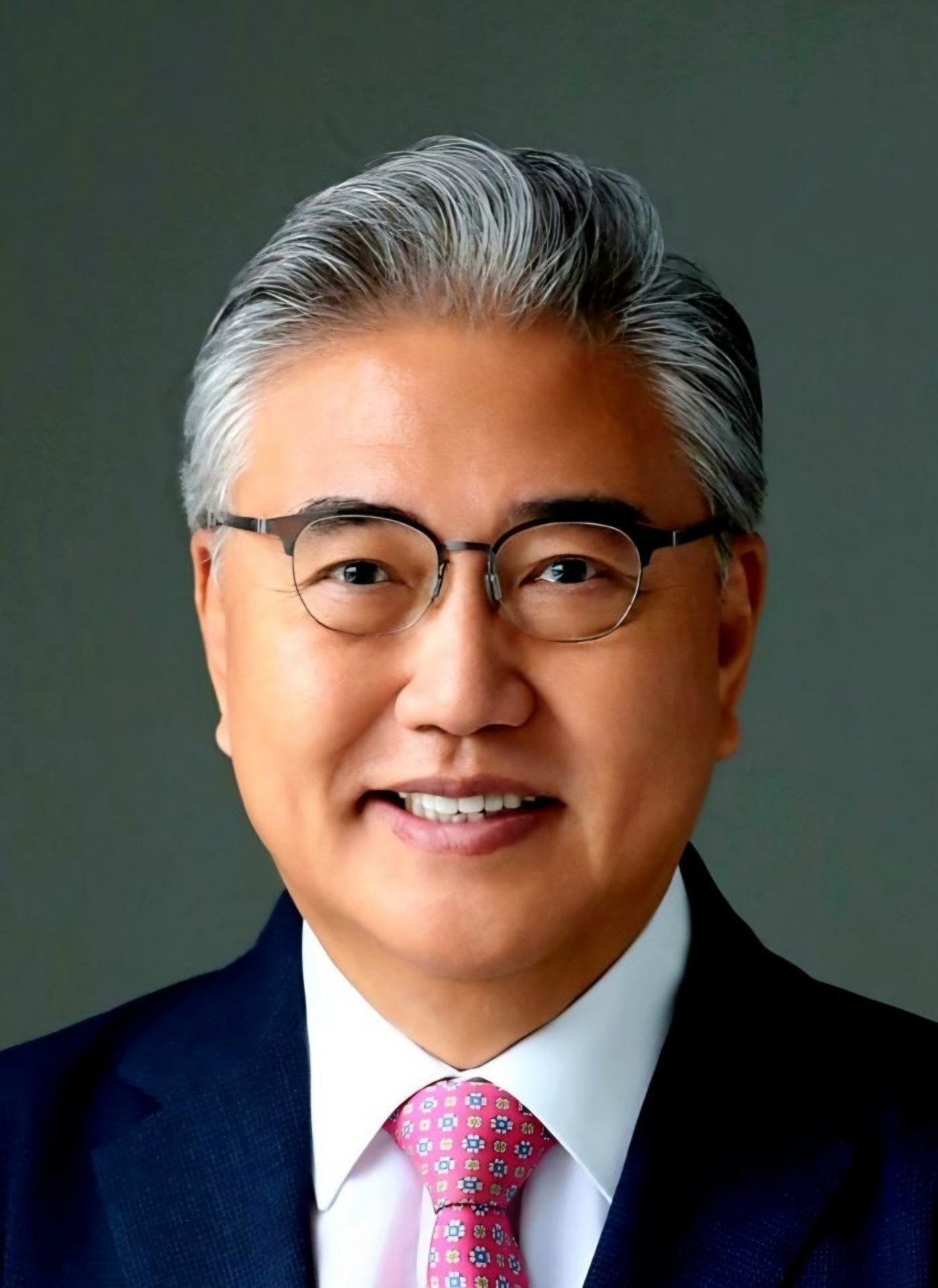
Park Jin
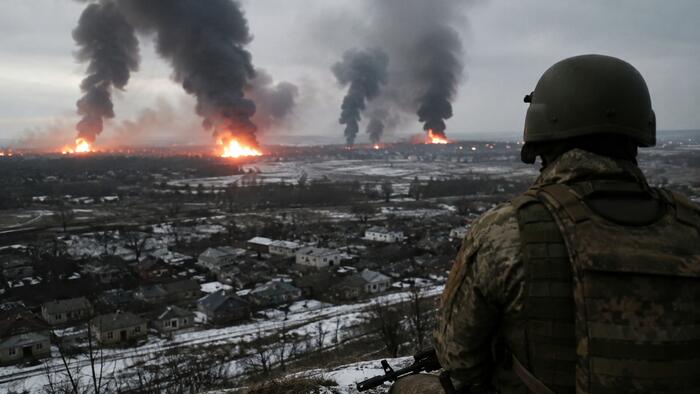
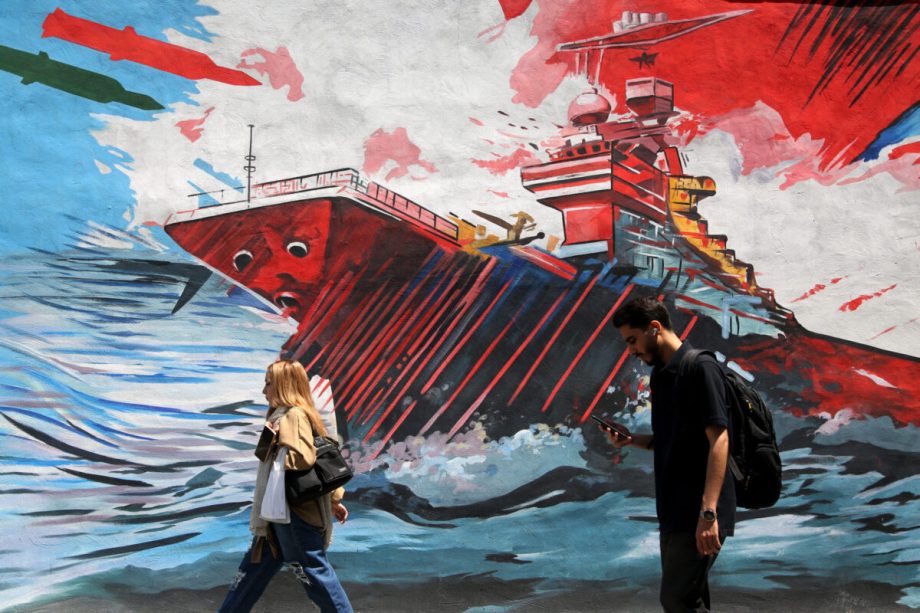
The year 2026 marks a profound turning point in the international order. The protracted war in Ukraine and the military confrontation in the Middle East surrounding Iran have destabilized vital international maritime routes, including the Strait of Hormuz, posing a grave threat to international peace.
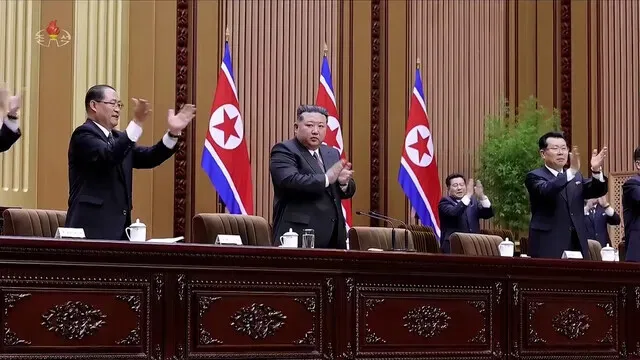
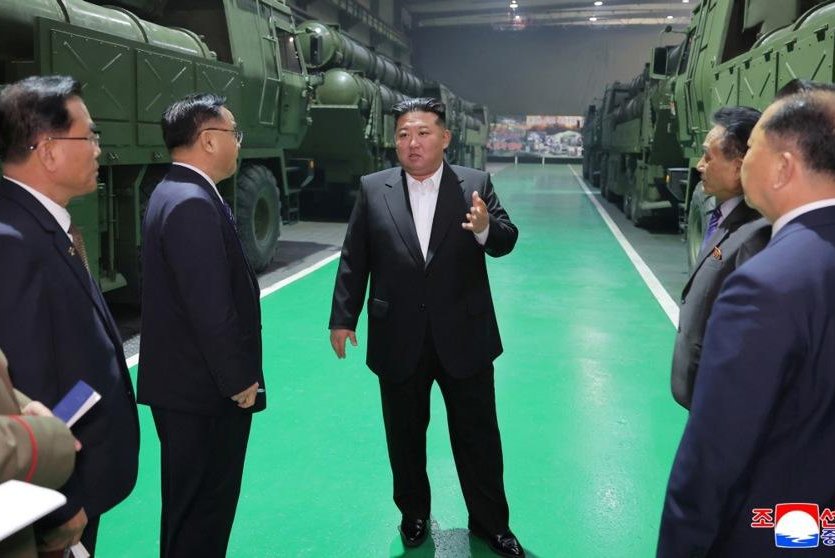
On the Korean Peninsula, North Korea's nuclear and missile programs continue to undermine regional security. Meanwhile, tensions in the Taiwan Strait and the South China Sea continue to intensify, while deepening geopolitical divisions are disrupting the global economy and supply chains. At the same time, fierce competition for technological supremacy and the digital transformation driven by the artificial intelligence (AI) revolution are reshaping not only industry and the economy, but also democracy, education, labor markets, ethics and the very fabric of human civilization.
The challenges of refugees and migration continue to grow more acute. Climate change — manifested in extreme heat, droughts, floods and wildfires — is no longer a distant threat but a daily reality confronting humanity. The specter of another pandemic also remains ever present.
The challenges confronting humanity today are inherently transnational; no nation, regardless of its power, can resolve them alone. What the world needs is not greater confrontation but deeper cooperation — not the law of the strongest, but the restoration of a wounded international order founded upon international law and universally accepted norms. Competition among states may be inevitable, but it can remain constructive only when conducted within a framework of commonly accepted rules. For this reason, the United Nations must continue to serve as the indispensable cornerstone of the international community.