Creating new perspectives since 2009
May 15, 2026 at 9:59 am
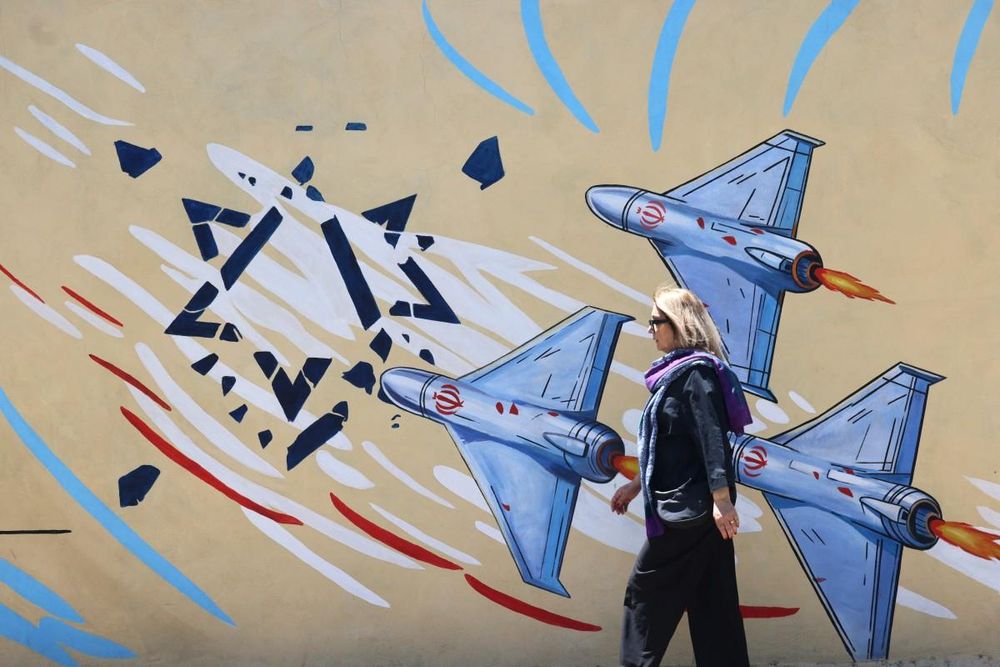
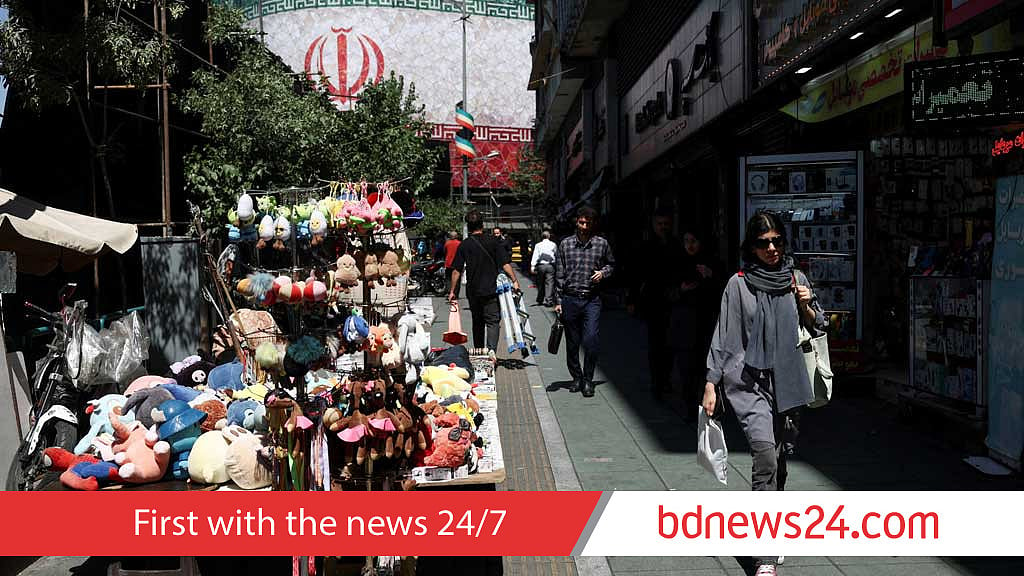
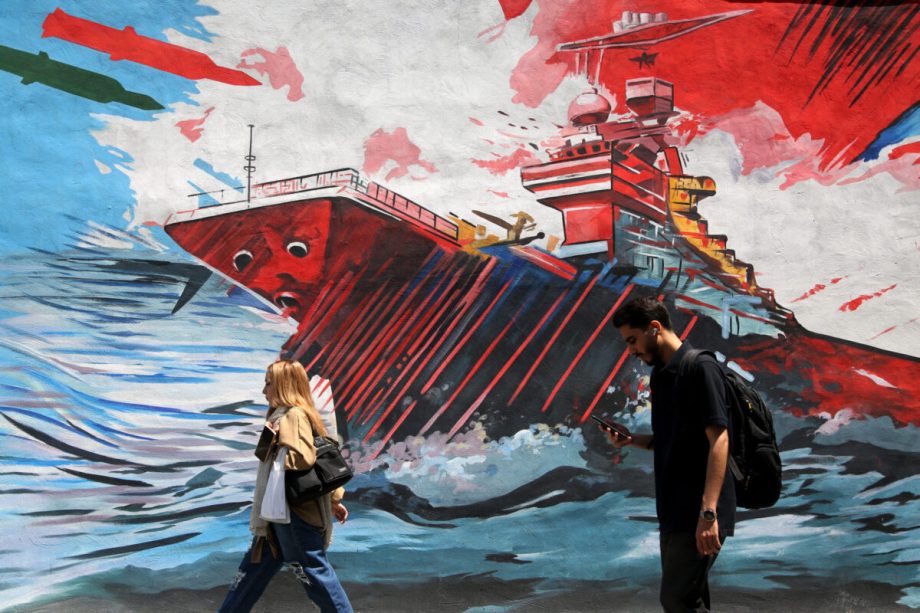
A view of streets as daily life continues amid fragile ceasefire in Tehran, Iran on May 12, 2026, as geopolitical tensions rise following recent statements from the United States. [Fatemeh Bahrami – Anadolu Agency]
The war on Iran stands as a revealing reflection of a profound structural shift in an international order that has been taking shape for years. The Iran conflict cannot be viewed merely as a passing regional crisis or a confrontation between rival powers confined to a specific geography. It represents a pivotal moment in the evolution of international relations. The war reflects the ongoing transition from a unipolar world order to a new and still undefined order, shaped by emerging forms of power born of the current era. The contours of this new order are unfolding amid mounting global challenges that may evolve into a cascading and imminent danger, a development that is far from unusual in periods of major conflicts and transformation within the international system.
In the aftermath of the Cold War, and with the emergence of Francis Fukuyama’s “End of History” thesis proclaiming the triumph of the United States over the Soviet Union, Washington came to dominate the international system as the world’s sole superpower, uniquely capable of shaping rules and imposing new global norms throughout the three decades that followed. This dominance was reinforced by Europe’s integration under the American security umbrella through the North Atlantic Treaty Organization (NATO), which gave the old continent a broad space to advance economically through deeper integration, while granting Washington an unprecedented monopoly over global power, backed by a cohesive Western alliance. These transformations faced little meaningful resistance from other major powers. Russia, as the successor to the Soviet Union, engaged with the Western economic system, while maintaining an awareness of its distinct national identity. China, meanwhile, cooperated with that same order, developing itself cautiously and deliberately, avoiding the confrontational posture that had long defined its image. Its rise, as a result, appeared gradual and largely peaceful. Within this integrated international order, regional conflicts remained confined mainly to their geographic boundaries, a defining characteristic of the unipolar era.