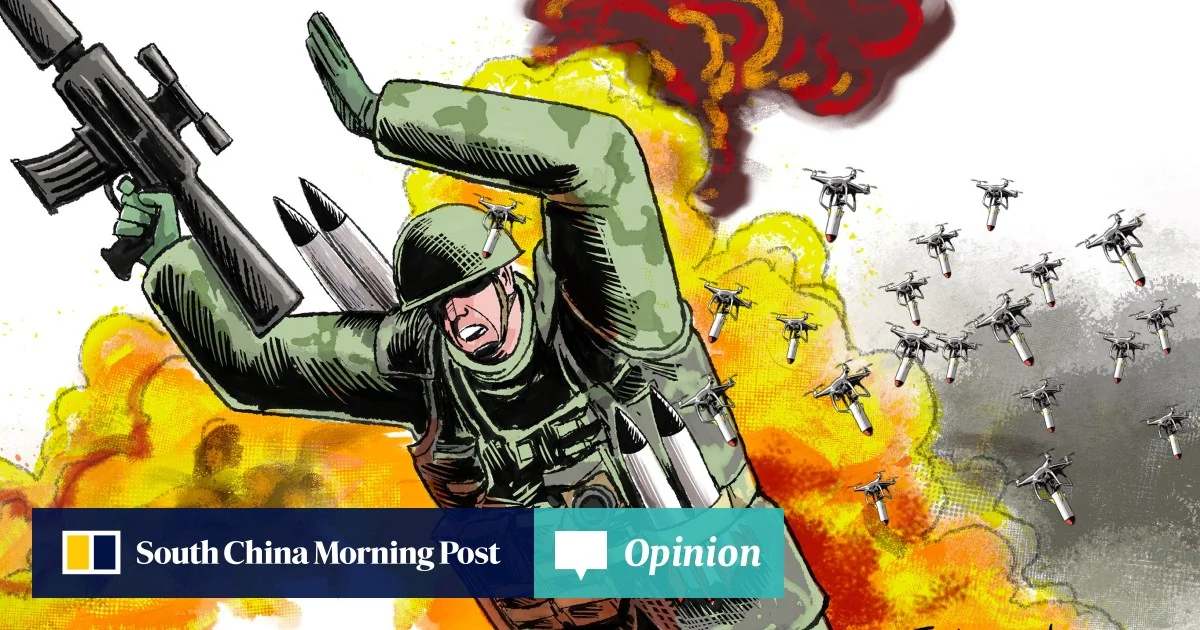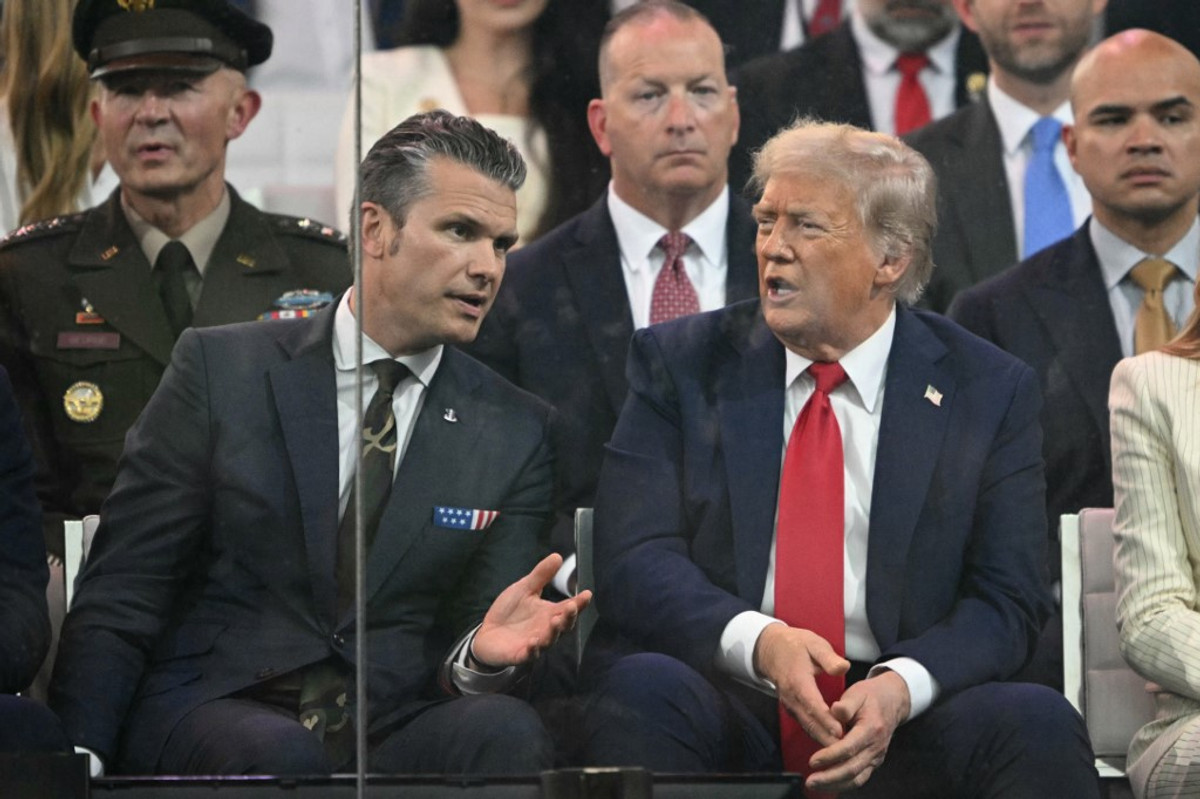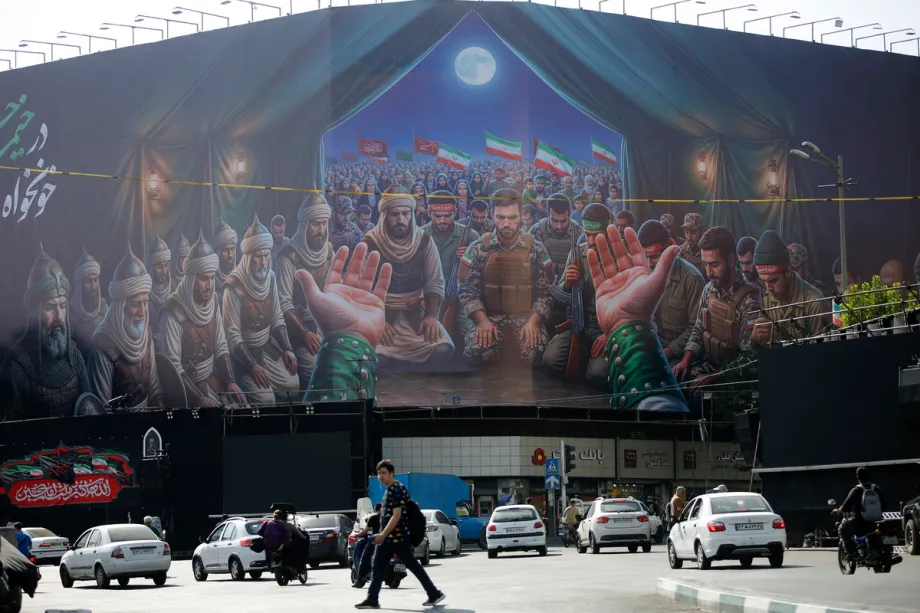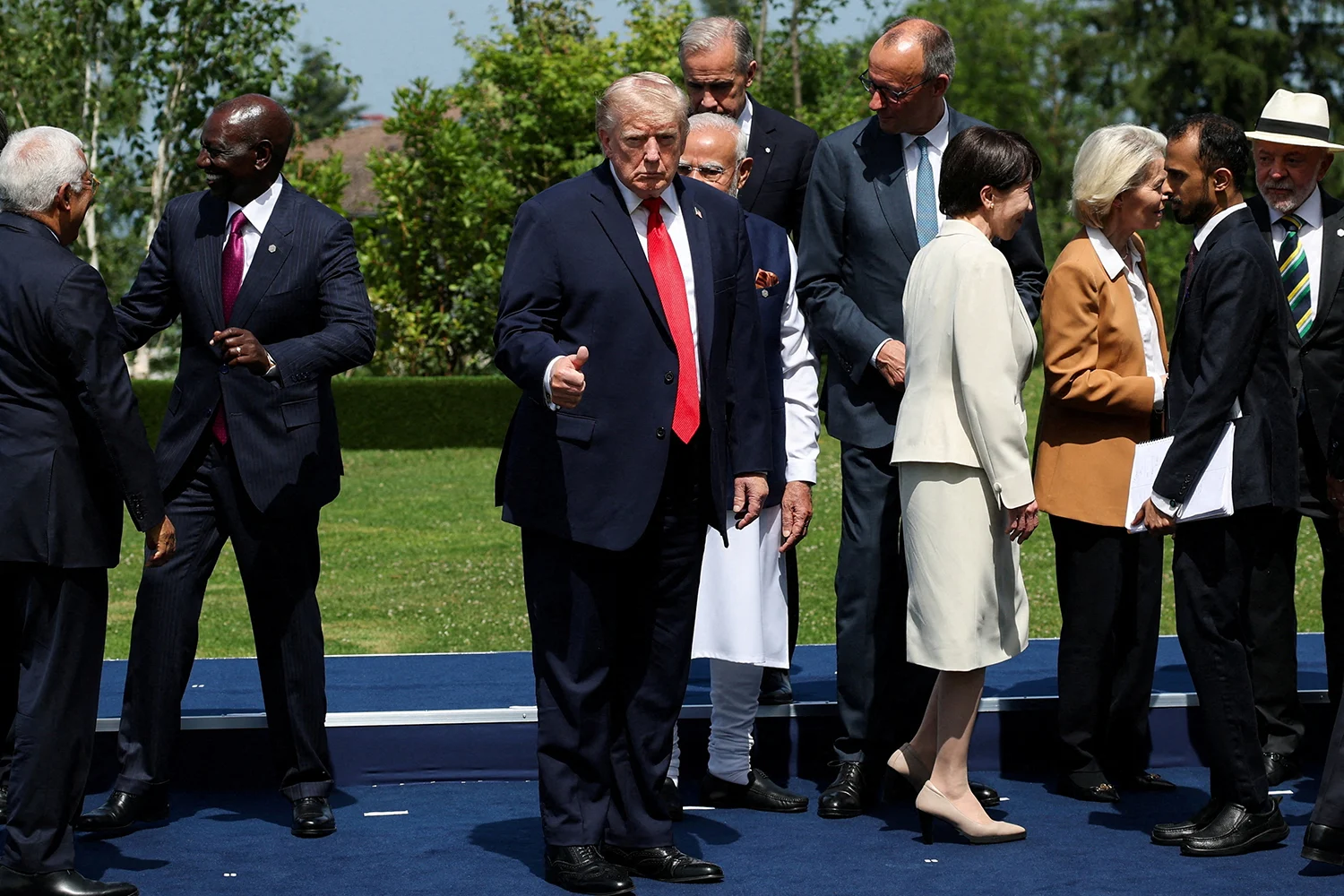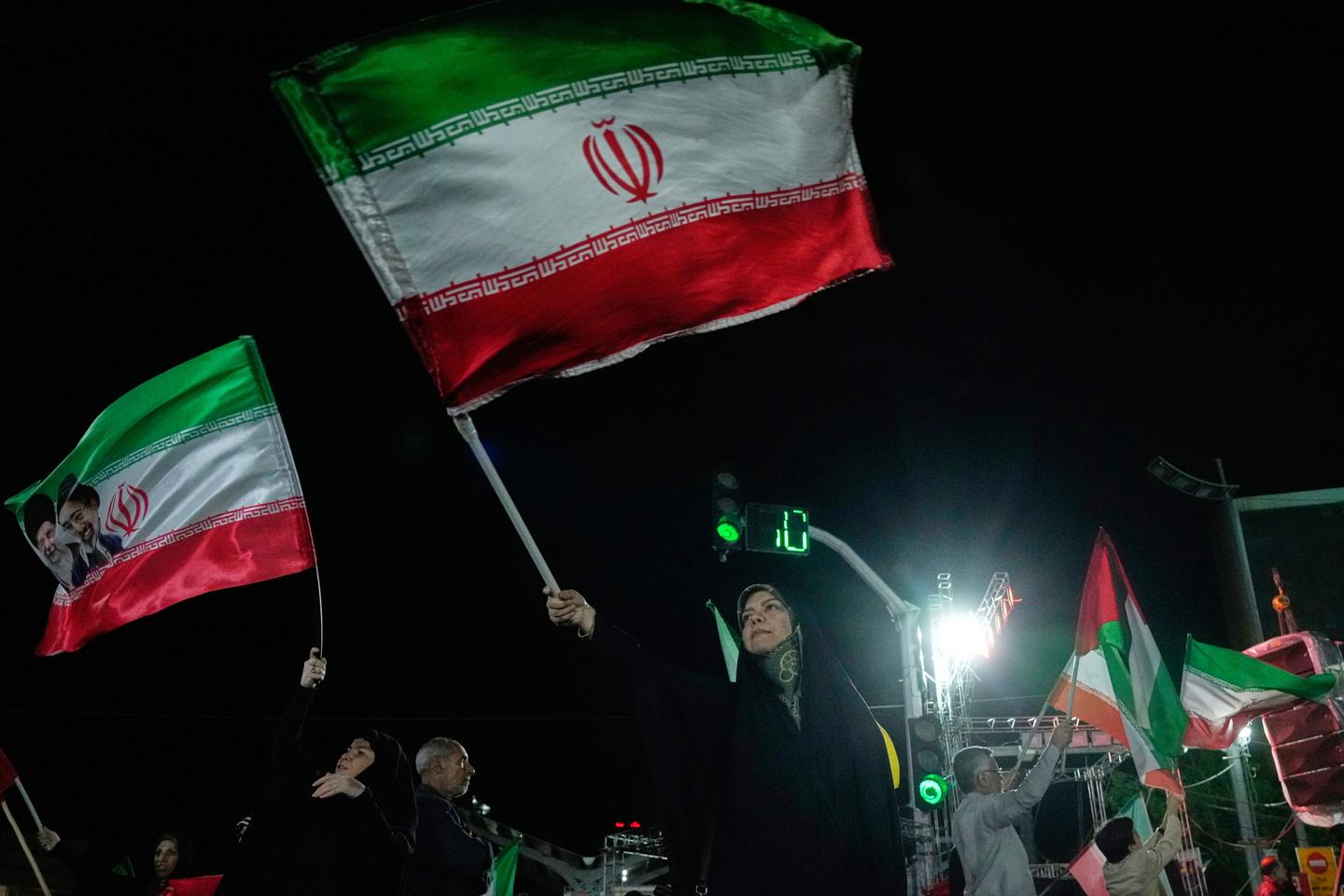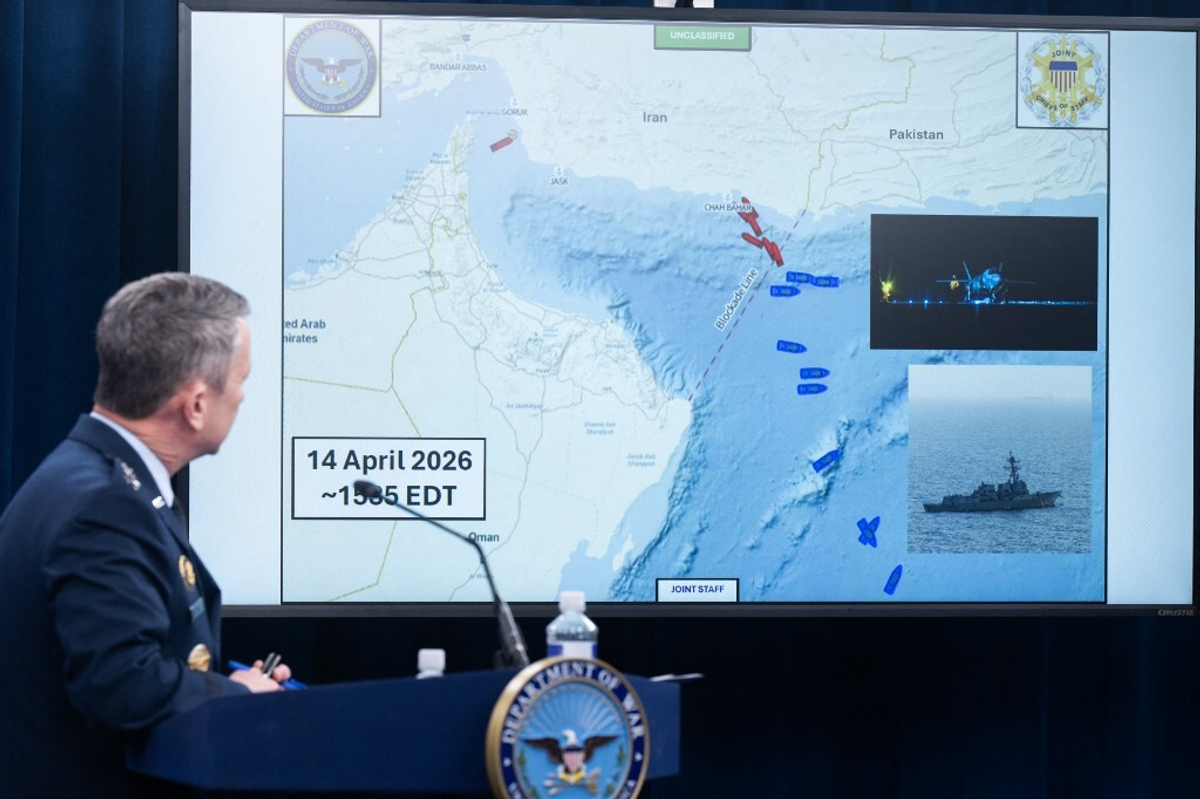
Trump’s war on Iran increasingly looks set to end in the US significantly rolling over to Iranian demands, and, eventually some JCPOA like agreement. Since its creation the Islamic Republic has searched for a deterrent against attack from the US. It had thought it had this with its nuclear program and its proxies.JOIN US ON TELEGRAMFollow our coverage of the war on the @Kyivpost_official. However, having a nuclear program without actually moving to a bomb proved to be the worst of both worlds - it failed to serve as a deterrent, instead getting it attacked first in the 12-day war in 2025 and then again in Gulf War III. And its proxies similarly proved to be little deterrent, as long as Iran did not want to risk going to war in their defense. Israel and the 12-day war significantly reined in Iran’s proxies. In the end in launching Gulf War III, and making the war existential from the outset, by taking out the Supreme Leader, and talking about the desire for regime change, Trump left Iran little choice but to escalate by attacking nearby Gulf states and closing the Straits. In forcing Iran to react for its own survival, Trump gifted Iran the deterrent it thought it originally had in nukes and proxies. But the real deterrent has proved to be its ability to strike Gulf economies with drones and missiles and to close the straits, thereby impacting the global economy by disrupting global supply chains and then global markets. The close proximity of Gulf states, their diversification strategies to make them lynchpin to global supply chains, including but beyond oil, and the changing nature of warfare with the rise of drones, and the difficulty in defending against such threats, gifted Iran newfound leverage.
Bigger Geopolitical Take Outs from Iran War
The author argues Trump’s war with Iran ultimately strengthened Tehran, exposed limits of US power, destabilized Gulf alliances, and accelerated geopolitical shifts favoring China, Türkiye, and Ukraine.
3,637 words~17 min read