T
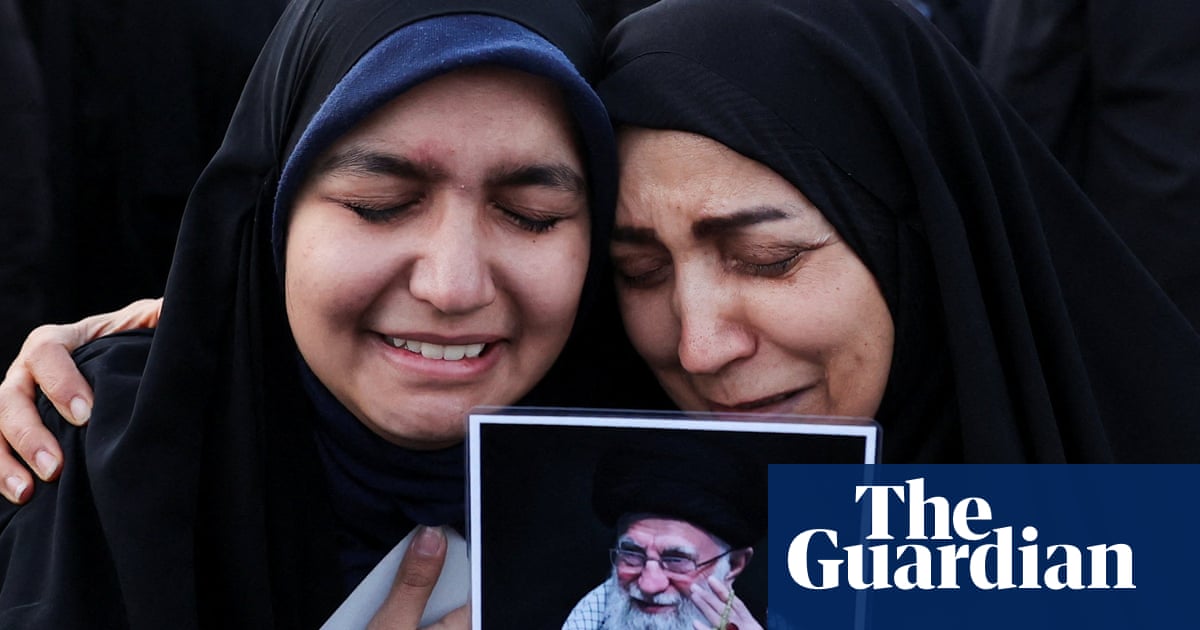
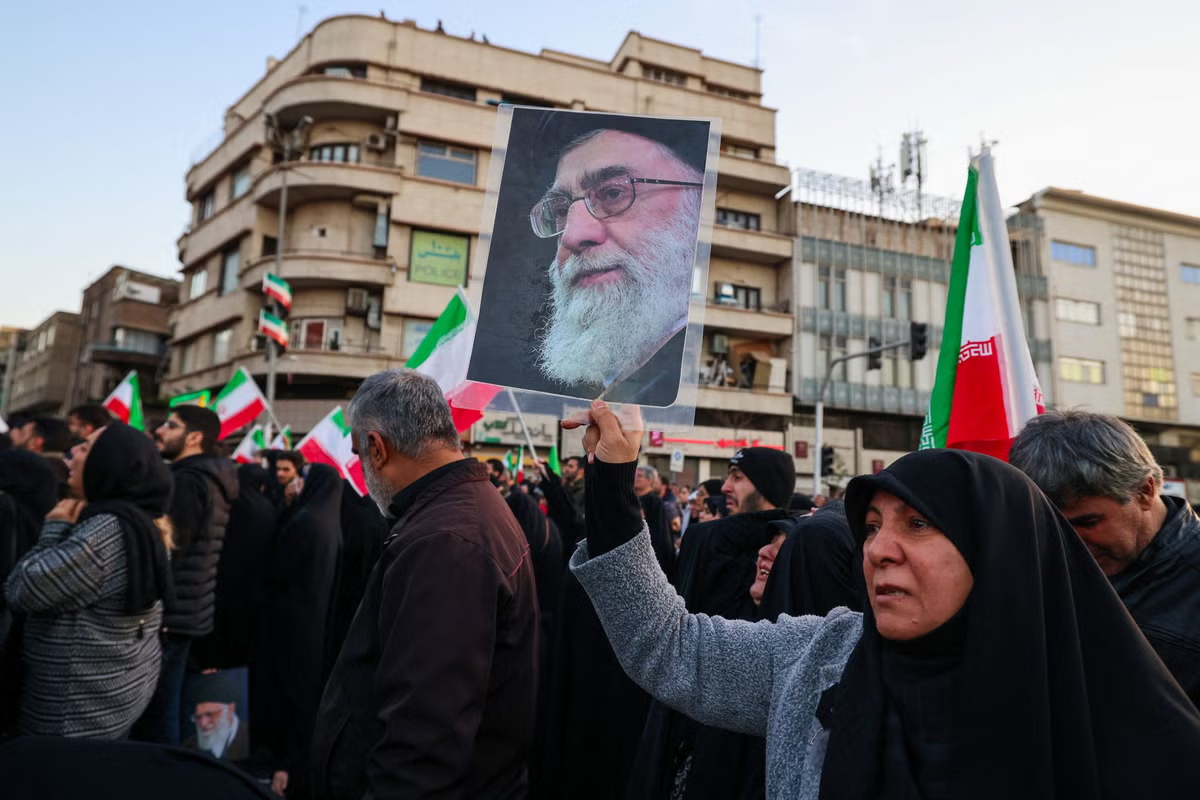
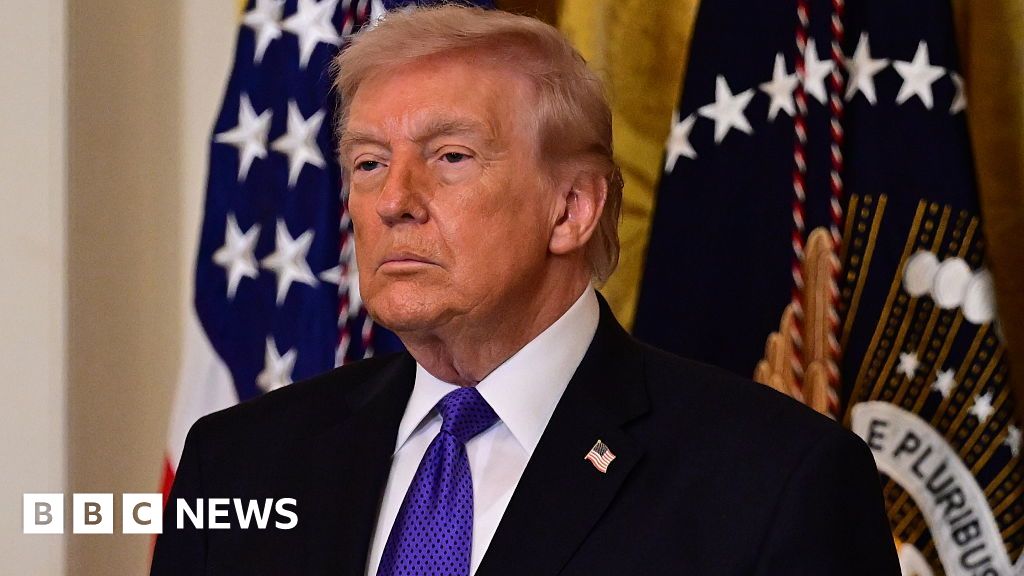
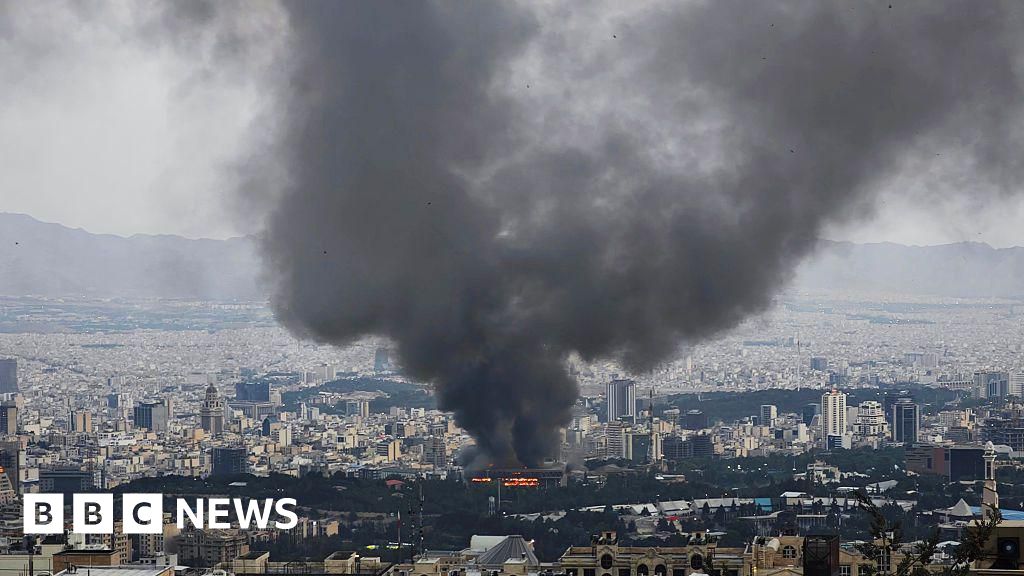
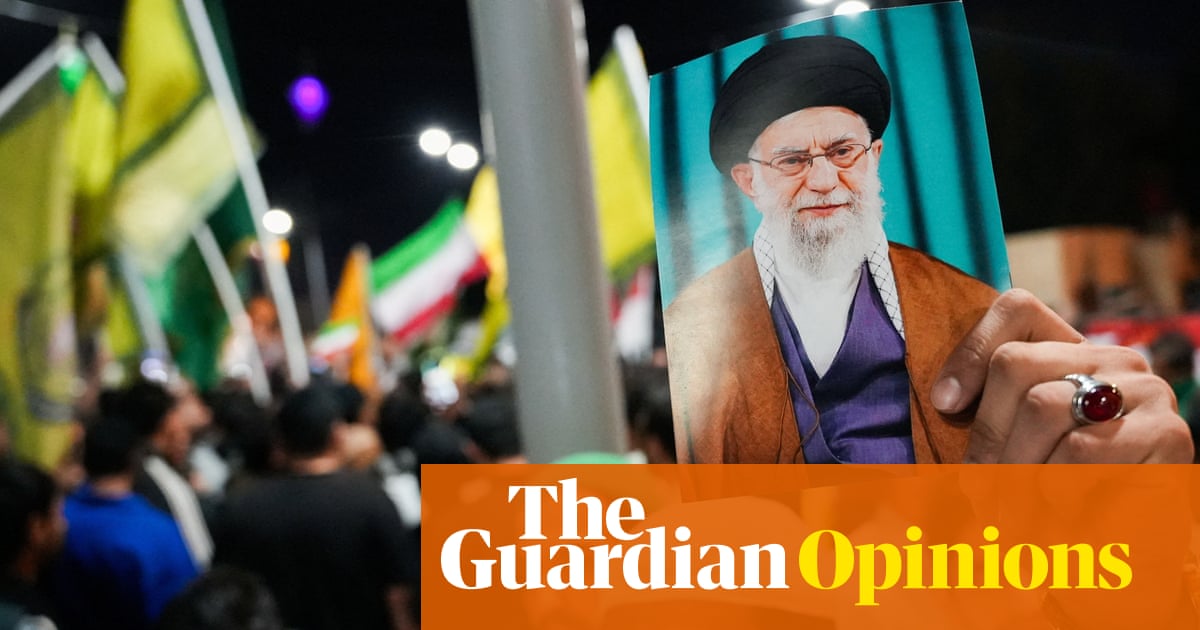
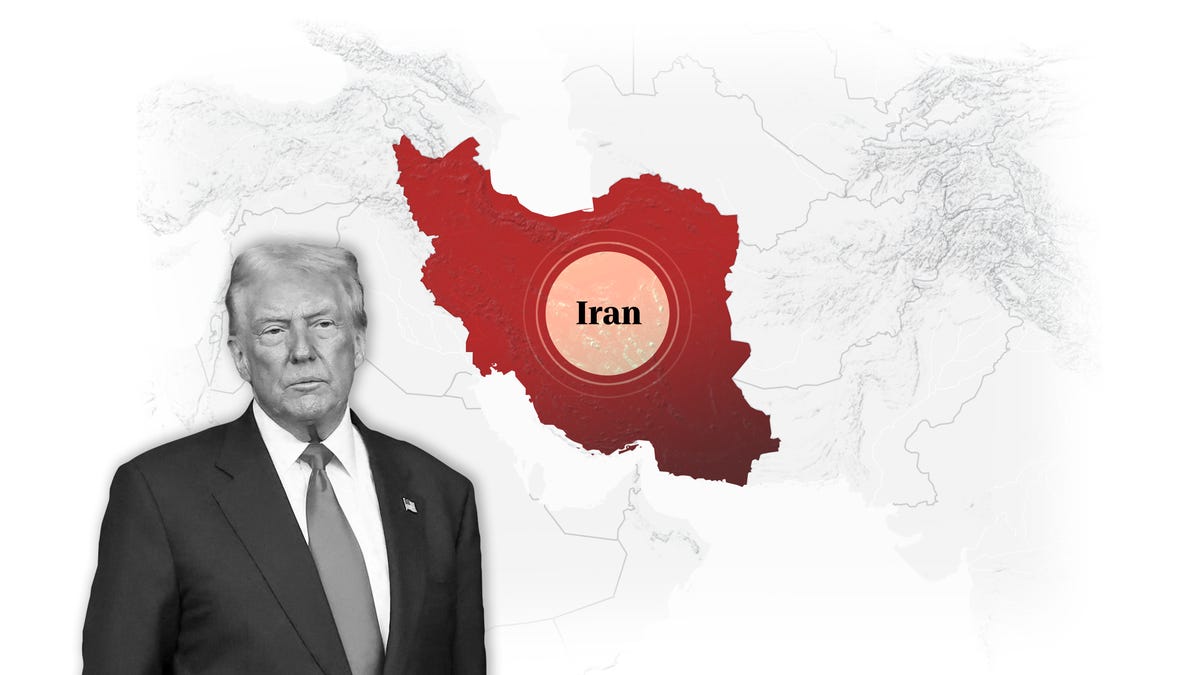
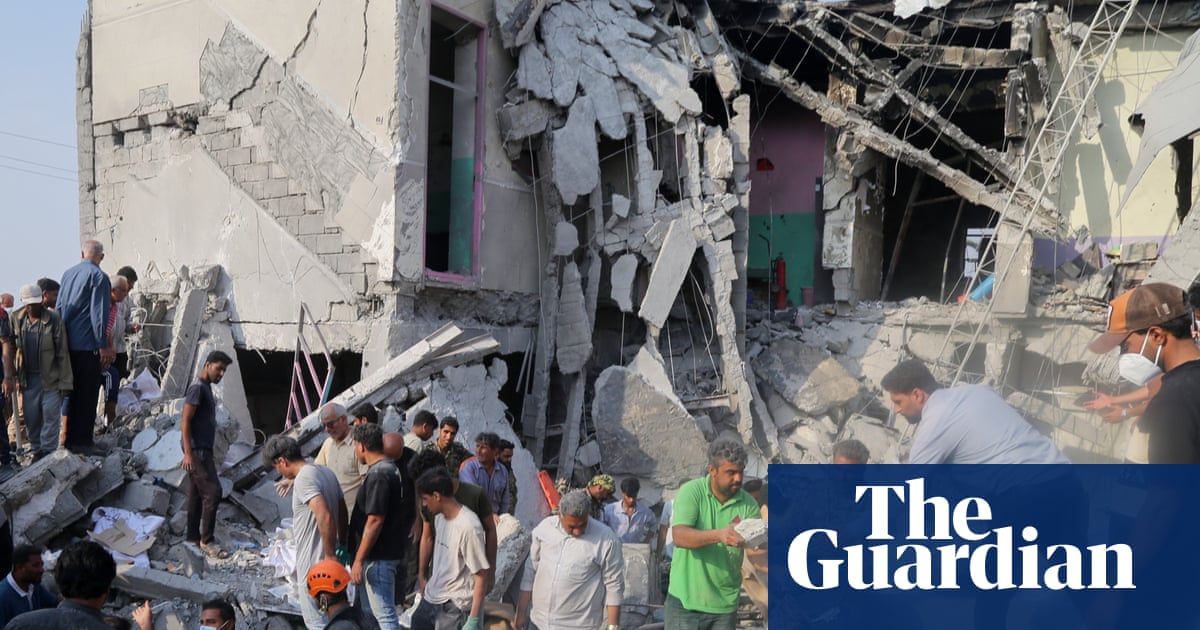
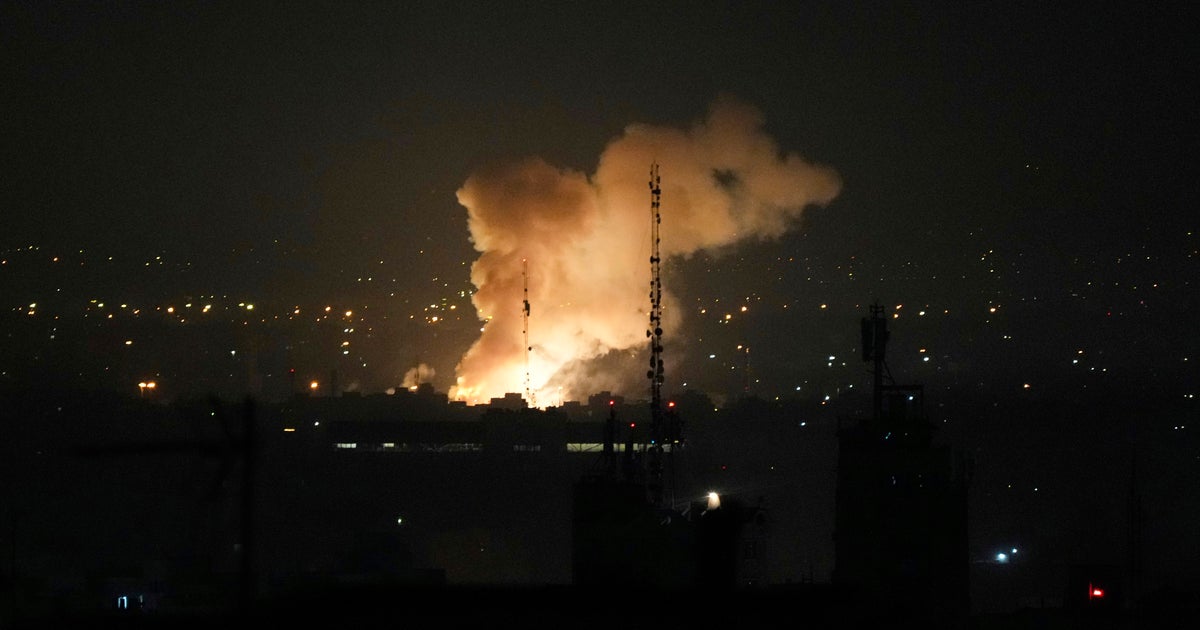
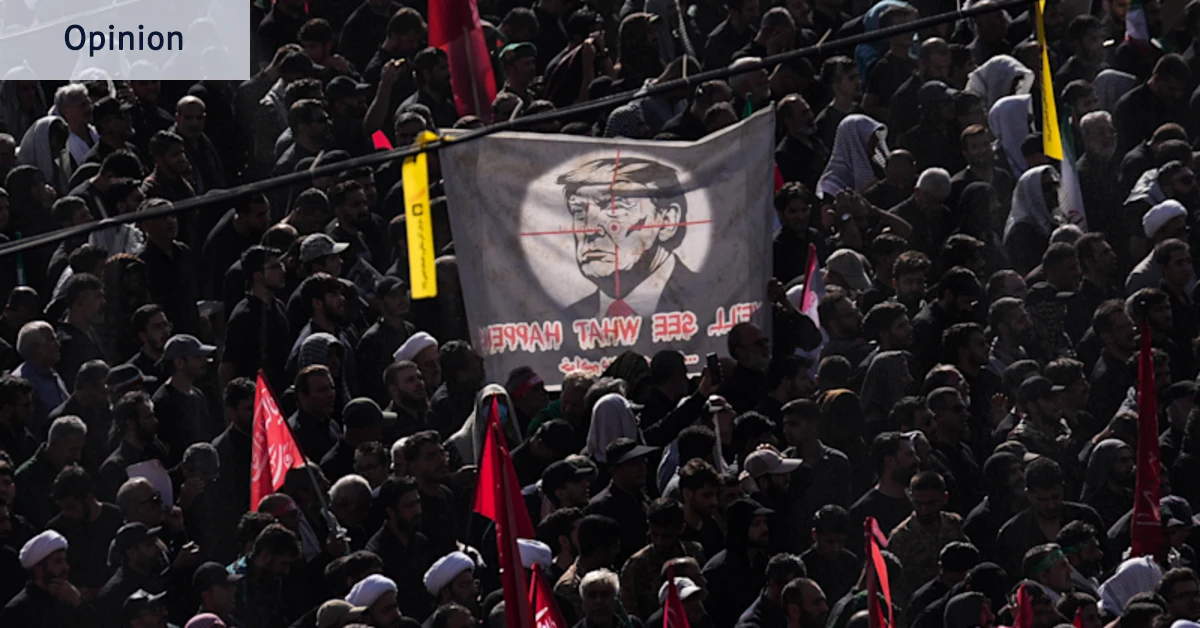
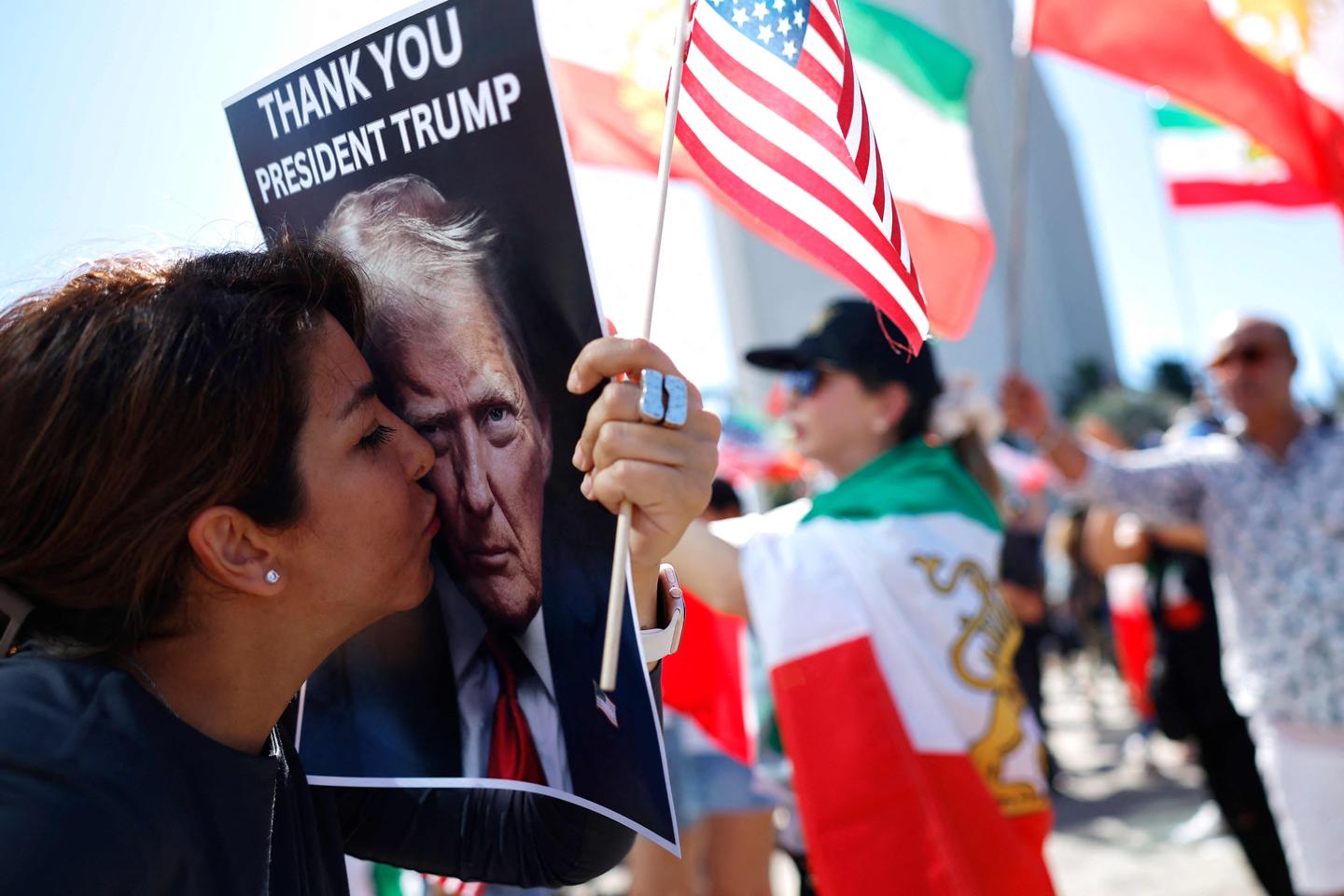
he cheers heard in Tehran as soon as the death of Ali Khamenei, supreme leader of the Islamic Republic since 1989, was announced on Saturday, February 28, served as his epitaph. His assassination during the first wave of US-Israeli bombings confirmed that Donald Trump and Benjamin Netanyahu's goal is regime change in Iran. In fact, this massive attack was not a response to any emergency. Contrary to what Trump claimed in his speech accompanying the first strikes, there were no "imminent threats" to "the American people" to justify it.
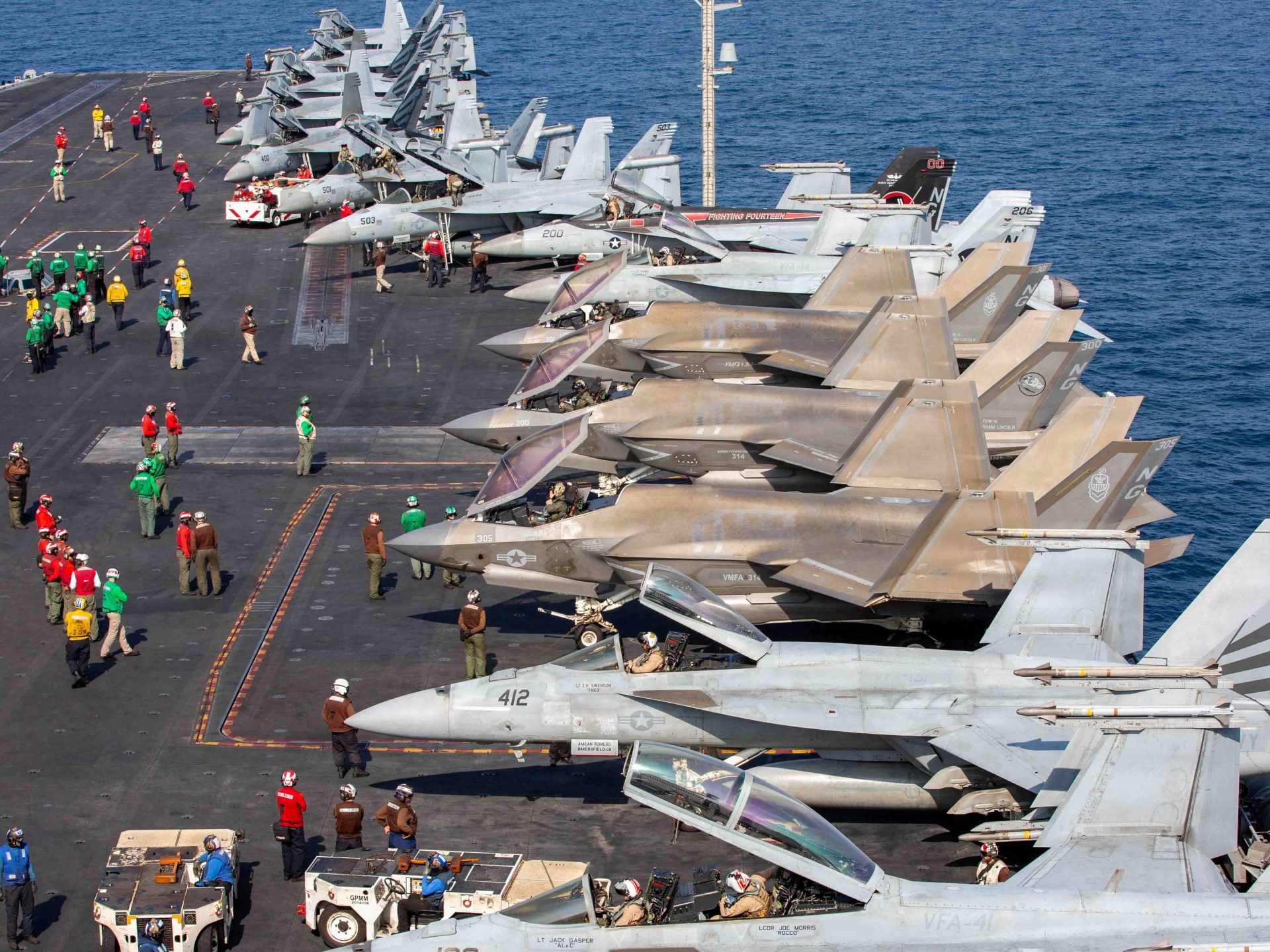
Since April 2024, the Iranian regime has been severely weakened militarily by three rounds of direct confrontation with Israel, which received reinforcements from the United States in June 2025. On that occasion, Trump was quick to declare that the Iranian nuclear program, which had become the core of nearly half a century of confrontation between Tehran and Washington, had been "destroyed." The network of Iran's regional allies, patiently built by the regime to maximize its capacity for disruption, had also been significantly diminished by Israeli bombings after the October 7 massacres carried out by Hamas, the Palestinian movement backed by Tehran.
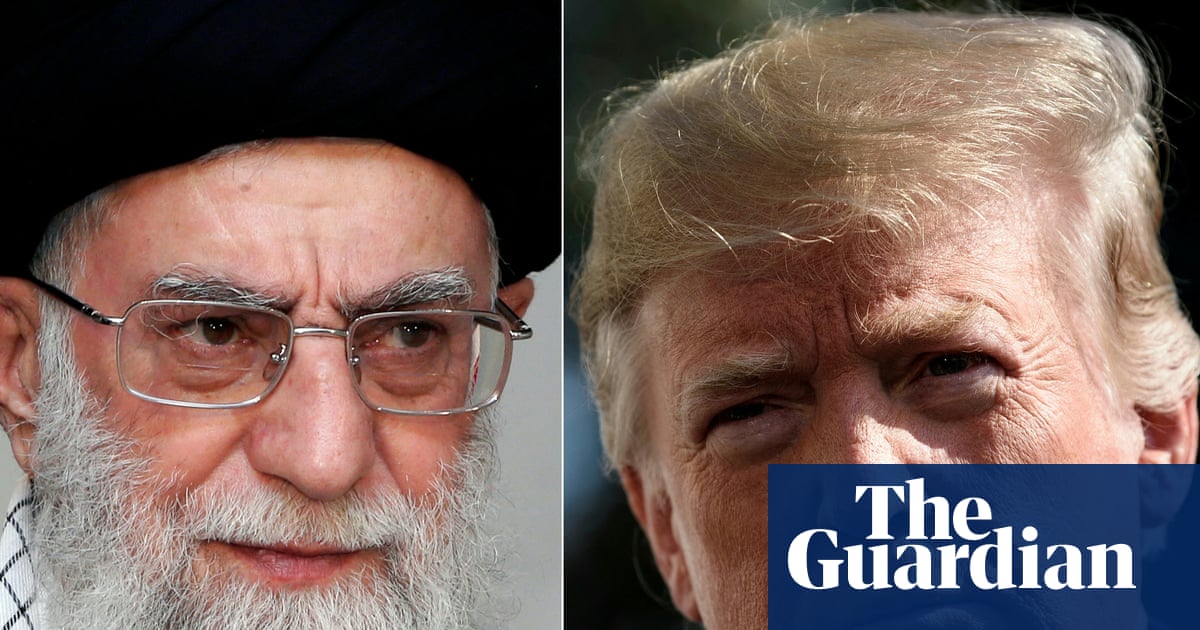
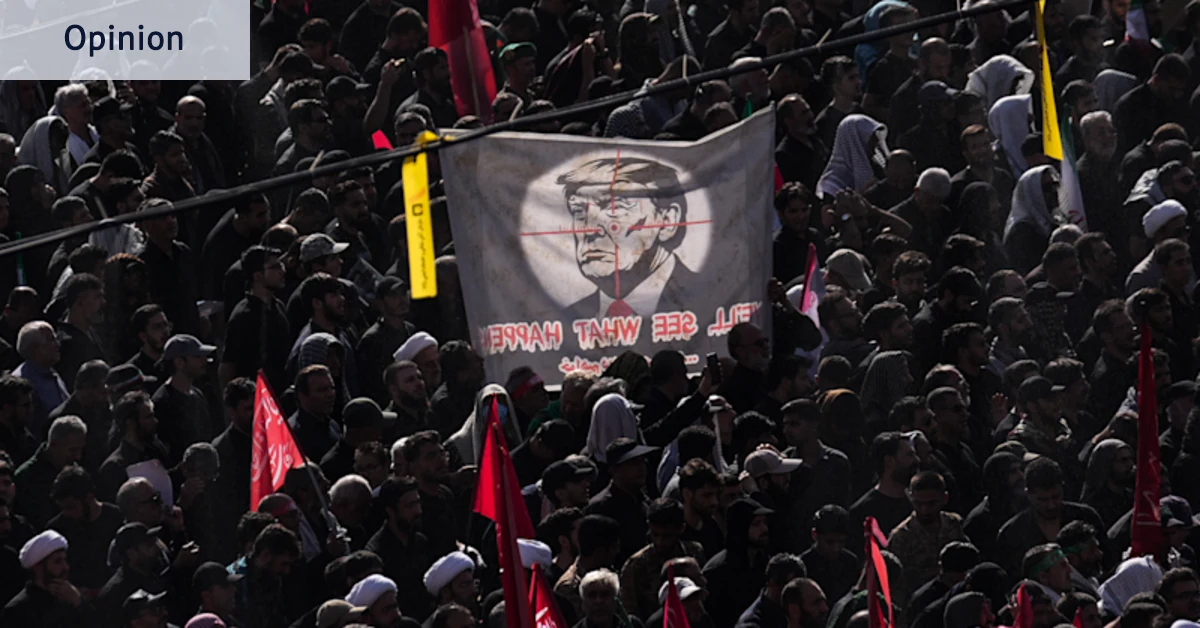
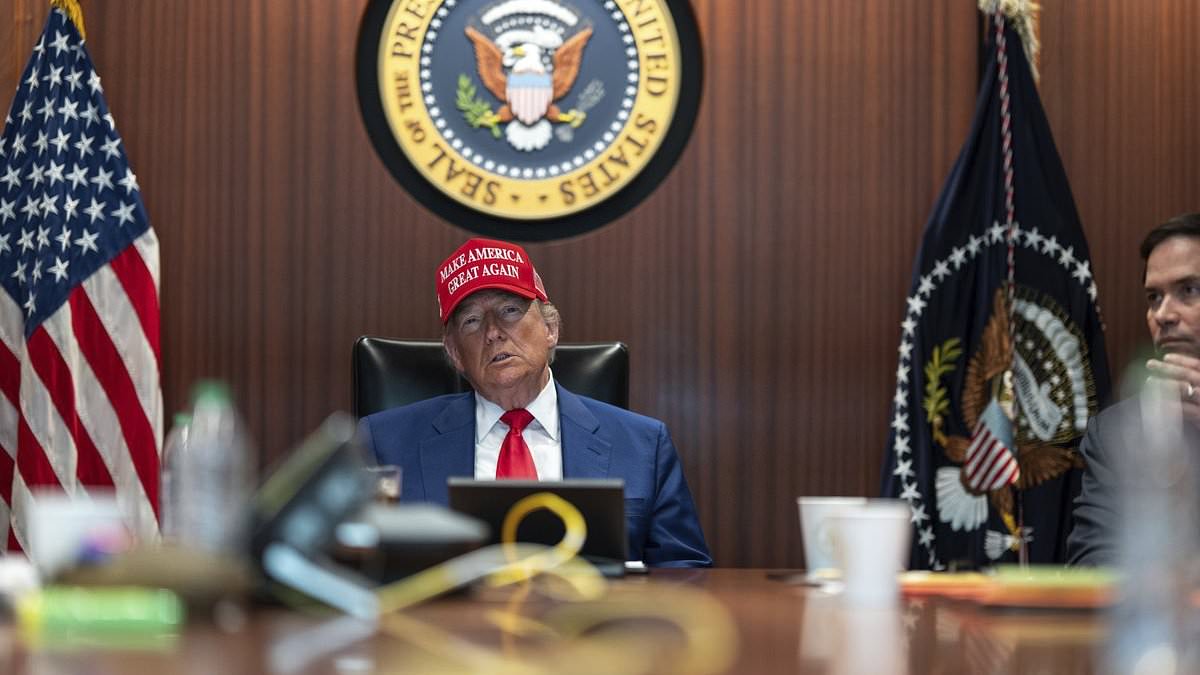
Confident of an easy victory, Trump embarked on a war of choice, the mechanism for which he had set in motion nearly eight years ago, on May 8, 2018. At that time, he withdrew his country from the international agreement painstakingly negotiated by his predecessor, Barack Obama, which sought to address Iran's nuclear ambitions through diplomacy.