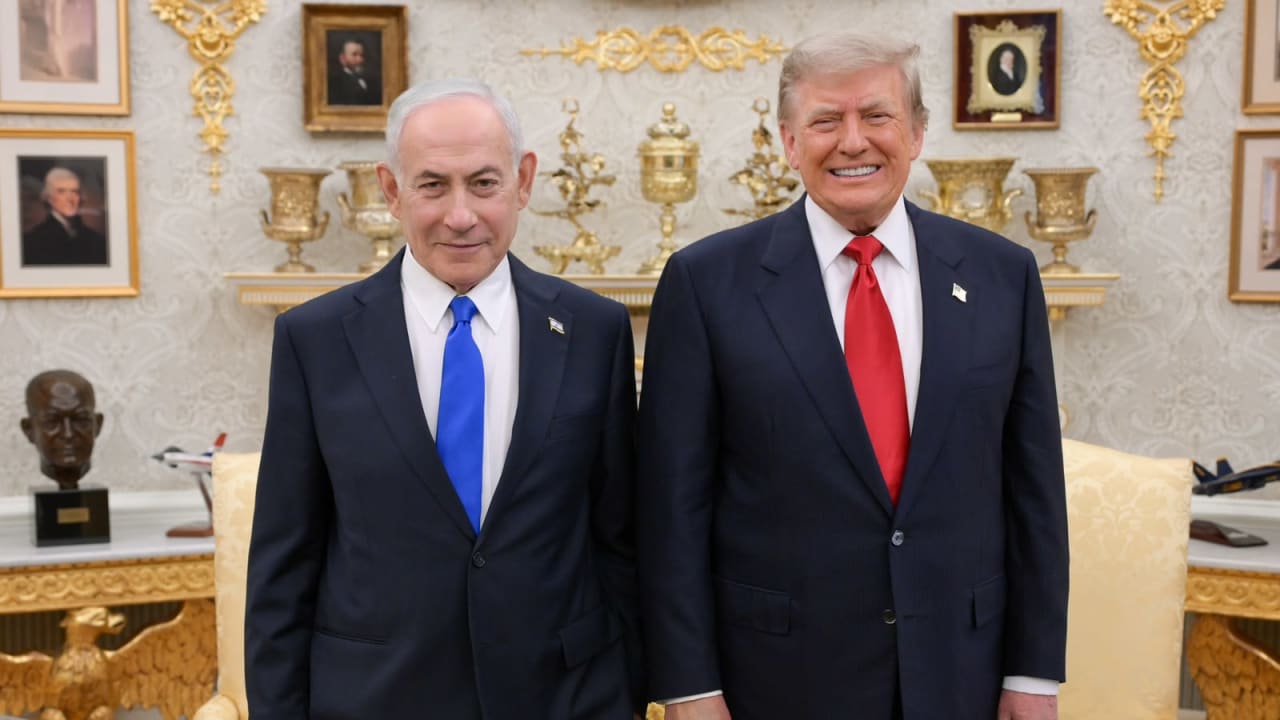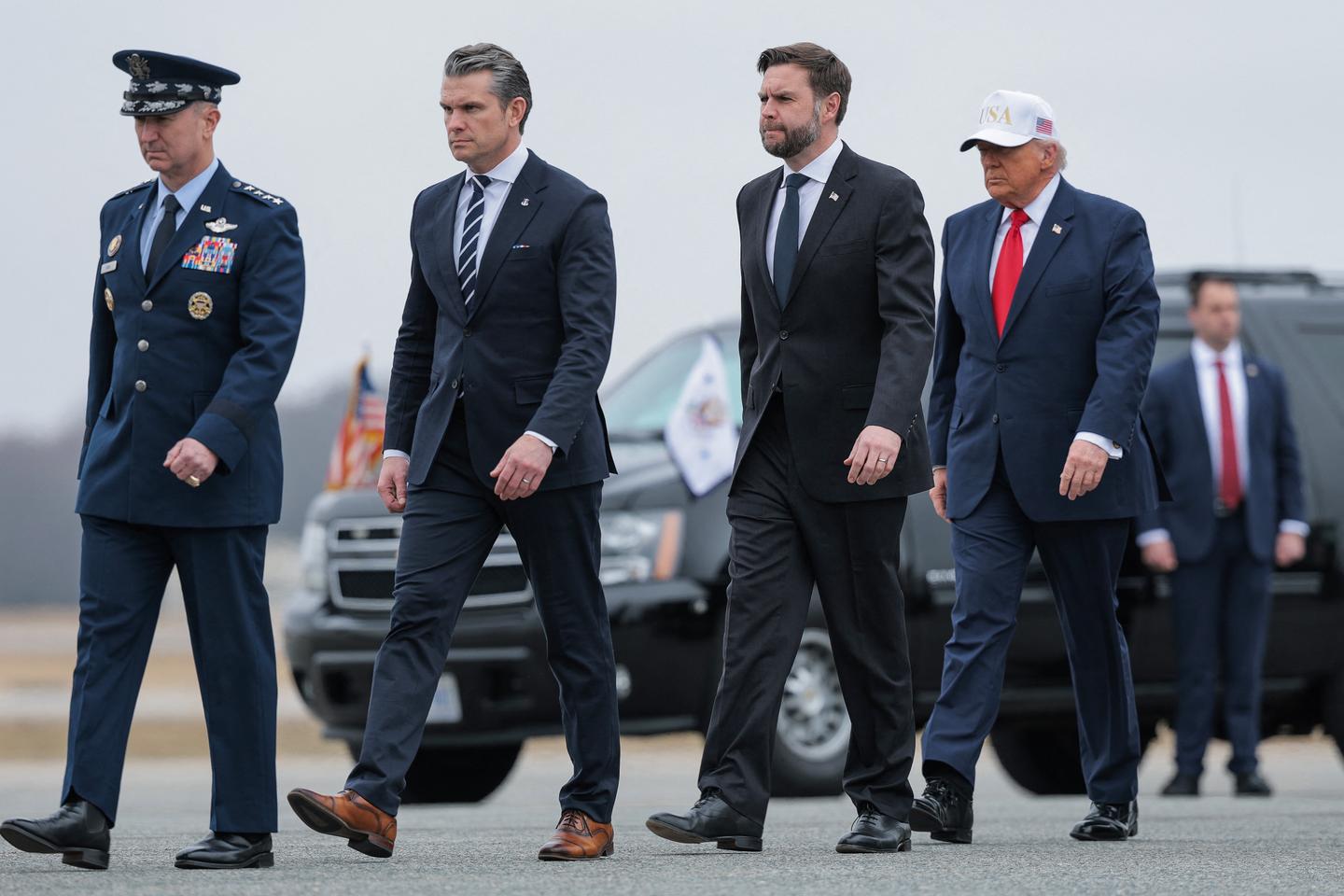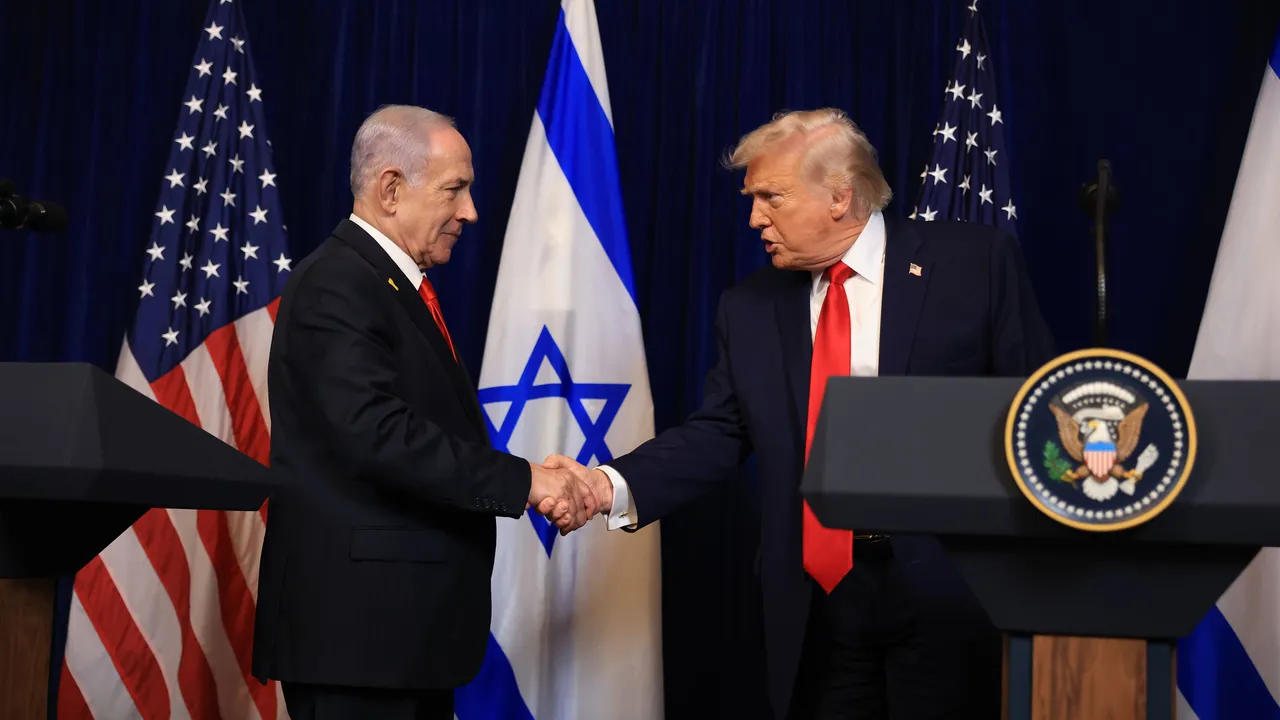
BEIRUT, Lebanon, Dec. 19 (UPI) -- The conflict-ridden Middle East will stand at a critical juncture in 2026 after power shifts and unresolved wars, teetering between an uneasy status quo, the risk of deepening conflict, and a gradual path toward de-escalation and stability rather than peace or big open war.
The region's trajectory, however, will largely depend on U.S. President Donald Trump's continued engagement and "peace ambitions" in resolving its various conflicts, restraining Israel, containing Iran and defusing the risk of a full-scale war, according to political analysts.
U.S.-mediated -- but fragile -- cease-fires in Gaza and Lebanon, Israeli Prime Minister Benjamin Netanyahu's determination to pursue his "Greater Israel" dream, Iran's efforts to preserve its nuclear program and protect its Shiite armed groups, and Syria's new leadership's struggle to stabilize and rebuild have left the region highly volatile and fragile.
To Mona Yacoubian, director of the Middle East Program at the Center for Strategic and International Studies in Washington, 2026 promises to be "a defining year" for the Middle East.
Related