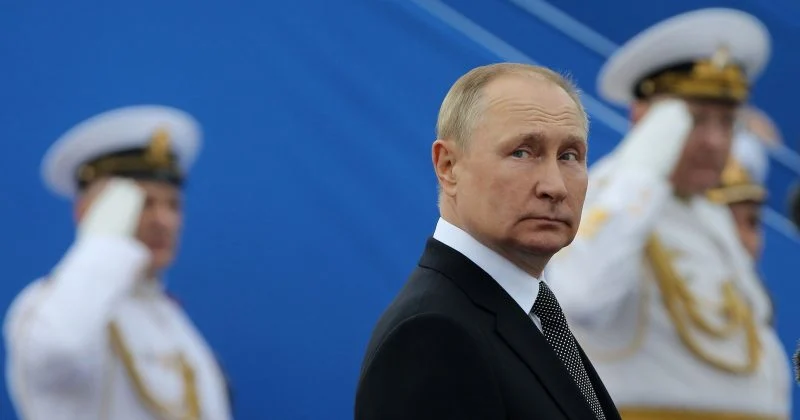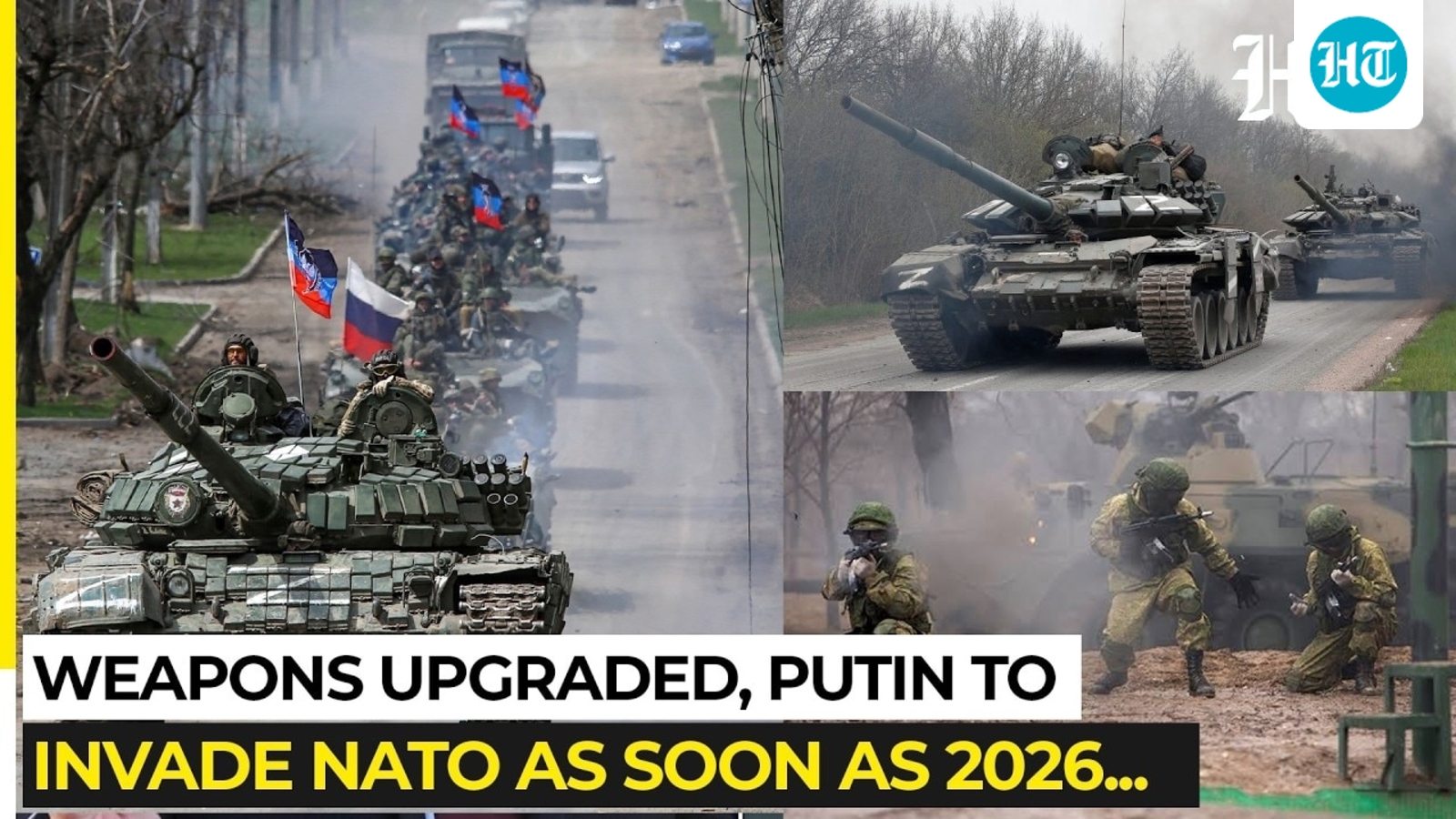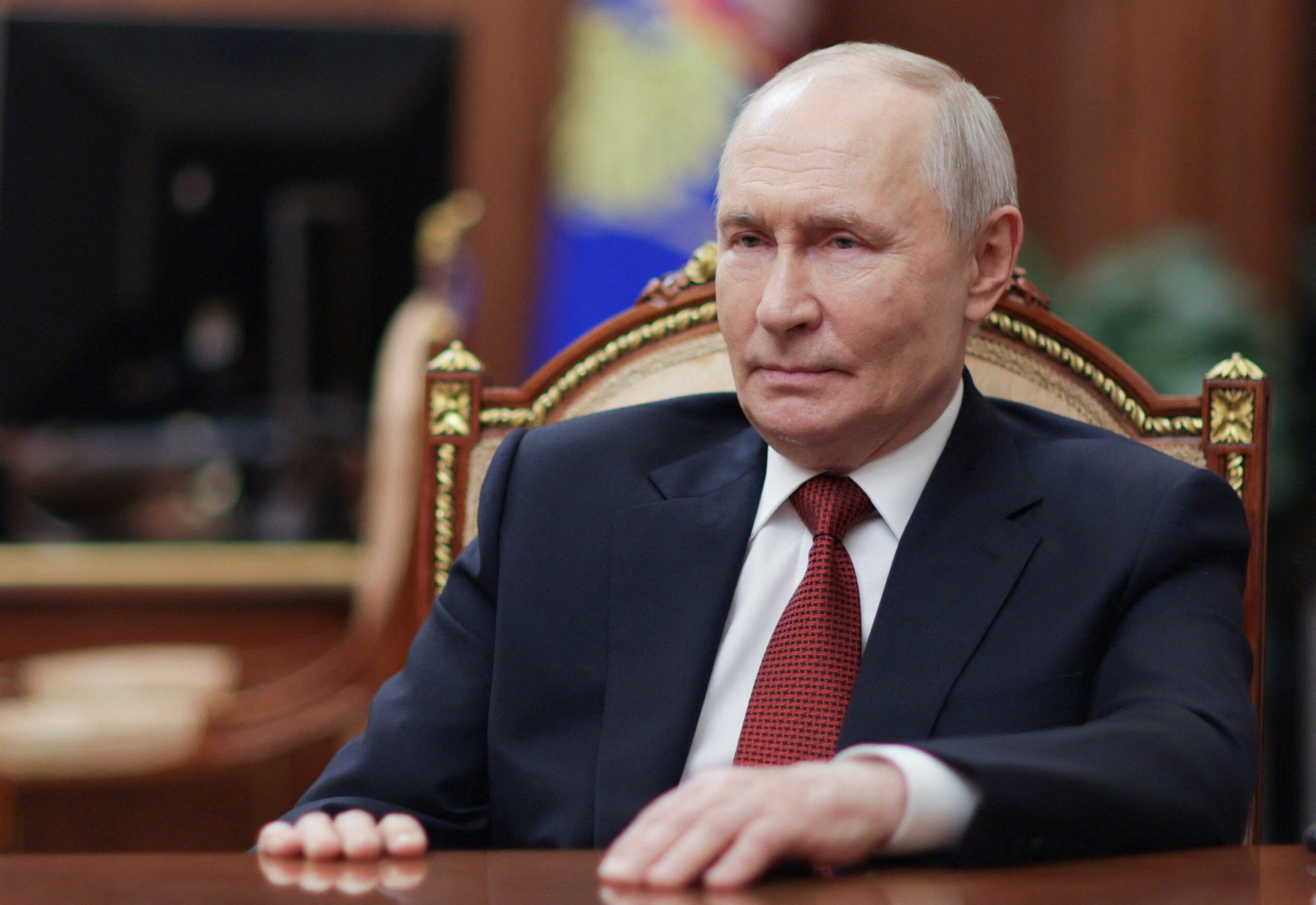
Russian President Vladimir Putin could potentially attack NATO within weeks, according to a series of new United States intelligence assessments. These latest reports follow a number of similar recent warnings from NATO capitals, highlighting growing concerns within the alliance that Putin may be considering a dramatic escalation as he seeks to break the strategic deadlock in his faltering Ukraine invasion.
US officials believe any Russian attack on NATO would likely be limited in scope, with the goal of undermining alliance unity and testing the resolve of individual member countries rather than threatening a major war. One widely discussed scenario would involve Russian troops launching a minor border incursion into the Baltic region. If allies then failed to respond robustly, this would make a mockery of the NATO commitment to collective security and place the future of the alliance in doubt.
The current debate over a possible Russian attack on NATO reflects the alliance’s failure to maintain credible deterrence against its far weaker adversary amid an unprecedented rise in tensions over the invasion of Ukraine. On paper, at least, this makes little sense. After all, the power of the NATO alliance completely dwarfs Russia’s much smaller military and economic potential. In practice, however, it is increasingly apparent that Putin has managed to seize the initiative in this unequal confrontation by exploiting the West’s crippling fear of escalation.