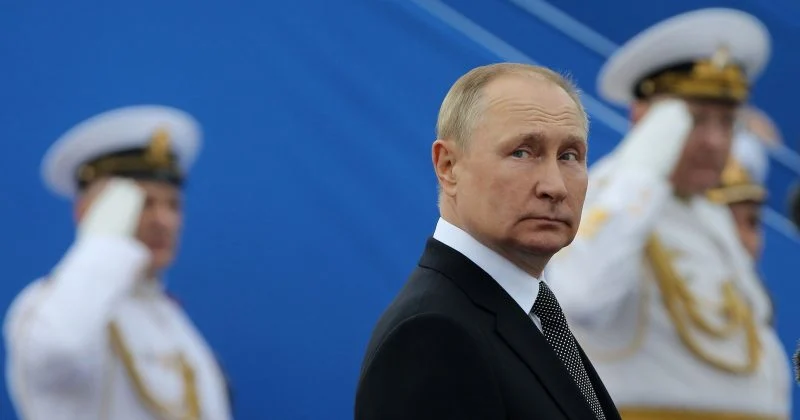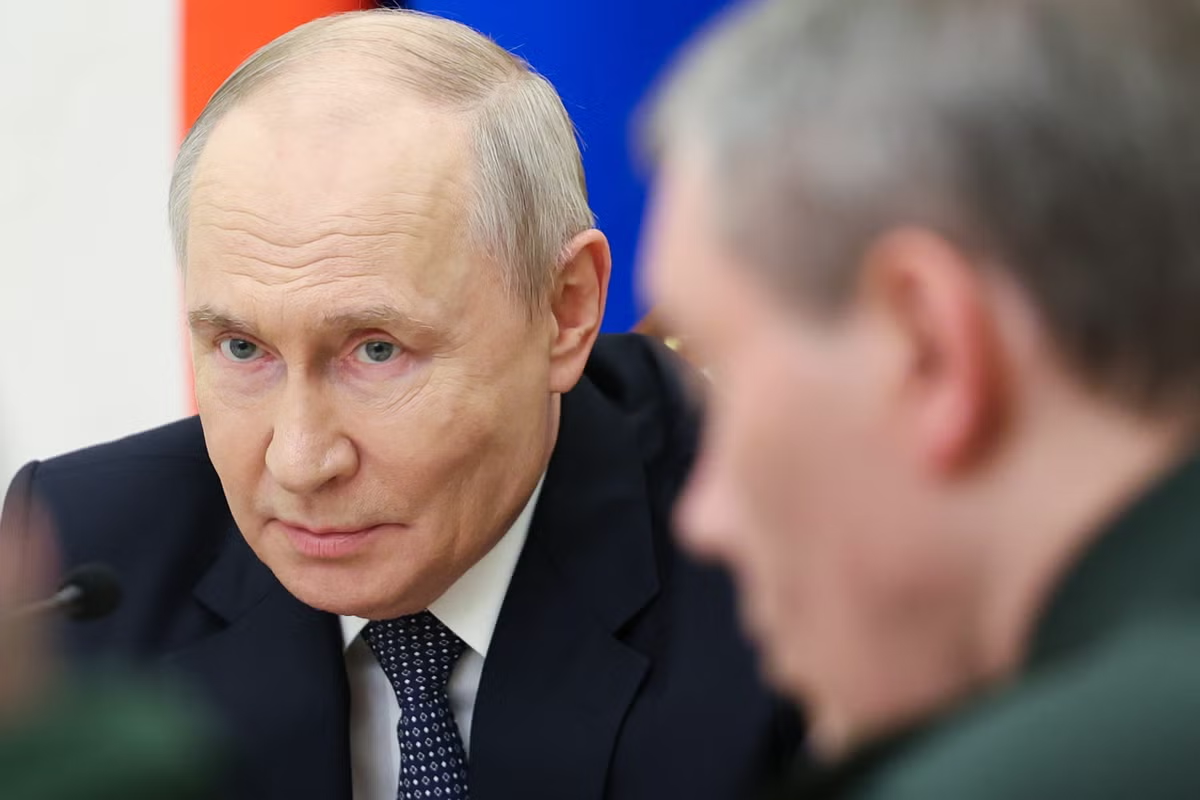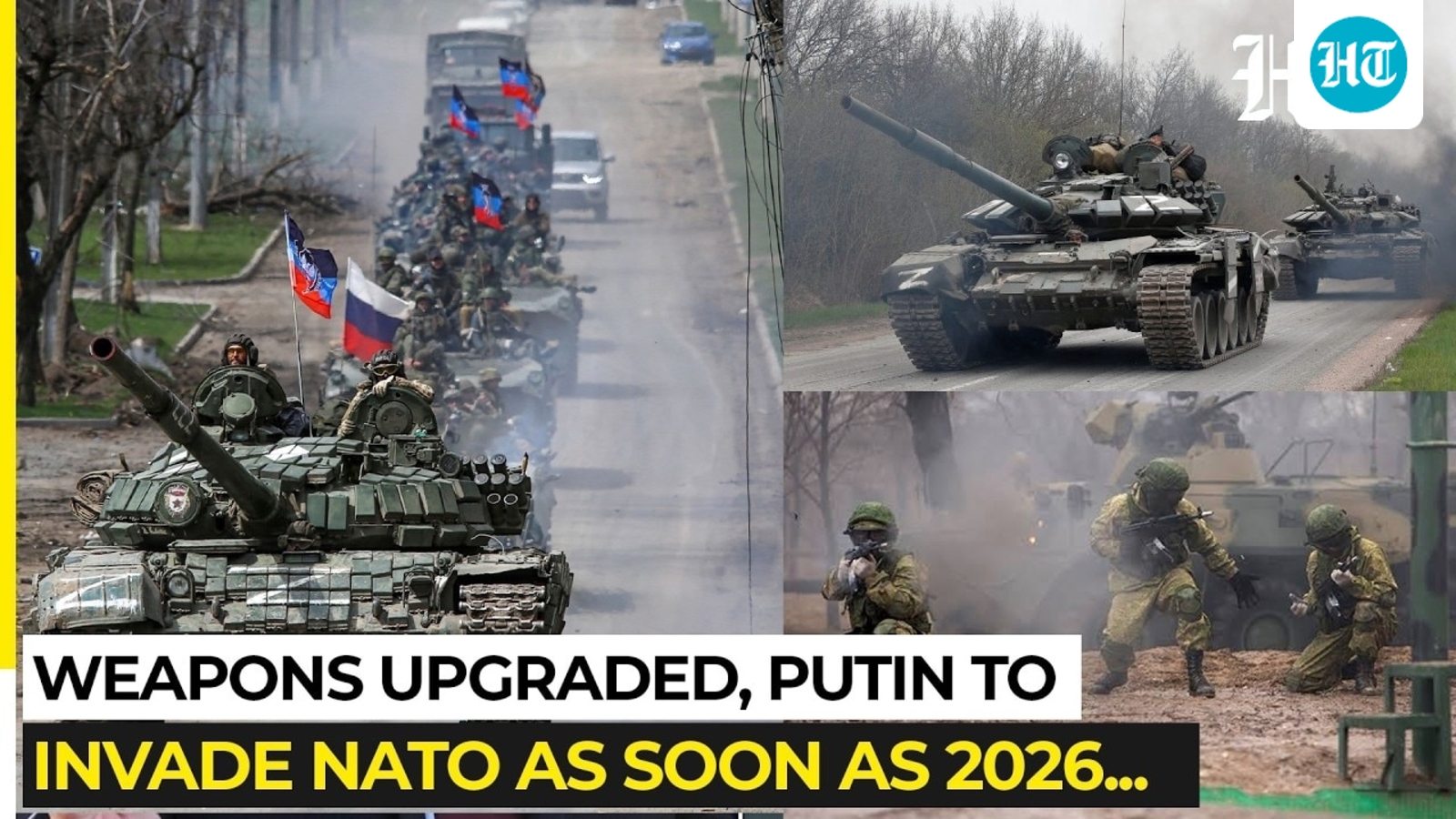
Russian President Vladimir Putin may test the NATO alliance’s strength with an attack on an allied European country as early as the northern hemisphere autumn – in a matter of weeks. That could be a cyberattack but could go all the way up to a possible small scale land invasion, according to new US intelligence information, reports the New York Post.The report comes just a day after Lithuania warned Russia could be planning a “false flag” attack on the Baltic States using captured Ukrainian drones. The reports on the potential of a limited assault come as the US deals with a shortage of critical munitions it would need to respond to such an attack from Russia or China, US officials told the Wall Street Journal.Stockpiles at risk include long-range Precision Strike Missiles and Army Tactical Missile Systems, as well as short-range Stinger surface-to-air missiles, officials told the newspaper.Some of those weapons would be crucial to push back Russia.An attack could happen between this northern autumn and 2029, the intelligence assessment warned which was first published by the Journal.Mr Putin’s goal of an attack on a NATO nation would be to force the US’s hand and fracture the 77-year-old alliance.The US believed Moscow would never provoke the longstanding North Atlantic Treaty Organisation (NATO) while its forces are entangled in its war with Ukraine — however, this year, officials determined Mr Putin may be bold enough to test the alliance’s resolve.Russia has already been shown it’s willing to push NATO, with Russian missiles landing in Poland and drones flying over Romania.The autocrat may be more open to NATO assault as he comes as he faces immense pressure at home to defeat Ukraine.“The concern is that Putin may become more dangerous when backed into a corner,” the reports stated US officials as saying.Russia has been dealing with increasing drone attacks from Kyiv on its oil industry and Mr Putin’s forces, who have suffered heavy casualties, have been significantly slowed on the front.Theories of action against NATO the Kremlin could take range from a cyberattack to unmarked armed groups (which would give Russia a level if deniability) to occupy land or even a limited ground invasion on the eastern flank closest to Russia. “The question mark is how the United States would respond in that case,” Heather Conley, senior fellow with the American Enterprise Institute, told the Journal about the possibility of a Russian incursion.“It has always been a goal [of Russia’s] to challenge the credibility of NATO and to separate the United States from its allies.”Poland, Finland and the Baltic States of Latvia, Lithuania and Estonia are all NATO members that share borders with Russia. Poland and Finland are relatively large nations with well-funded militaries. However, the three Baltic States are much smaller nations with less military heft. They are geographically also vulnerable sandwiched between the Baltic Sea and Russia and its client state Belarus. The region also includes the heavily militarised Russian exclave of Kaliningrad. Only a slither of land separates Kaliningrad from Belarus and this is the only land route from the Baltic States to the rest of the European mainland and its NATO allies. The report said the likelihood of the most extreme scenario of a limited ground invasion was still low. That would almost certainly see NATO’s Article 5 invoked which would demand a defensive response. But that likelihood is less far-fetched than it might otherwise if been, the report stated.NATO said it was “prepared”.“We are always thinking through and preparing for any number of scenarios. NATO is watching and we are ready to deter and defend as necessary, which we continue to demonstrate,” spokesman Martin O’Donnell said. – with the New York Post.
Fears Putin could attack NATO ‘in weeks’
Russian President Vladimir Putin may test the NATO alliance’s strength with an attack on an allied European country as early as the northern hemisphere autumn – in a matter of weeks.
615 words~3 min read