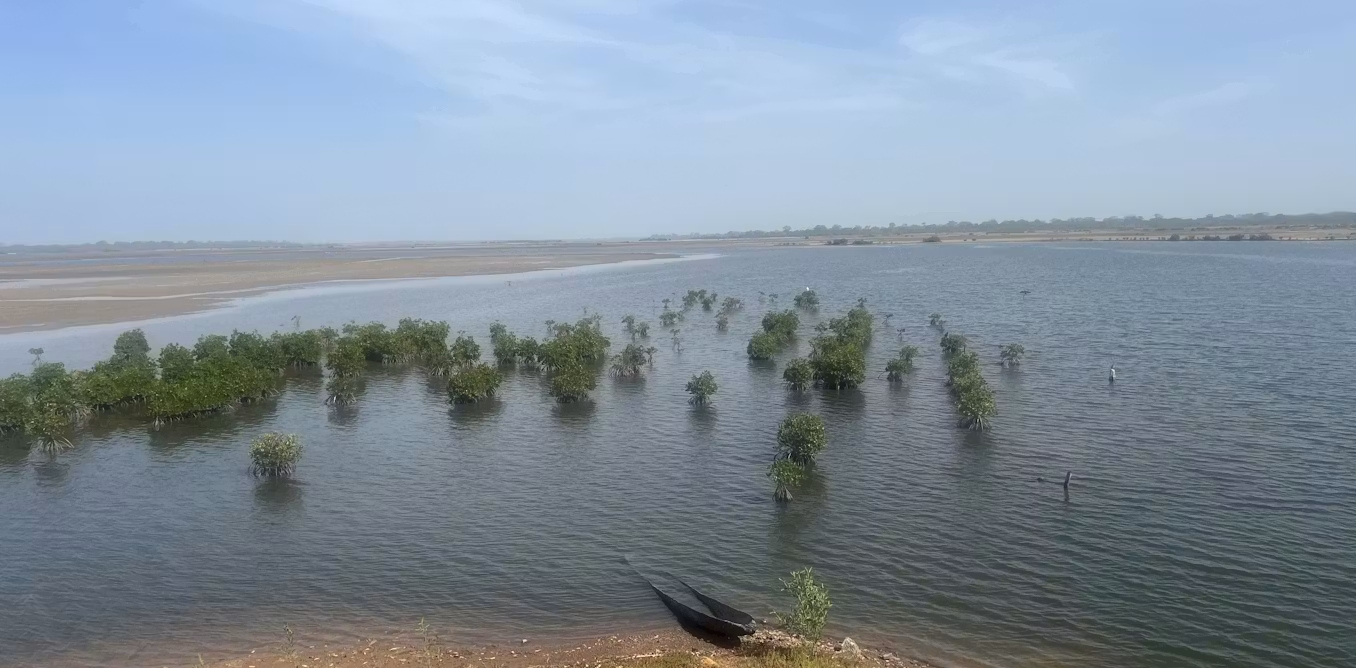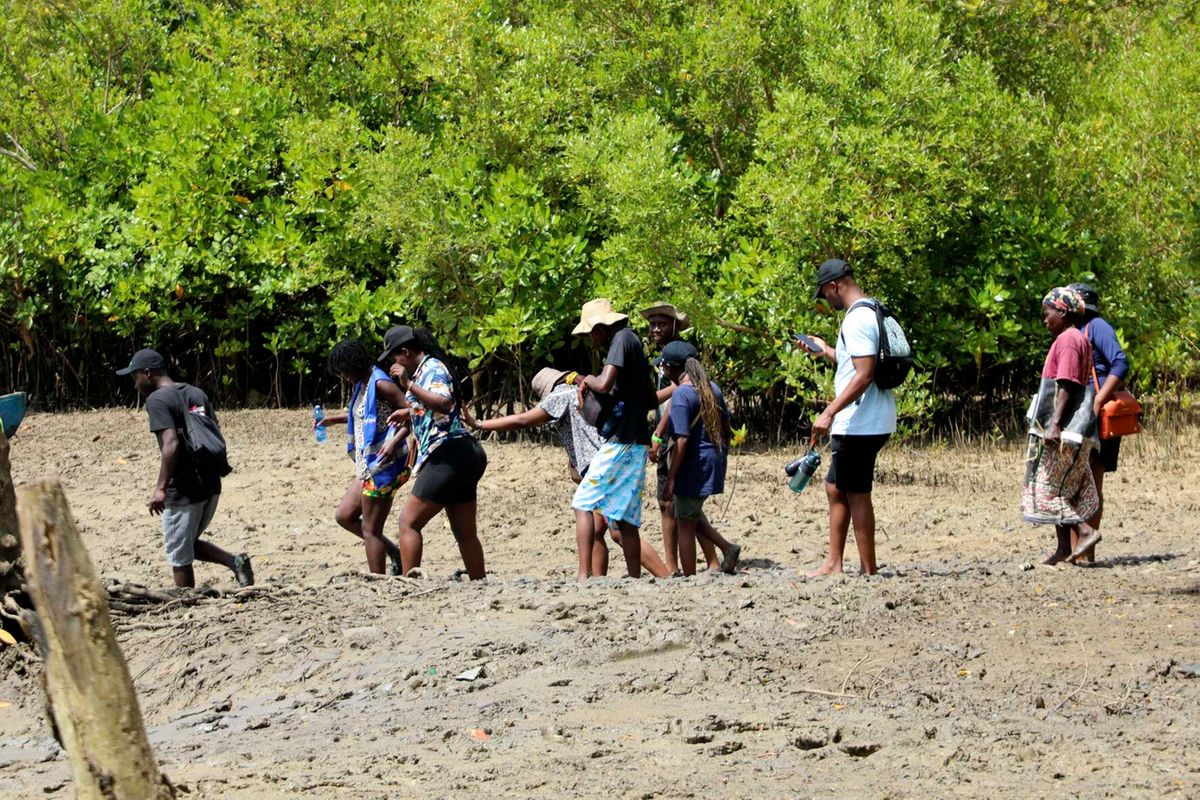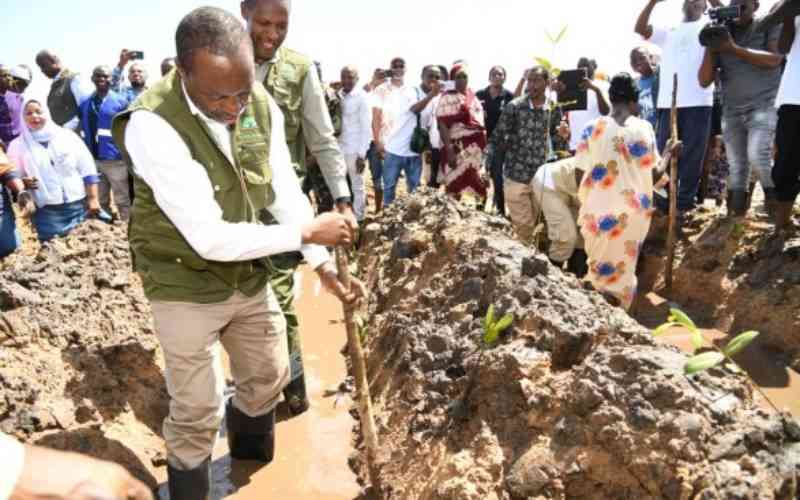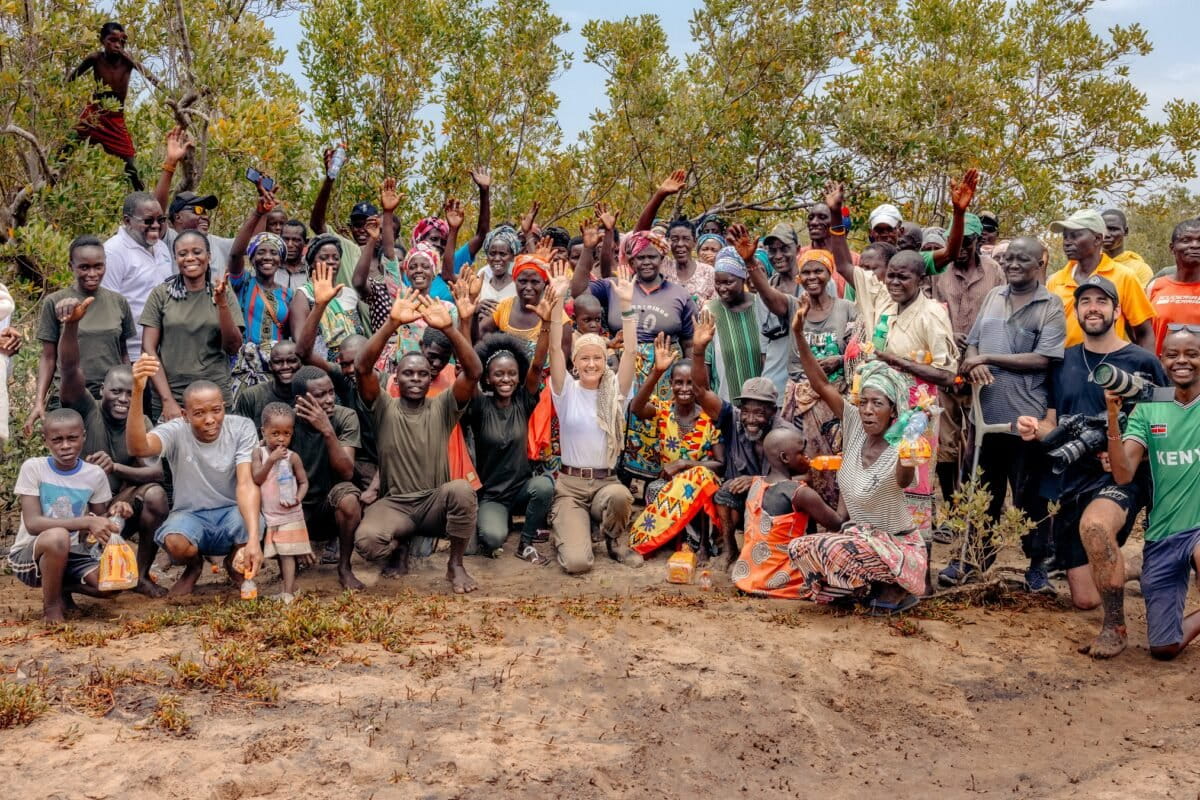
Despite growing global interest in mangrove conservation and restoration, many projects fail; experts say one reason is that restoration efforts are often led by small community groups with limited resources and expertise.Over the past five years, Seatrees, a California-based NGO, has supported mangrove restoration projects in Kenya, Mexico, the U.S. and Indonesia by providing funding to scale up tree planting, produce storytelling materials and build capacity in science, monitoring and impact measurement.In Kenya, where their restoration efforts are most advanced, Seatrees and its local project partner have supported more than 30 community groups to plant more than 1 million mangrove seedlings, maintain nurseries, dig trenches to improve hydrology and patrol forest areas for illegal logging — while paying participants for this important work.Seatrees has recently funded the creation and operation of a mangrove seedling nursery in the Florida Keys, run by CoastLove, a local NGO that engages residents and tourists in hands-on activities.
Mangrove forests, located along tropical and subtropical coastlines, are increasingly recognized for their role in buffering climate disasters, storing carbon, supporting wildlife and livelihoods. Yet even as interest in mangrove conservation and restoration has surged in recent years, many projects fail — seedlings die, sites degrade further or communities disengage.