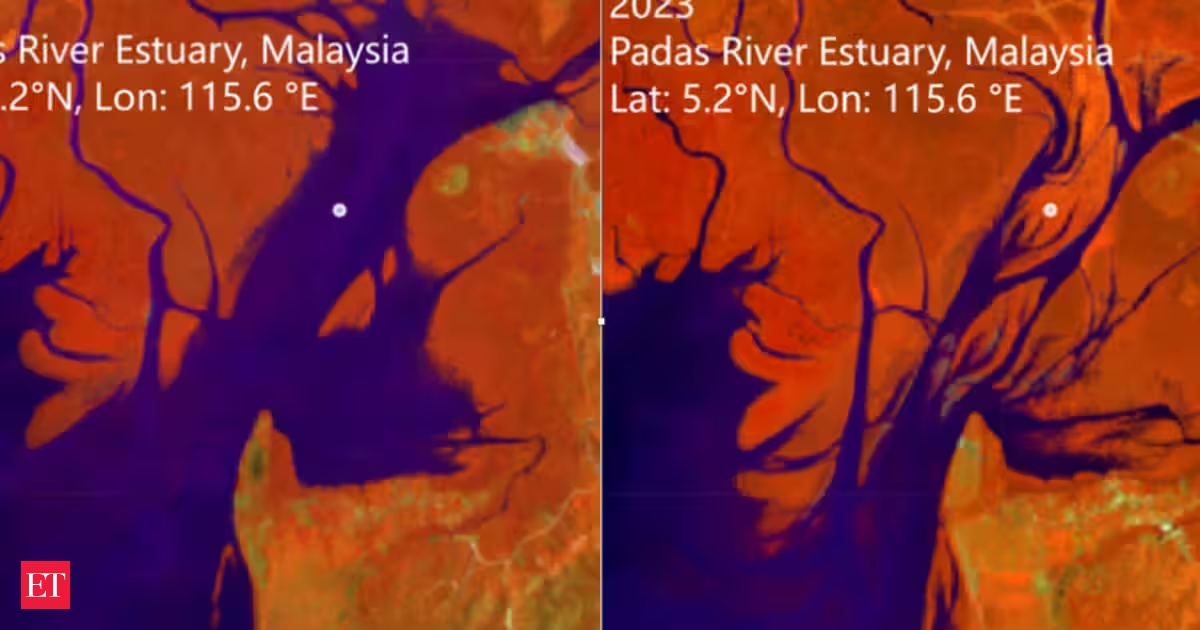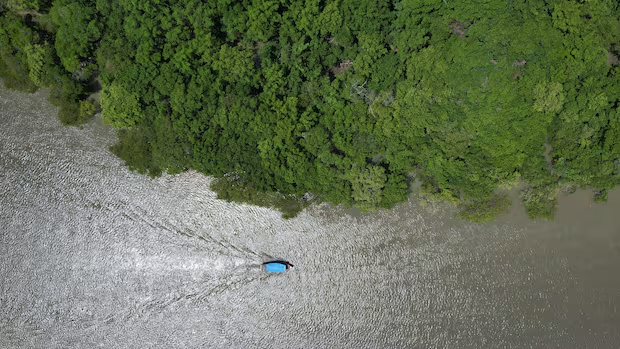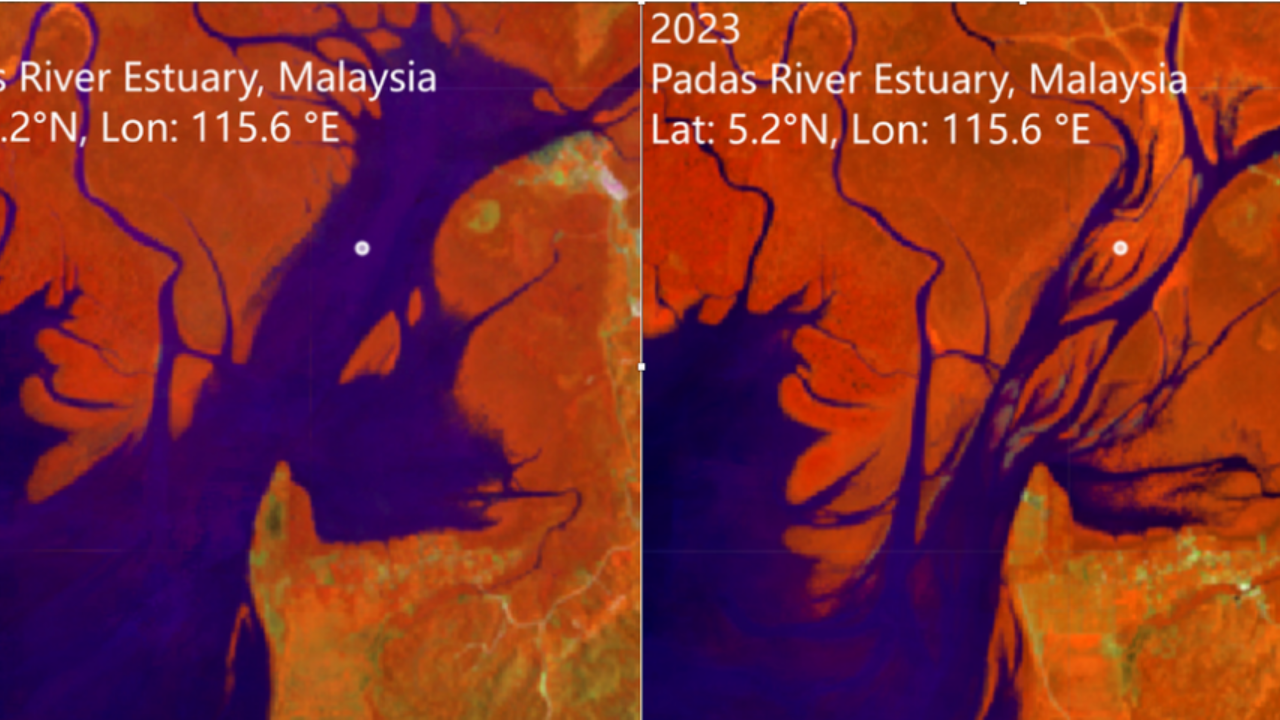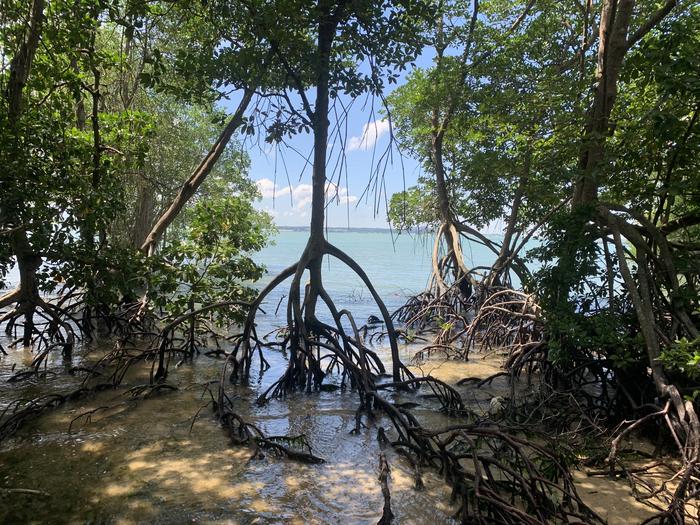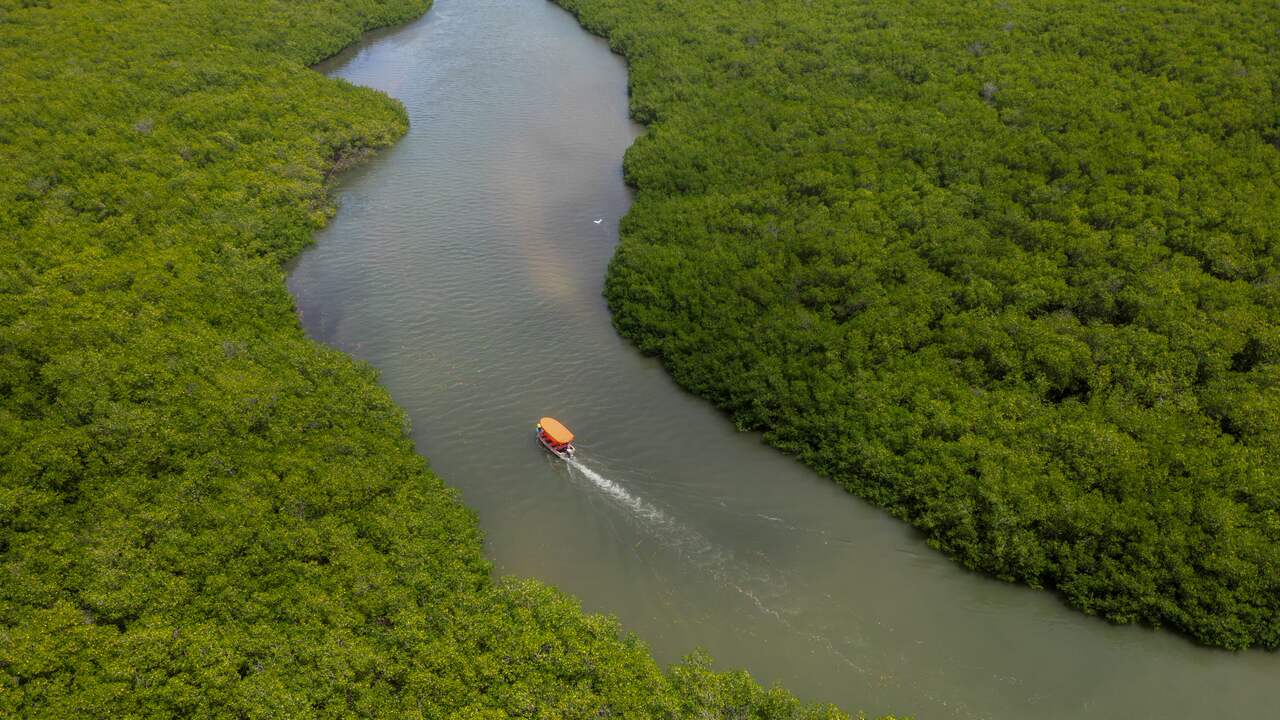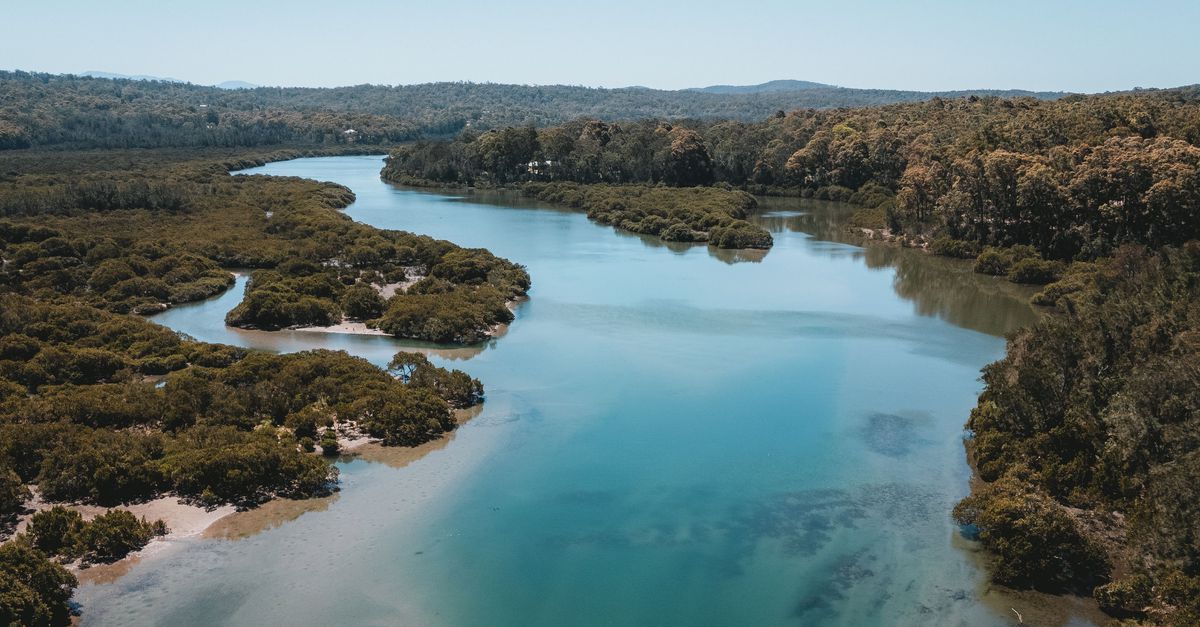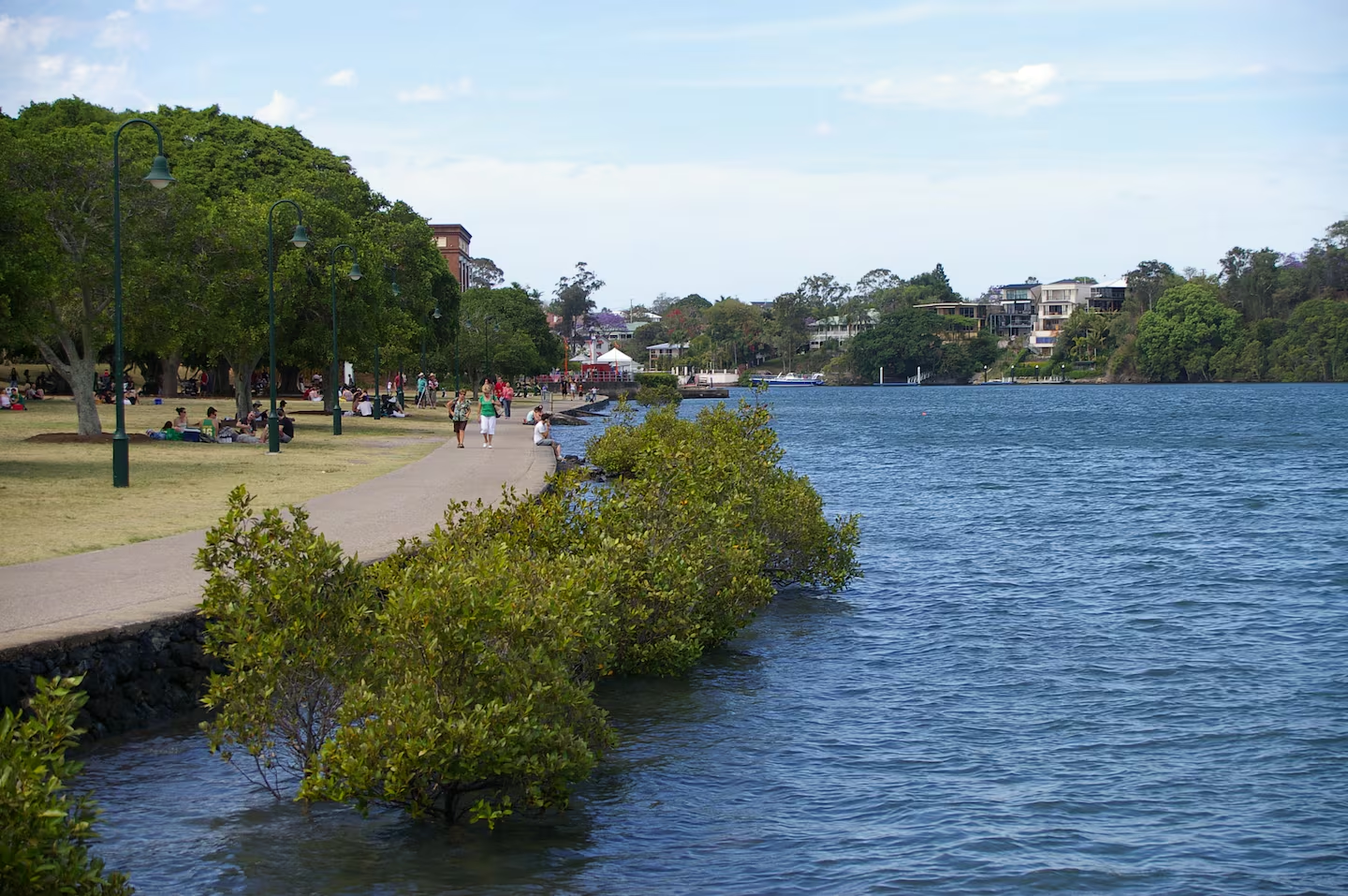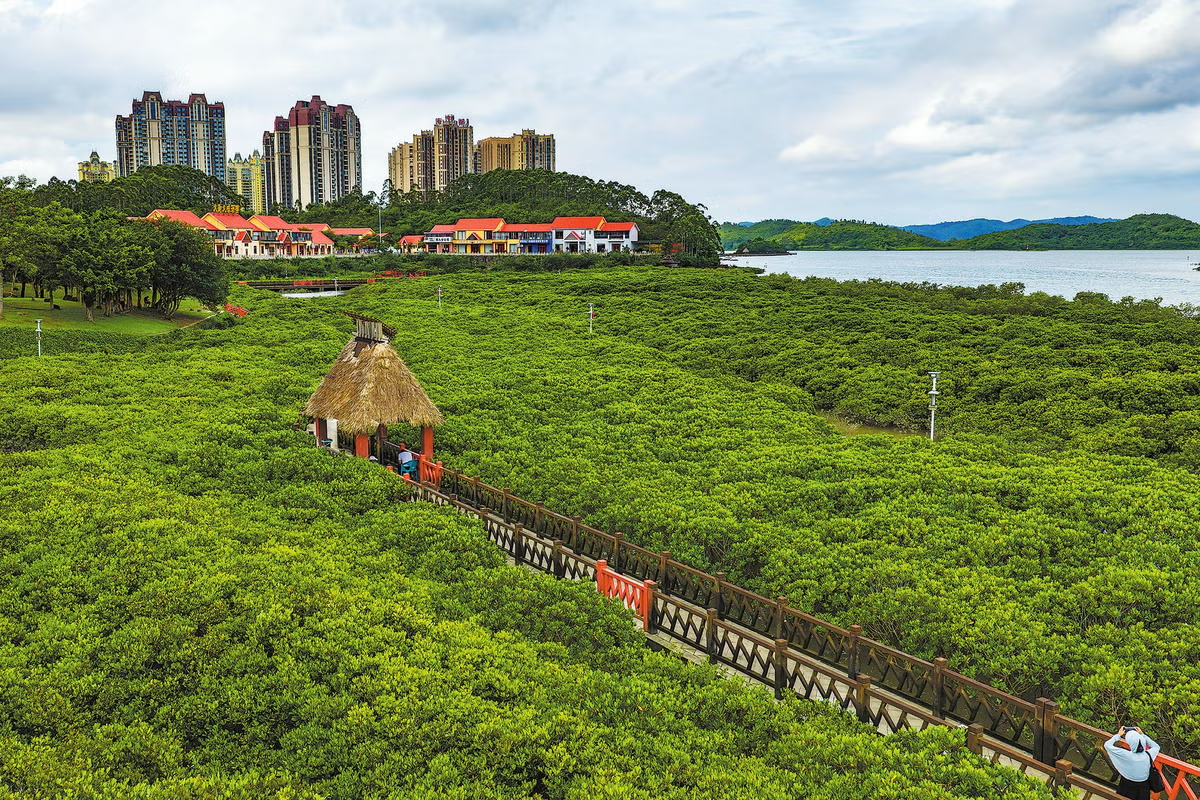
Human and natural disturbances have driven global declines of mangrove forests, which serve as critical protection for coastlines and fisheries.Scientists used satellite imagery of mangroves from 1984 to 2023, and found that after decades of decline, mangroves worldwide began to recover around 2010, mostly by expanding into new habitats, according to a new study.Recovery is not evenly distributed, the study found. Southeast Asia slowed mangrove loss while West and Central Africa have seen accelerated deforestation in recent years.
The world’s mangrove forests, critical coastal ecosystems feared to be on the brink of collapse, are making an unexpected recovery overall, according to research published in June 2026 by scientists at Tulane University in New Orleans in the U.S. The study found that as deforestation and degradation have slowed down over the past decade around the globe, the woody plants have managed to bounce back in many areas.
The study analyzed satellite data from the past four decades. It found that unexpected expansion and regrowth across the world began counterbalancing mangrove forest loss around 2010. The rate of gain has nearly outpaced losses, resulting in about a cumulative 1% global decline since the 1980s. The recovery is predominantly driven by expansion of mangroves into new areas rather than recovery of existing forests.