Mangroves are perplexing plants.
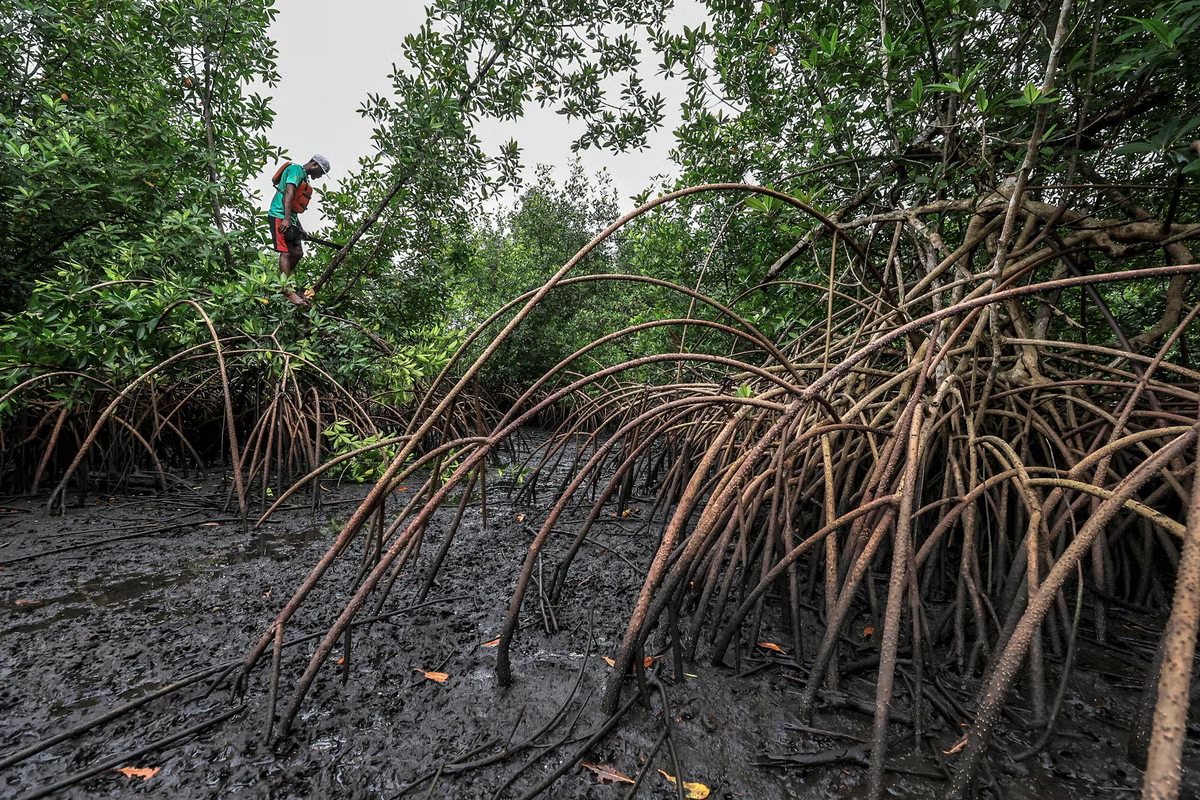
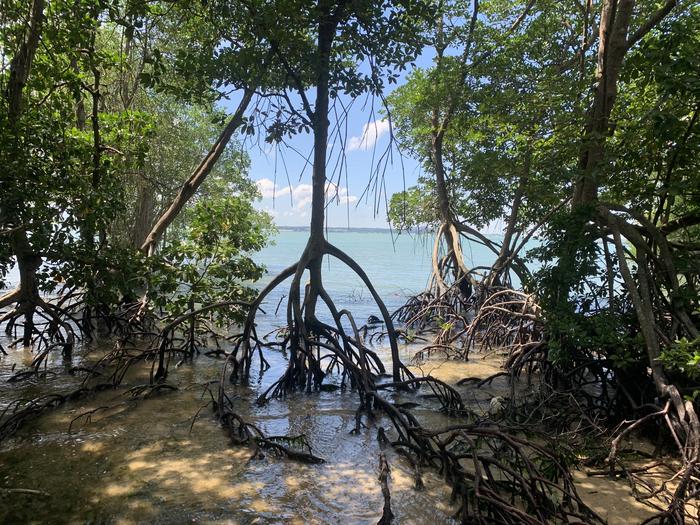
They breathe through their roots, appear to stand on stilts and grow best in hot, salty seawater drawn in and out by the tide.
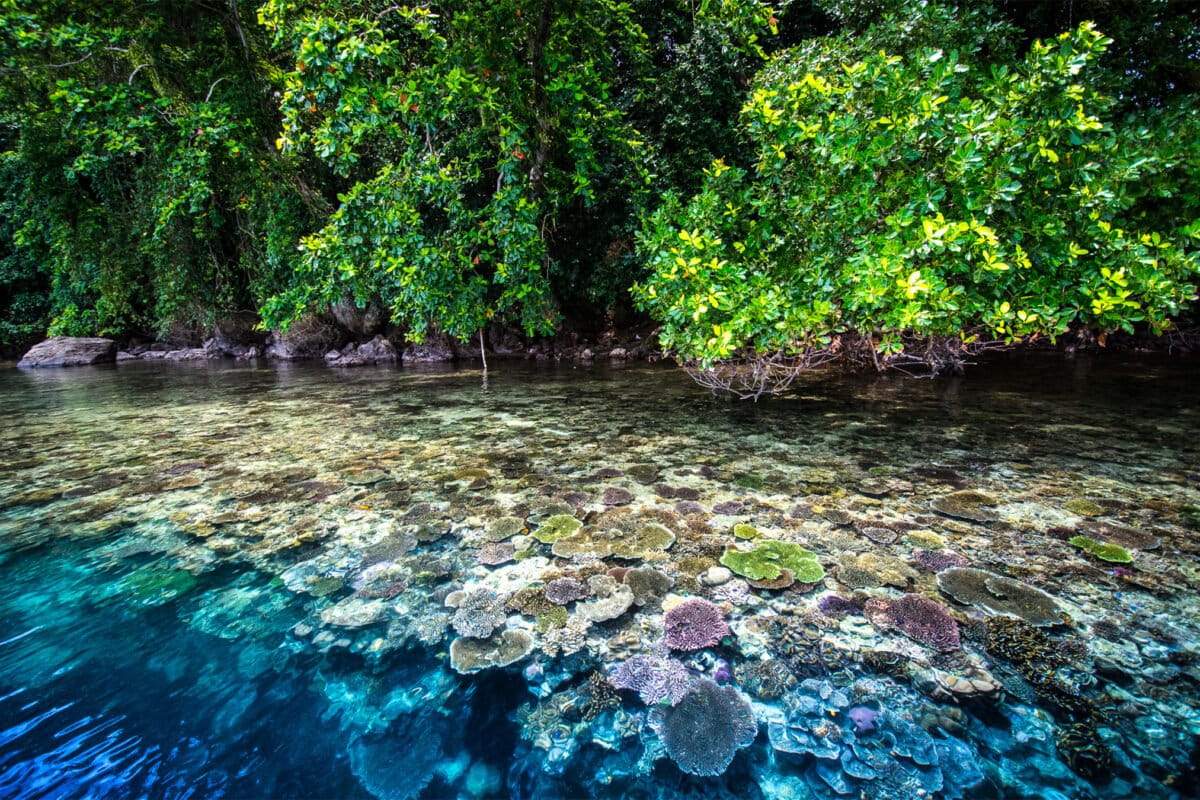
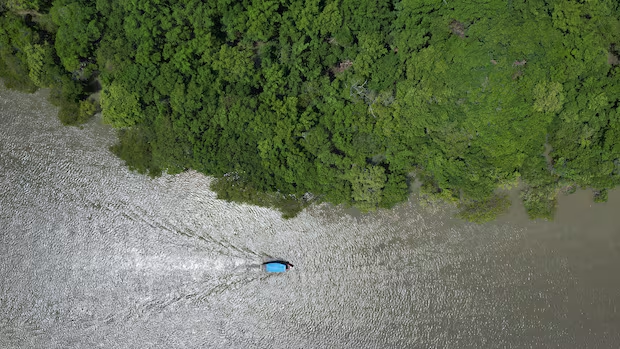
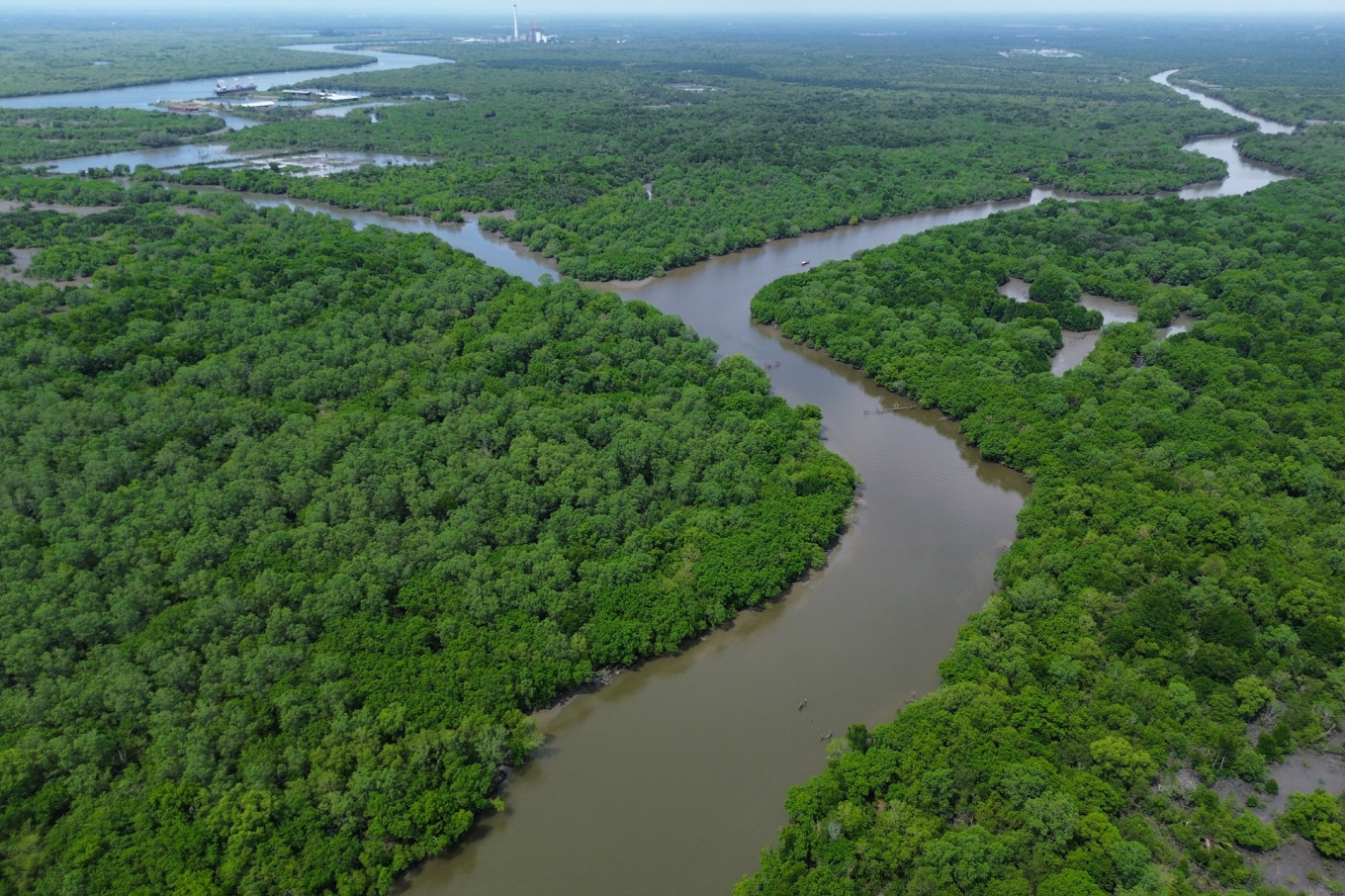
Historically, mangrove forests have been dismissed as inhospitable places to avoid and have been extensively cleared. But these fascinating trees are now gaining attention for how they support biodiversity, store carbon and buffer the effects of storms, cyclones and tsunamis.
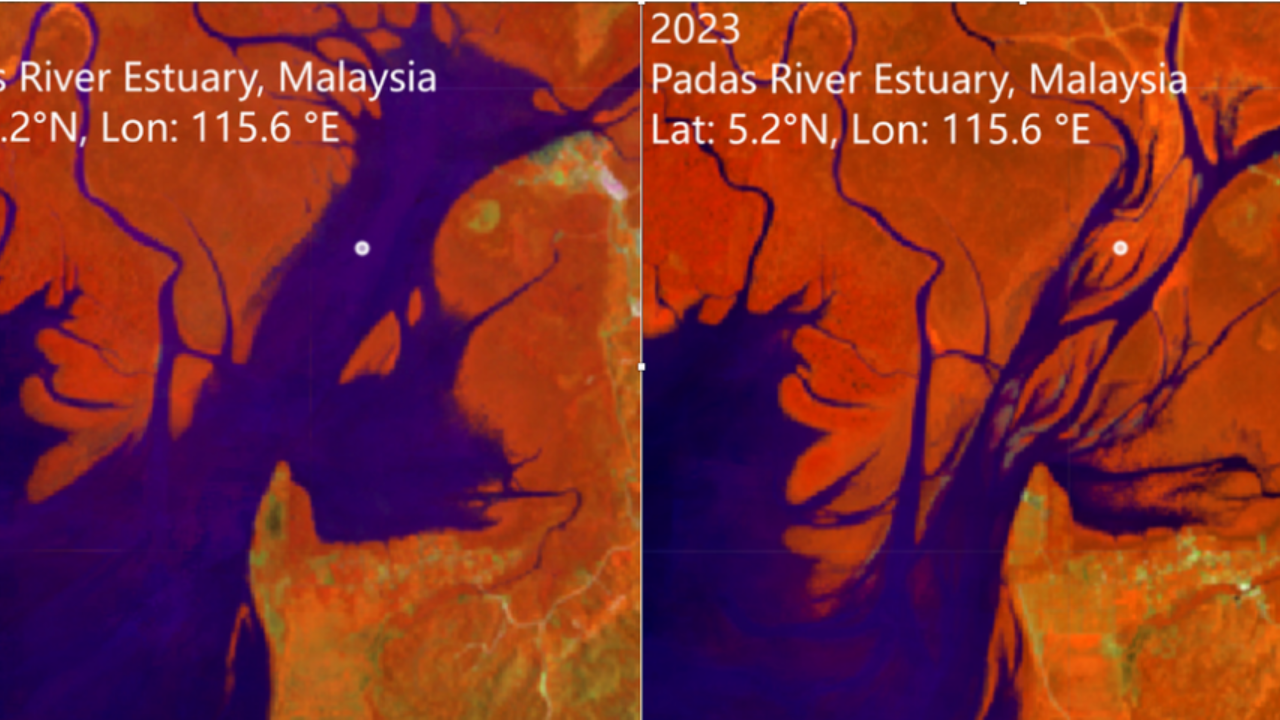
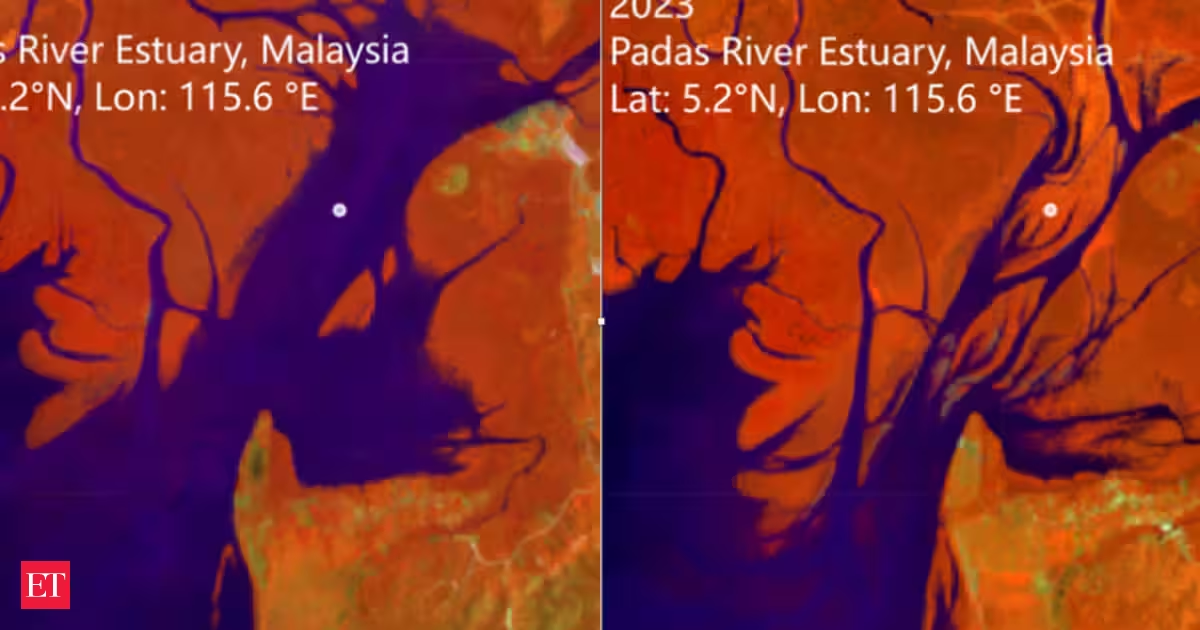
Since 1984, scientists have been monitoring the growth and geographical reach of mangrove forests using satellites. And for the first time, these unique ecosystems are expanding at a faster rate than they are declining.
So what’s driving this? And could it help curb climate change?