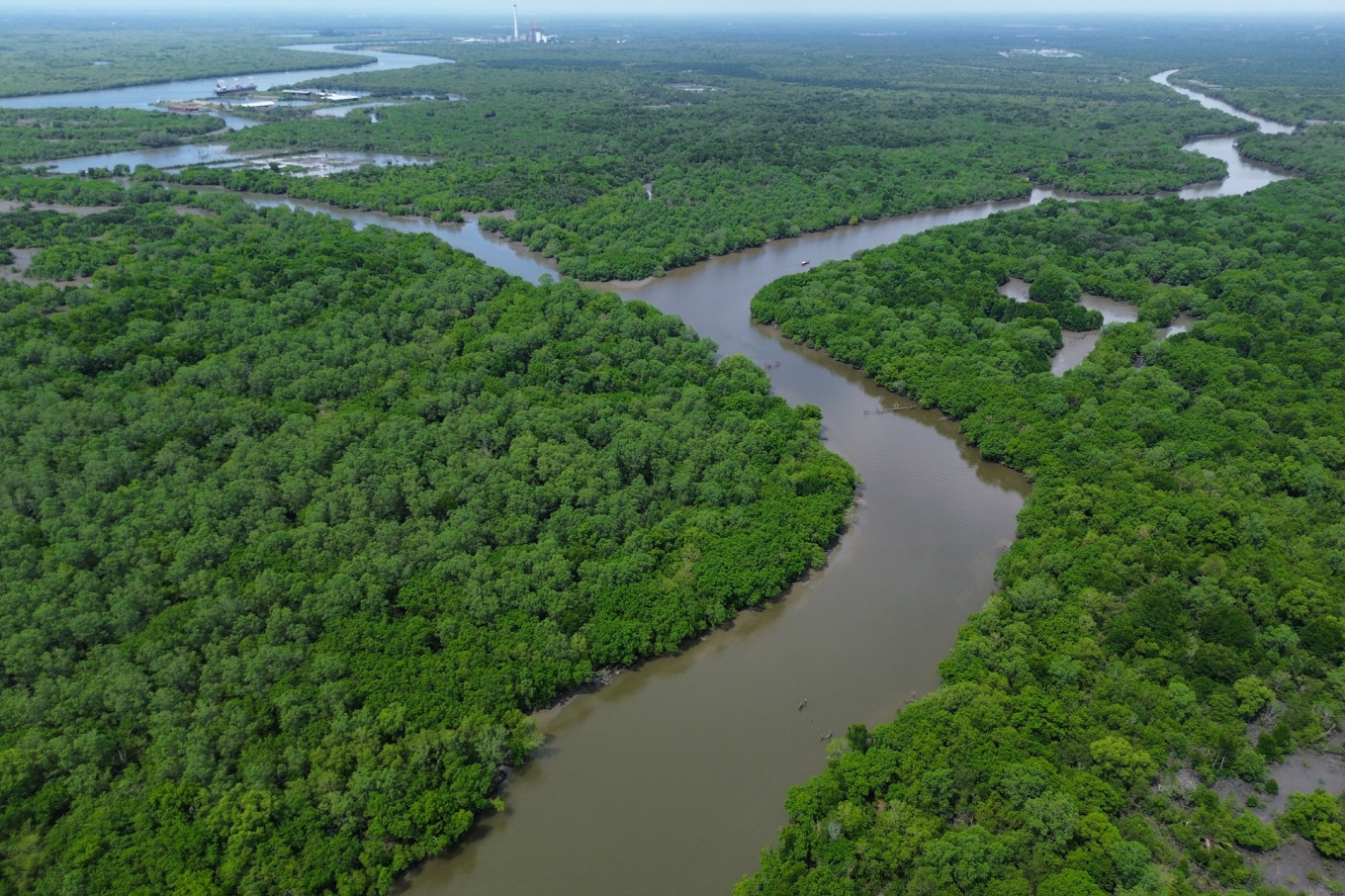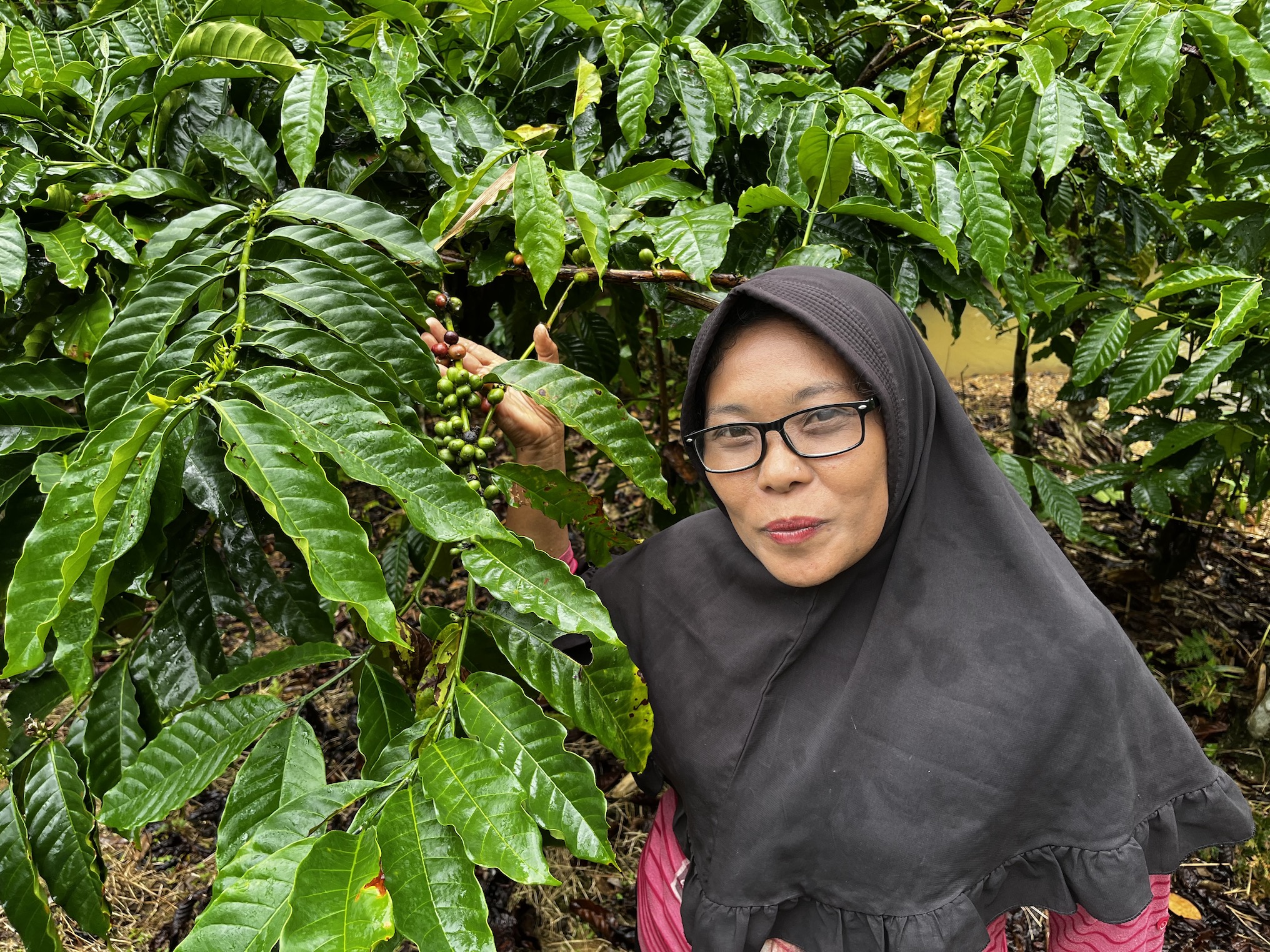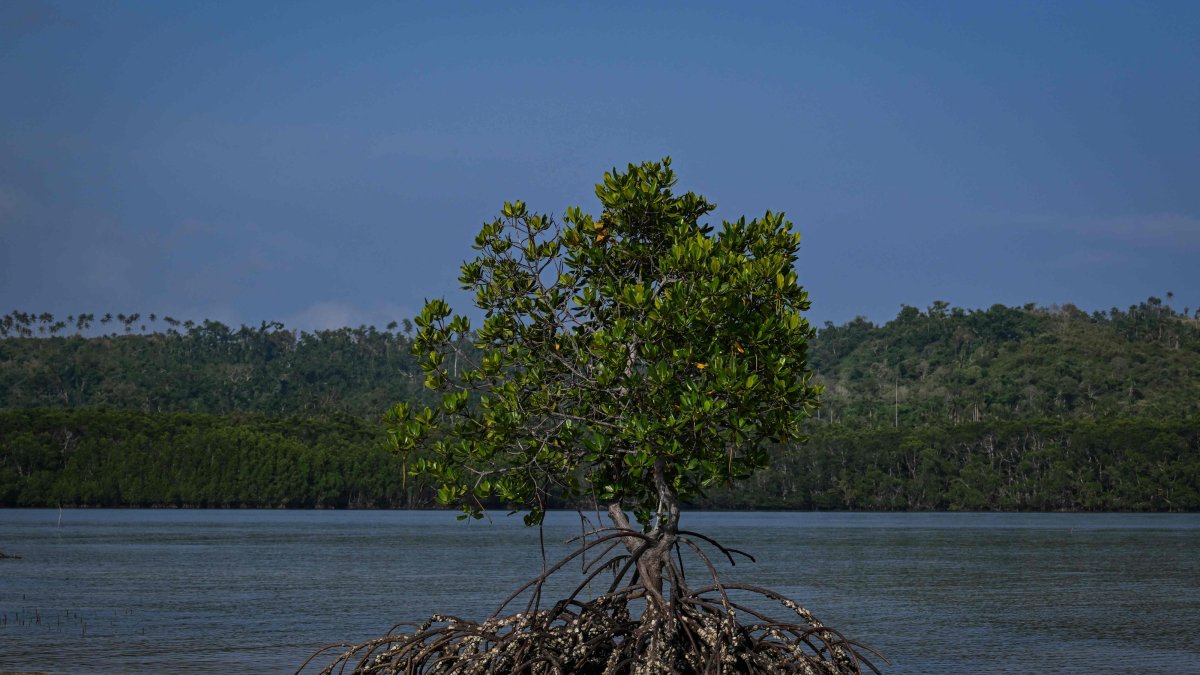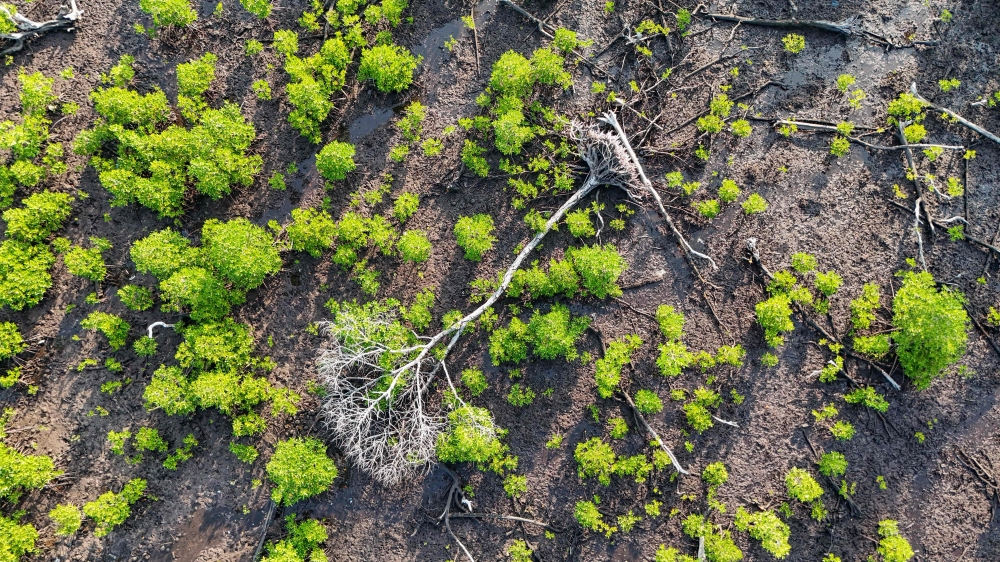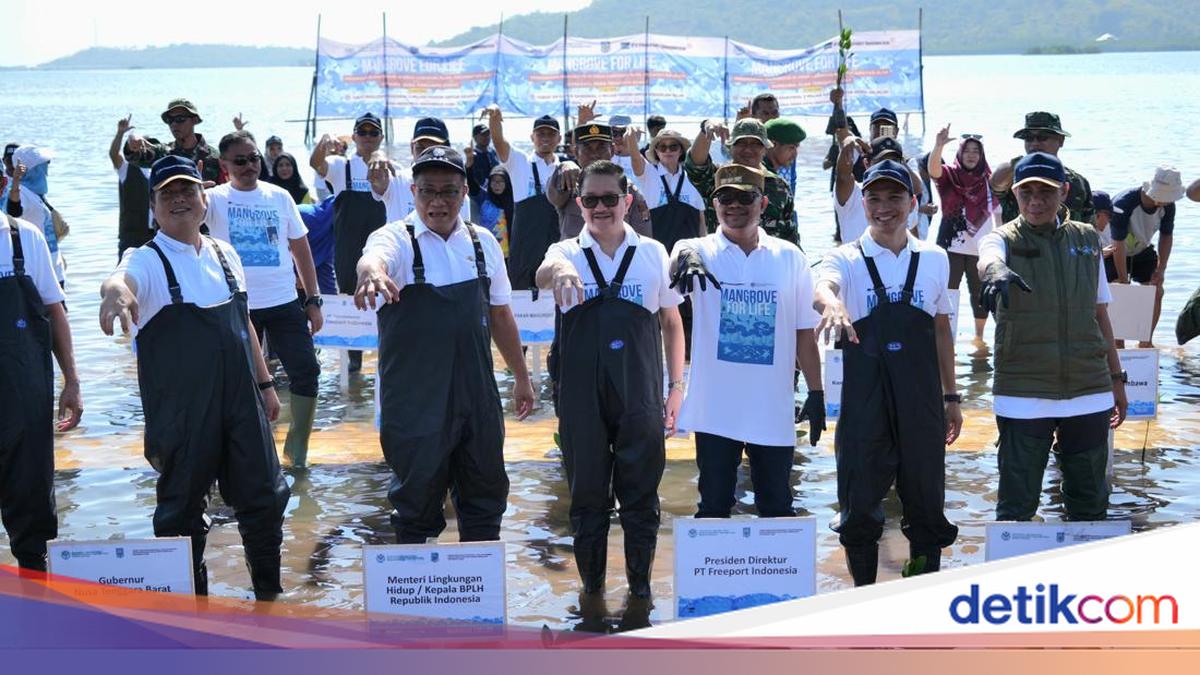
A palm oil grower in an Indonesian village on Sumatra island, around 100 miles west of Singapore, has spent 15 years studying the role of mangroves in coastal ecosystems and pushing local action to restore coastal forests.Research shows this area of Sumatra’s northern coastline, which is separated from the Strait of Malacca by a narrow channel and the island of Bengkalis, is experiencing coastal abrasion of more than 6 meters per year, due primarily to mangrove loss.Indonesia pledged to restore around 600,000 hectares in five years by 2024, which researchers say was likely the world’s most ambitious reforestation initiative on record. However, only a small share of the planned planted area was successfully seeded.
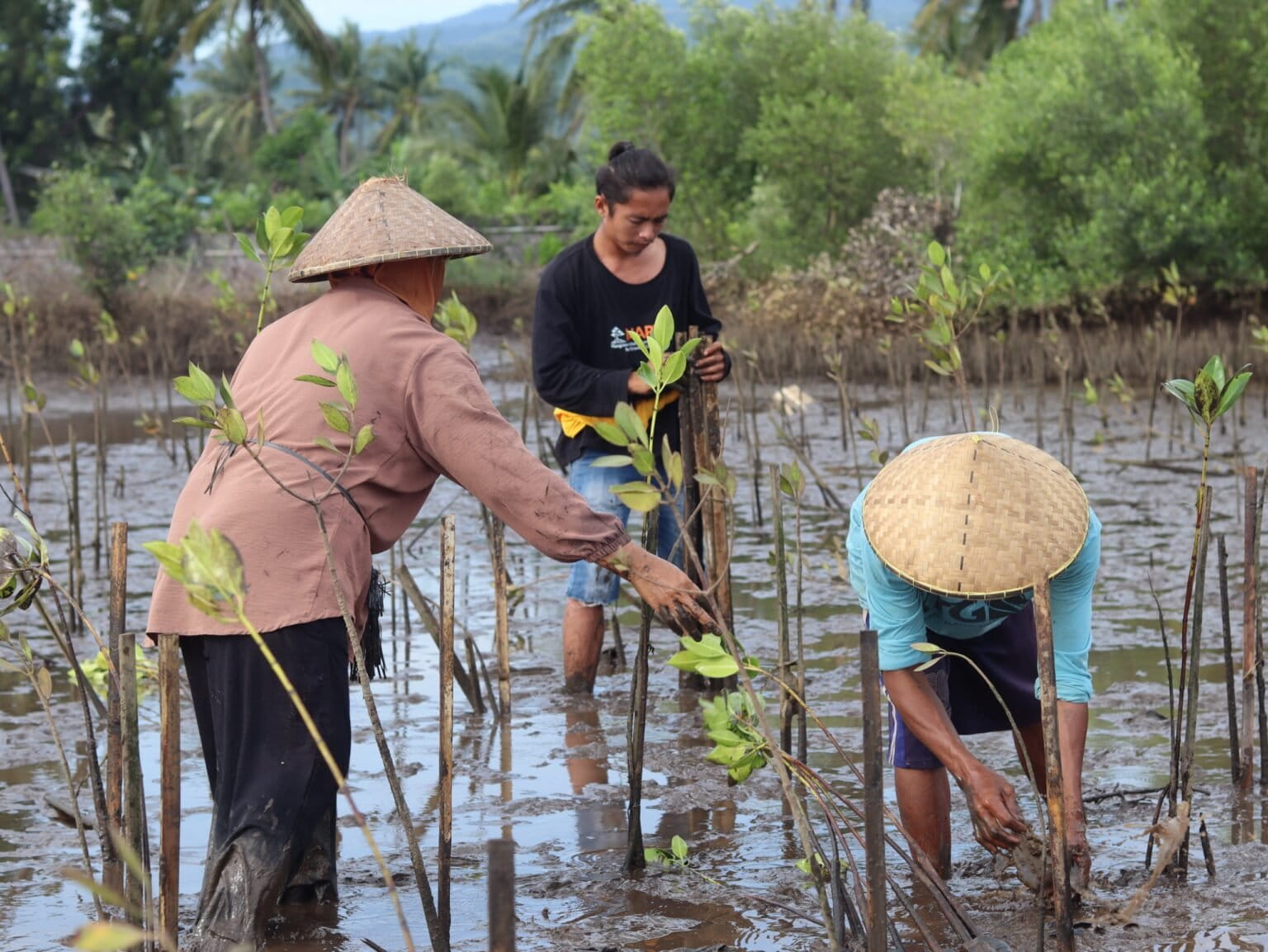
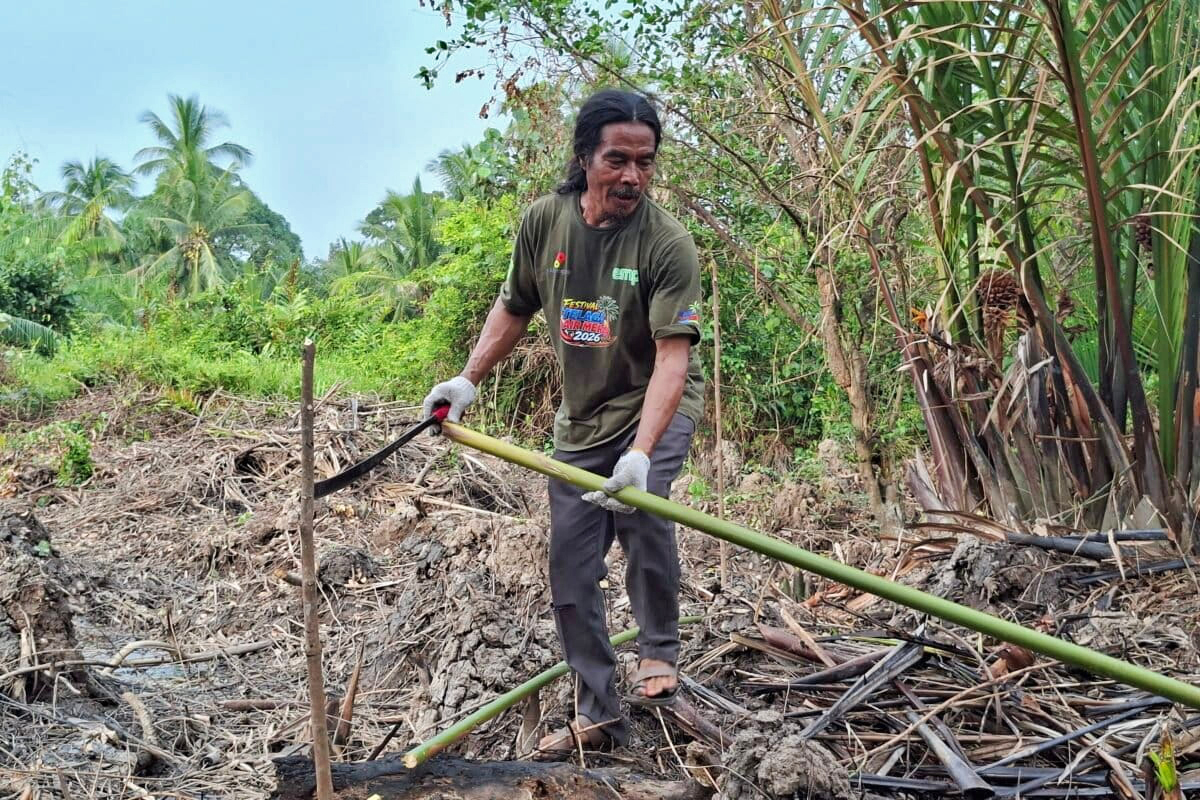
SUNGAI APIT, Indonesia — Harisyah was still knee-deep in peat as the light faded over the mouth of Indonesia’s Siak River. The 53-year-old palm oil and pineapple grower had been cutting back weeds since morning, clearing the riverbank on the north coast of Sumatra island before driving wooden stakes into the peat at 1.5-meter (5-feet) intervals.
“We’re going to use this location as a nursery for the new seedlings,” Harisyah told Mongabay Indonesia. “This new generation will grow up close to mangroves, and they can learn more about them through playing and activities.”