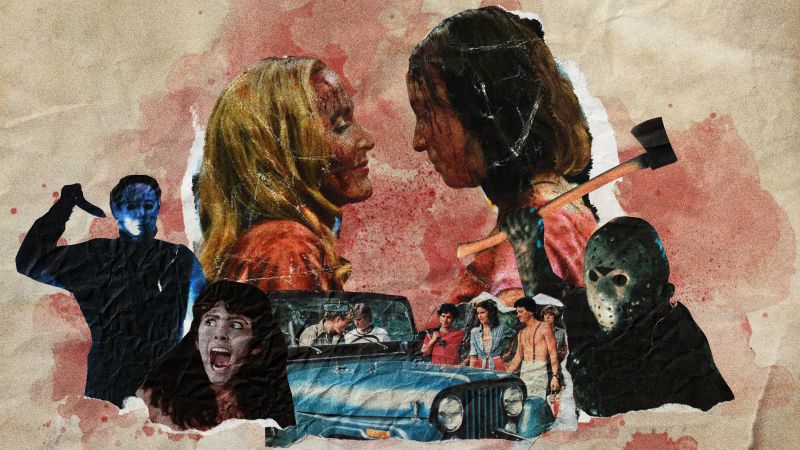
Slasher movies came to power in the late 1970s and early ‘80s; though most critics sneered at them, studios kept cranking them out because they were reliably profitable. And though the trend eventually faded (before reviving in the ‘90s), there will always be an audience obsessed with this subgenre—especially the classics that established its best-known tropes, including the fiercely resilient Final Girl.
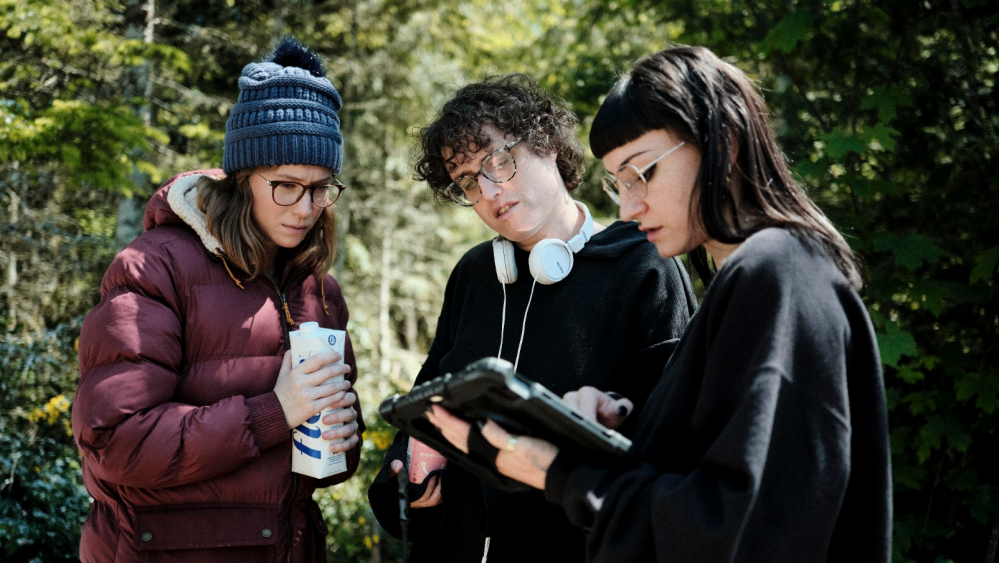
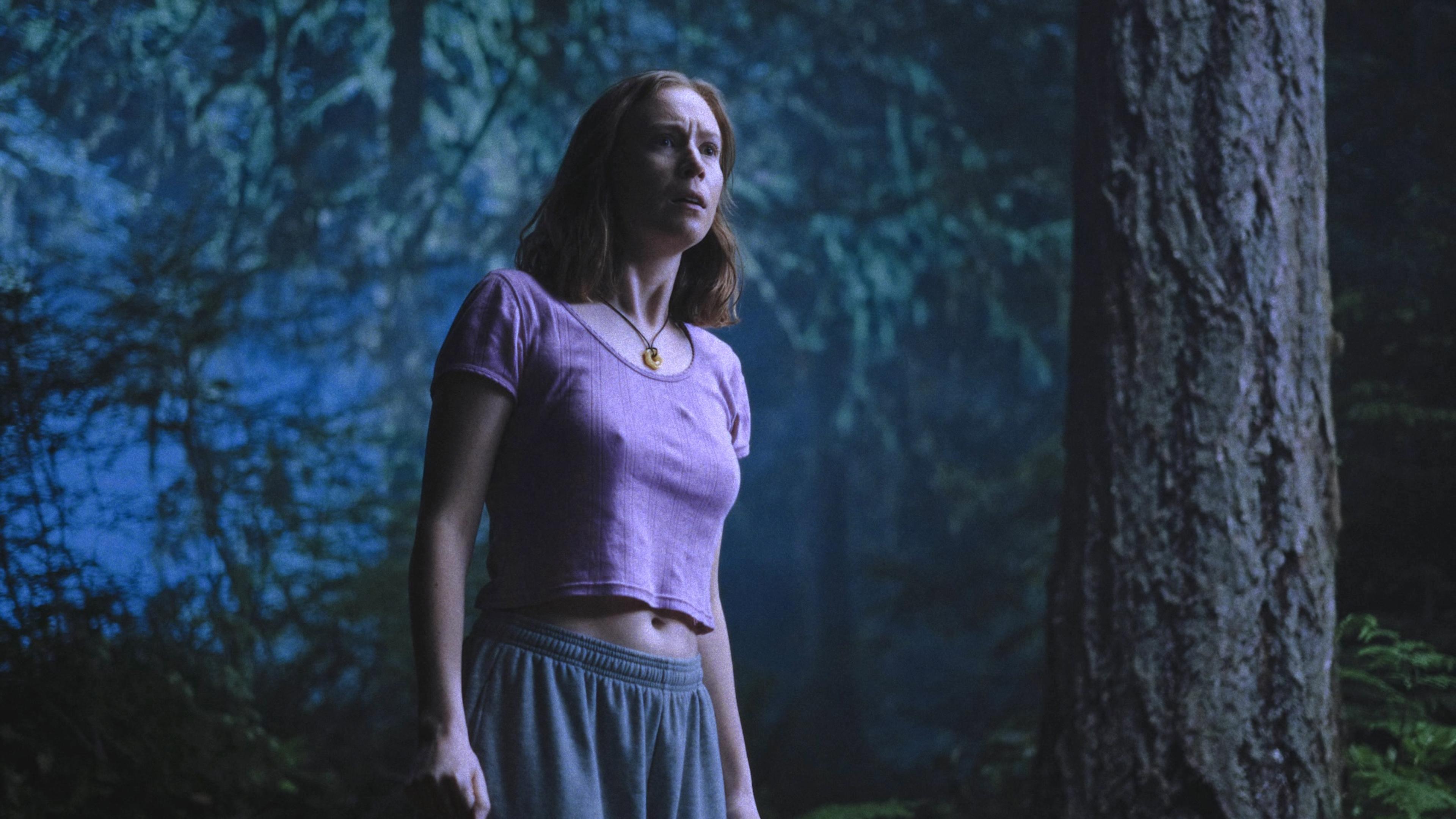
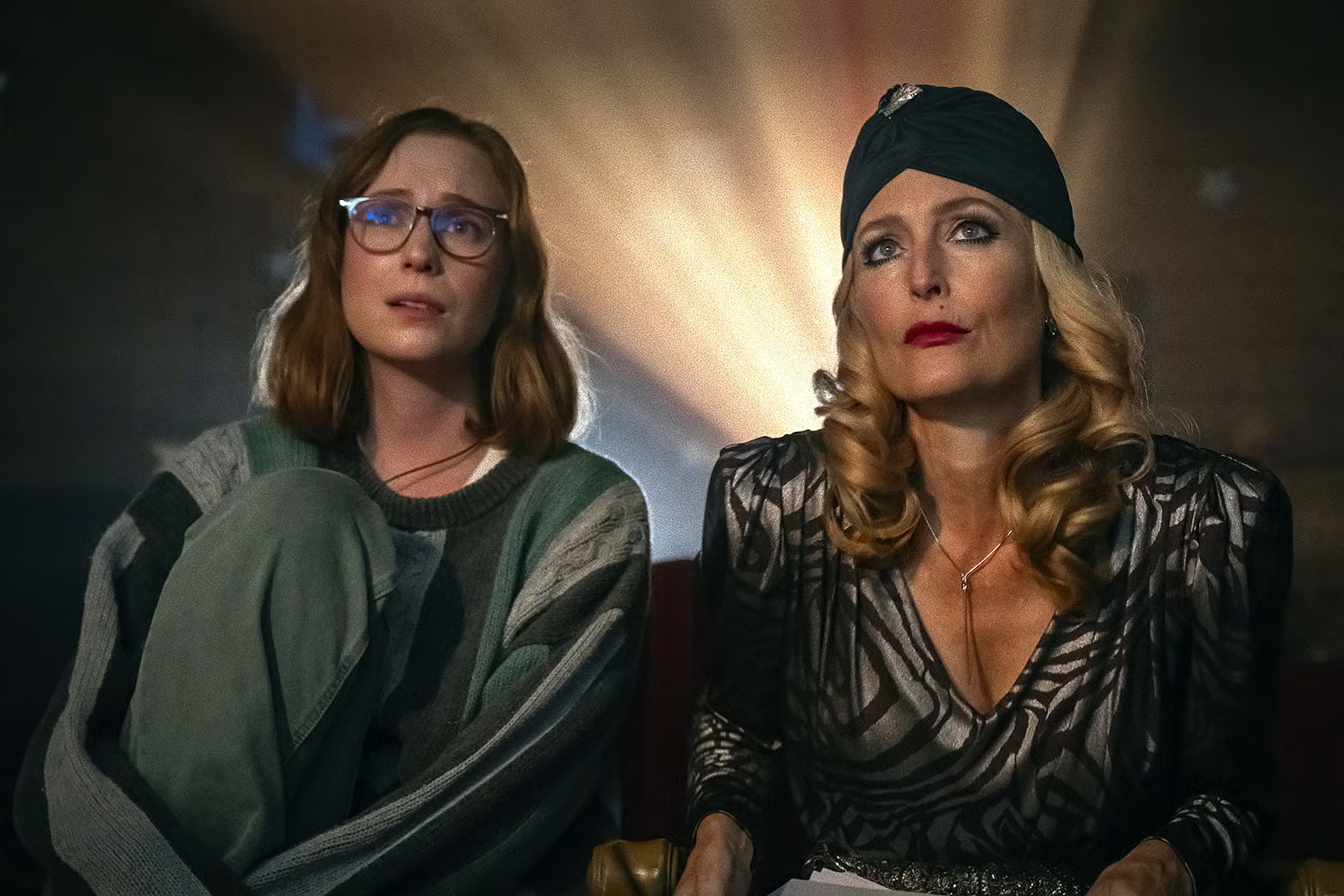
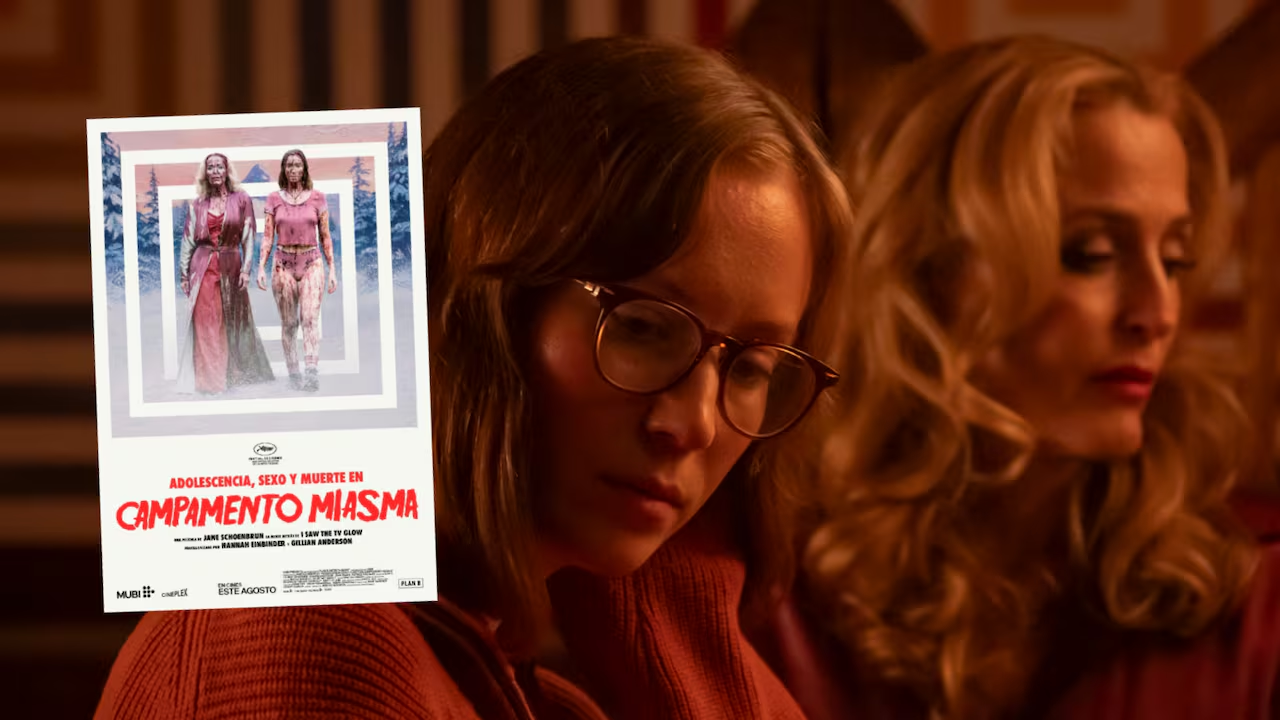
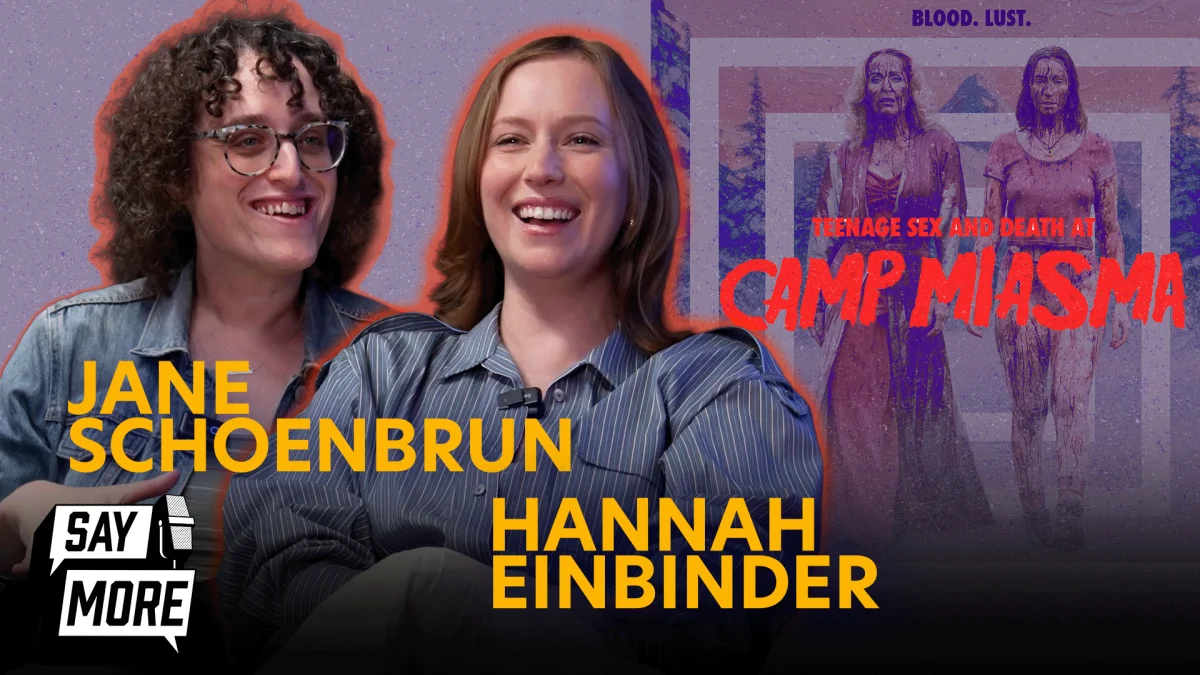
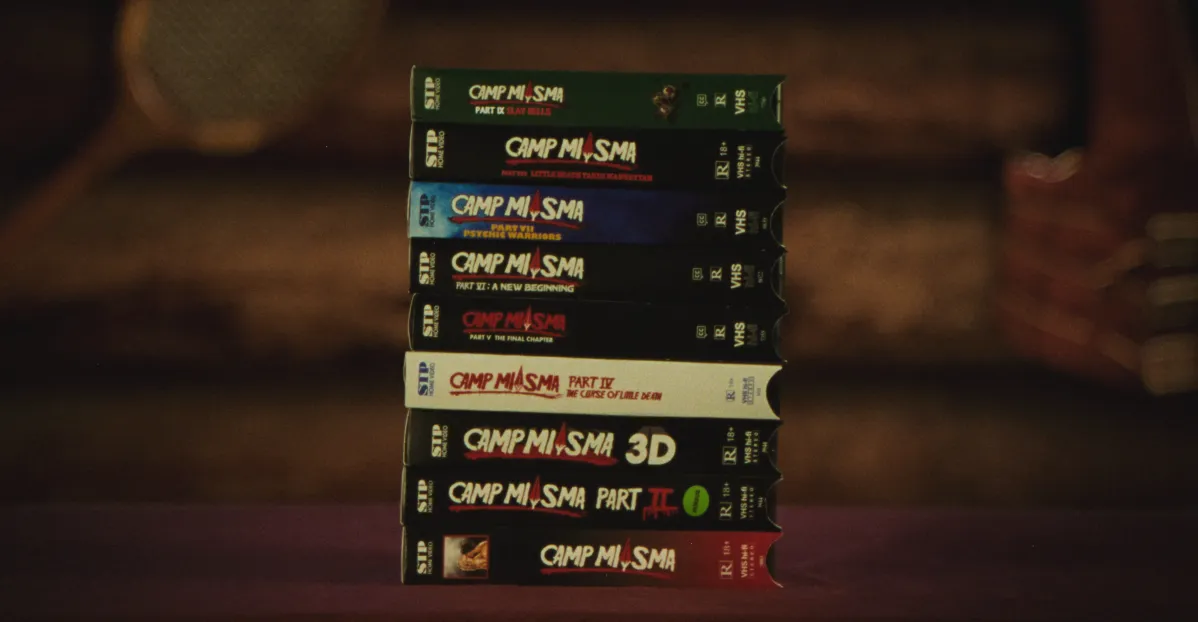
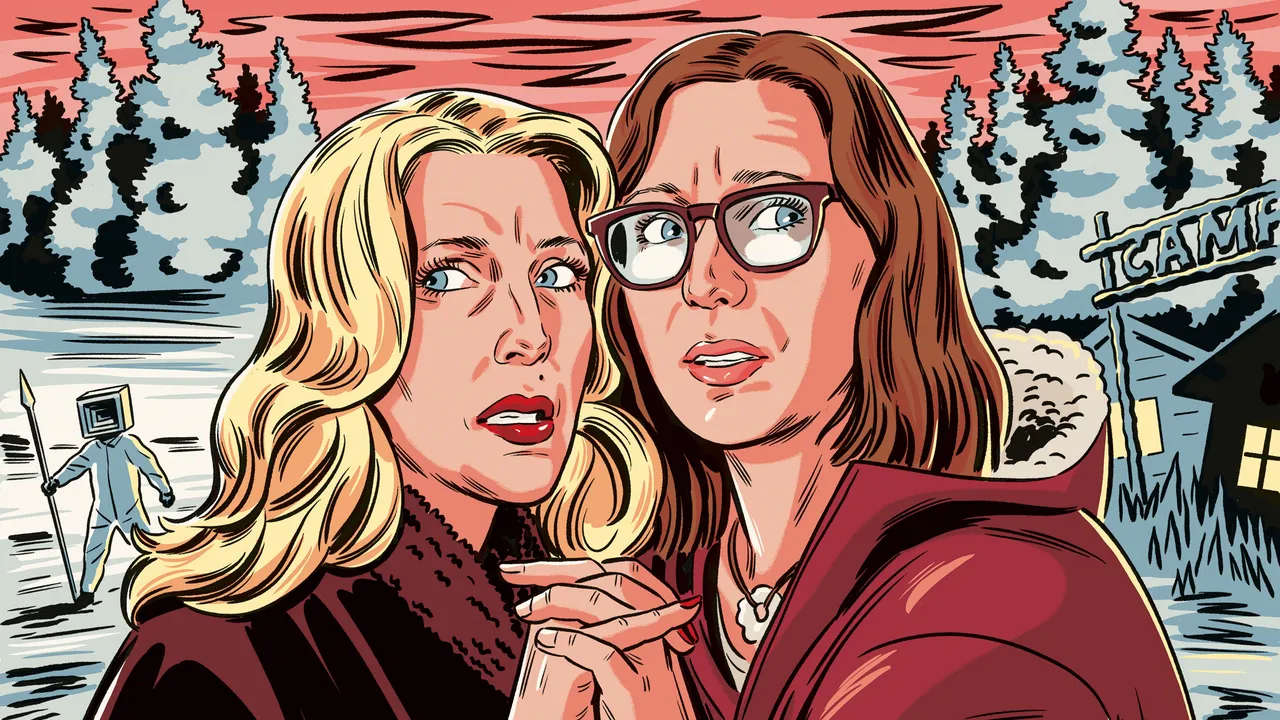
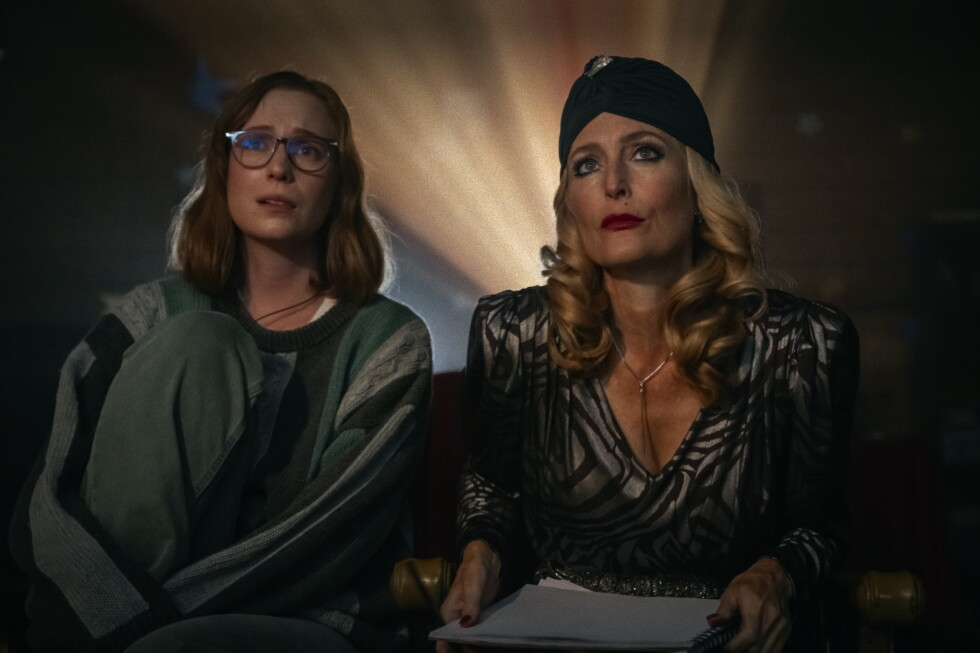
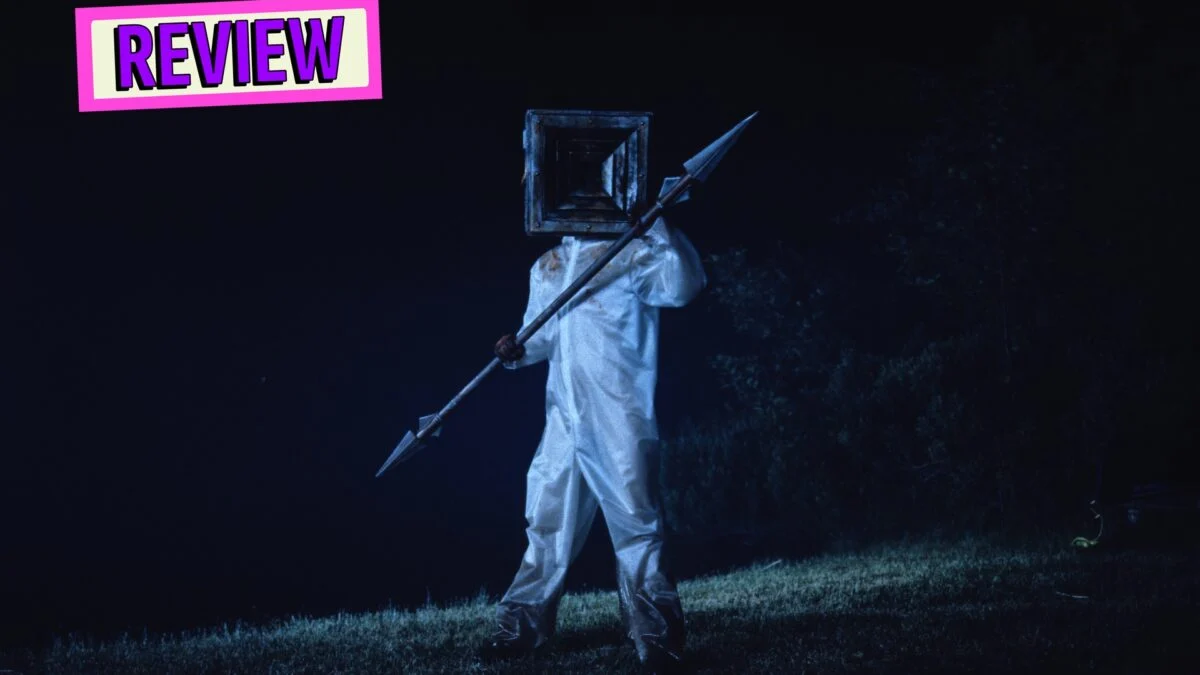
You can tell Teenage Sex and Death at Camp Miasma writer–director Jane Schoenbrun is among the slasher faithful right from the opening credits, which introduce you to the film’s fictional Camp Miasma franchise through imagery that pays eerily accurate homage to how Friday the 13th and its ilk were marketed back in the day. We see Camp Miasma posters, lobby cards, newspaper ads and clippings, an arcade game, a board game, and other tie-in trinkets. There’s also a huge stack of VHS tapes that illustrate the increasingly silly path taken by the Camp Miasma sequels. And there’s more recent history and context given, as a series of blog posts reveal that there’s fresh interest in the Camp Miasma films. They’ve carved out a cult following despite containing transphobic and homophobic messaging that hasn’t aged well—a problem the studio seeks to remedy by hiring a queer “Sundance wunderkind” to direct a “woke” reboot, retooling the origin story of the franchise’s problematic villain, Little Death. What better way to heal those old wounds while also cashing in on an IP that could be making money off new generations? © Mubi With We’re All Going to the World’s Fair and I Saw the TV Glow, Schoenbrun was established as a uniquely gifted artist. Teenage Sex and Death at Camp Miasma further showcases their strengths, particularly the ability to blend dazzling visuals with stories that start off in the real world but soon escape into wilder, scarier, far more thrilling places.