A teenage girl named Billy is having sex for the first time – sex she consented to verbally, but reluctantly. She had to be talked into it. It’s awkward, uncomfortable. In her eyes, you can see that she’s not entirely there – she’s somewhere else, like a spectator, outside her body looking in.
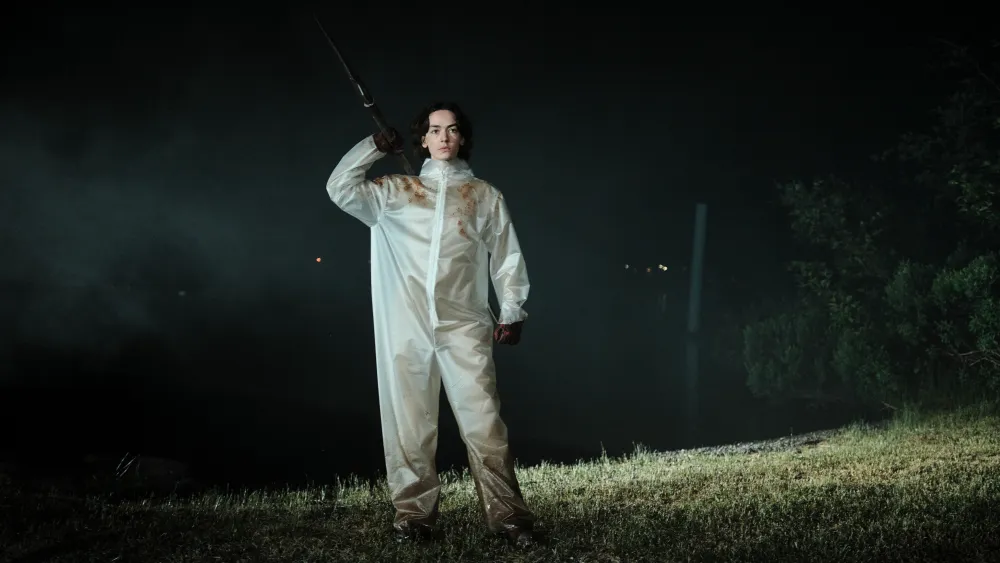
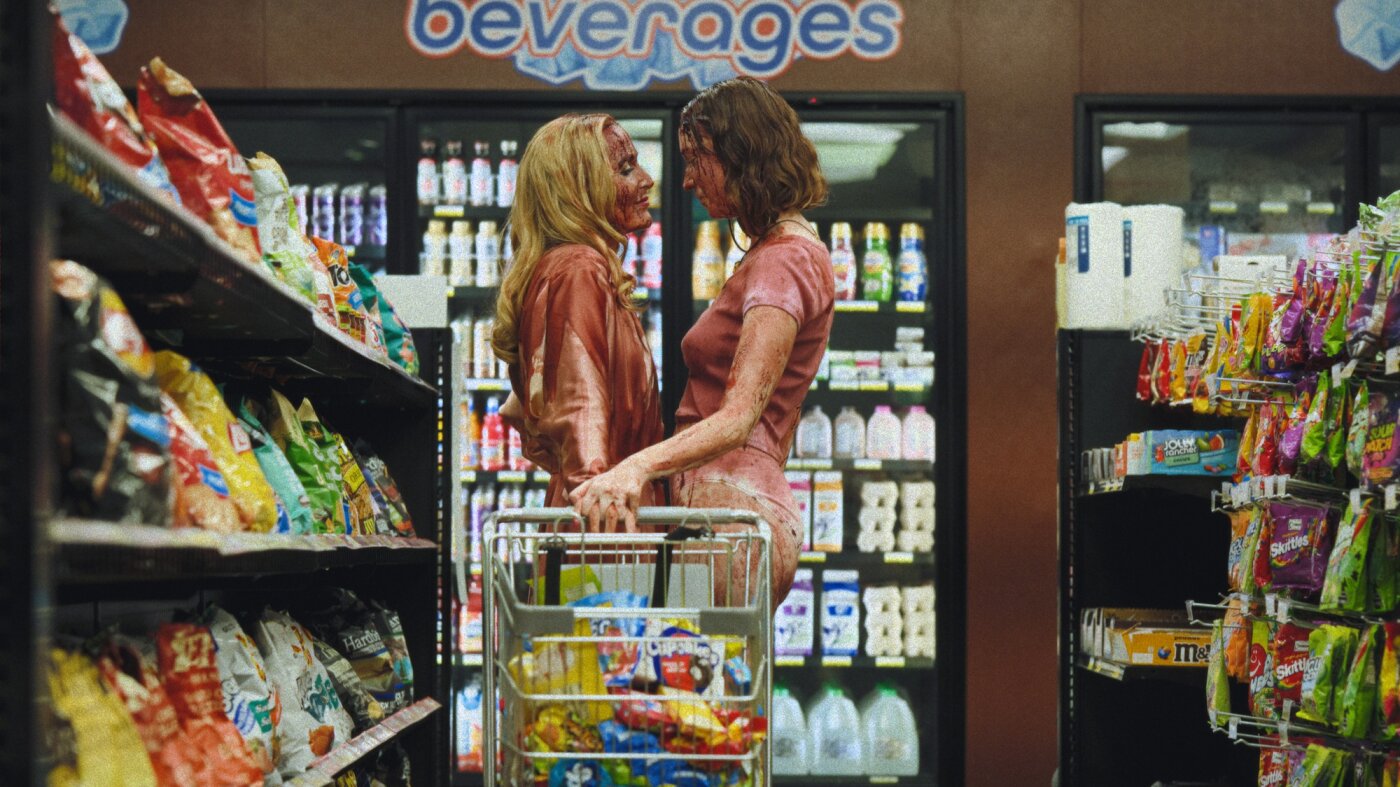
Director Jane Schoenbrun’s slick new slasher fantasy film, “Teenage Sex and Death at Camp Miasma,” paints the banalities of bad sex like the one Billy (the aforementioned teen, played by Amanda Fix) has as a villain on par with Jason Voorhees or Michael Myers – and makes an argument for pursuing fantasy and pleasure as a path to self-actualization.
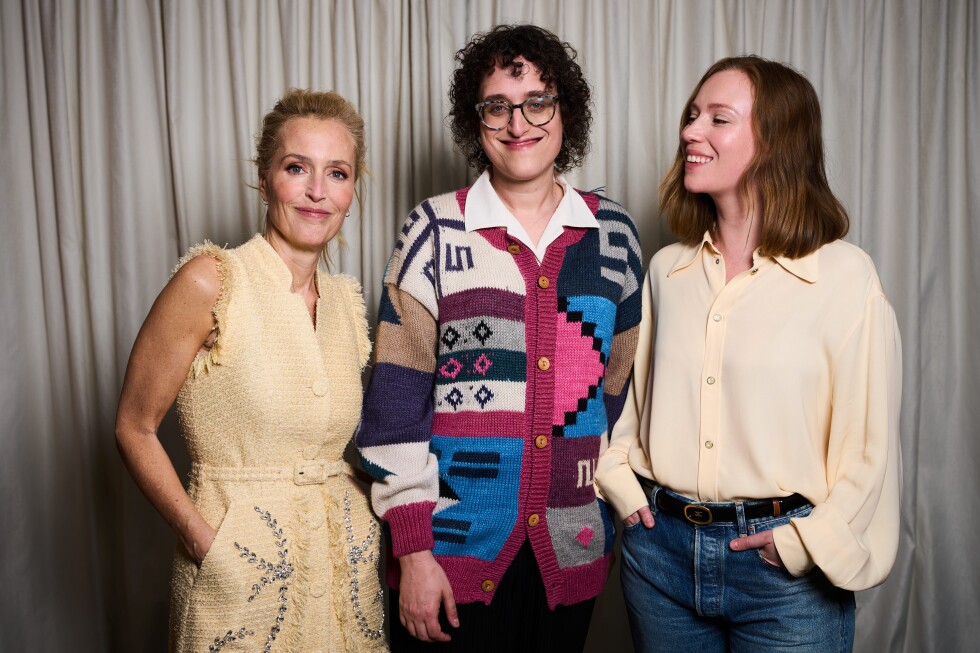
It’s a movie, Schoenbrun said, “about learning how to have good sex.” That’s a skill Schoenbrun, a 39-year-old trans filmmaker, had to learn “after many, many years pre-transition of being just like fully dissociative and avoidant around sex.”
The director says it’s hard to have good sex “unless you’re present in your own self and body and identity, which was foreclosed to me before I became myself in transition.”
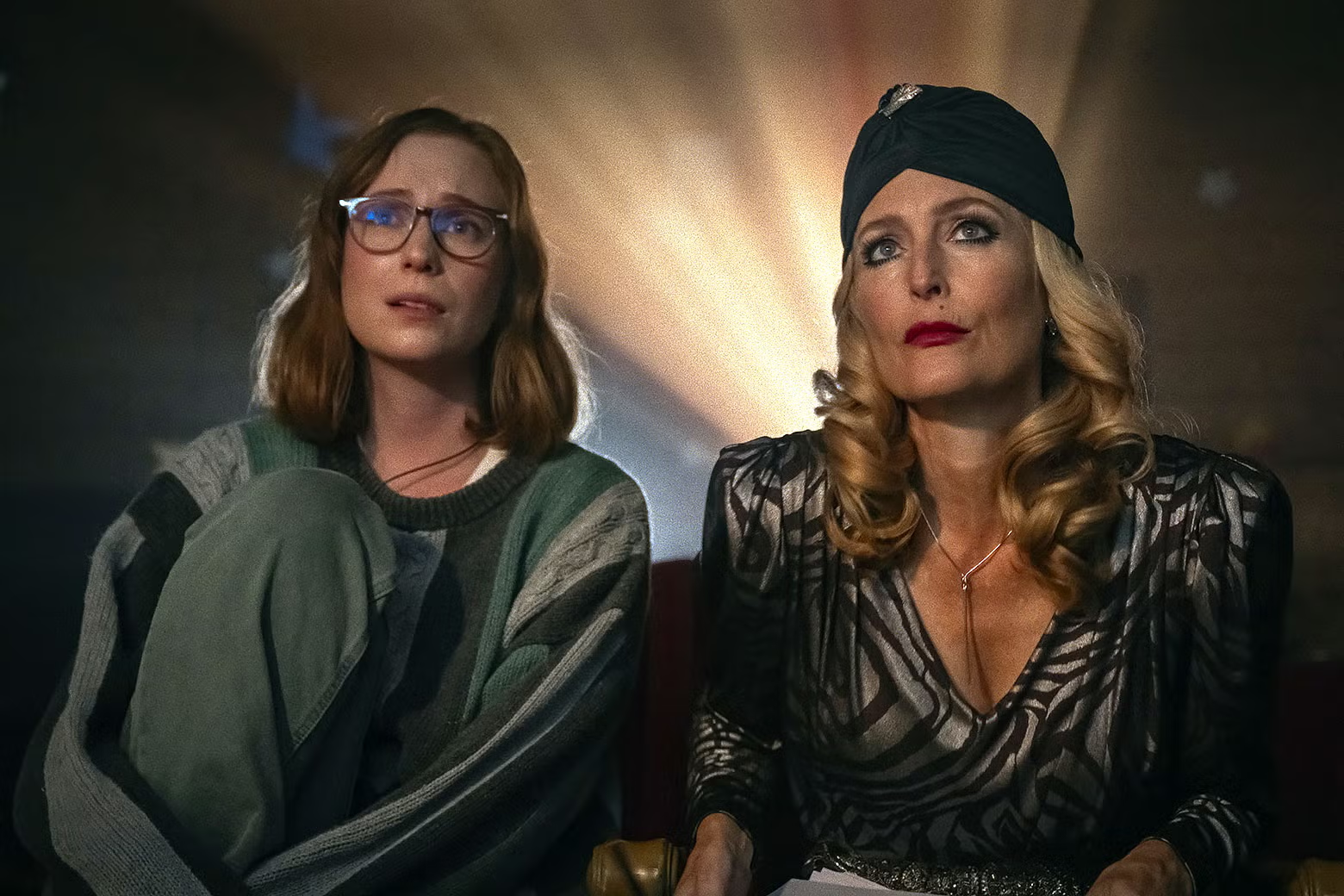
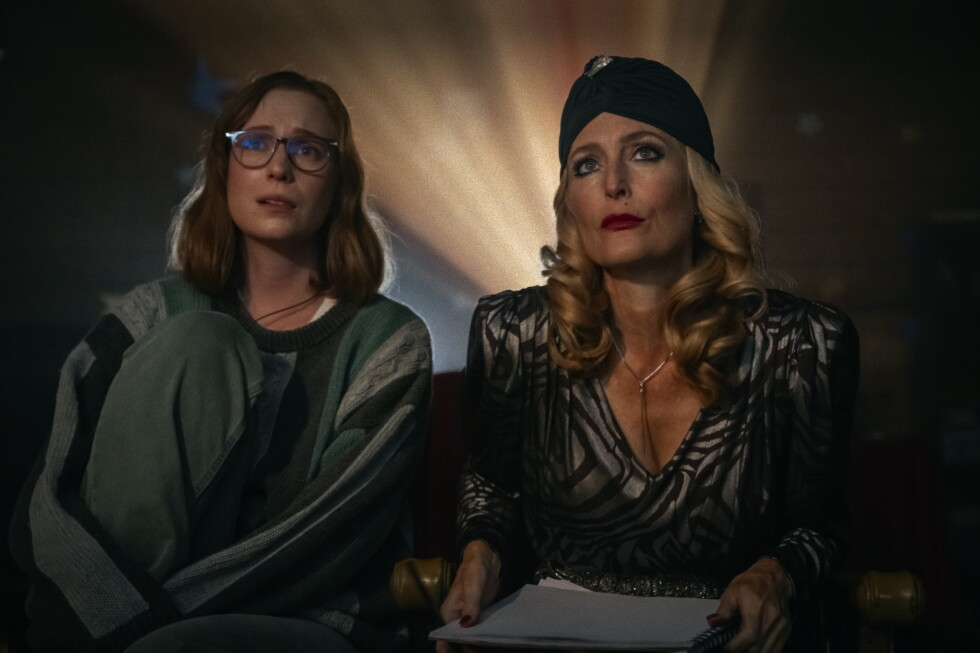
“Teenage Sex and Death at Camp Miasma,” which scored the Queer Palm at the Cannes Film Festival, is Schoenbrun’s most mainstream venture yet, with name-brand stars (“Hacks” actress Hannah Einbinder and “X-Files” legend Gillian Anderson) and a real marketing budget. It’s an experimental love letter to the schlocky slasher films of the ‘80s (with gore that leans camp) and a stoner romantic comedy dressed up as an erotic thriller that critiques horror’s transphobic tropes. But it’s sex — and the struggle to be present enough to have it well — that provides the most fertile material for Schoenbrun to play with.