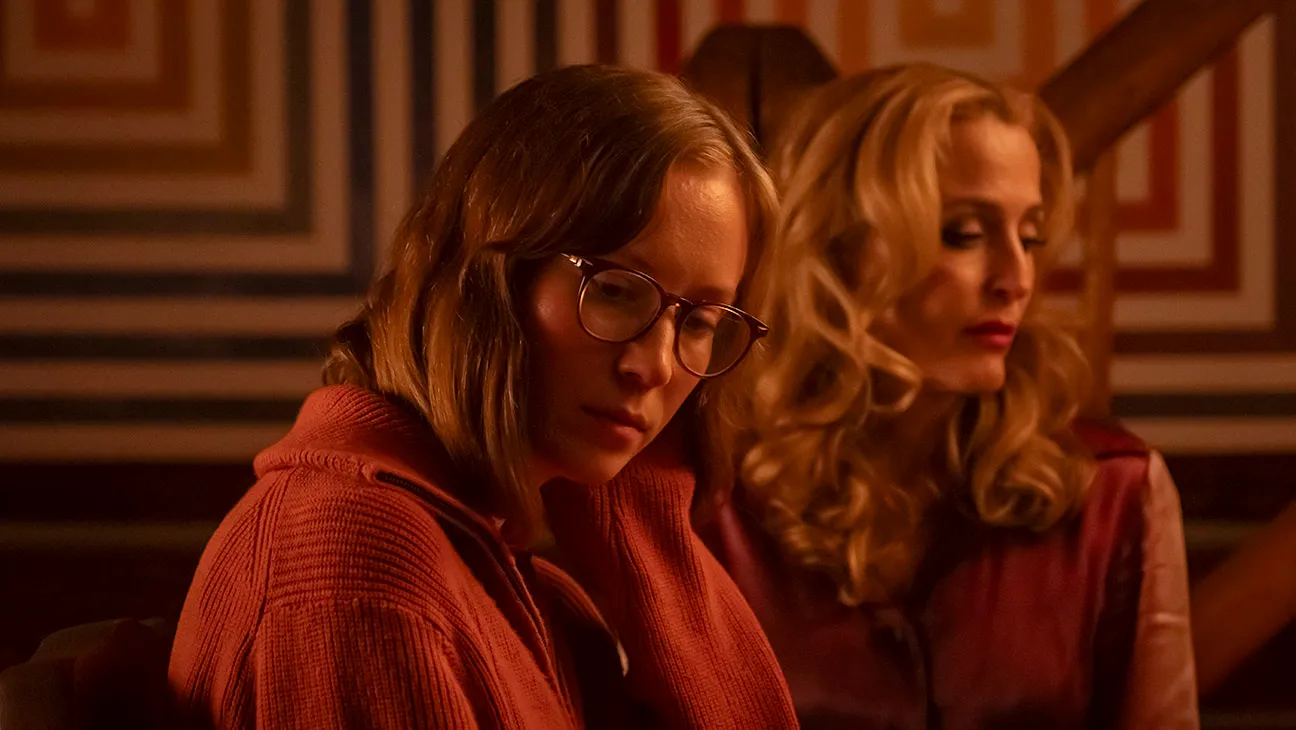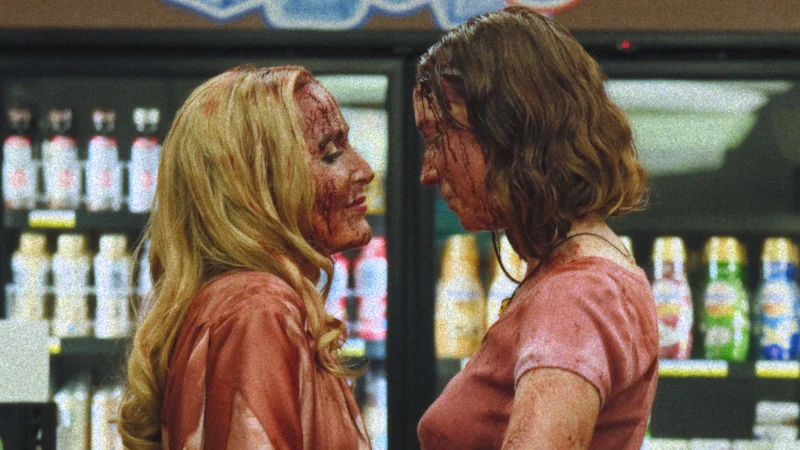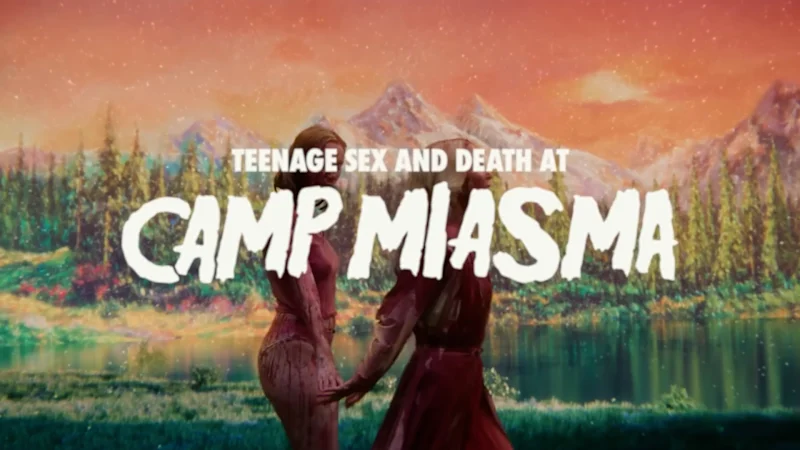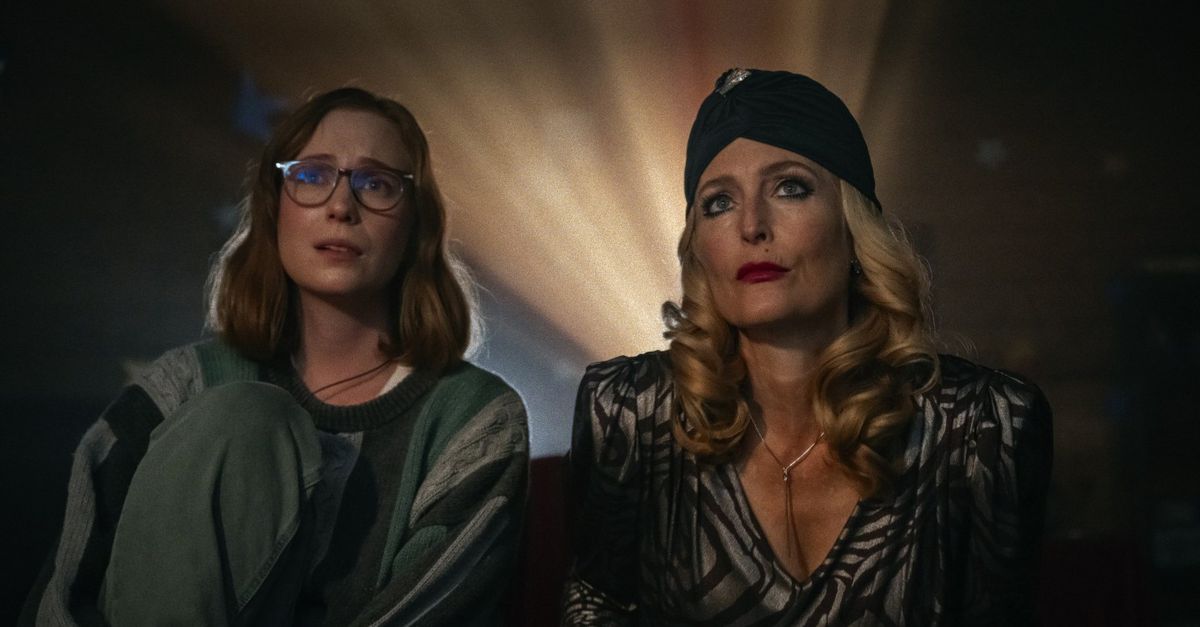
It was an unexpected turn of events after seeing Jane Schoenbrun’s buzzy third feature “Teenage Sex and Death at Camp Miasma.” Suddenly, after nearly 30 years of not thinking about the Counting Crows, their 1996 ballad “A Long December” was firmly stuck in my head, and it wouldn’t go away. The film itself, a playful pastiche of shlocky, problematic slasher films, and send up of the pressure to create within the confines of Hollywood reboot culture, had not left me especially transported. It seemed, at first, like something that had been made expressly for film snobs and critics, the kind that flatters insider knowledge, niche fandoms and unabashed love of bad movies, a self-consciously styled cult classic in the making. But I couldn’t stop thinking about that song, and the strangely sublime sequence that accompanies it. “A Long December” was so ubiquitous when I was around 12 and 13 that it barely even registered as something to be moved by. I had no warm nostalgia for it; It was a song that I knew simply because it was there.
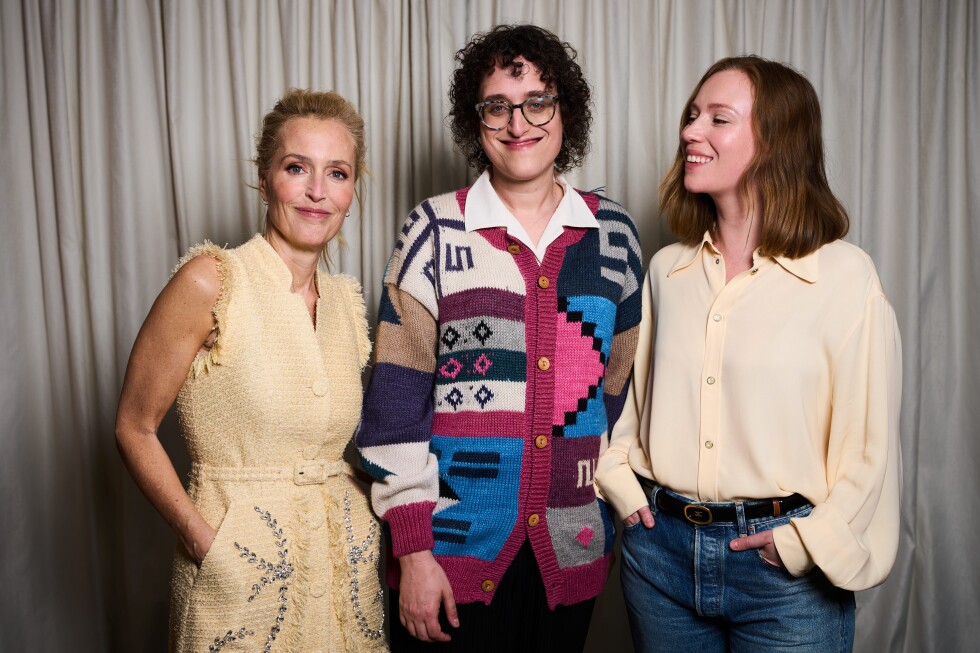
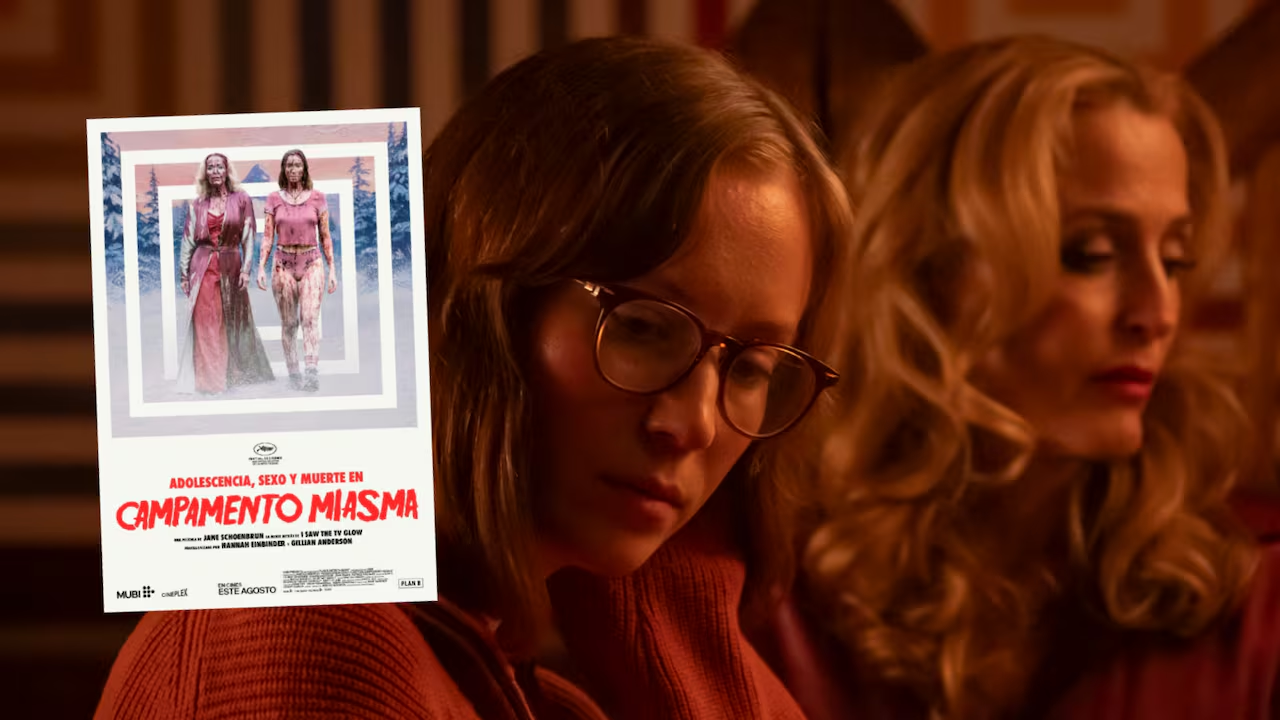
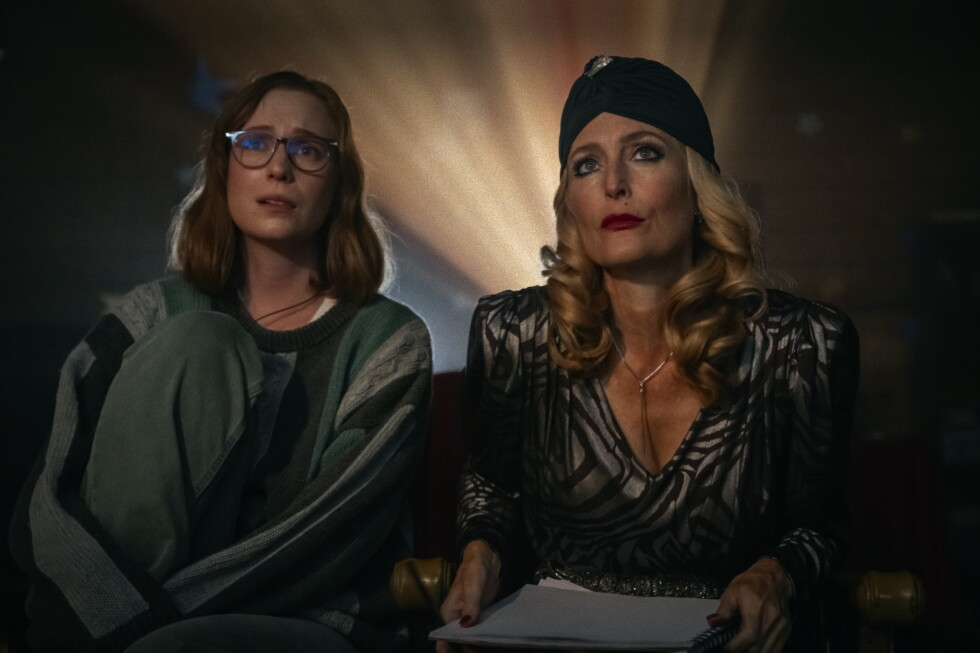
And yet in the context of “Teenage Sex and Death at Camp Miasma,” a movie that I wasn’t even sure I liked very much at the time, in which it accompanies a pivotal and profound moment of carnage and catharsis, I fell in love with it. For weeks, it’s been playing on repeat in my head. This might seem like a weirdly small detail to focus on, but it was my truthful entry point to reconsidering a movie that is so personal to its filmmaker that it’s difficult to know how to even approach a review.Schoenbrun is the most high-profile trans director working now and much of the heartbreak, horror and humor of that is embedded in “Camp Miasma,” in which Hannah Einbinder plays Kris a “Sundance wunderkind” director who has been hired to reboot a 1980s horror franchise and wants to recruit the original final girl Billy Presley (Gillian Anderson) for the project.