HUNTSVILLE, Ala. — Uncertainty over Golden Dome’s long-term funding is hanging over the Pentagon’s missile defense plans, even as defense executives say money is beginning to reach contracts for satellite sensors, interceptor weapons and other programs now grouped under the initiative.
The Defense Department describes Golden Dome as a layered homeland defense architecture linking sensors, interceptors and command systems across land, sea, air and space. Most details remain classified, limiting what contractors can say about their specific roles. Executives nevertheless have highlighted the program as a source of future growth.
Their comments suggest the most immediate business is concentrated in relatively mature capabilities: missile-warning and tracking satellites, ground-based interceptors, infrared sensors, directed-energy demonstrations, systems engineering and test support. The more speculative elements — particularly a large operational constellation of space-based interceptors — remain in development.
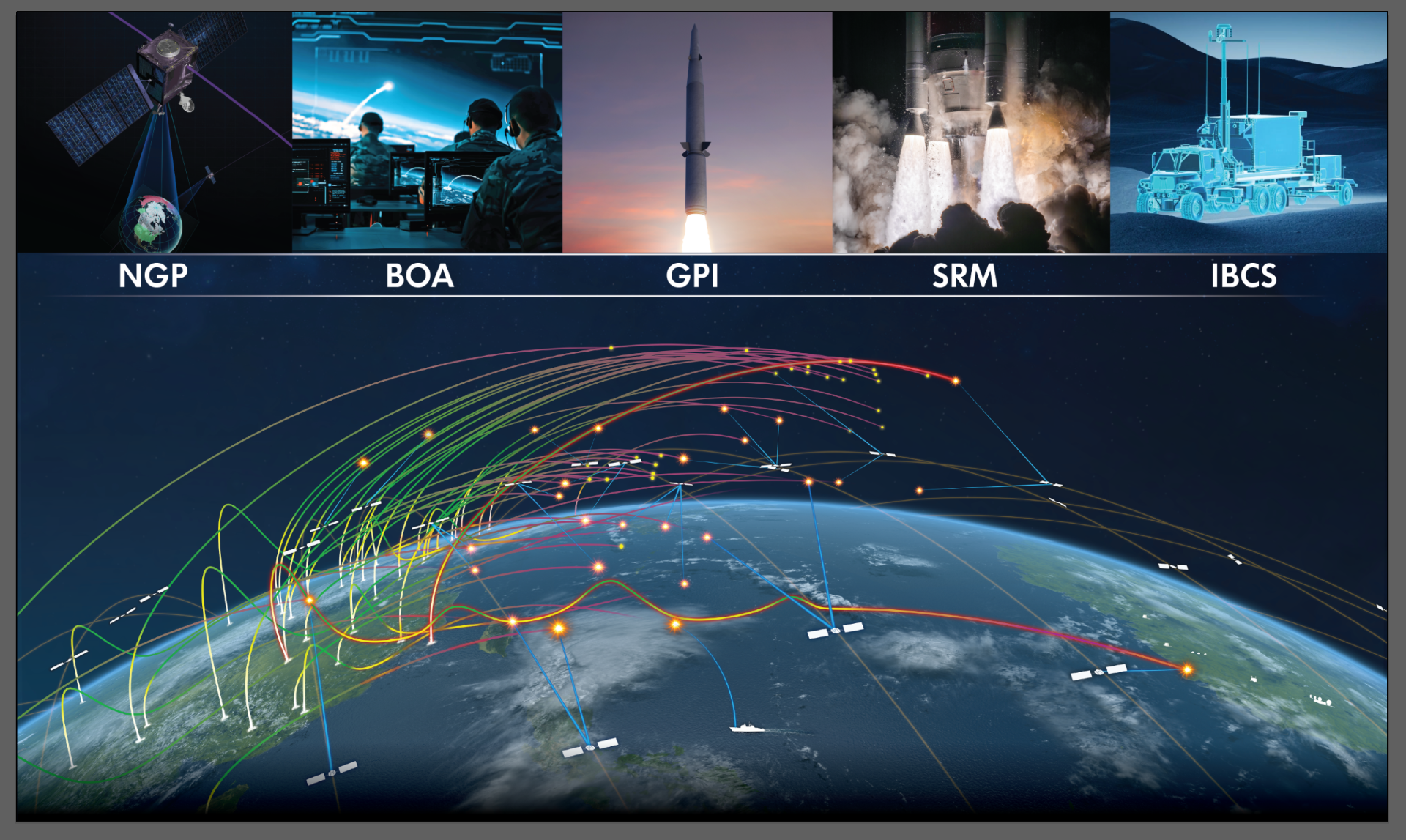
Northrop Grumman’s missile defense portfolio illustrates where much of the early Golden Dome spending is flowing. Rather than funding an entirely new generation of systems, the initiative is building on existing programs already in development, including next-generation missile-warning satellites, infrared tracking networks, hypersonic interceptors, command-and-control systems and expanded rocket motor production. At the same time, Northrop is among the companies competing for Golden Dome’s new space-based interceptor program, where it is teamed with satellite manufacturer Apex to develop an orbital interceptor concept.