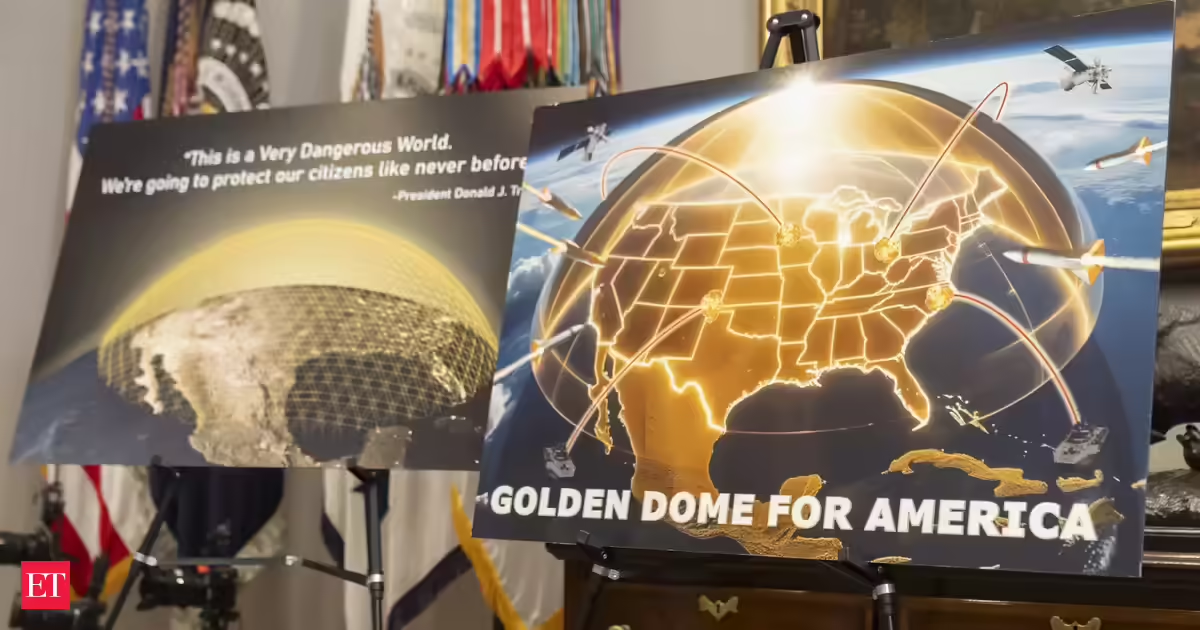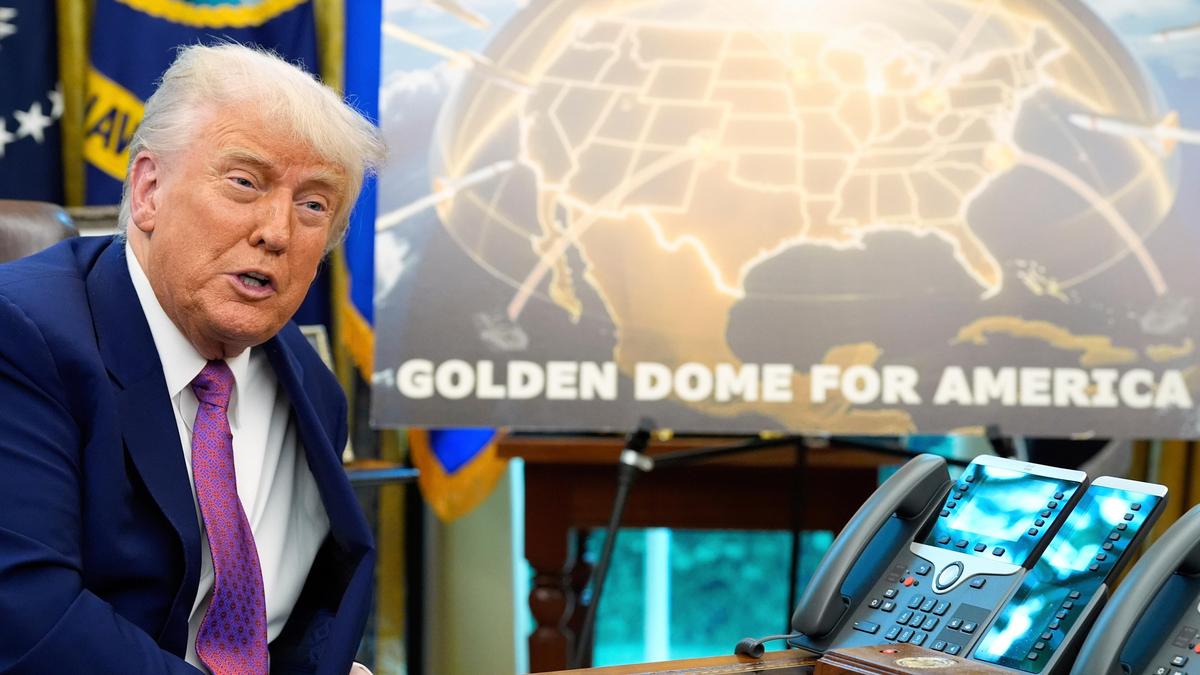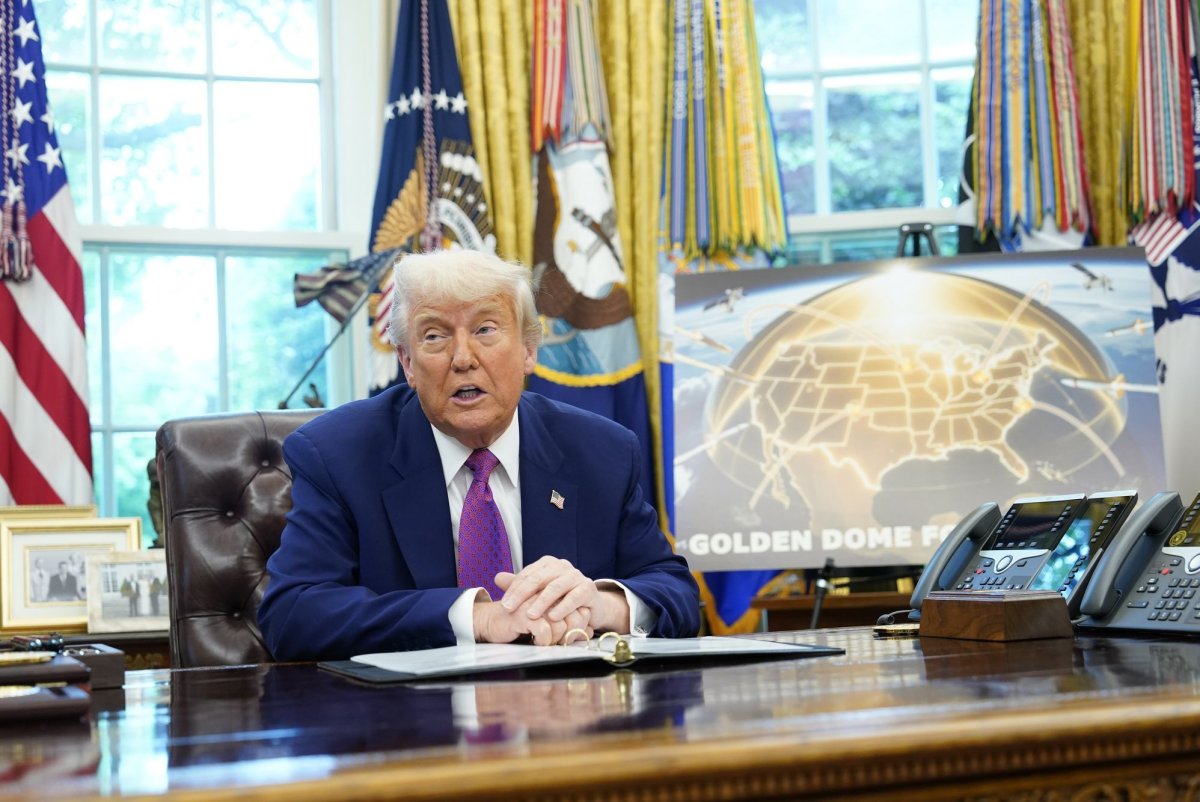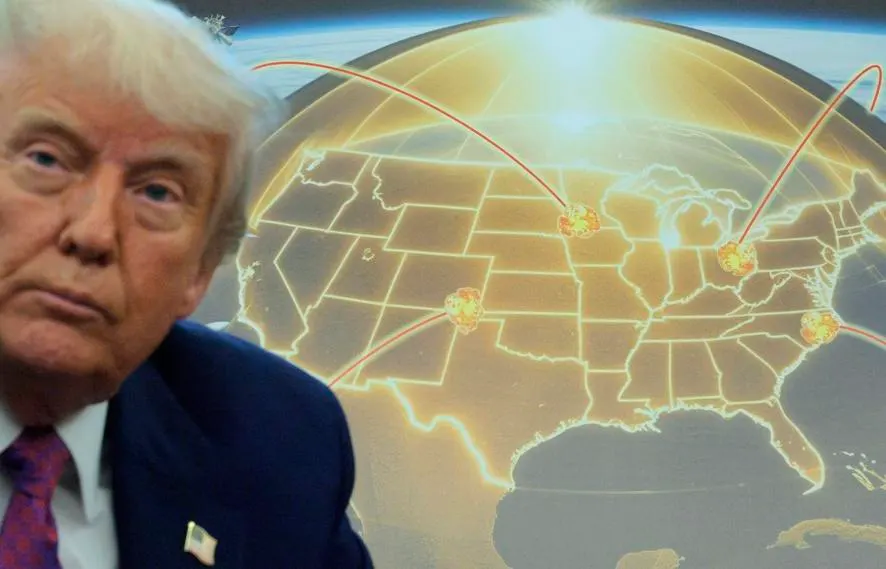
In early May 2026, the Congressional Budget Office (CBO) reported a cost estimate of $1.2 trillion for the Golden Dome for America homeland missile defense system. This stood in sharp contrast to the estimate that Pentagon senior officials provided to the House’s Subcommittee on Strategic Forces in April—$185 billion. The CBO report stated that even at the $1.2 trillion estimate, the resulting system “would not … be able to fully counter a large attack of the sort that Russia or China might be able to launch.” When asked about the budget office’s higher cost estimates, the program director of Golden Dome, General Michael Guetlein, responded that “[the CBO] is not estimating what I’m building.”
This level of misalignment across defense budget decision makers is highly unusual and while many aspects surrounding Golden Dome remain unclear, one thing is certain: If the program is to have a productive future, the Department of Defense, Congress, and the broader administration will need to get on the same page quickly.
Improved US homeland missile defense is needed
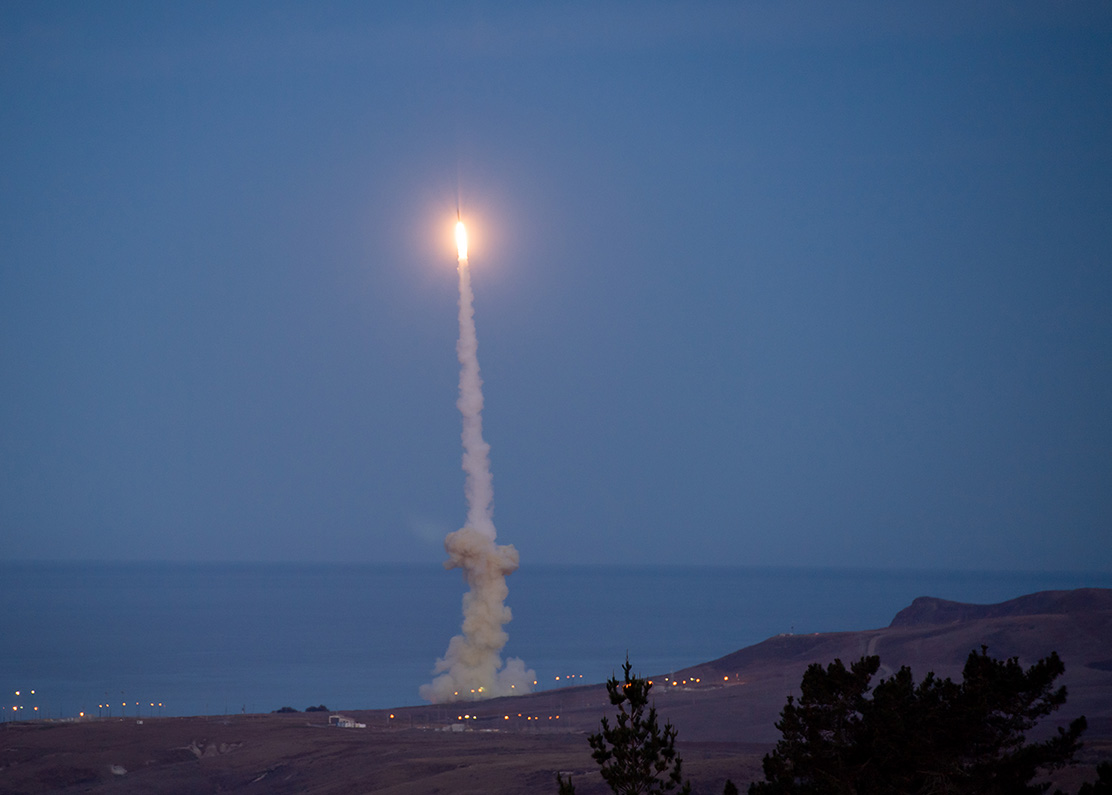
Driving the need for Golden Dome is the emergence of highly maneuverable, next-generation weapon systems—such as hypersonic missiles, advanced cruise missiles, and intercontinental ballistic missiles—which Russia and China are actively fielding. The fact that the United States possesses a very limited number of missile defense interceptors protecting the homeland adds to the sense of urgency. US territory is currently protected from intercontinental ballistic missile attack by the Ground-Based Midcourse Defense System. The Missile Defense Agency, which currently receives approximately ten billion dollars a year, developed the system, activated the system in 2004, and has ongoing programs to upgrade its technology. The Ground-Based Midcourse Defense System connects overhead satellite missile warning systems to radars and long-range interceptors. It stands watch against incoming missiles 24/7 and has forty-four missile interceptors deployed to Fort Greely in Alaska and Vandenberg Space Force Base in California. While the interceptors have a continent-wide engagement capability, the limited fleet would be overwhelmed by an attack of even moderate scale. As Guetlein reported in his prepared statement to the House subcommittee on April 15: