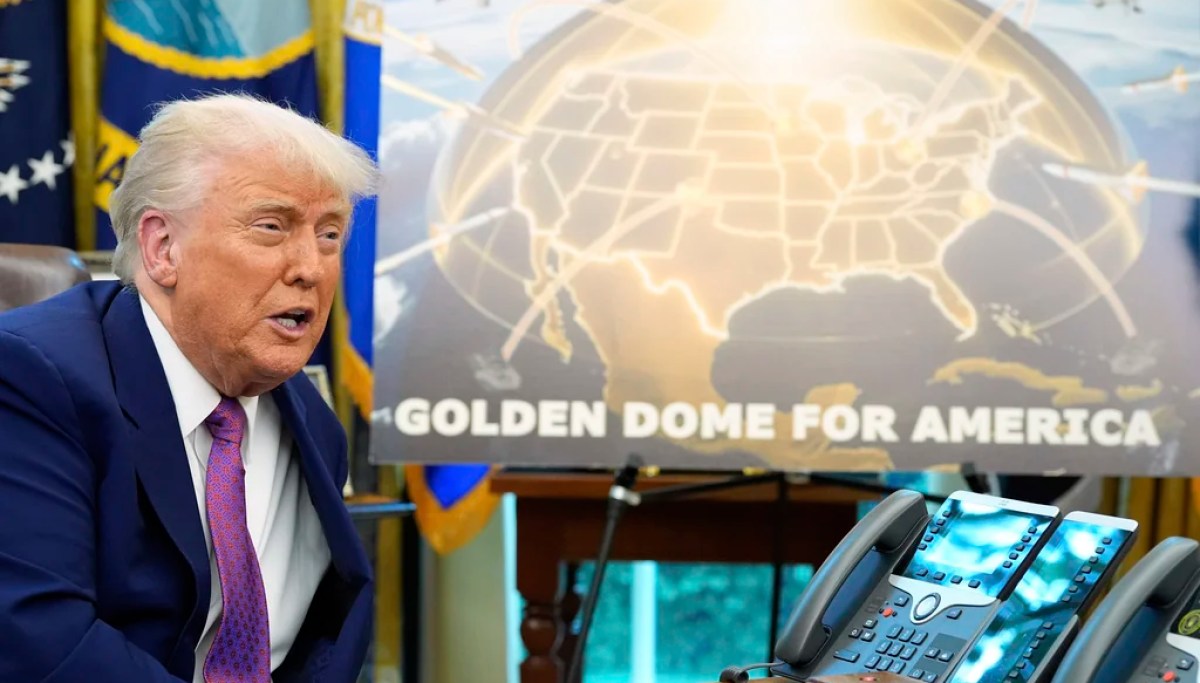
WASHINGTON — Pentagon officials overseeing Golden Dome are trying to convince commercial space founders, venture investors and software companies that missile defense can be built more like a modern technology platform than a traditional weapons system.
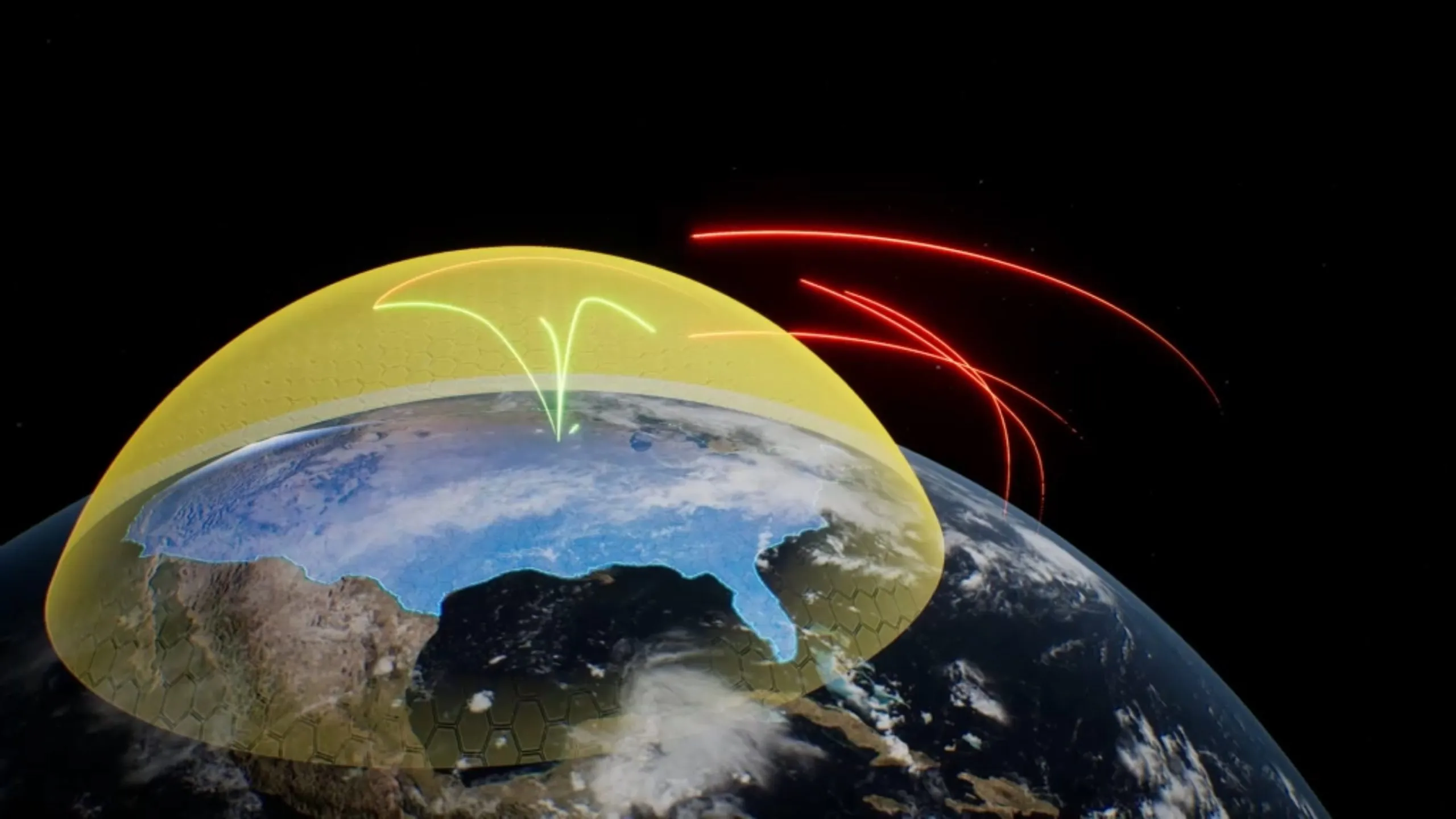
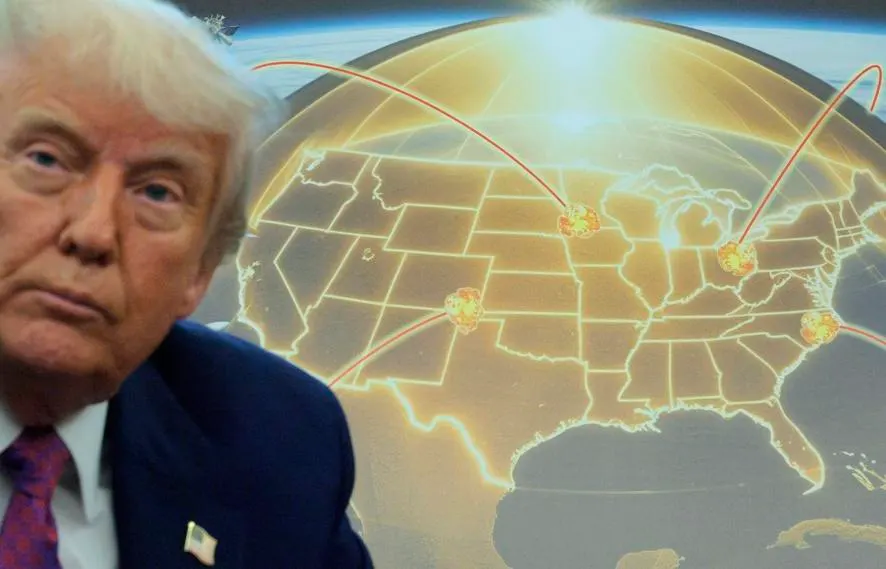
That effort is reshaping the ecosystem forming around Golden Dome, President Donald Trump’s proposed missile defense architecture intended to defend the U.S. homeland against ballistic, cruise and hypersonic missiles. The initiative envisions a layered network of sensors, communications systems and potentially space-based interceptors capable of tracking and engaging threats across air, ground and space domains.
The technical challenges are immense. So are the economic ones.
At conferences, industry meetings and investor gatherings, Golden Dome officials have been signaling that the Pentagon cannot build the system using conventional defense acquisition models alone. Instead, they are looking to commercial space manufacturing, reusable launch systems, software-driven operations and private investment capital as ways to reduce costs and accelerate timelines.
“Our intent is to build a gateway that will provide a single point of entry for anyone that wants to come in and see the Golden Dome problem set … and then provide innovative solutions that perhaps we haven’t even thought about yet,” Marcia Holmes, deputy director of Golden Dome for America, said last week at a conference hosted by Tectonic & Payload.