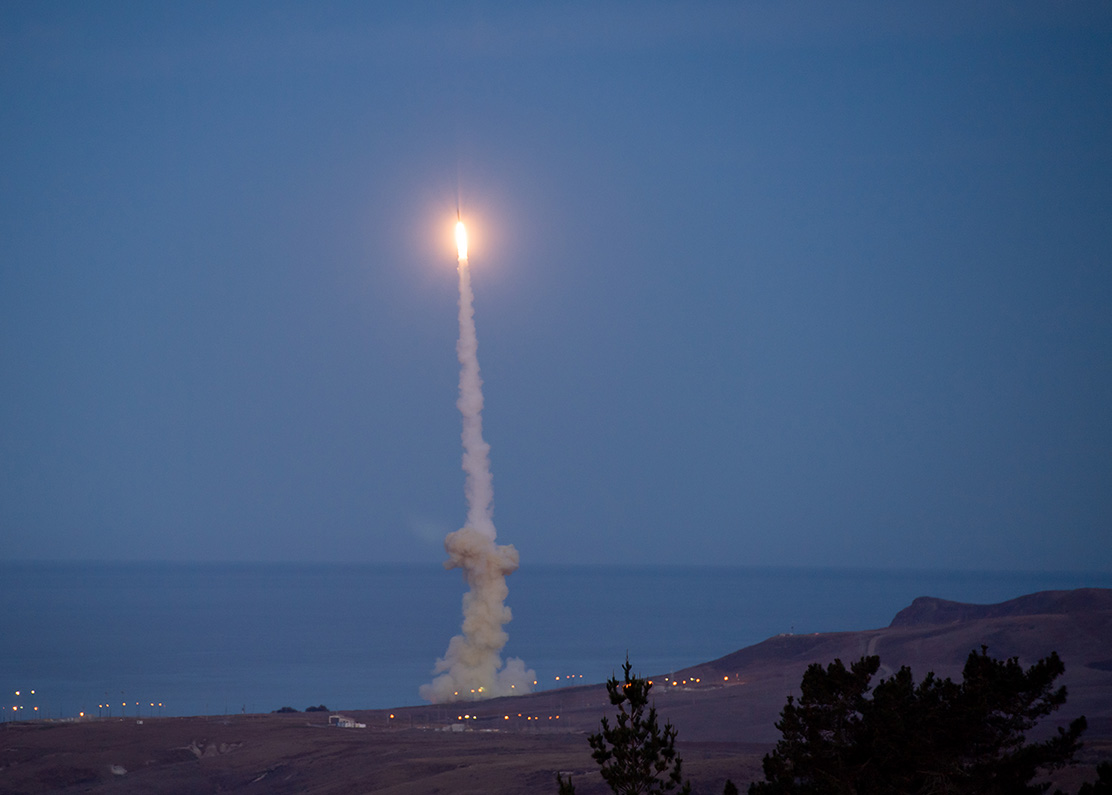
The US military is preparing to test space-based missile defense technology before the end of 2025, with plans for a full demonstration by 2027. The effort falls under the Pentagon’s Golden Dome initiative, a sprawling program that could ultimately cost $185 billion and represents the most ambitious expansion of American missile defense architecture in decades.
If the phrase “space-based missile defense” sounds like it was pulled from a Reagan-era fever dream, that’s because it basically was. The concept dates back to the Strategic Defense Initiative of the 1980s, colloquially known as Star Wars, which envisioned orbital weapons capable of shooting down incoming nuclear missiles.
What Golden Dome actually looks like
At its core, the program is designed to counter a new generation of threats that traditional ground-based missile defense systems struggle to handle. Hypersonic missiles, maneuverable warheads, and increasingly sophisticated ballistic weapons from adversaries like China and Russia have exposed gaps in existing defenses. Interceptors positioned in orbit could theoretically engage these threats earlier in their flight path, before they have a chance to maneuver toward their targets.