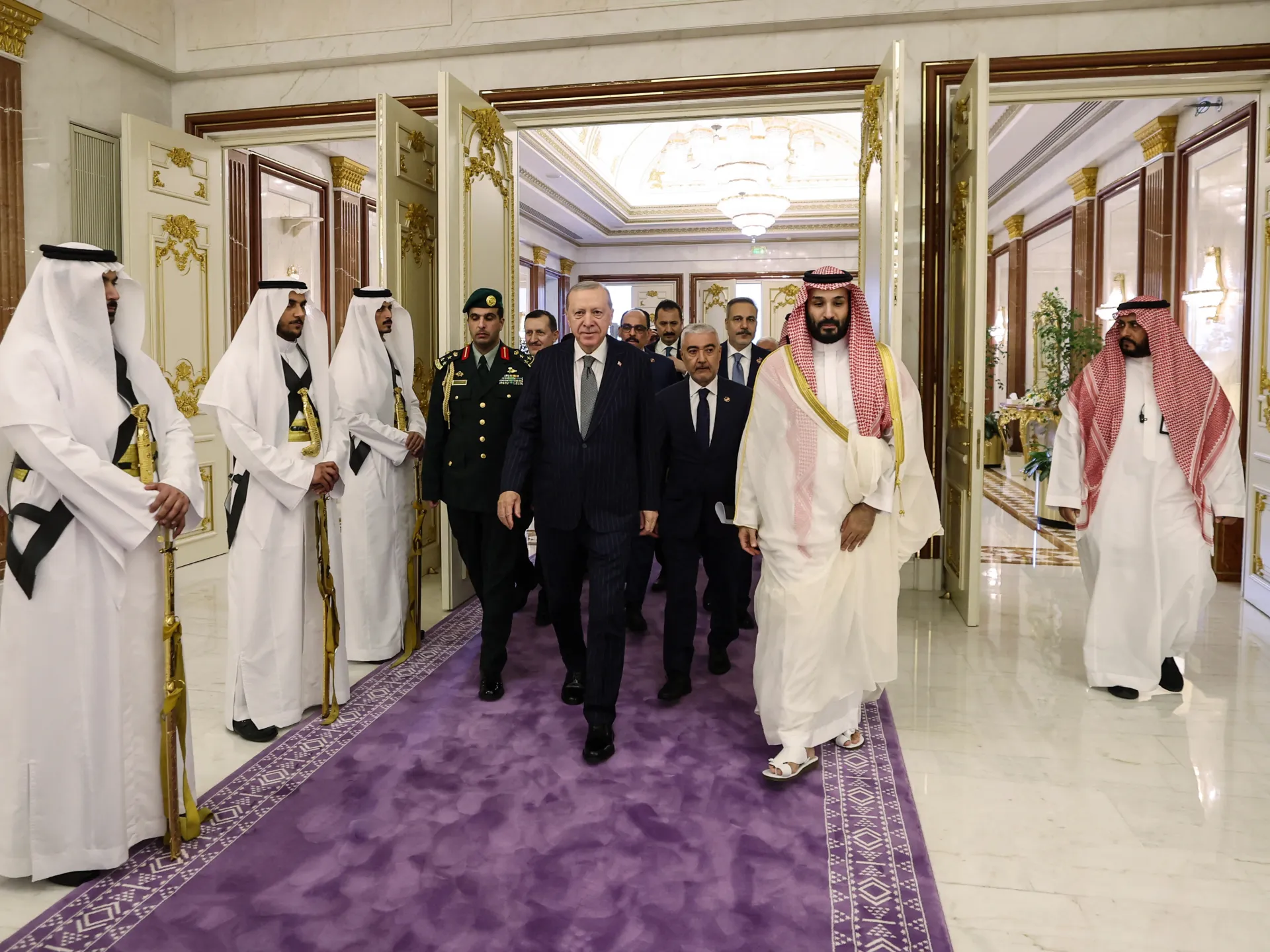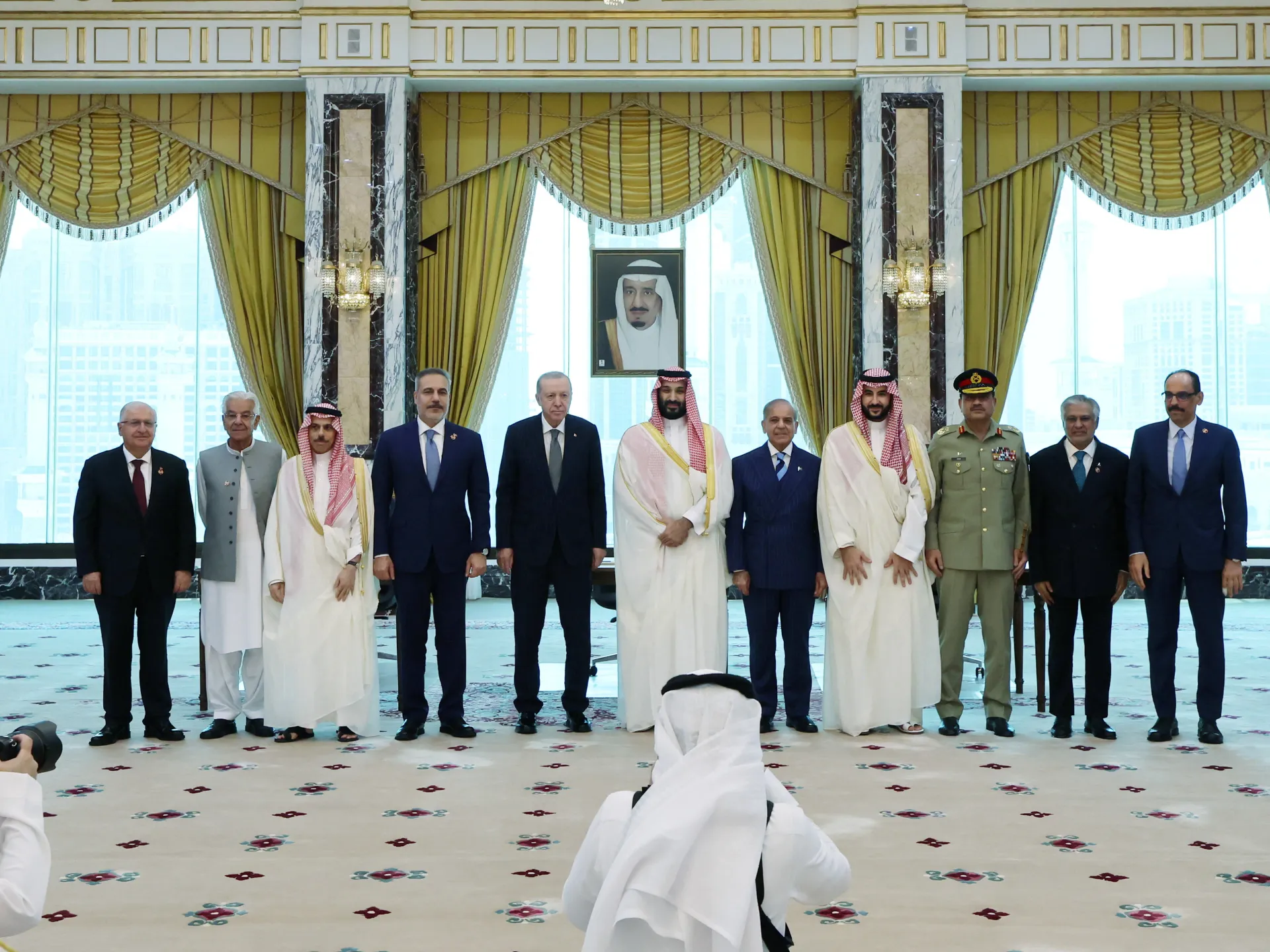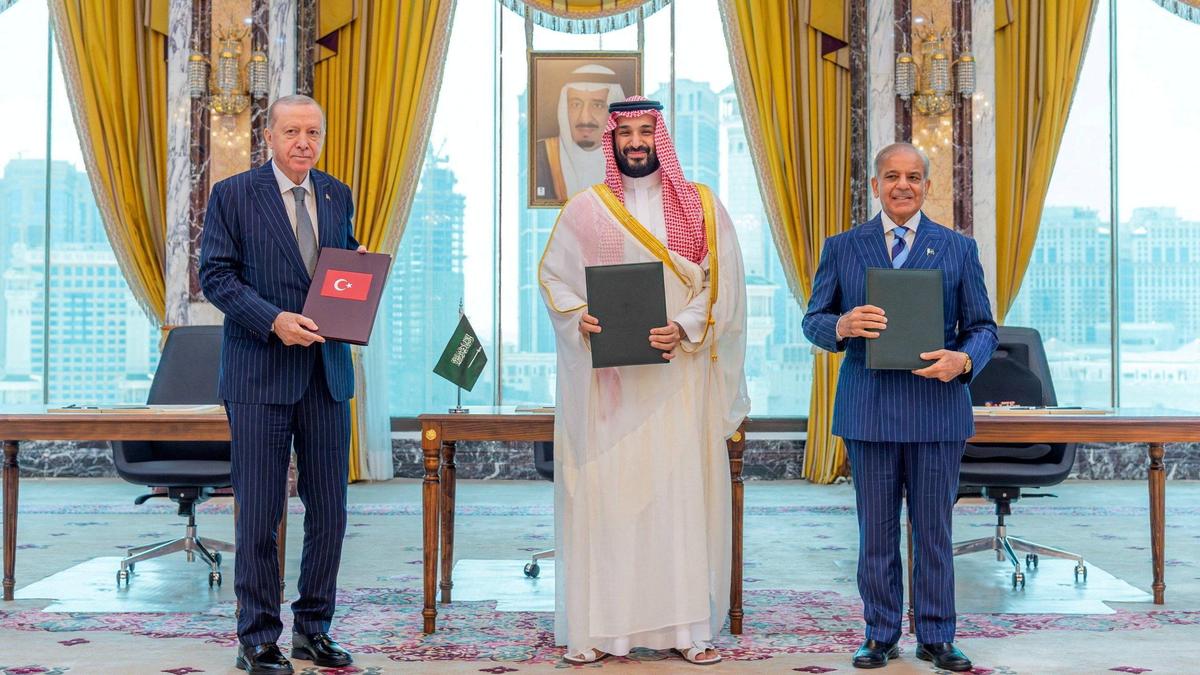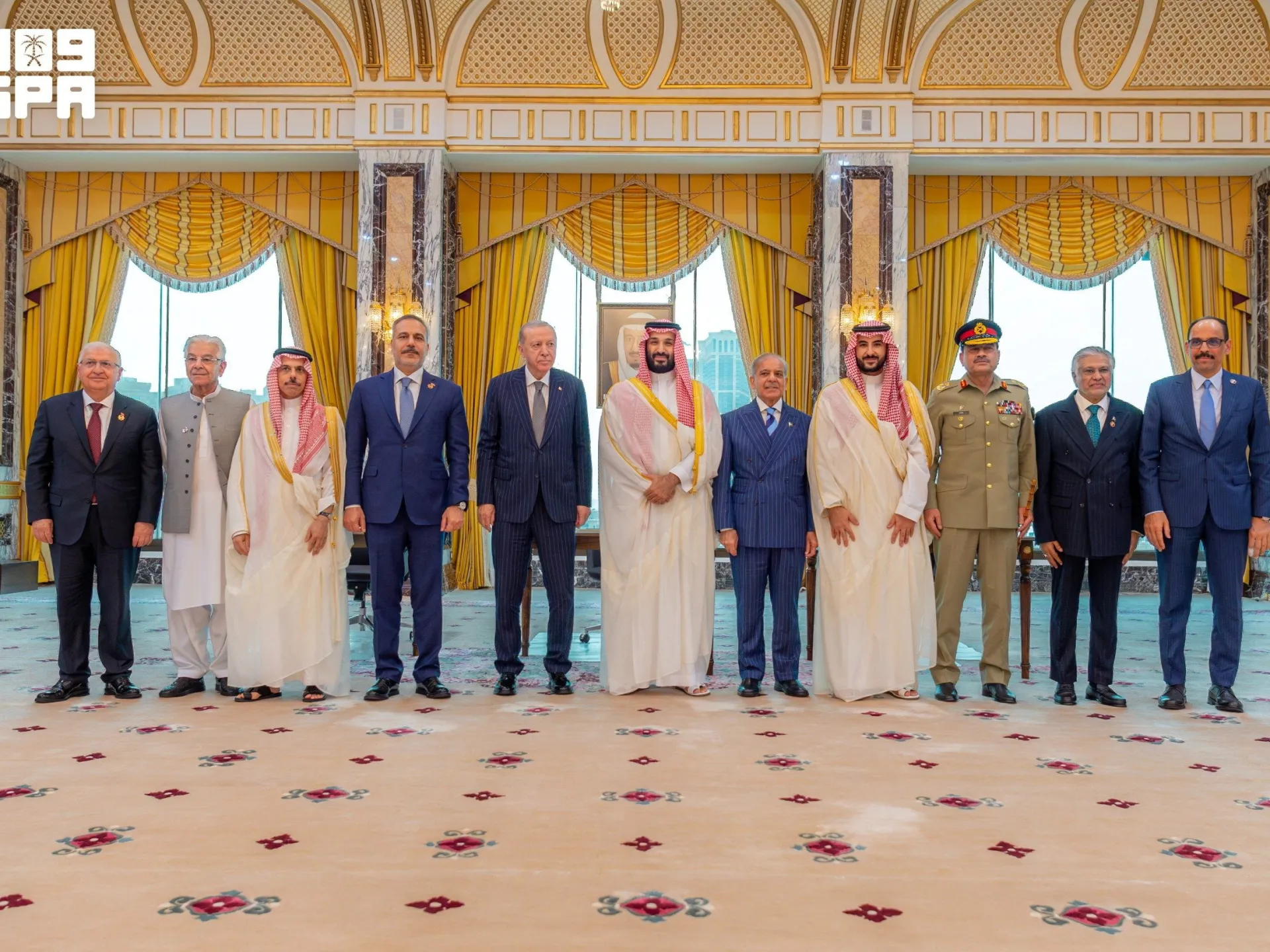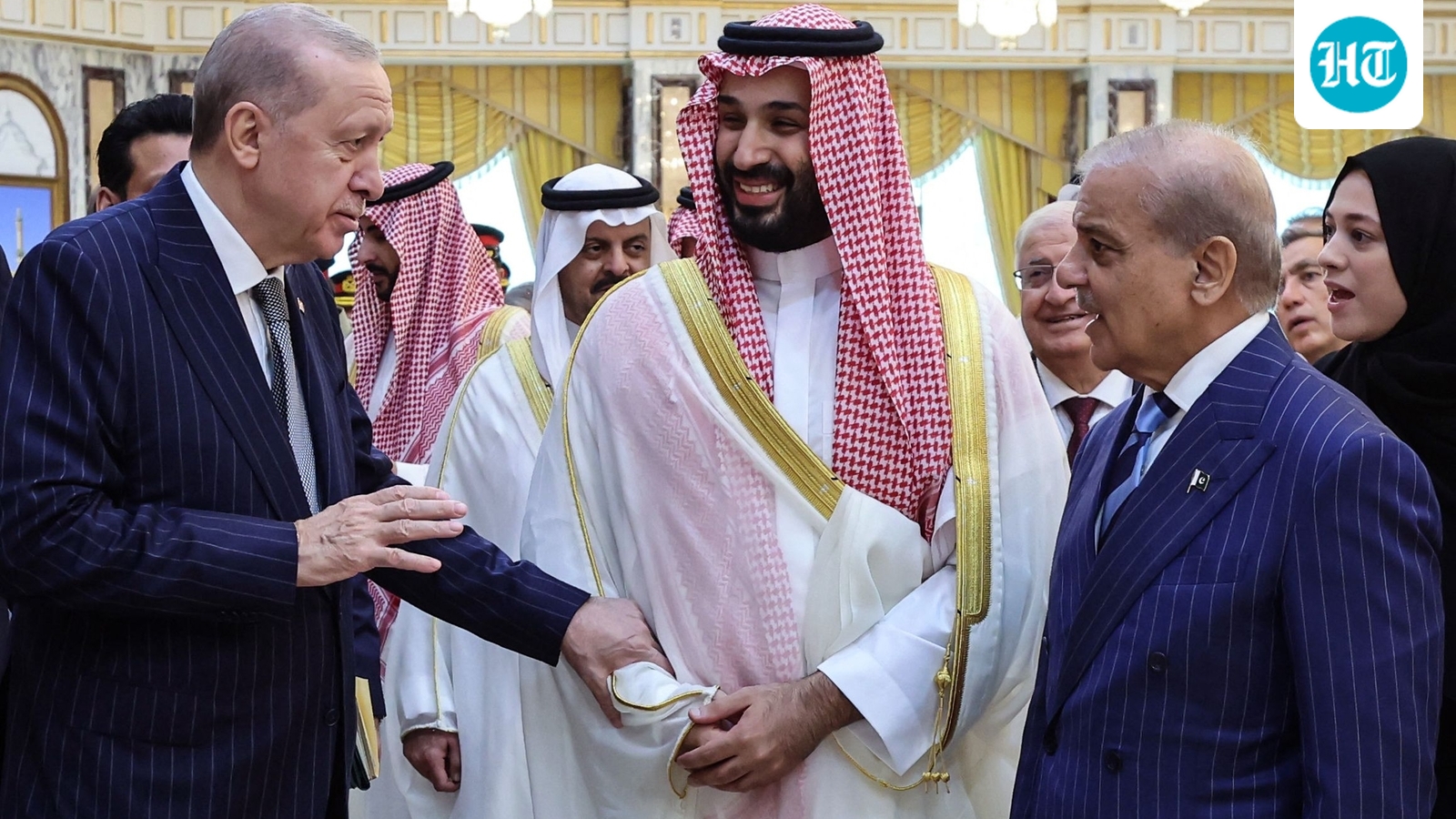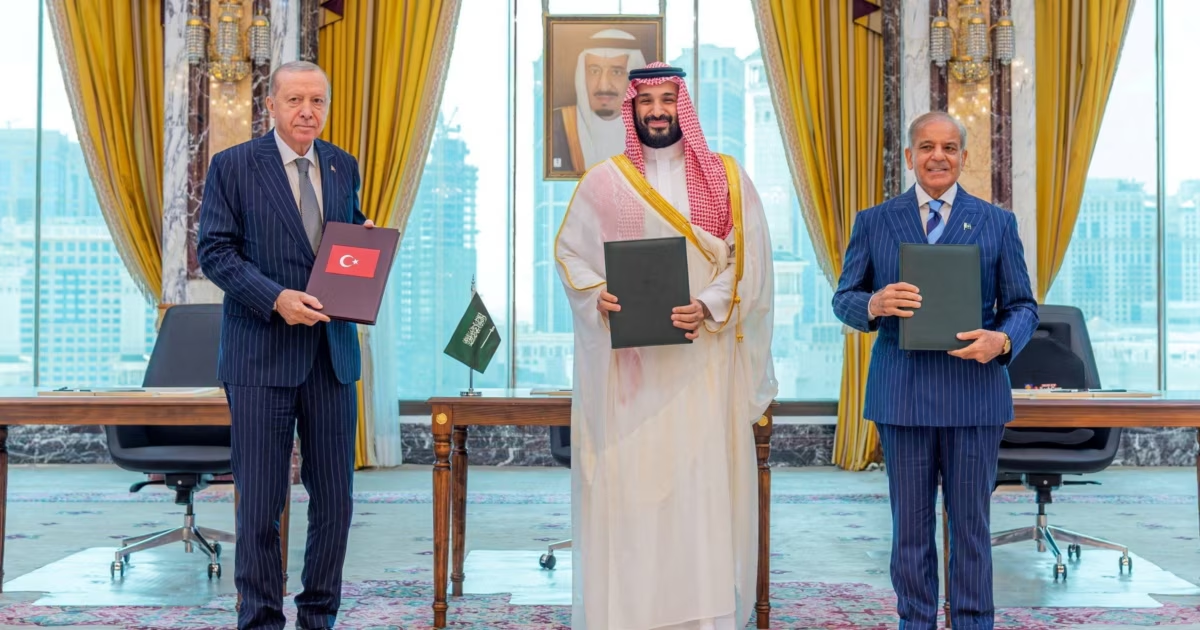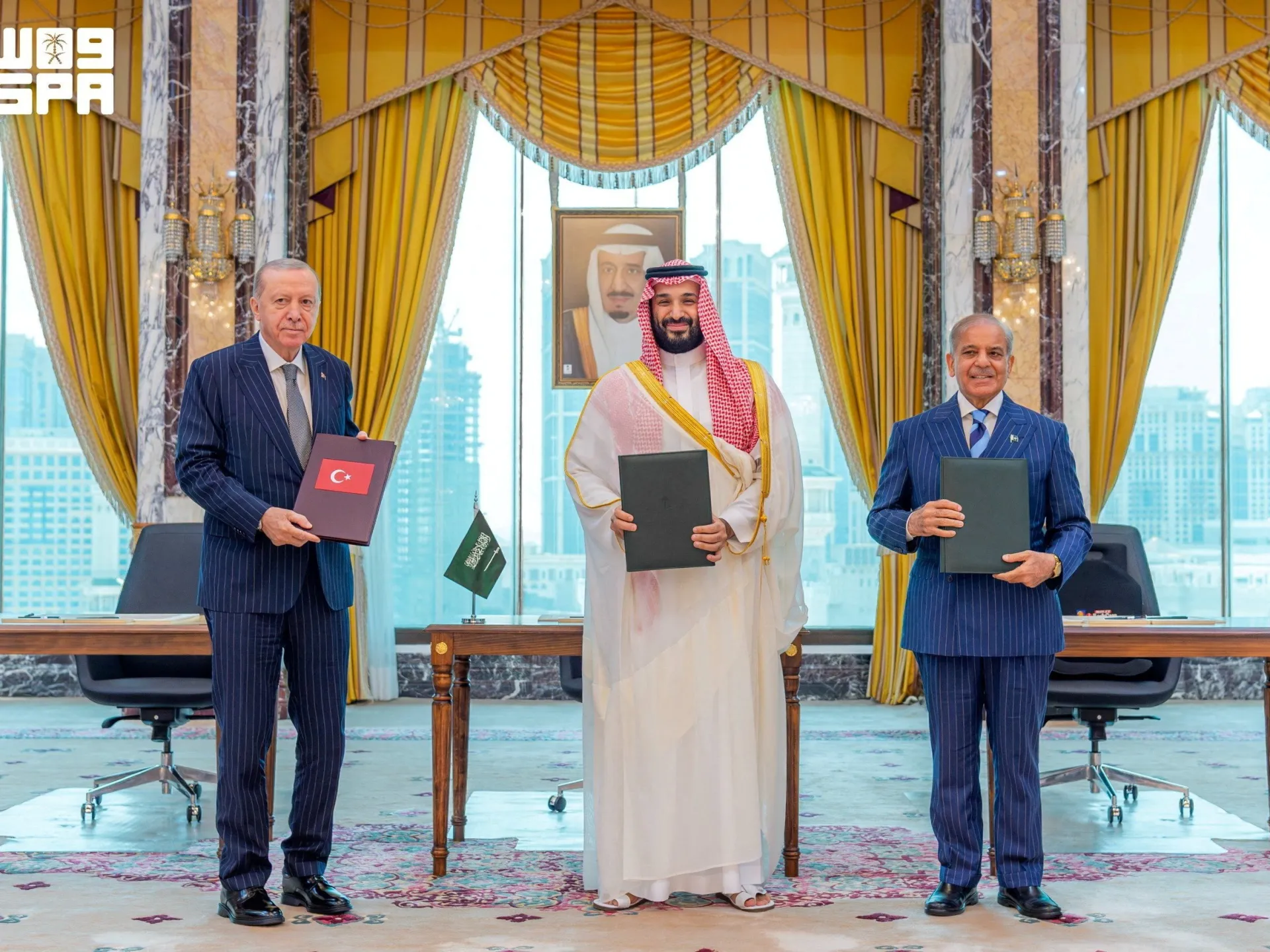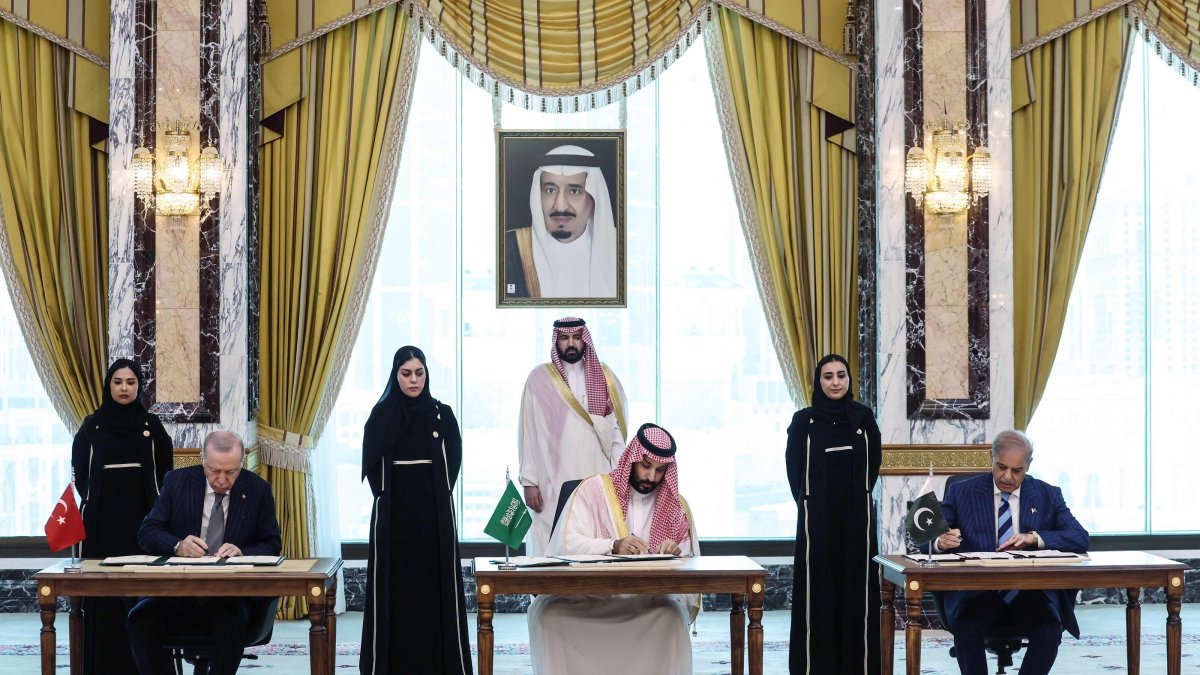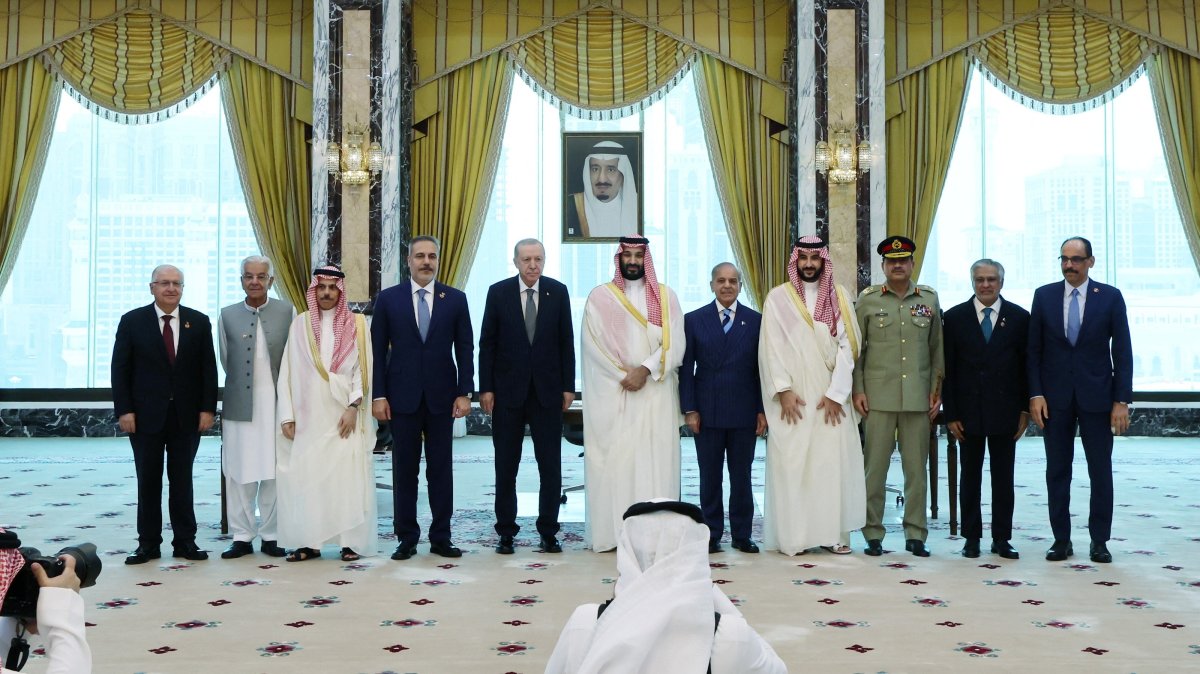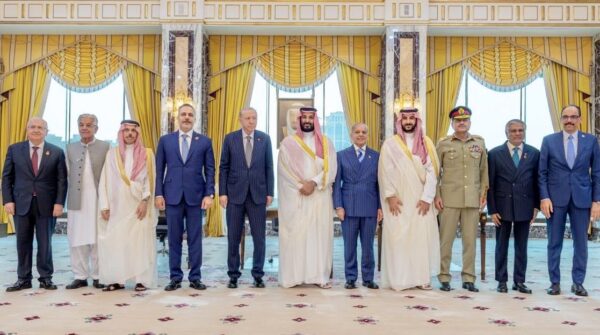
The signing of the Mecca Joint Defense Agreement by Pakistan, Saudi Arabia, and Türkiye on August 7 is a significant development. The pact is the first formal regional security agreement to be formed as a direct result of the conflict between the U.S. and Iran. The agreement reflects the lessons that key regional actors have drawn from the crisis as they seek to redefine their place within a security order long dominated by the U.S.
The West Asia war has revealed that the American defense umbrella in the form of forward bases in the region is not adequate in protecting Saudi Arabia and the other Gulf Arab states from Iranian attacks. Rather, the U.S. military presence in these states pulled them directly into the conflict, making them targets of Iran and its regional allies. Additionally, the Israeli military’s approach to the Palestinian question and its bombing of the people of Gaza have drawn widespread ire in the Muslim world.
For decades, Washington served as the sole security guarantor in the Gulf. The emergence of a formal defense pact among key regional players that excludes the U.S. is may chip away at Washington’s leverage in the region. While this erosion of influence may not become fully apparent in the short term, it is likely to assume greater significance in the coming years, particularly with respect to arms sales, the negotiation of military basing rights, and the management of regional crises.