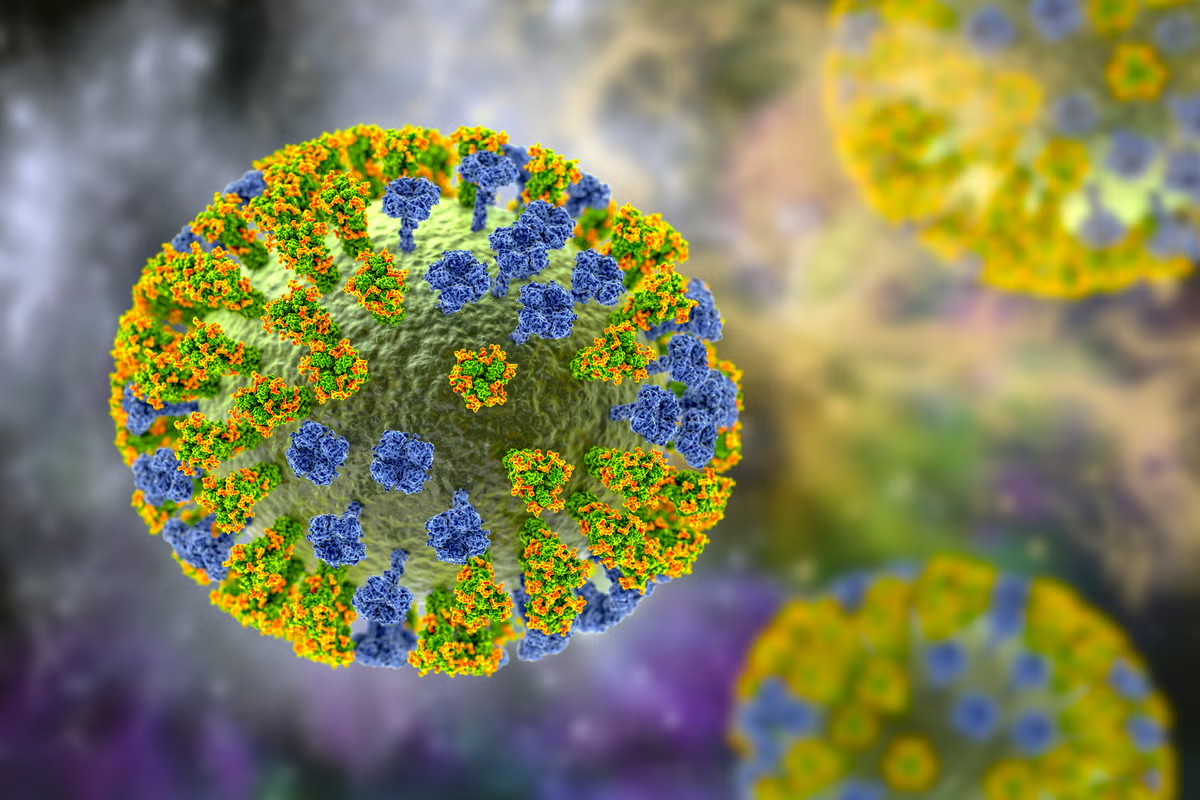
Tiny viruses that infect bacteria could one day help us tackle infections that antibiotics can no longer treat. But first, scientists need to understand how these viruses work, and artificial intelligence could provide them with a powerful way to do that.
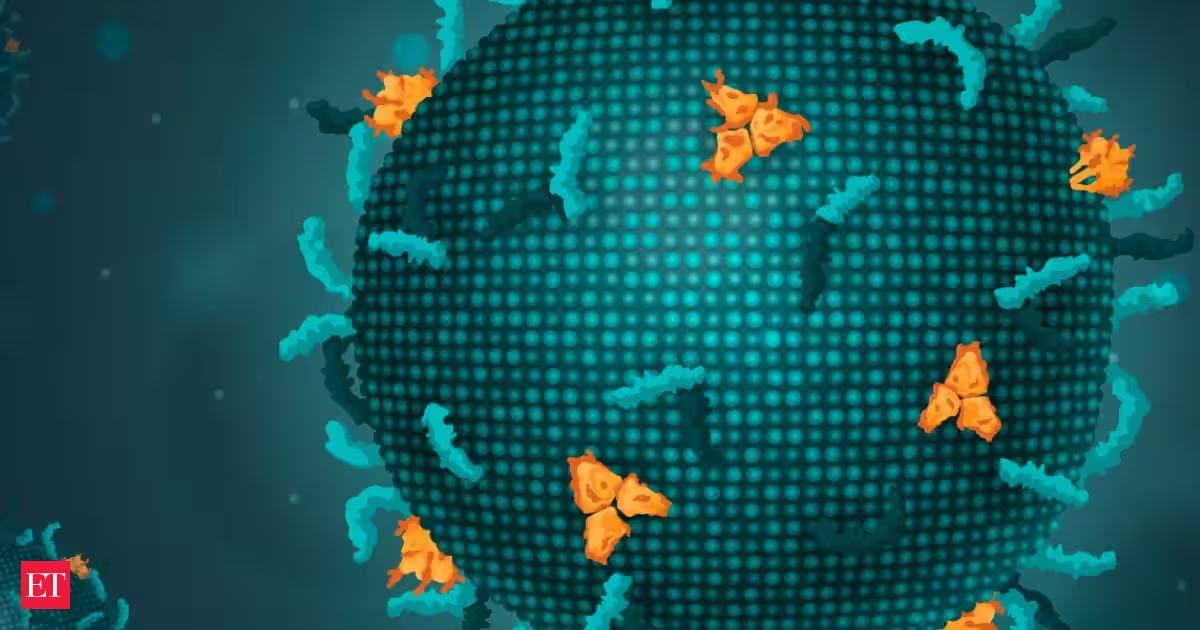
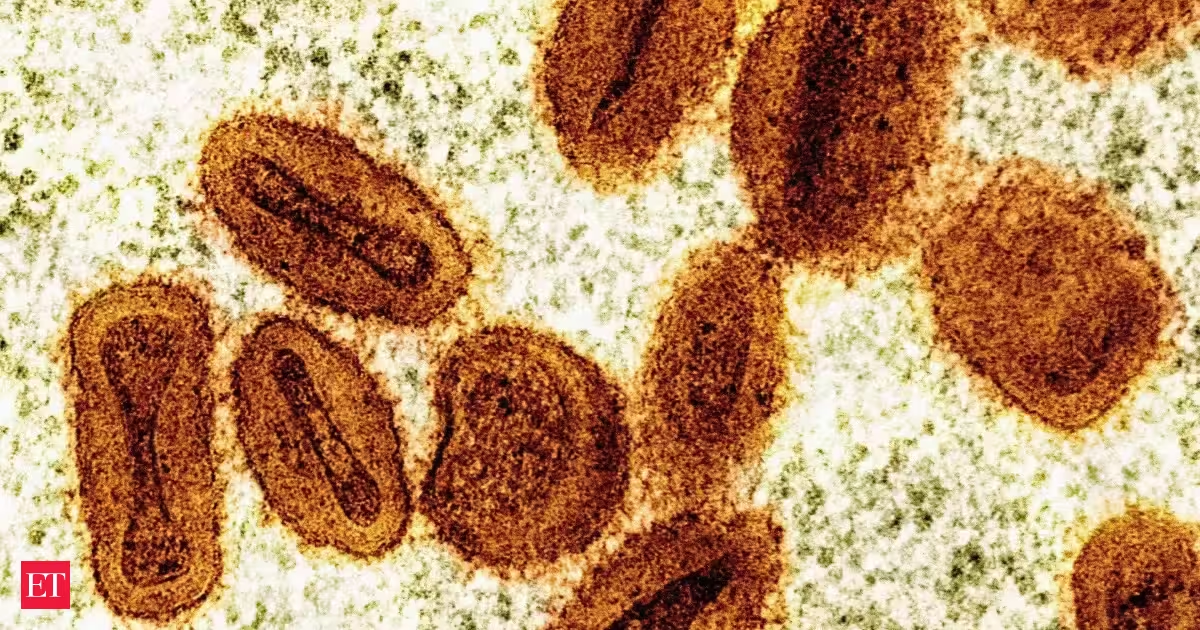
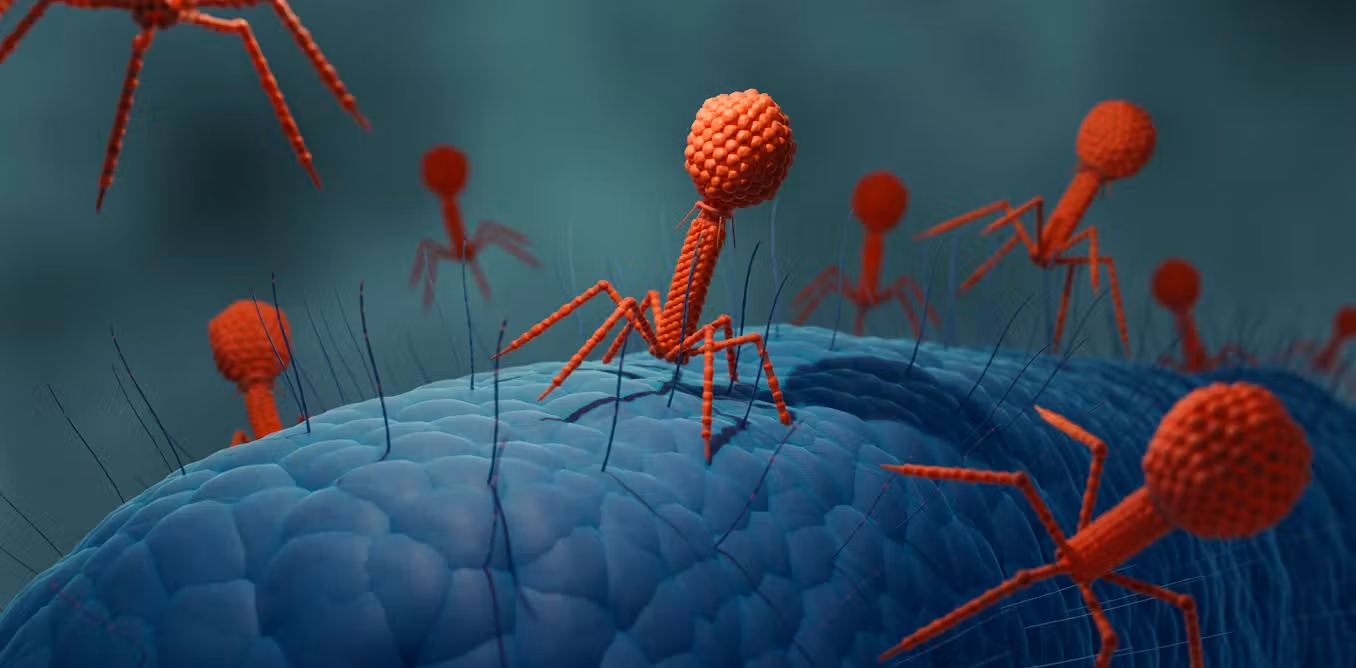
Known as bacteriophages, or simply phages, these viruses infect bacteria and use them to make more copies of themselves. There are thought to be more phages on Earth than any other type of biological entity, and they have spent billions of years evolving ways to find bacteria, invade them and overcome their defences.
This extraordinary diversity could be a boon for medicine. Some phages are already being investigated as treatments for bacterial infections, but finding the right virus for the right infection is not straightforward. Scientists need to understand why one phage can infect a particular bacterium while another cannot, why some can overcome bacterial defences and why some work better than others in the complex environment of the human body.
The idea is no longer purely theoretical. In a new study, published in the journal Science, researchers at Stanford University used AI to design the DNA of a complete phage. When the synthetic DNA was built in the laboratory, it produced a functioning virus – an important demonstration that AI can learn enough about a biological system to design something that works in the real world.