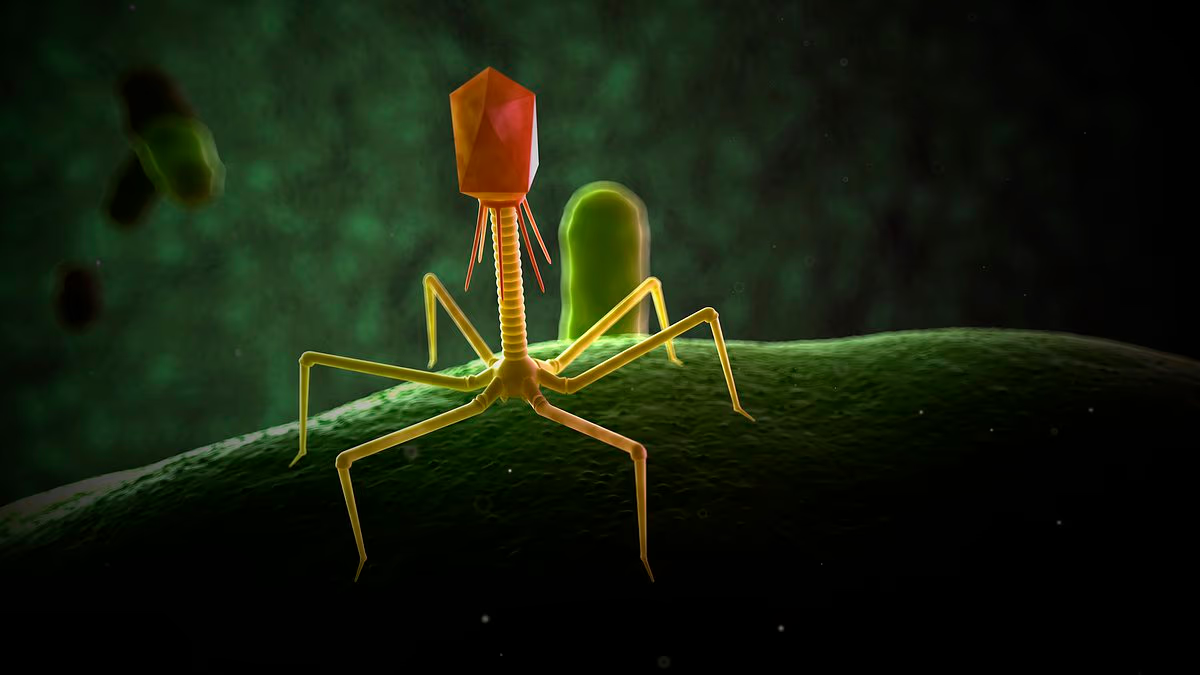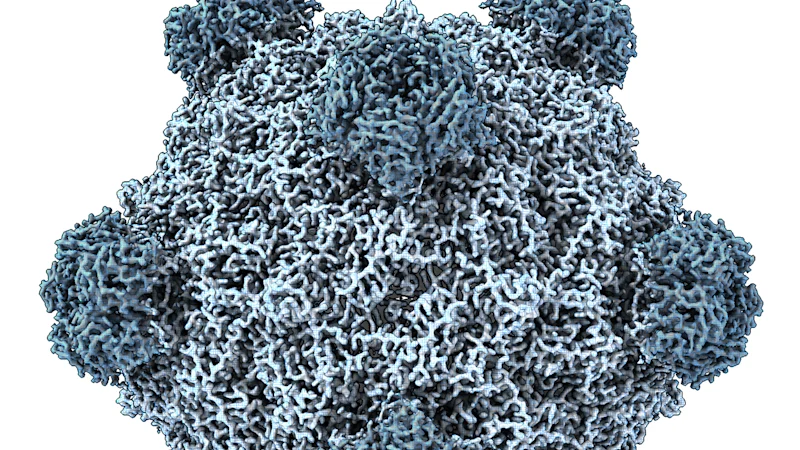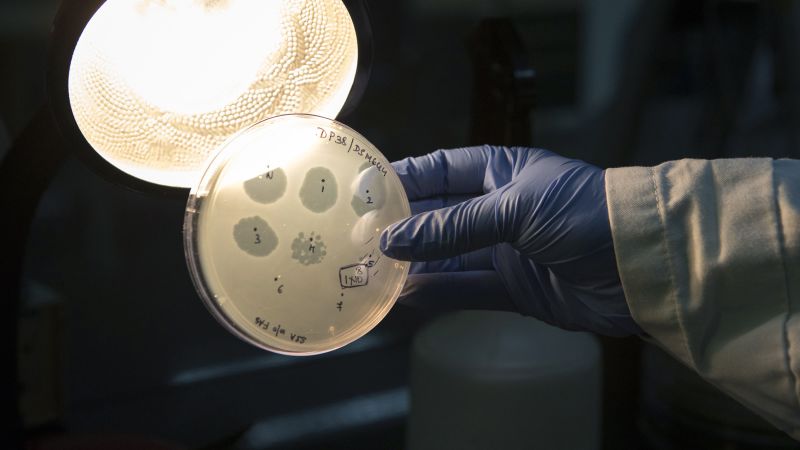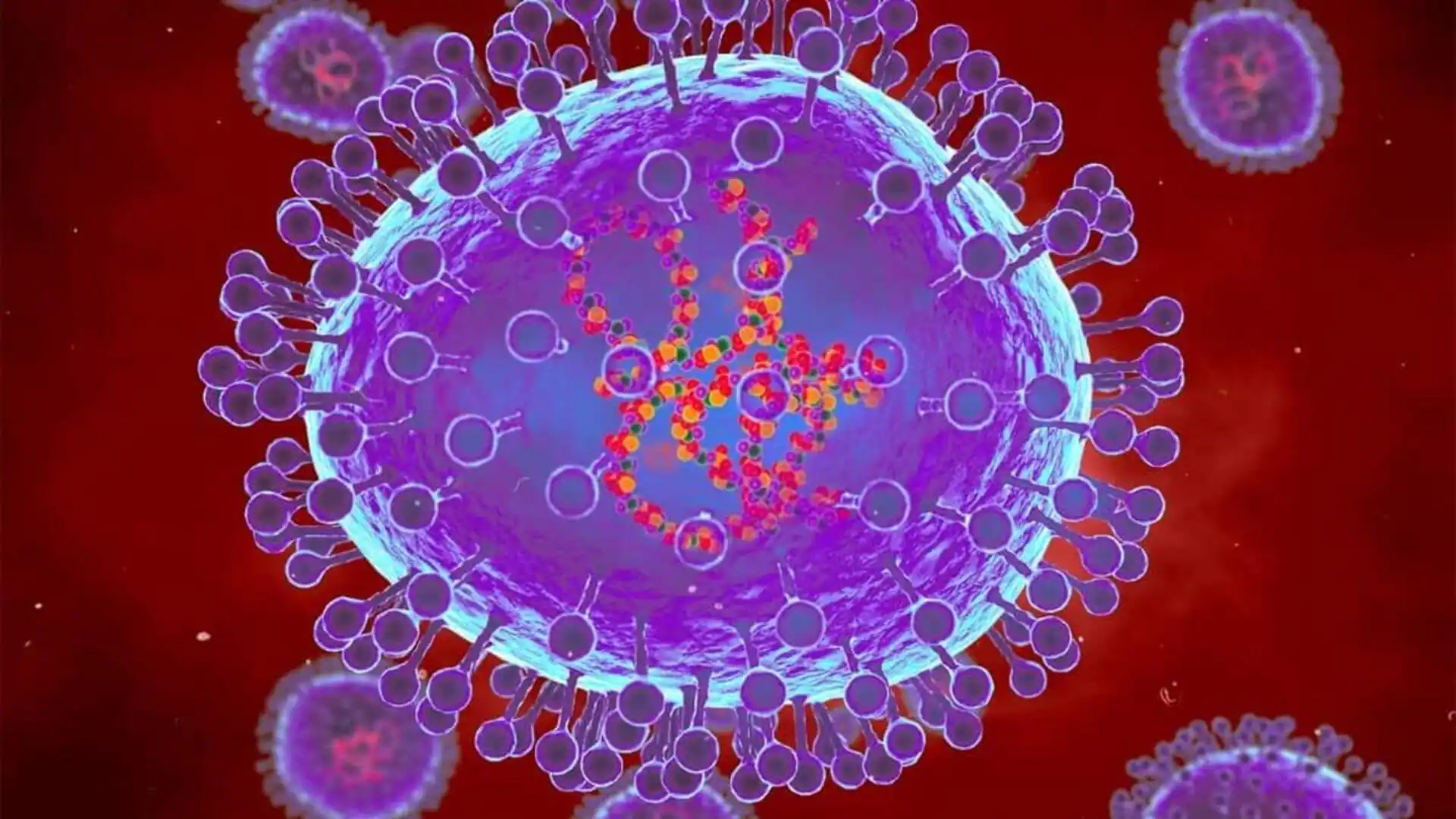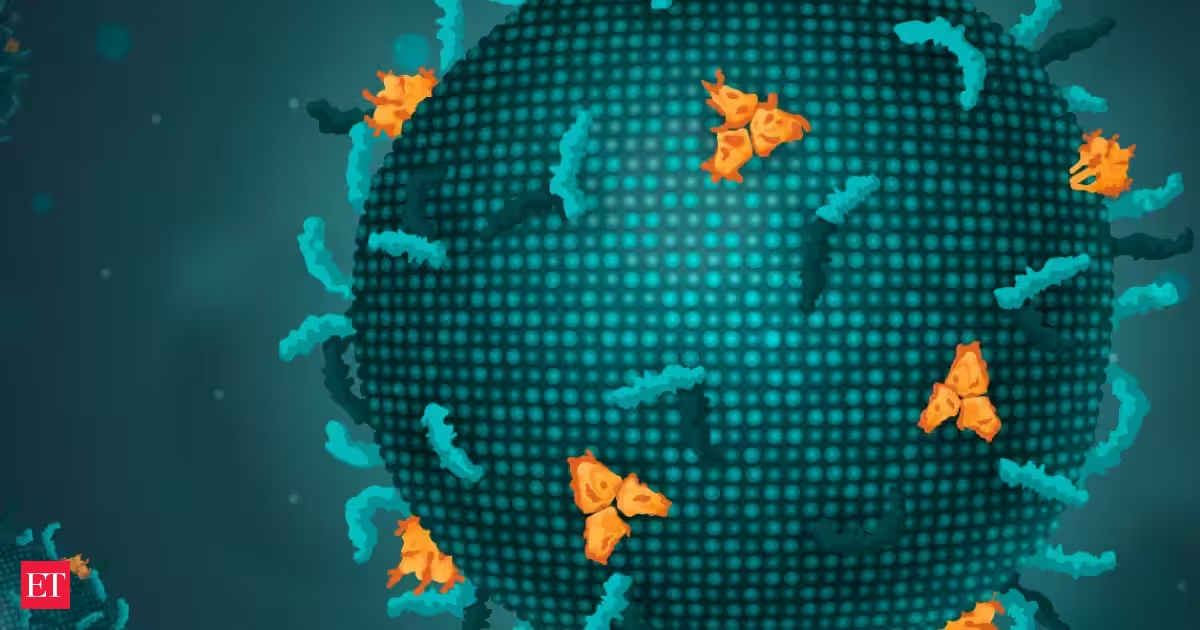
Artificial intelligence has crossed a new frontier in biology. Researchers have successfully used AI to design entirely new viruses from scratch, creating 16 laboratory-tested viruses that do not exist in nature but function as intended. The achievement could accelerate treatments for drug-resistant bacterial infections and open a new era of genome-scale biological engineering. At the same time, experts say it demonstrates that AI has reached a level where stronger safeguards are urgently needed to prevent the technology from being misused.The findings were published Thursday, August 6, in the journal Science in the study "Generative design of bacteriophages with genome language models," led by researchers from Stanford University and the Arc Institute.AI moved beyond copying natureScientists have been synthesizing known viral genomes for decades to study viruses and develop vaccines or antiviral drugs. The new research goes much further.Instead of recreating existing viruses, researchers trained AI models on millions of natural DNA sequences, allowing the system to learn the evolutionary "language" of genomes. The models then generated entirely new viral genomes that had never existed before.The researchers used two genome language models, Evo 1 and Evo 2, to design bacteriophages, viruses that infect bacteria rather than humans.According to the study, these AI systems learned evolutionary constraints from millions of genomes and generated complete viral genomes with specific biological characteristics."Genome language models are trained on large corpora of DNA comprising millions of genomes from all domains of life. This enables these models to learn the evolutionary constraints that shape DNA sequences in nature," the researchers wrote in the study.Nearly 300 synthetic viruses testedResearchers used a bacteriophage, which is a virus that infects and replicates within bacteria as a template; they computationally generated thousands of viral genomes.From those designs, nearly 300 AI-generated genomes were chemically synthesized and tested in laboratory experiments.The results exceeded expectations. The study reports that 16 of those viruses were fully viable, meaning they successfully infected their bacterial hosts and reproduced.Researchers found that one of the AI-designed viruses even incorporated a DNA-packaging protein borrowed from an evolutionarily distant virus into its outer shell, a combination not previously observed in nature.The paper concludes, "Our approach expands what synthetic genomics can achieve alongside methods such as directed evolution and rational engineering, lays out a path for generating adaptive and resilient phage therapies against rapidly evolving pathogens, and establishes a foundation for the generative design of larger, more complex genomes."Why bacteriophages matterThe viruses created in the study are bacteriophages, not viruses that infect humans. These naturally occurring viruses specifically infect bacteria and are being explored as alternatives to antibiotics because they can kill harmful bacteria without damaging human cells.Because bacteriophages have relatively small genomes and are easier to manipulate experimentally, they provided an ideal first test for AI-guided whole-genome design.Researchers say the work represents the first successful demonstration that AI can generate complete, functioning genomes, not merely individual genes or proteins.Experts warn technology could be misusedWhile the medical implications are significant, the research has also brought concerns over AI-enabled biosecurity risks. Writing an accompanying commentary in Science, biosecurity experts Dr. Thomas Inglesby and Dr. Moritz Hanke of the Johns Hopkins Center for Health Security argued that the research demonstrates AI has reached a point where it could potentially be applied to designing far more dangerous organisms.“Although this is promising for life sciences applications, it also raises urgent biosafety and biosecurity questions. The ability to compose viral genomes using generative AI now exists; the governance to safely steer it does not.”Hanke warned about the potential future misuse of increasingly powerful genome language models. "You could say, 'Hey, genomic language model, make me an influenza genome that is modified to be more transmissible or to be more lethal," Hanke told the New York Times.Not everyone believes bioweapons are imminentSome scientists caution that translating the technology into dangerous human pathogens remains far more difficult than designing bacteriophages.Tom Ellis, professor of synthetic genome engineering at Imperial College London, told The Guardian that the viruses created in the study represent the simplest genomes scientists can currently engineer.He said the viruses created by Evo are "literally the smallest and easiest genome to make," adding that restricting access to sensitive genetic data could substantially reduce potential misuse.
AI designed viruses that never existed in nature; 16 worked in the lab
Researchers have successfully used artificial intelligence to design entirely new viruses. These laboratory-tested viruses function as intended and do not exist in nature. This breakthrough could accelerate treatments for bacterial infections and advance biological engineering. However, experts warn that stronger safeguards are urgently needed for this technology. The development highlights AI's growing capabilities and potential risks.
697 words~3 min read