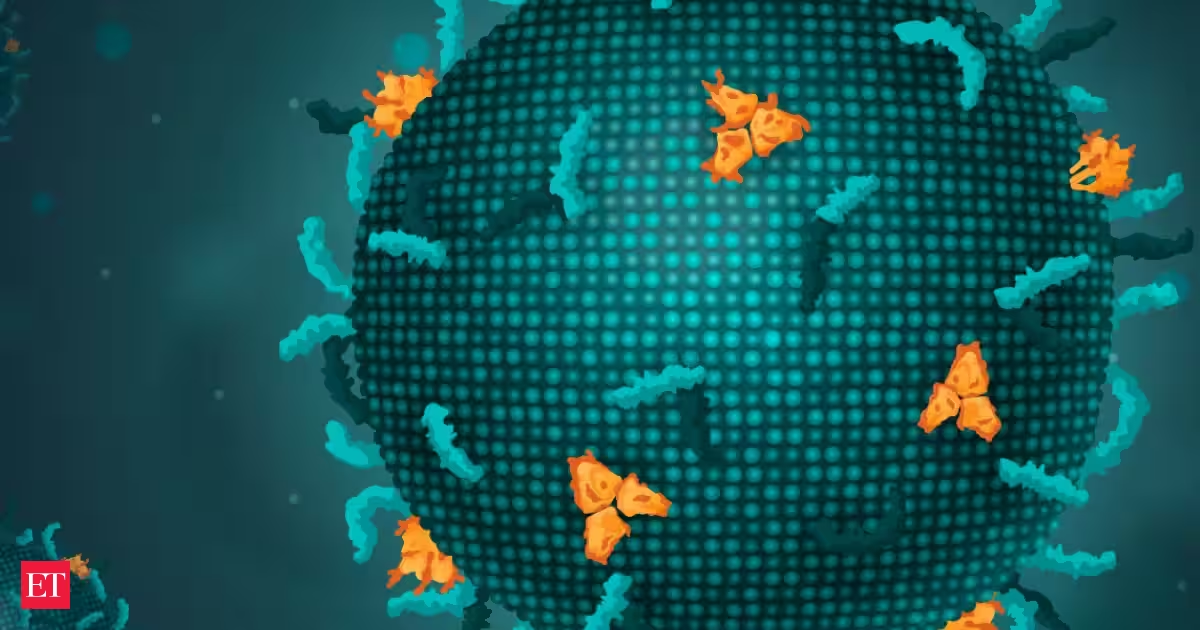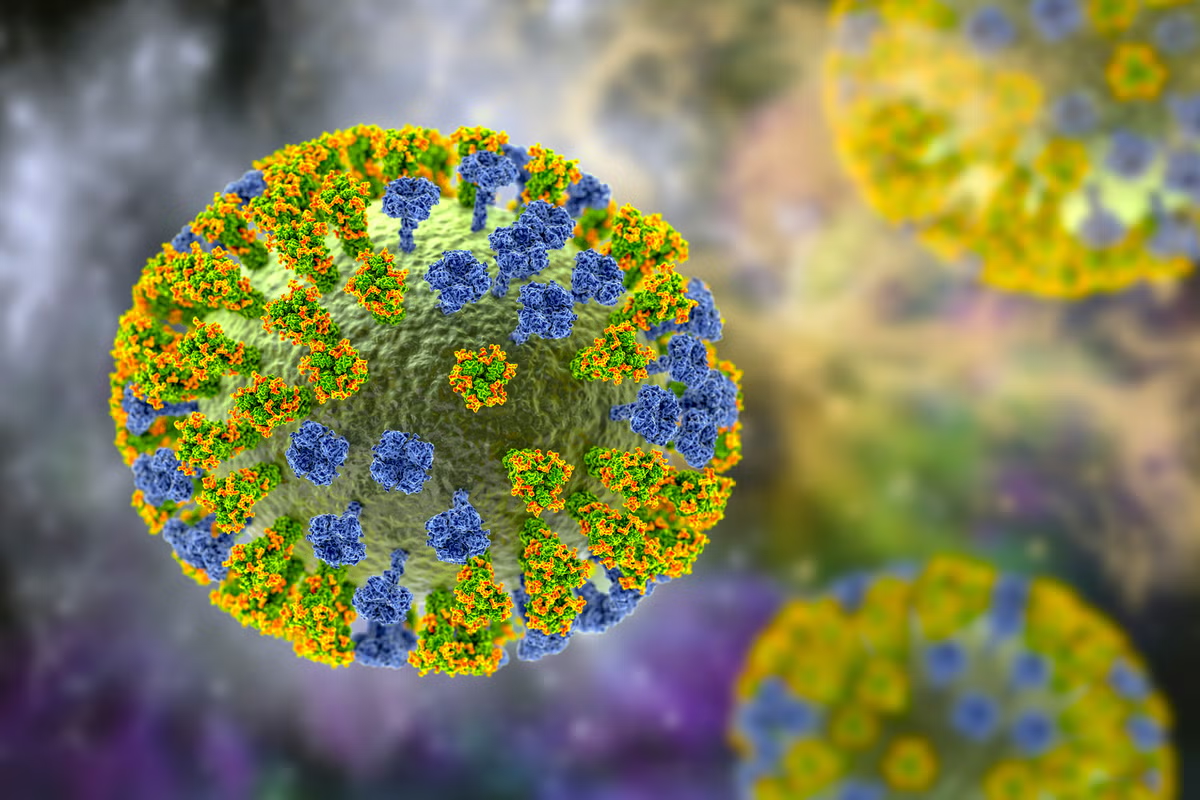
Artificial intelligence has designed viruses that can infect bacteria and reproduce – a first that shows AI is beginning to do more than analyse the genetic code of living things. It can write new versions of it, too.
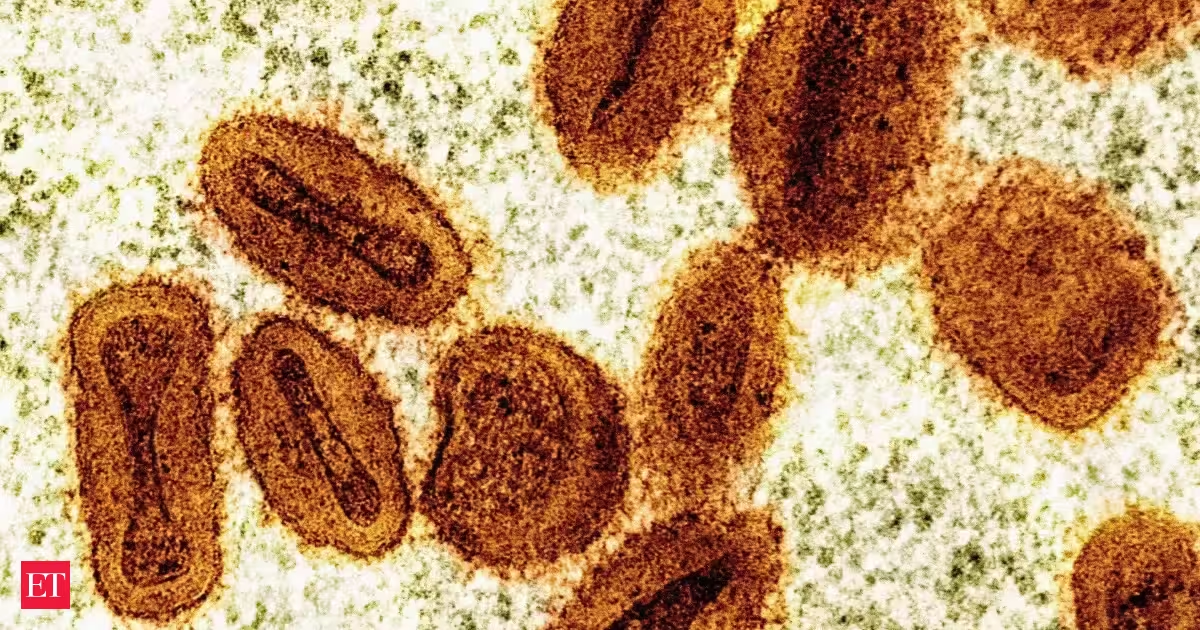
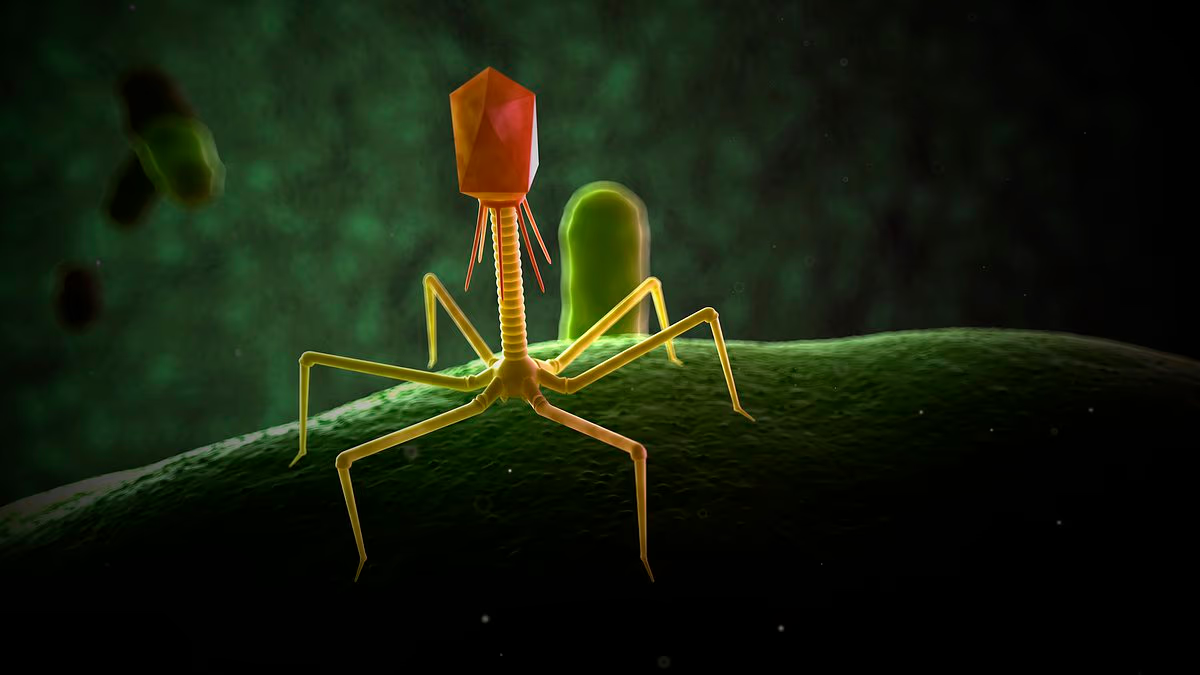
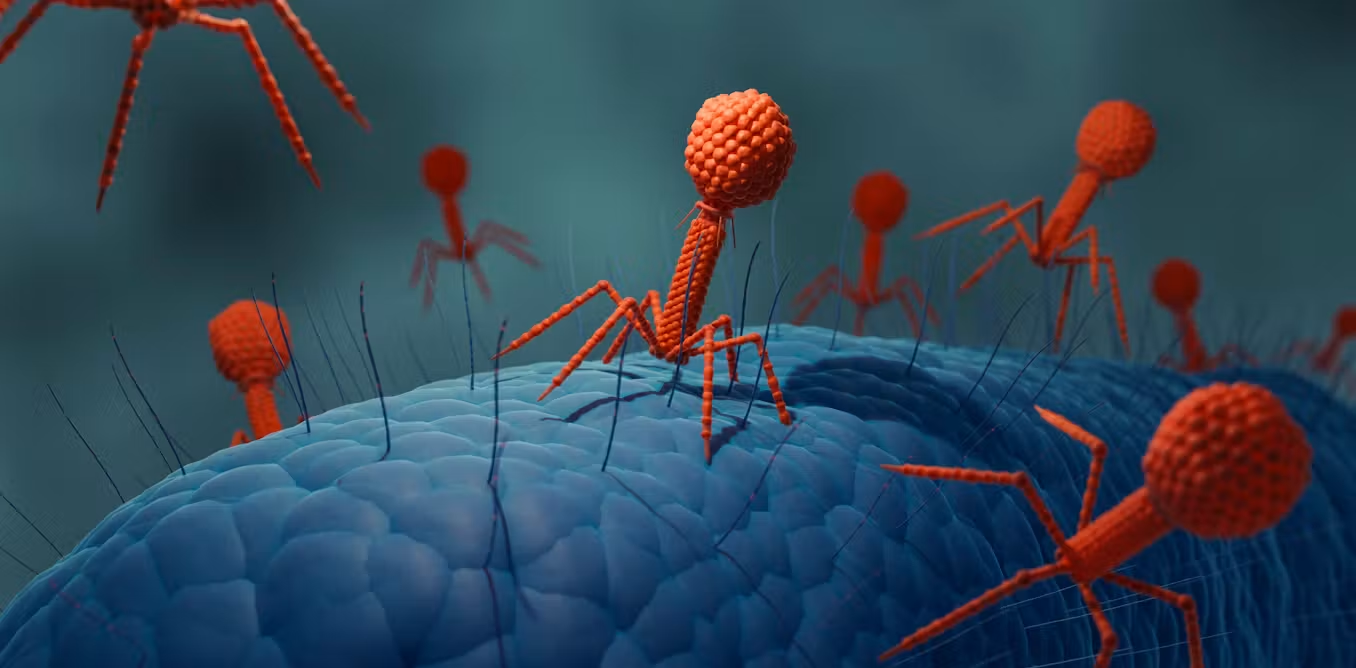
The viruses in question are bacteriophages, or phages – viruses that infect bacteria rather than people, animals or plants. Researchers used AI to design hundreds of new versions of a well-studied phage, then built the viruses from scratch in the laboratory.
Of 285 AI-designed genomes that the team tested, 16 produced working phages capable of infecting E coli.
The result is an important step for a field sometimes called generative biology, in which AI is used to design new biological molecules and organisms. But it is also important to understand what the researchers have – and have not – demonstrated.
Phages are essentially bacterial predators. They are among the most abundant and diverse biological entities on Earth and have evolved alongside bacteria for billions of years.