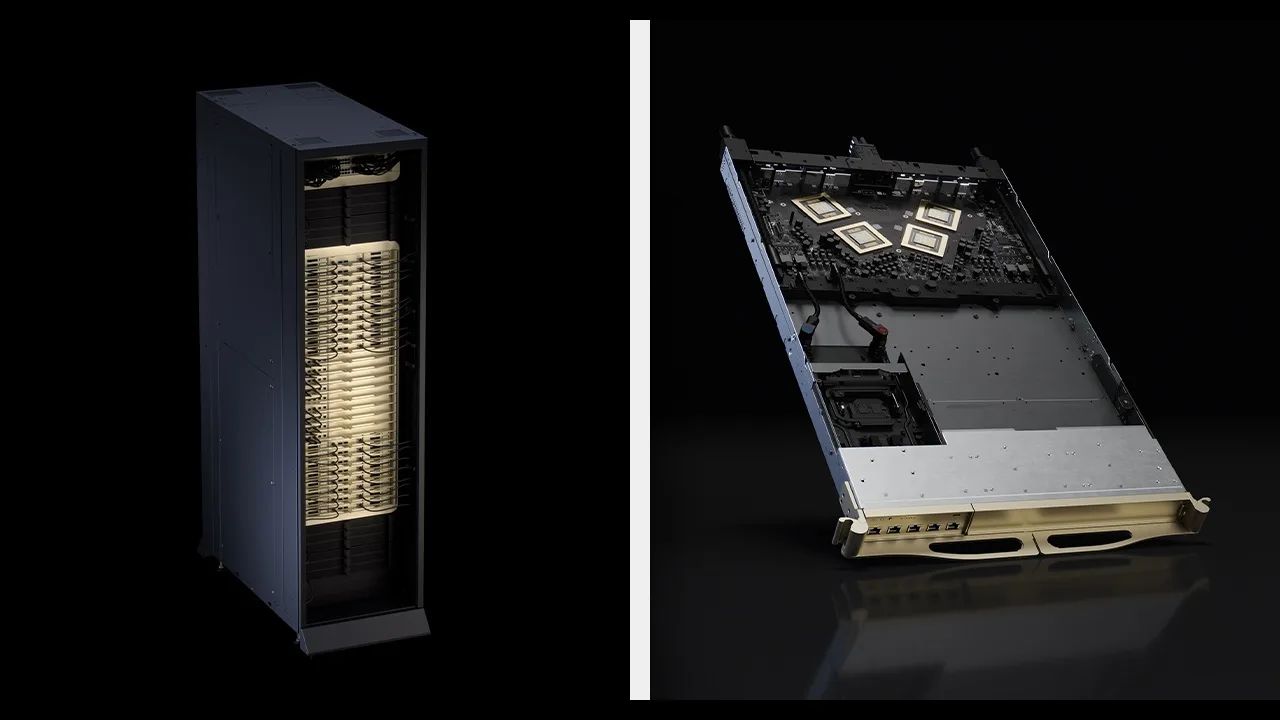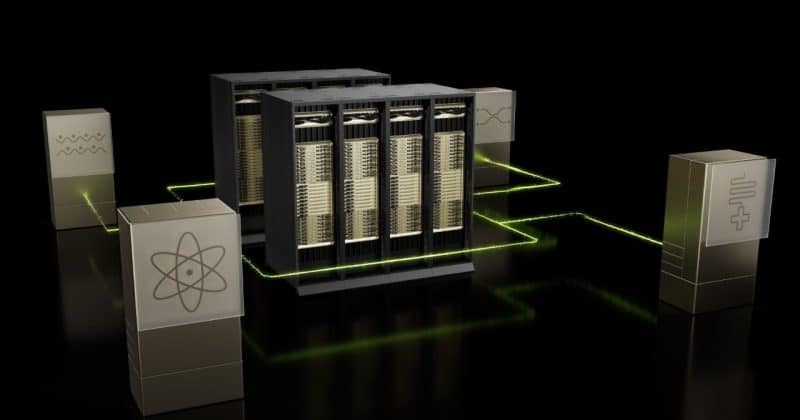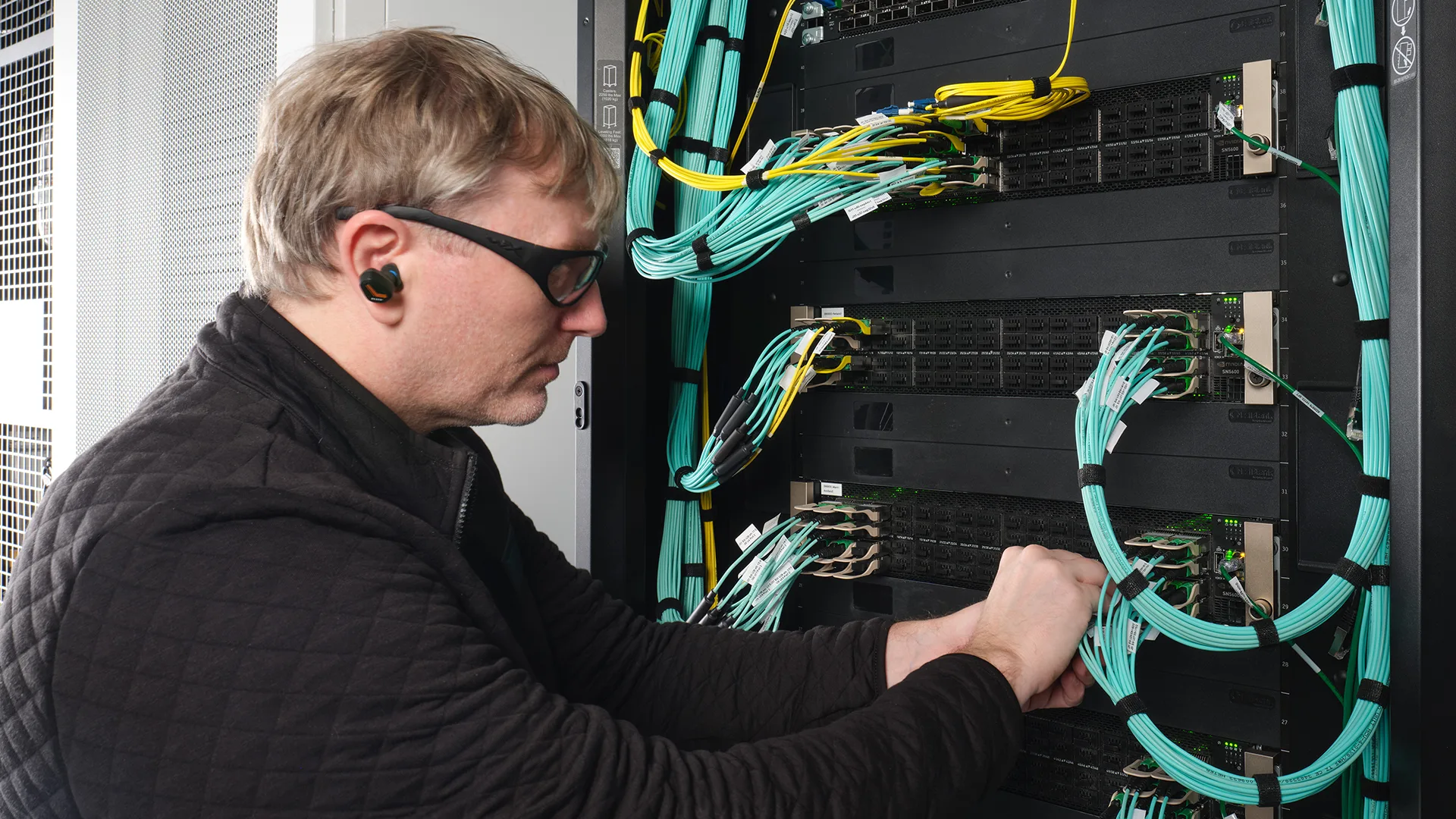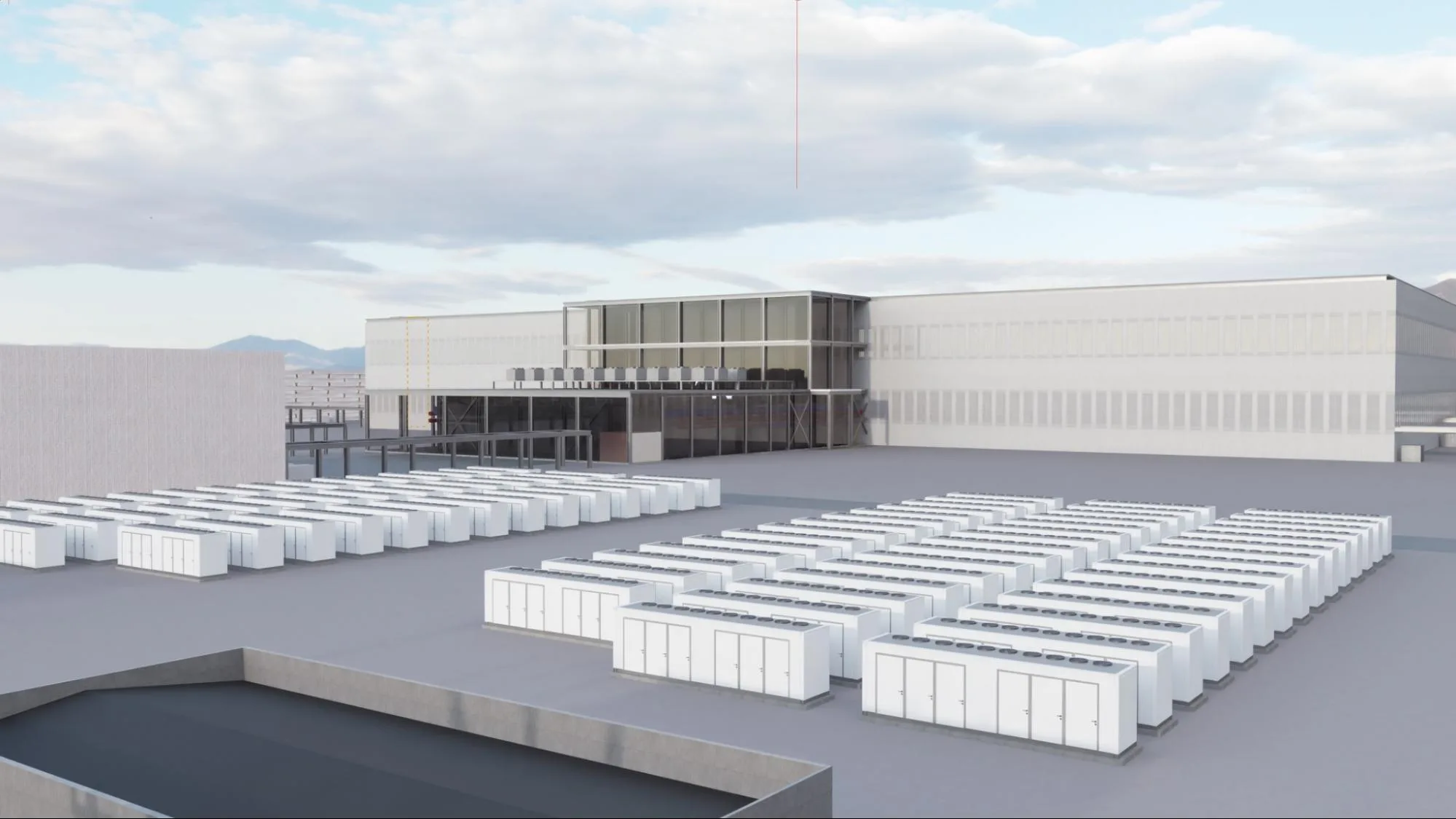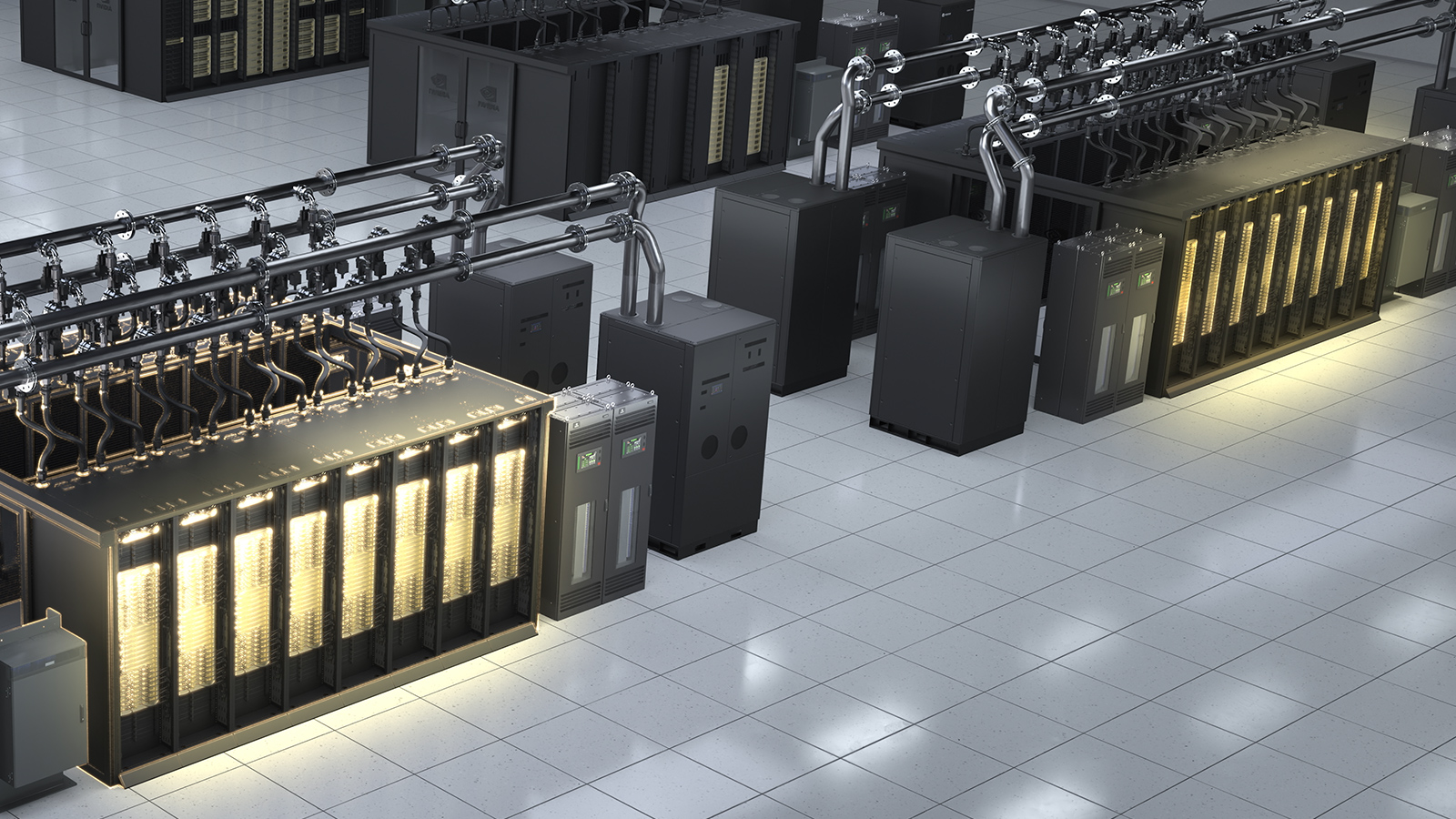
Every new generation of accelerated computing demands more from the infrastructure underneath it — more compute performance, higher rack density and more efficient, scalable power distribution. The bottleneck isn’t just wattage. It’s how power gets from the grid to the GPU.
In traditional power delivery, electricity travels from the grid as an alternating current (AC) and gets converted multiple times, each time adding overhead and complexity as racks become denser. At the power levels that next-generation AI compute demands, even small inefficiencies compound quickly.
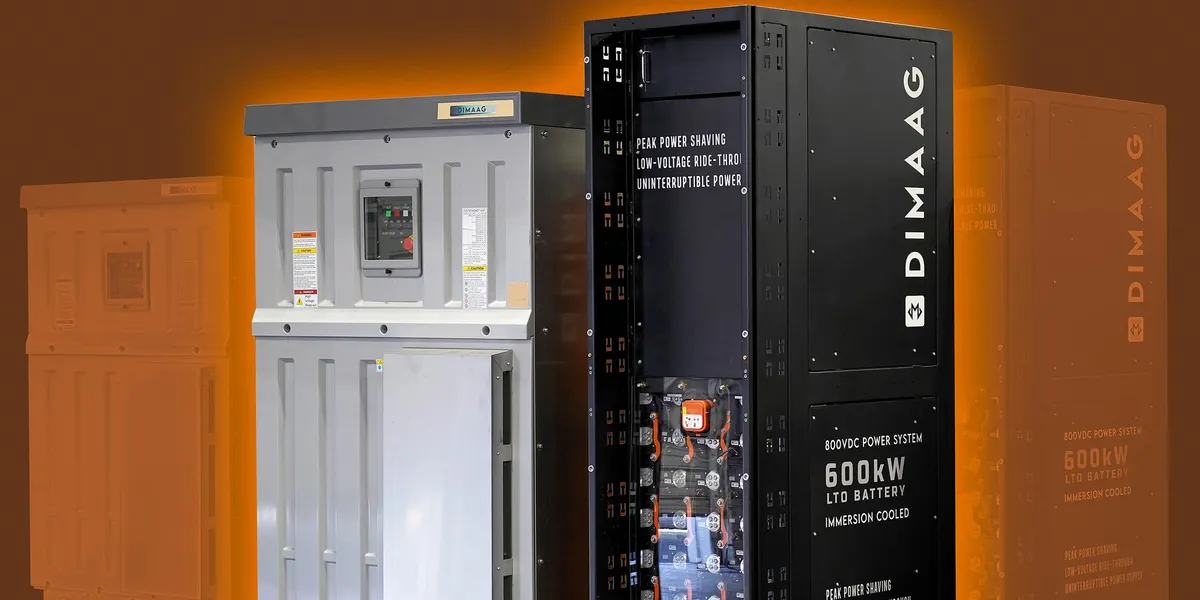
800 VDC simplifies that path. By distributing power at higher voltage through a direct current (DC), fewer conversion stages stand between the grid and the accelerator — which means more of the available power reaches the compute. NVIDIA DSX reference designs are built to guide AI factories through the transition from today’s AC infrastructure through hybrid architectures and into fully native 800 VDC facilities.
NVIDIA, Google and Microsoft have been developing the 800 VDC architecture together through the Open Compute Project (OCP), and published a joint white paper March 2026 and the LVDC Solid-State Transformer Specification v0.3 July 2026. More than 80 equipment manufacturers and infrastructure companies are already building products to this specification.