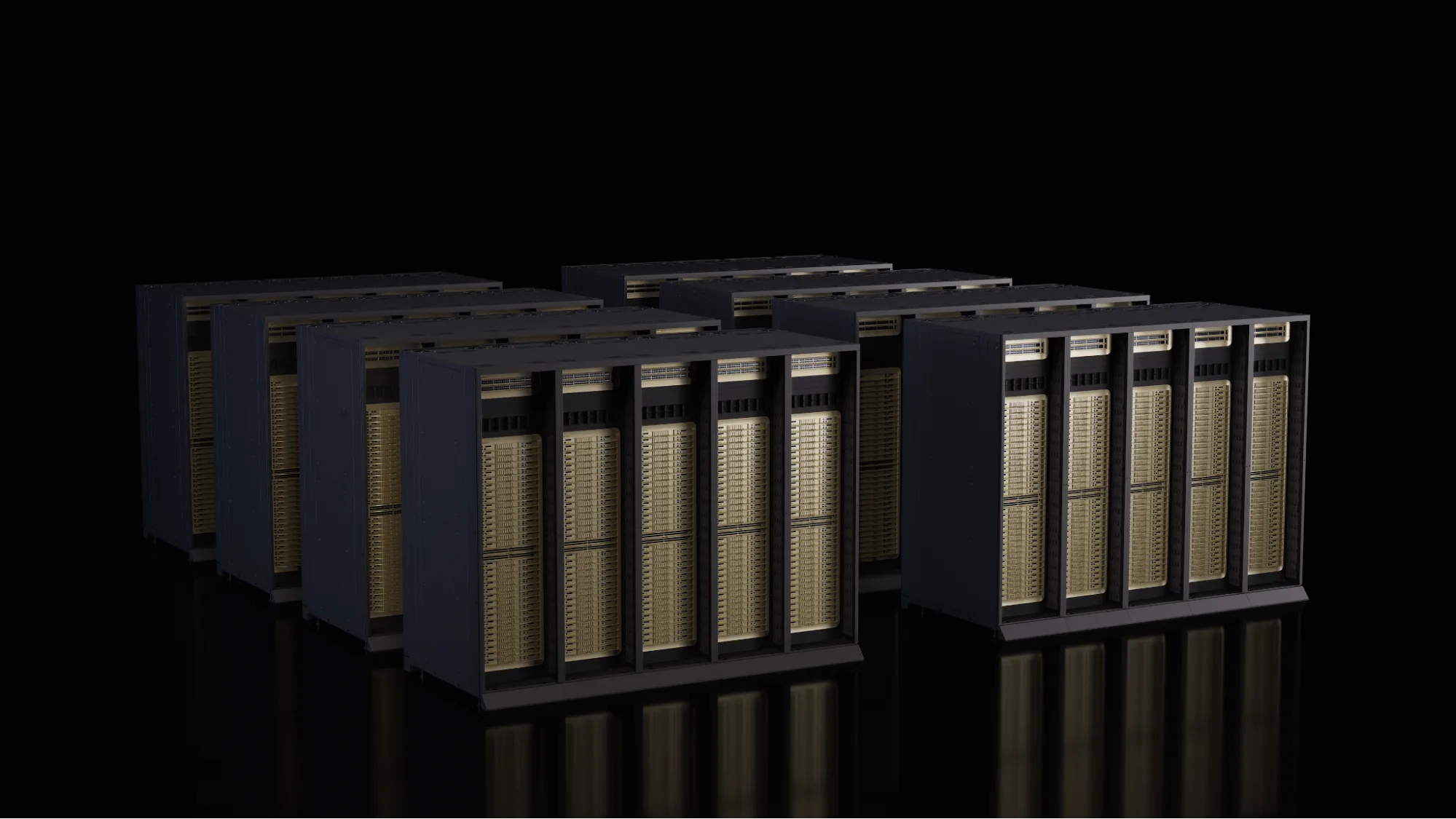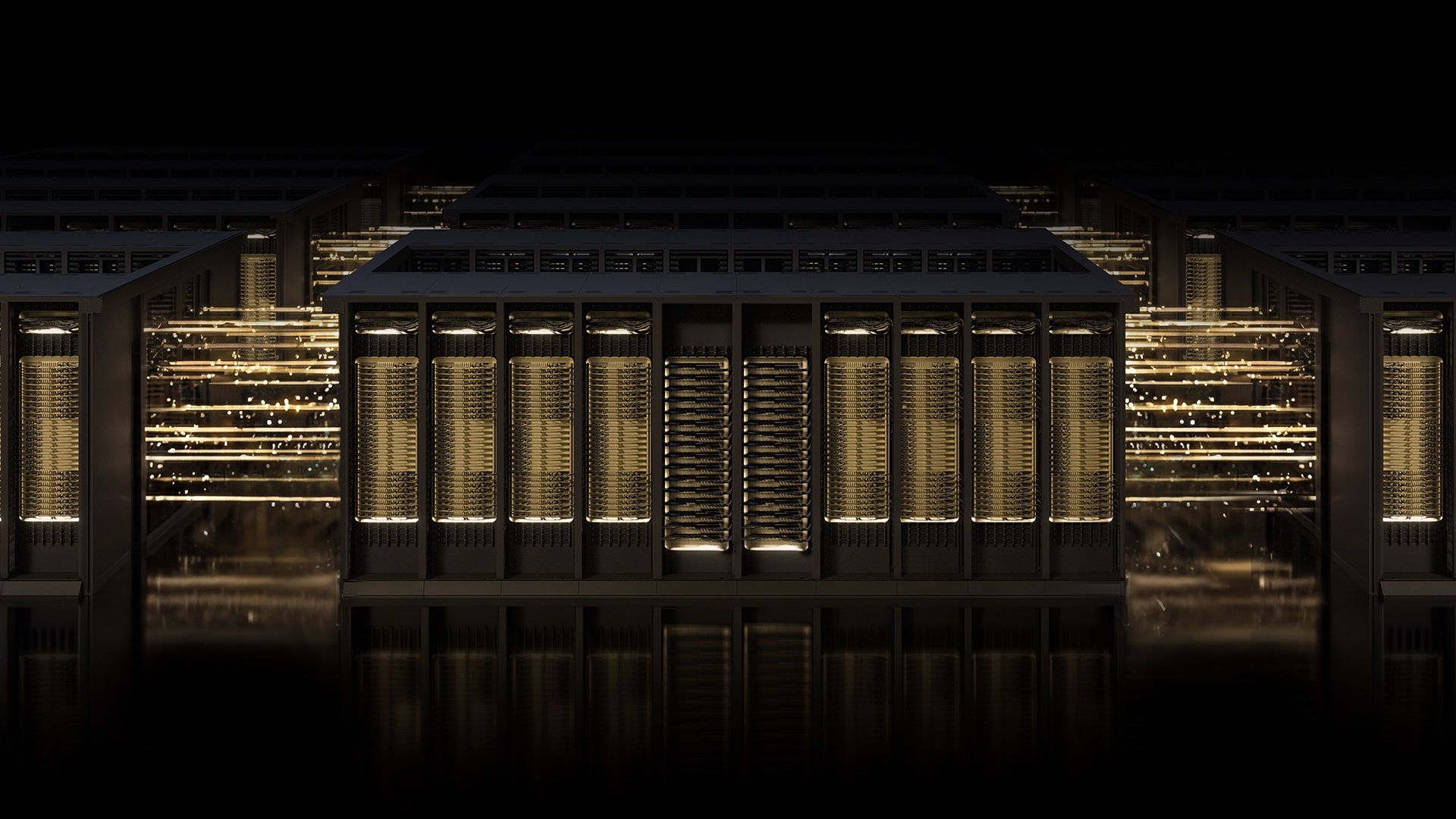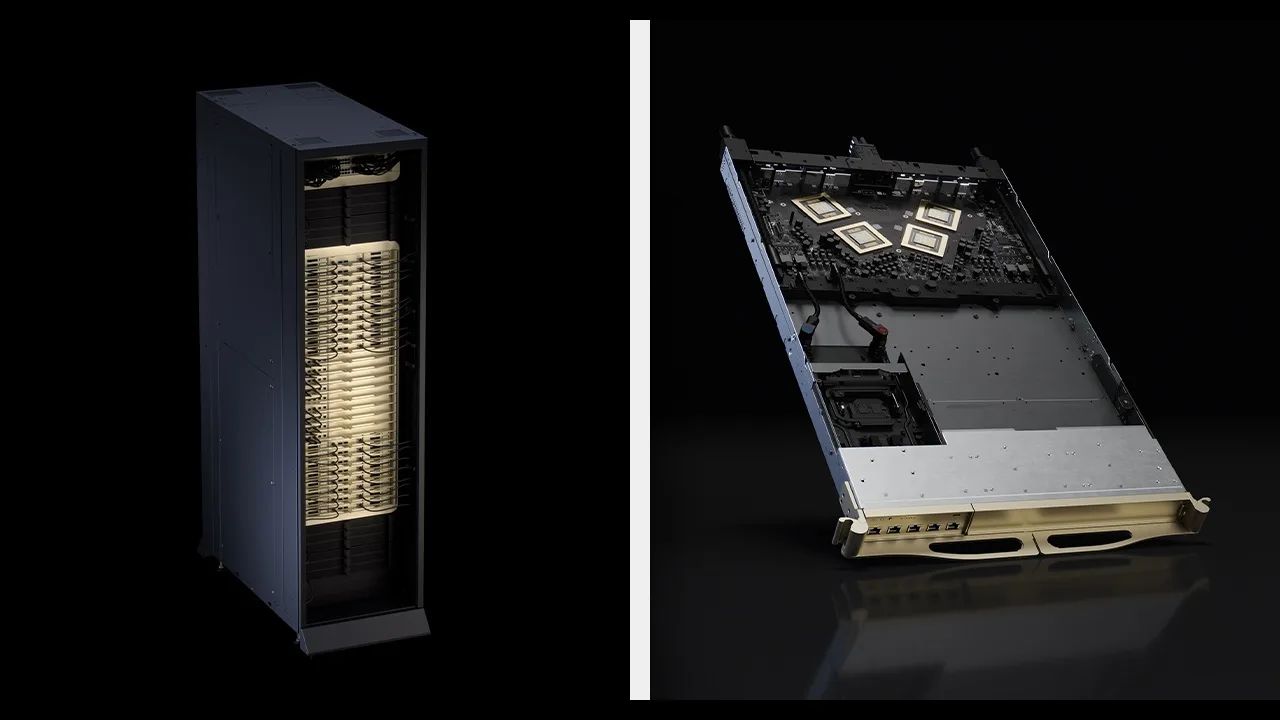
The demand for AI continues to accelerate. Workloads are getting larger, models are becoming more complex, and there is mounting pressure to deploy AI compute infrastructure faster than ever. AI factories—data center-scale systems that continuously convert data and energy into intelligence—are being deployed to meet this insatiable demand.
This AI factory approach to the data center has fundamentally changed system design and operation. Peak accelerator FLOPS are no longer enough. Today’s AI workloads, including trillion+ parameter models, mixture-of-experts (MoE) architectures, long-context reasoning, and disaggregated serving, require many accelerators working together as a single unit of compute. Achieving this requires high-bandwidth, low-latency GPU-to-GPU communication, fast in-network compute for collectives, and software-aware scheduling.
Given the sheer number of components, resiliency needs to be built into the entire data center. Keeping up with the pace of AI requires technology and a supply chain that can move at the speed of industry innovation.
This is why scale-up networking has become one of the most important architectural decisions in the AI factory. The scale-up fabric is what enables accelerators to work as a single unit of compute, determining how effectively tokens move across experts, how quickly collective operations complete, and how much useful throughput the factory can deliver. It is a significant factor in how much risk operators take when deploying new platforms.