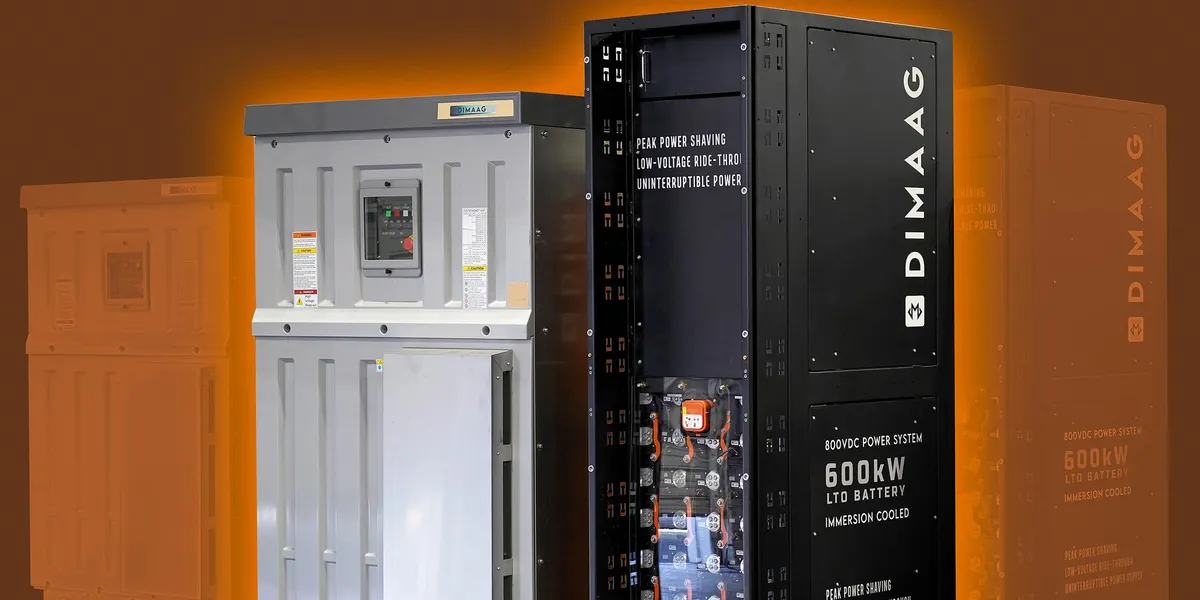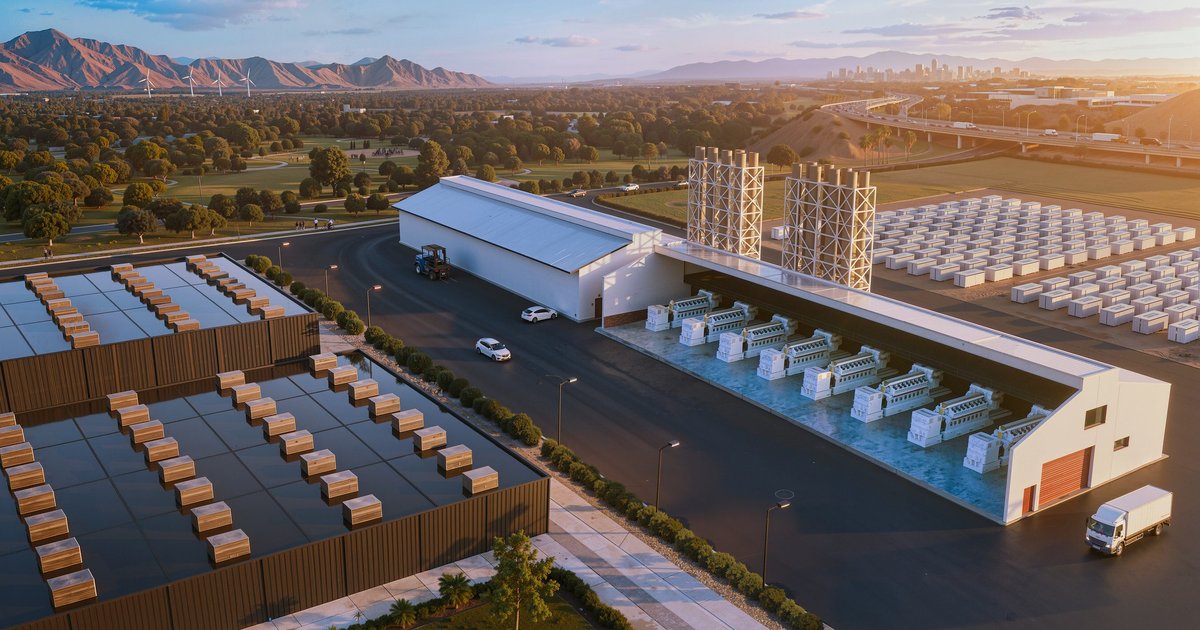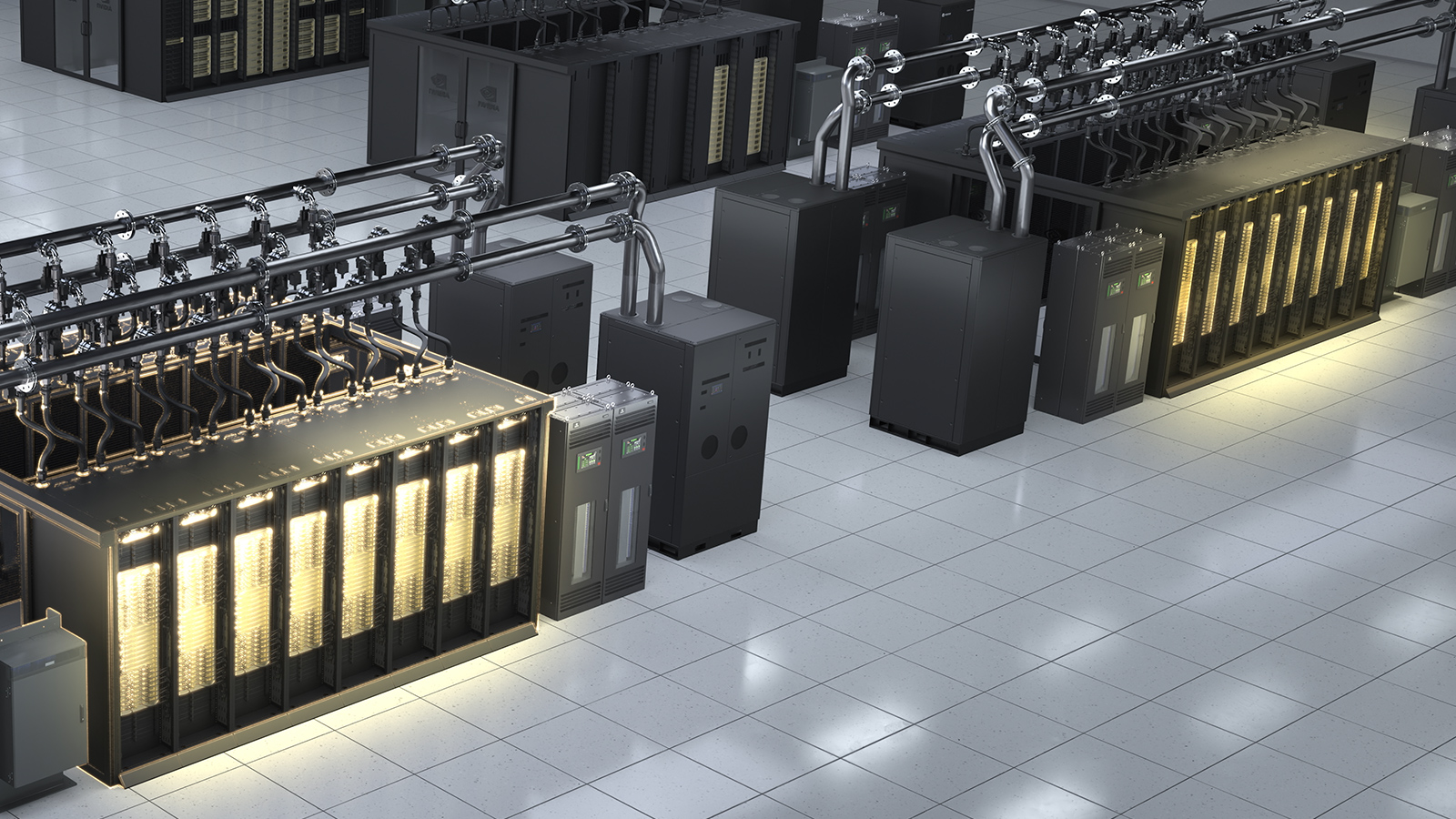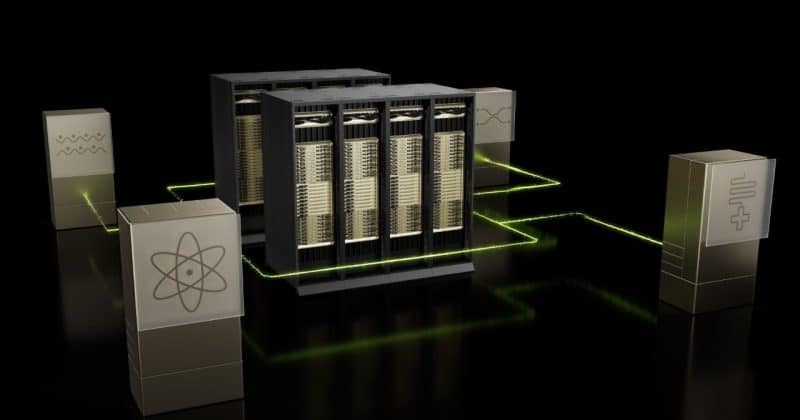
NVIDIA's reference architecture for next-generation AI infrastructure distributes power within the rack at 800 volts direct current (VDC). Other hardware and facility designers are following. The technical rationale is sound: higher voltage reduces current, shrinks conductor cross-sections and weight, and improves efficiency at rack densities that were impractical just three years ago.
That convergence is an important milestone, but not the finish line. It is the starting line. So much of the conversation today focuses on what happens inside the rack. And for good reason. As AI workloads become more demanding, the electrical infrastructure within data centers must evolve to deliver unprecedented levels of power efficiently and reliably.
Consider a 600-kilowatt (kW) rack. At 50VDC – the conventional low-voltage (LV) standard – delivering that level of power requires roughly 12,000 amperes (A) of current. The conventional copper conductor sizes, weight, and thermal management demands at that current level are physically unworkable at scale.
Higher-voltage architectures such as 800VDC directly address this by reducing current by more than an order of magnitude, cutting conductor mass, lowering resistive losses, and enabling power distribution that can actually keep pace with next-generation rack densities.