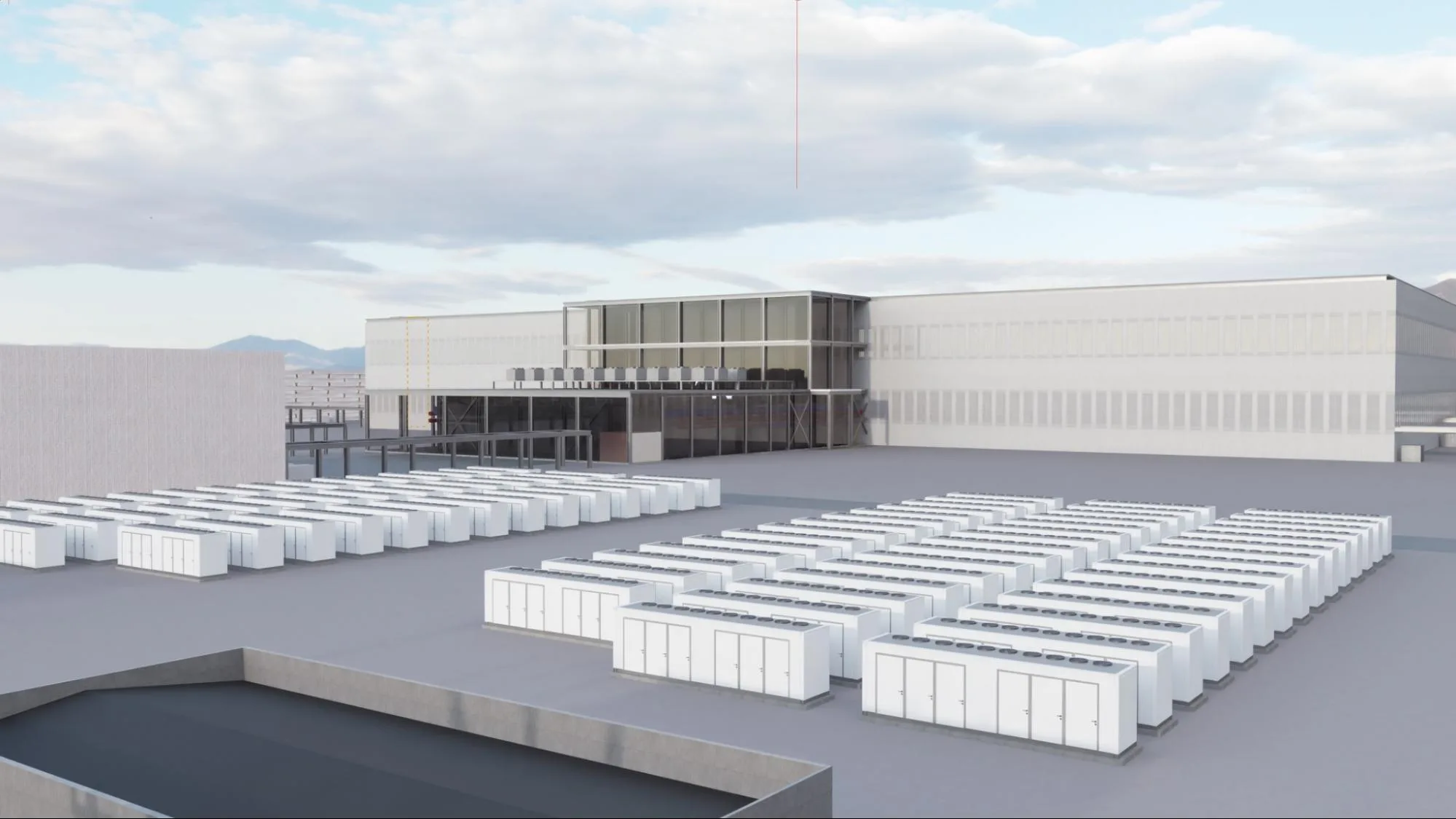
AI data centers are scaling to unprecedented gigawatt levels, creating extreme dynamic loads driven by GPU synchronization and rapid power ramping. Unlike traditional workloads, AI training clusters generate unpredictable millisecond-level power spikes that destabilize grids and generators, turning energy management into a core architectural challenge.
AI training clusters don’t sip power – they draw it in sudden bursts. When hundreds of megawatts of GPUs spin up simultaneously, they create intense “pulse loads” that can swing site demand dramatically within milliseconds. Generators cannot ramp fast enough to respond, and utilities cannot tolerate infrastructure repeatedly surging and dropping load.
You can’t have a gigawatt site loading up utility and then dropping out continuously – it wreaks havoc on all those different devices
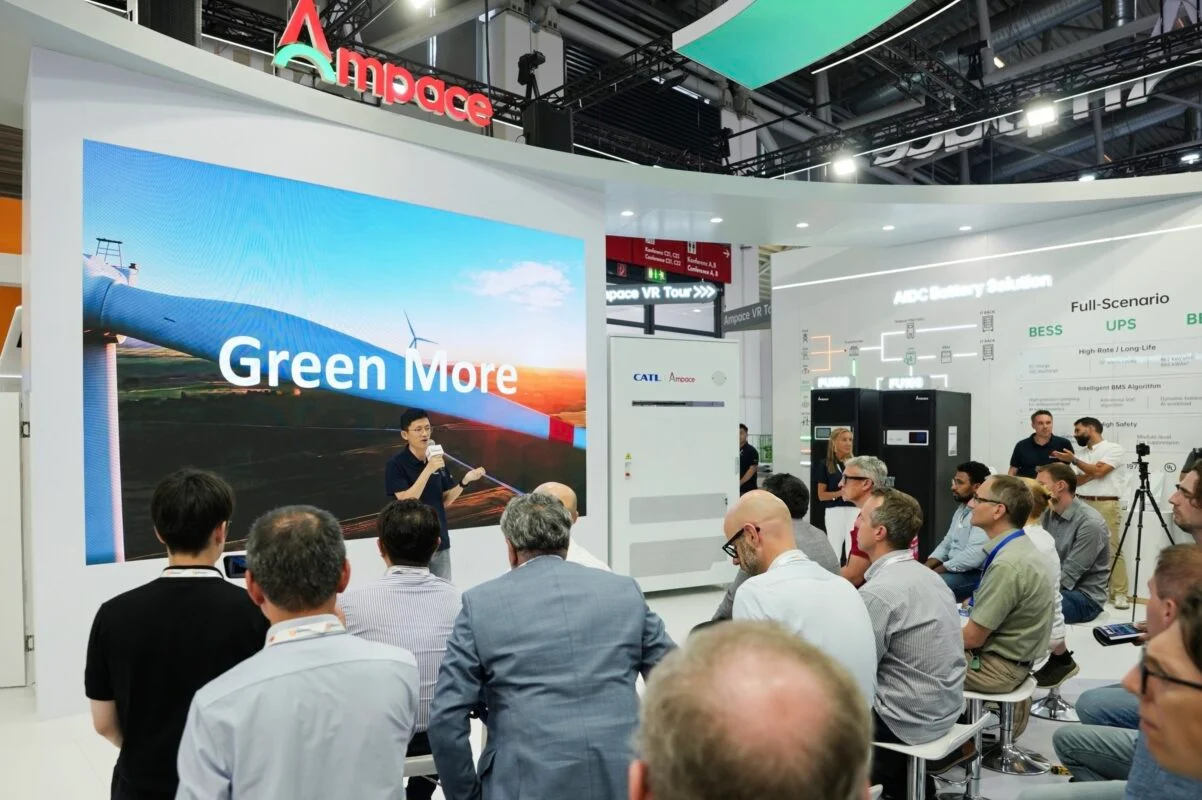
Aaron Schott, Ampace
This shift is redefining the role of batteries in AI infrastructure. Rather than passive backup systems, next-generation lithium-ion batteries are becoming active stabilizers that absorb pulse loads, smooth demand, and enable real-time load balancing.