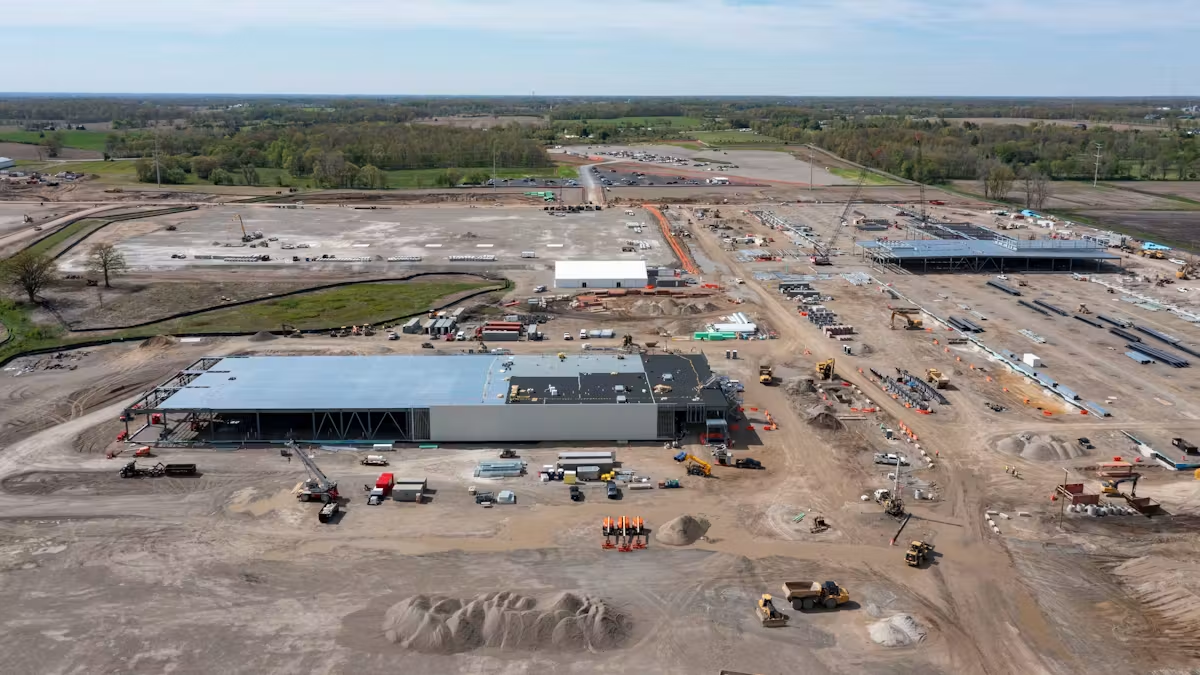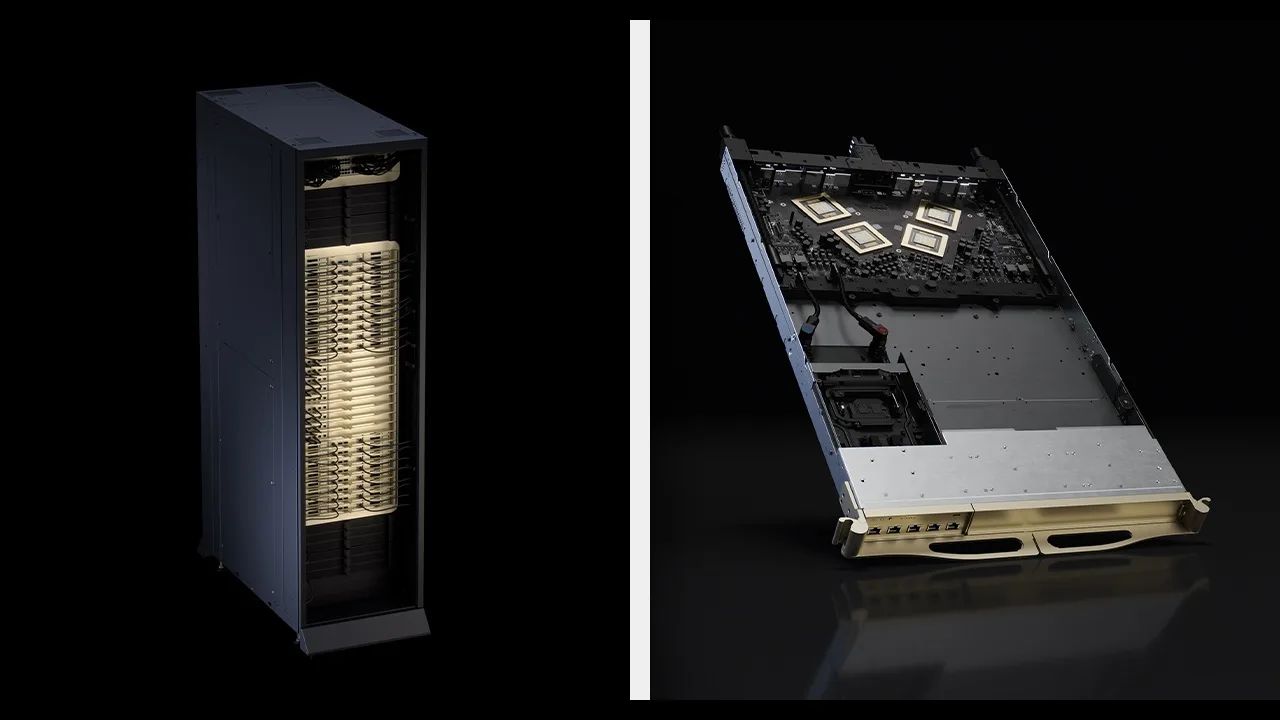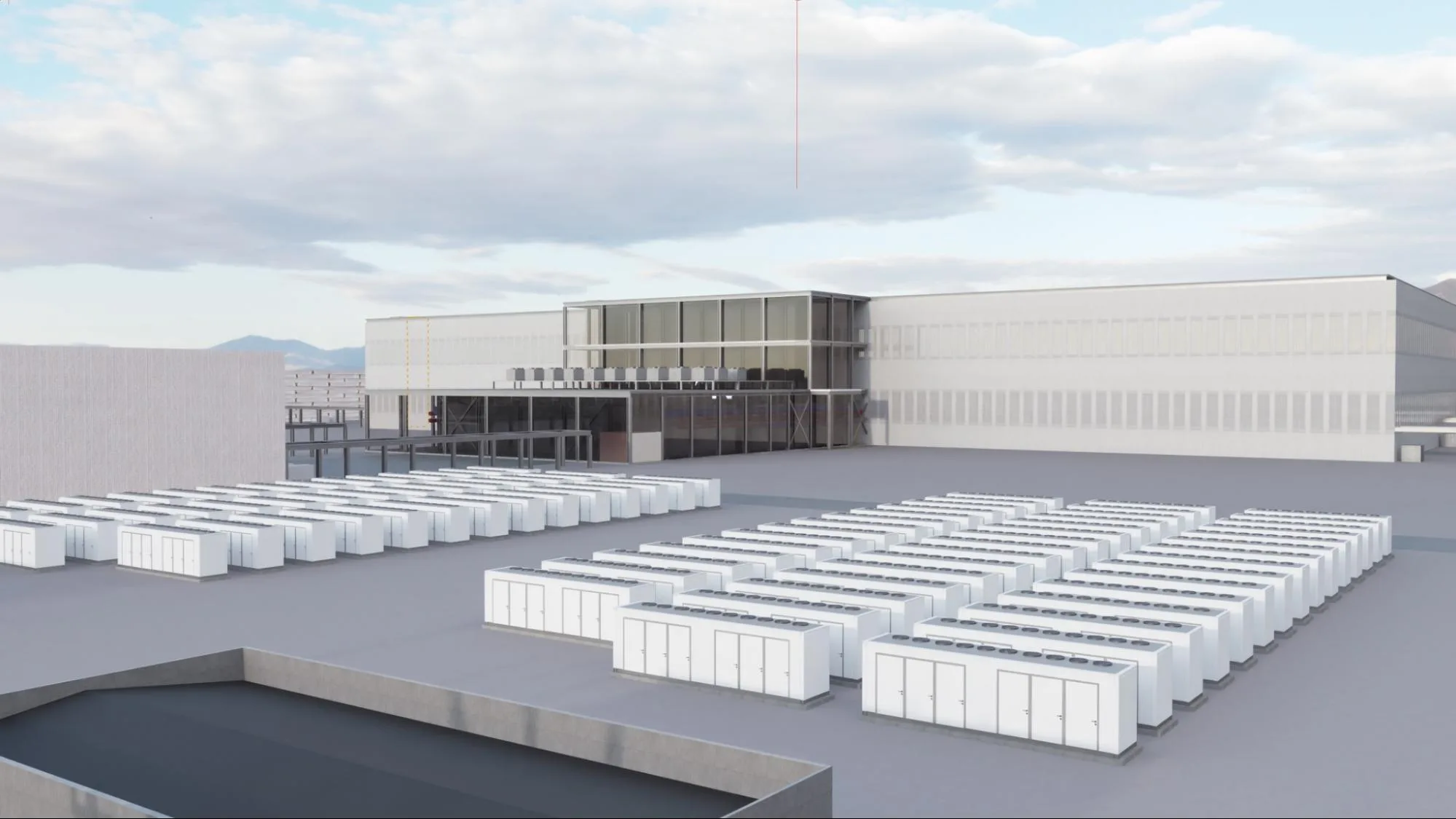
AI factories are changing what data-center infrastructure must do.
Unlike traditional data centers, AI factories are built to manufacture intelligence at scale. They run power-dense training and inference workloads, increasingly support agentic and reasoning models, and must deliver predictable performance even as compute demand shifts rapidly. In this environment, electrical infrastructure is no longer just a background utility. It is part of the production system.
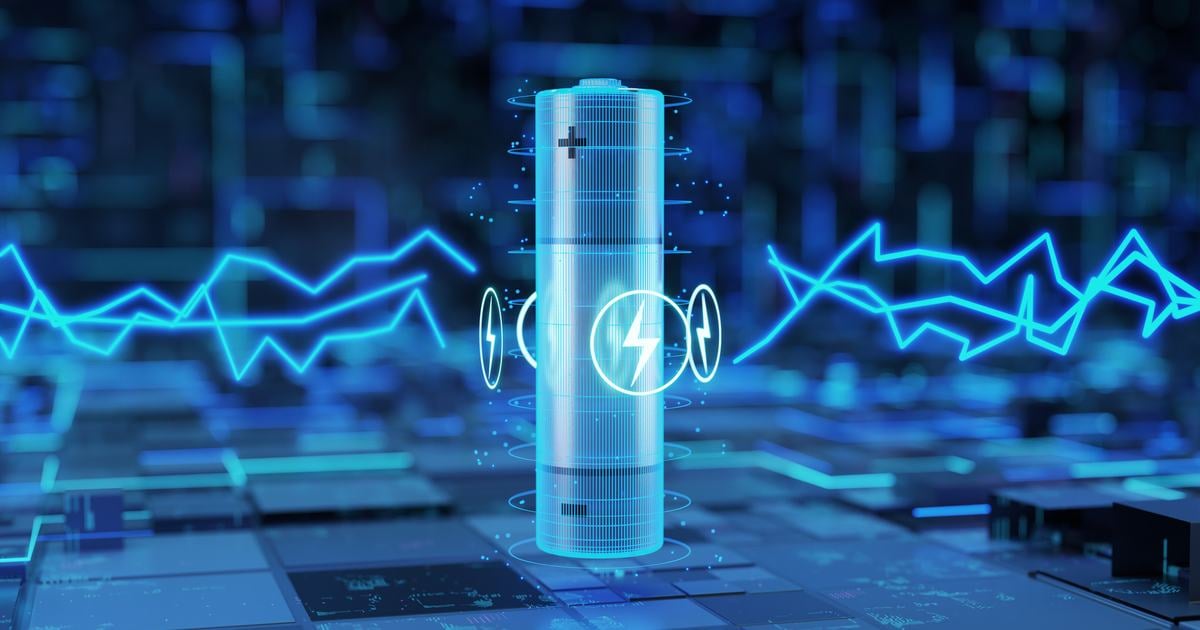
That is one reason battery energy storage systems, or BESS, are quickly becoming essential infrastructure for AI factories. In NVIDIA DSX, the platform for AI factories, BESS is part of the broader AI factory power architecture rather than a standalone add-on. As accelerated computing campuses scale, operators are discovering that power is no longer just a capacity problem. It is a control, quality, and interconnection problem.
Properly designed BESS can help AI factories connect faster, operate more reliably, reduce stress on the grid and onsite generation, and manage the fast-changing load profiles created by large-scale AI workloads. This post looks at why BESS is becoming critical to AI factory power architecture and what it takes to design and validate these systems for production deployment.