The next phase of the digital economy will not be limited by compute – it will be defined by power. For decades, data centers scaled predictably, with racks consuming five to 15kW and infrastructure evolving incrementally. That model no longer applies.
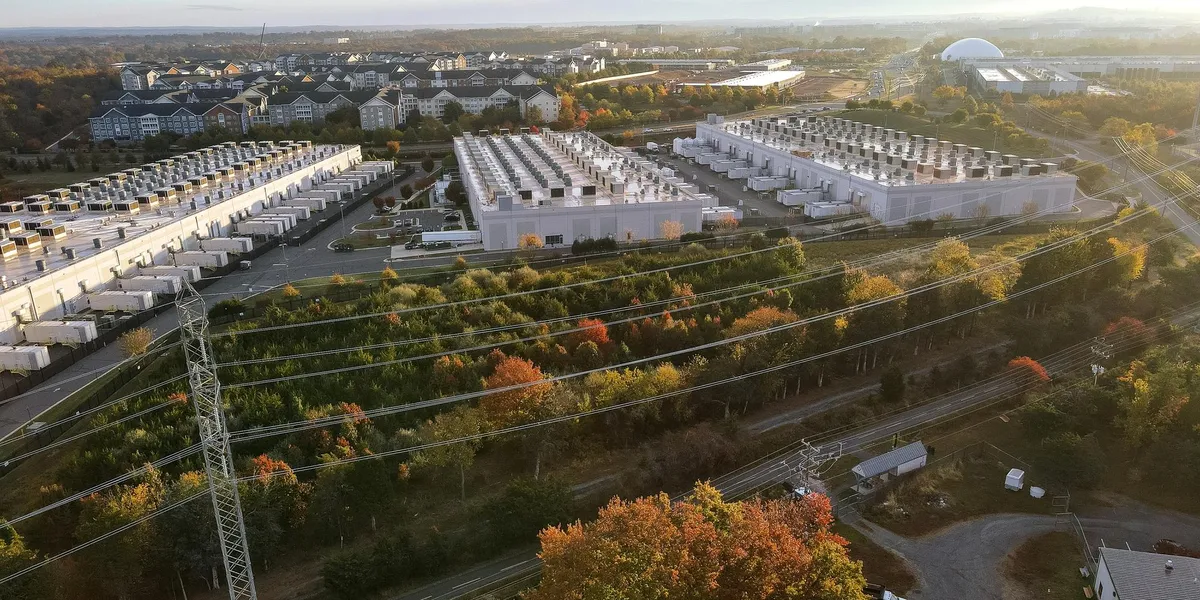
The rise of AI factories – built to train and run large-scale models – is driving an unprecedented surge in energy demand, pushing power requirements from megawatts to gigawatts. Enter the AI factory.
This shift introduces a fundamental constraint: the ability to access, manage, and optimize energy at scale. As a result, AI is no longer just a technology challenge – it is an infrastructure and energy orchestration challenge. Tech companies are now facing incredible, gigawatt-scale power needs while staring down grid connection delays that can last for years.
To solve this, the industry is realizing it must look at the big picture. Operating an AI factory reliably and sustainably means designing a smooth, uninterrupted power journey from the massive utility connection right down to the tiny processing chip. We call this the “grid to chip” approach.
– Adobe Stock