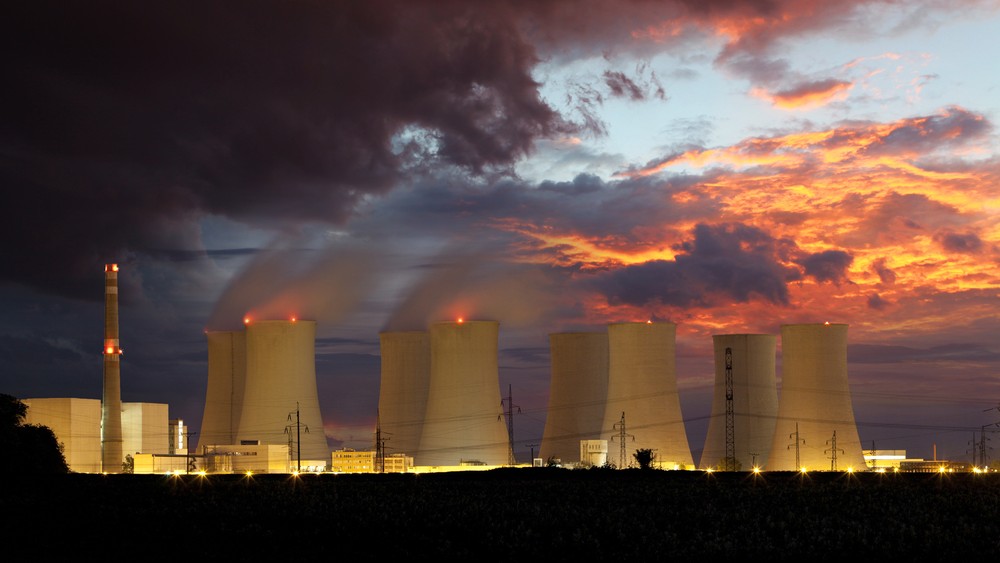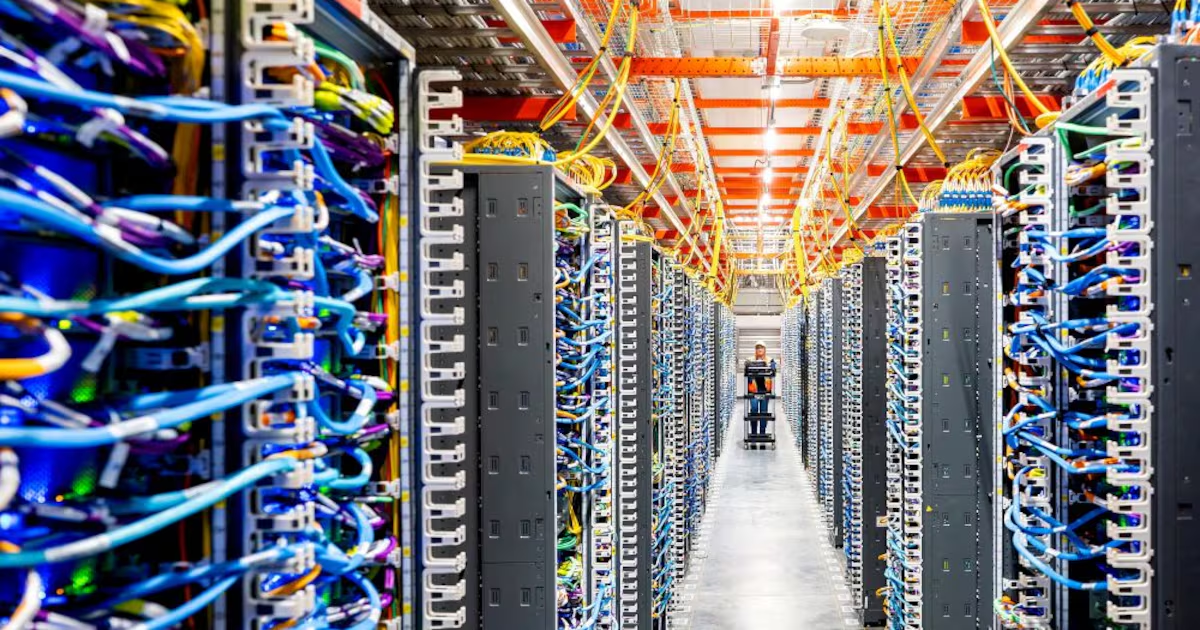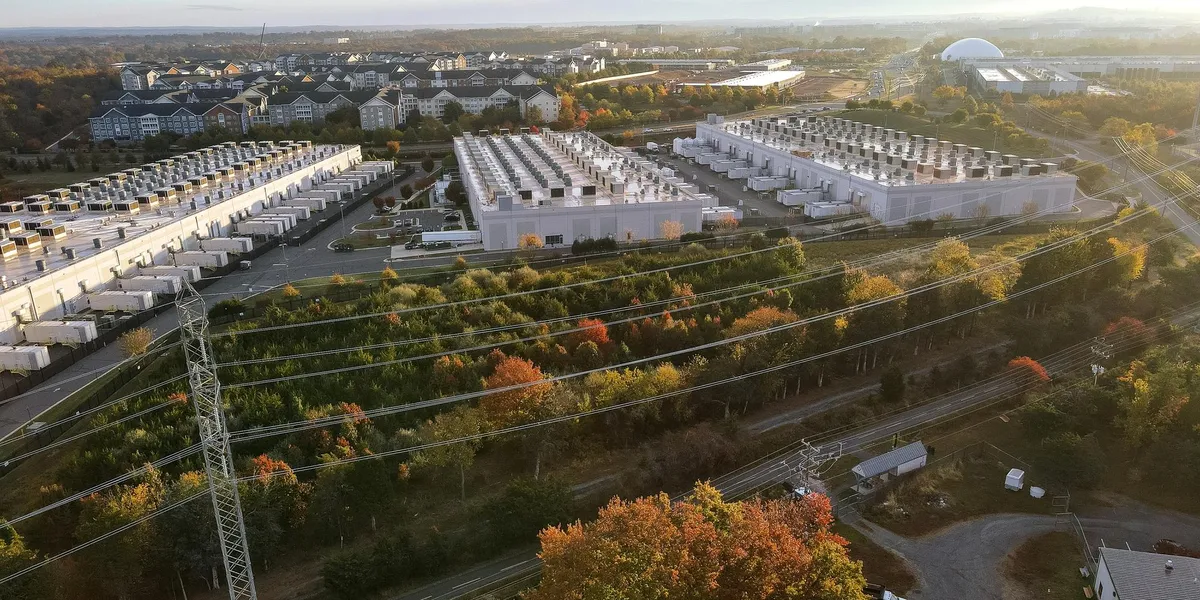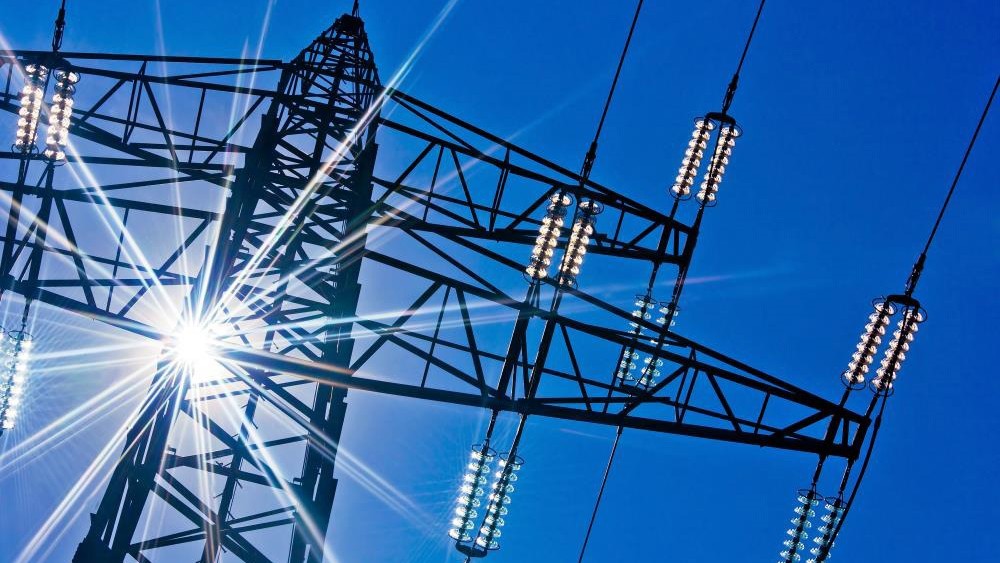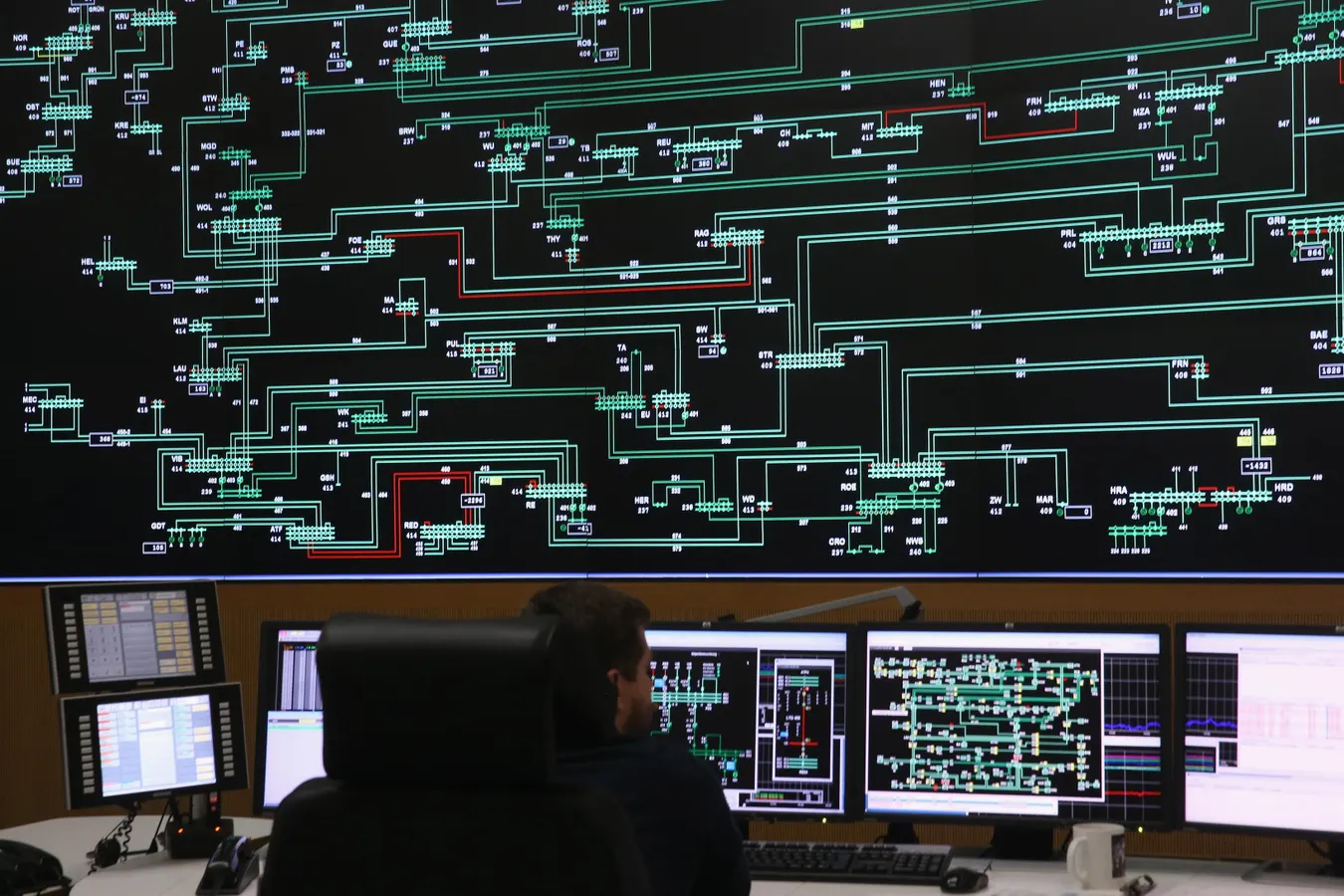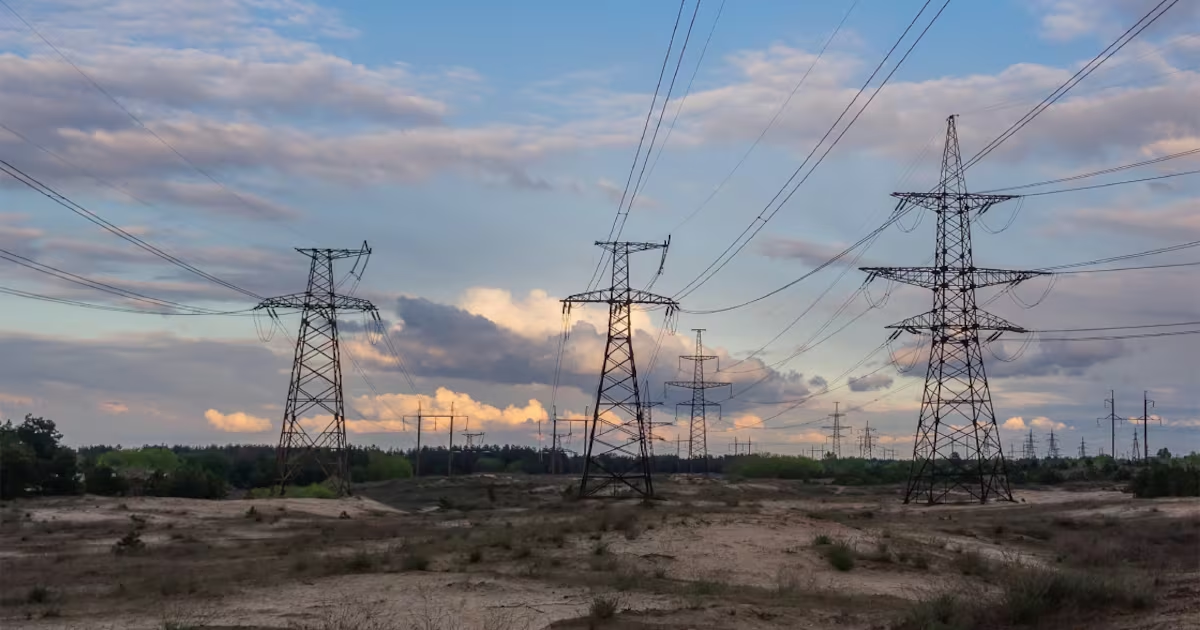
The AI boom is no longer just a story about smarter chatbots, faster chips or bigger valuations. It is becoming a story about power. In 2026 the biggest technology companies are no longer simply investing in software. They are building industrial infrastructure at a scale that looks closer to railroads, telecom networks or energy systems than the last generation of internet apps. Amazon, Microsoft, Alphabet and Meta are guiding toward about $725bn in combined capital expenditure this year. Goldman Sachs is modelling a far larger figure over time with about $7.6-trillion expected across AI compute, data centres and power in 2026-31. That is the real wager. The public sees the product. A search answer. A coding assistant. A chatbot. An image generator. An AI agent. Behind that simple interface sits a physical machine: graphics processing units, high bandwidth memory, cooling systems, transformers, fibre, land, backup power and data centres that need vast amounts of electricity before a single query can be answered. Nvidia remains the most visible winner. Its data centre business has turned the company into the symbol of the AI age, with extraordinary revenue and margins. But the chip story is only the first layer. The deeper constraint is the grid. AI data centres do not scale like websites. They require physical power connections. In the US grid interconnection queues are now measured in thousands of gigawatts. In some high-demand markets companies can wait years for enough power to bring new facilities online. That changes the politics of AI. When a hyperscaler spends billions on a data centre, shareholders may celebrate. When the electricity system tightens and local households see higher bills, regulators notice. In the PJM Interconnection regional electricity transmission market in the US, the grid operator covering parts of the mid-Atlantic and Midwest, data centre demand has already become part of the debate over capacity prices and residential power costs. That is where the AI boom stops being abstract. Someone has to pay for the buildout. For now, Big Tech is spending ahead of demand. The assumption is that AI usage will explode far beyond today’s chat interface. Enterprise agents, coding systems, customer service automation, research tools, AI search and autonomous workflows are all supposed to consume more inference over time. OpenAI and Anthropic are growing at remarkable speed. But even fast-growing revenue still looks small beside the infrastructure being built to serve the future market. That gap is the central tension in the AI economy. This is why the cost of a single AI query matters. A simple prompt may consume only a small amount of electricity. A heavier reasoning task can consume far more. But the electricity is not the full cost. Each query also carries the burden of chip depreciation, memory, cooling, networking, financing, engineering and cloud margin. In other words, users are not just paying for intelligence. They are paying for the capital stack behind intelligence, and it’s important to separate the marginal energy cost of a query from the full infrastructure cost embedded in AI pricing. For crypto investors the lesson is equally important. If hyperscaler compute becomes scarce and expensive, decentralised compute and DePIN networks may have an opening. But only if they can prove real demand, real revenue and reliable supply. A token with AI branding is not enough. The AI boom is real. The technology works. The demand is growing. But this is not just a software cycle anymore. It is a power cycle, a grid cycle and a capital cycle. The companies that win may not only be the ones with the best models. They may be the ones that secure the electricity, own the infrastructure and make every query profitable before the bill comes due. • Muchena is founder of Proudly Associated.
HEATH MUCHENA | The grid, not the GPU, may decide the AI race
Every AI query by the public has electricity demand and a hidden infrastructure tax
TL;DRAI
Big Tech commits $725bn capex for AI infrastructure in 2026, but electricity grid capacity—not GPU chips—is the true constraint. Winners secure power and infrastructure capex, not just best models: AI becomes a capital and grid cycle, not a software race.
626 words~3 min read