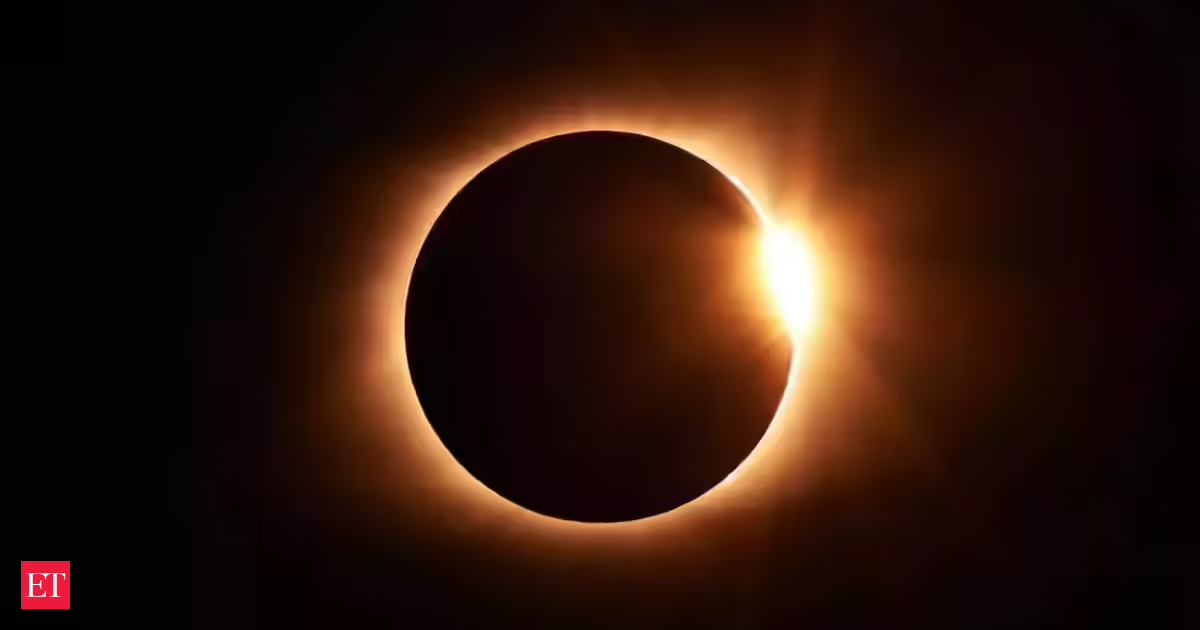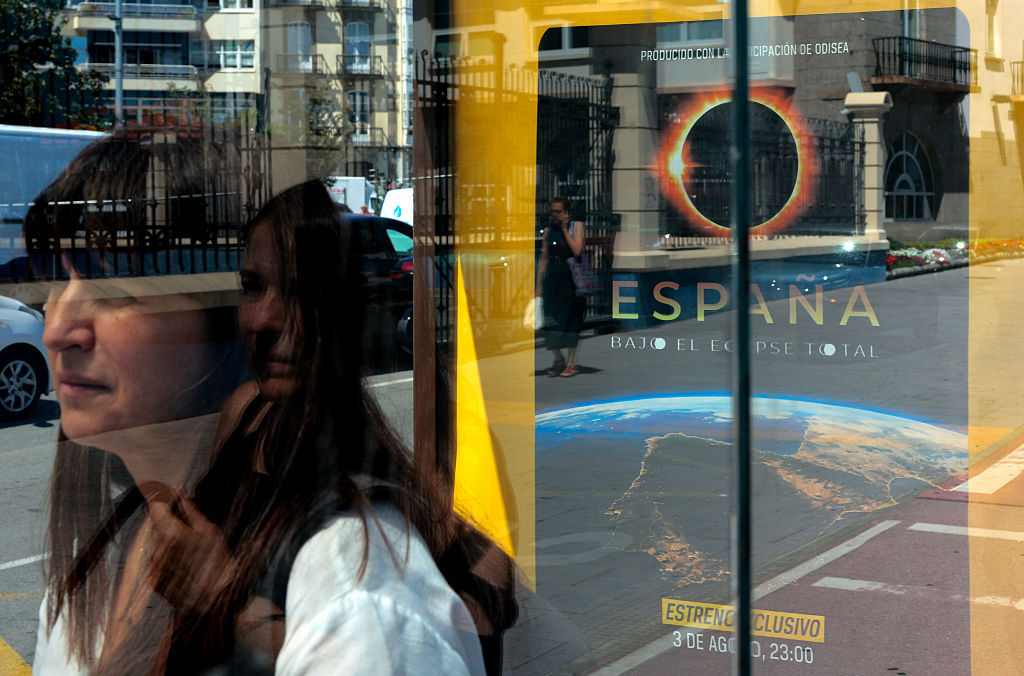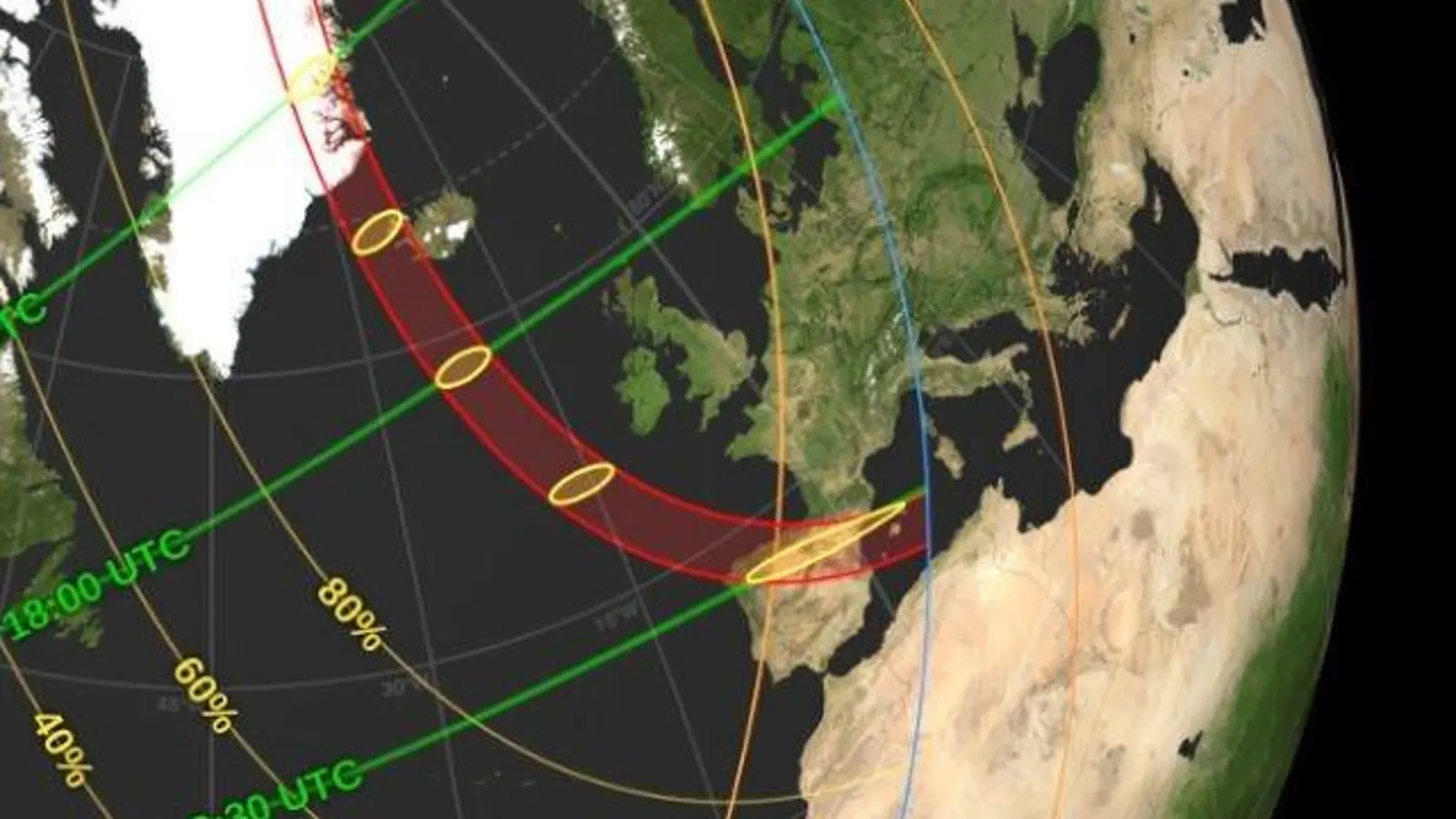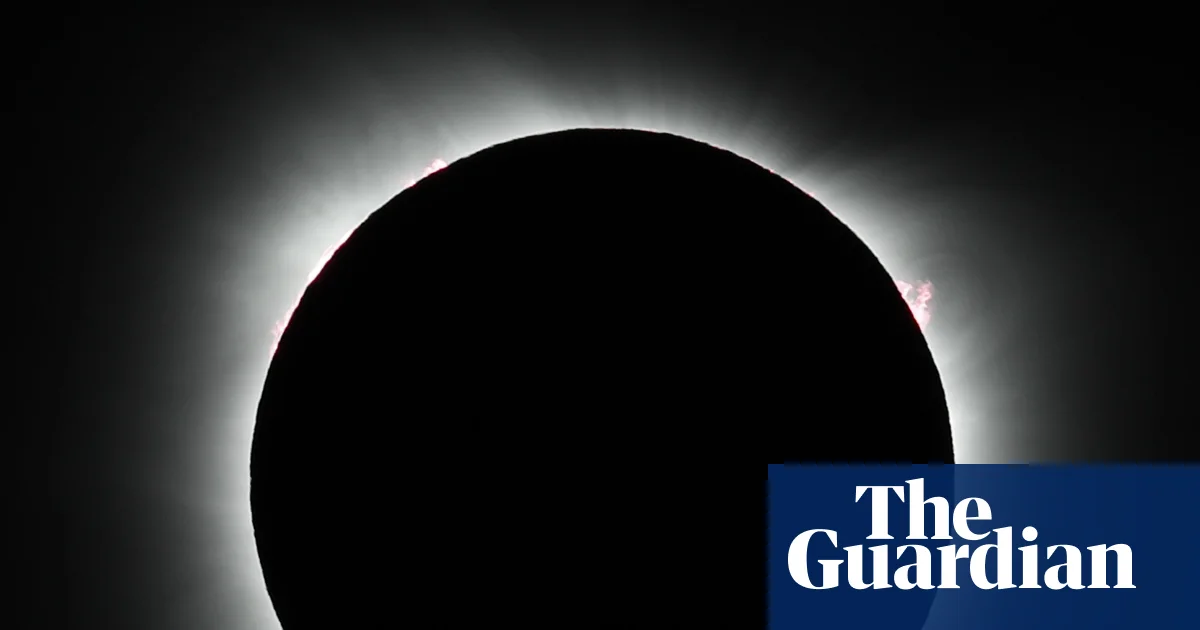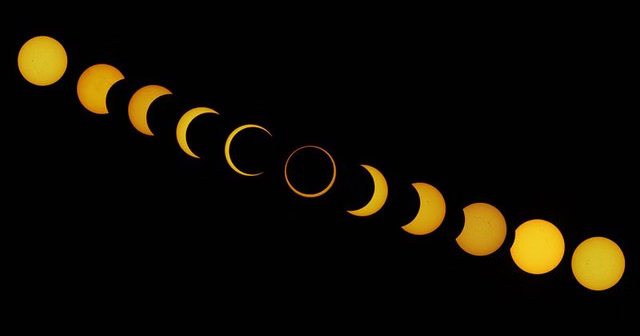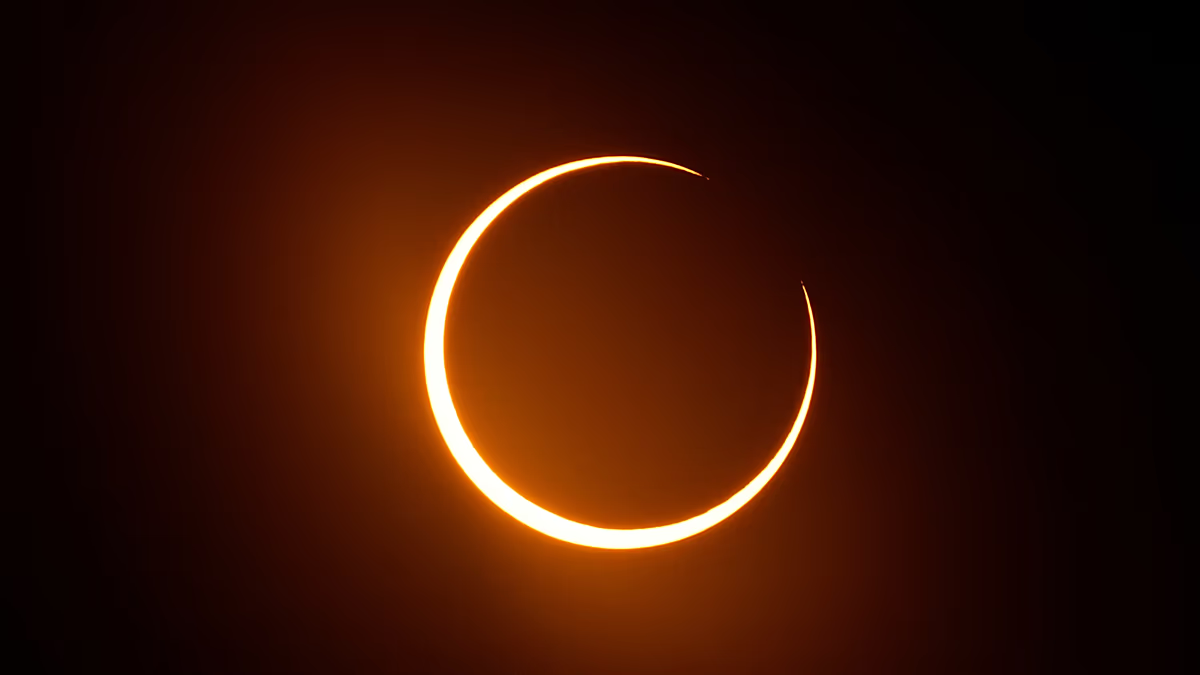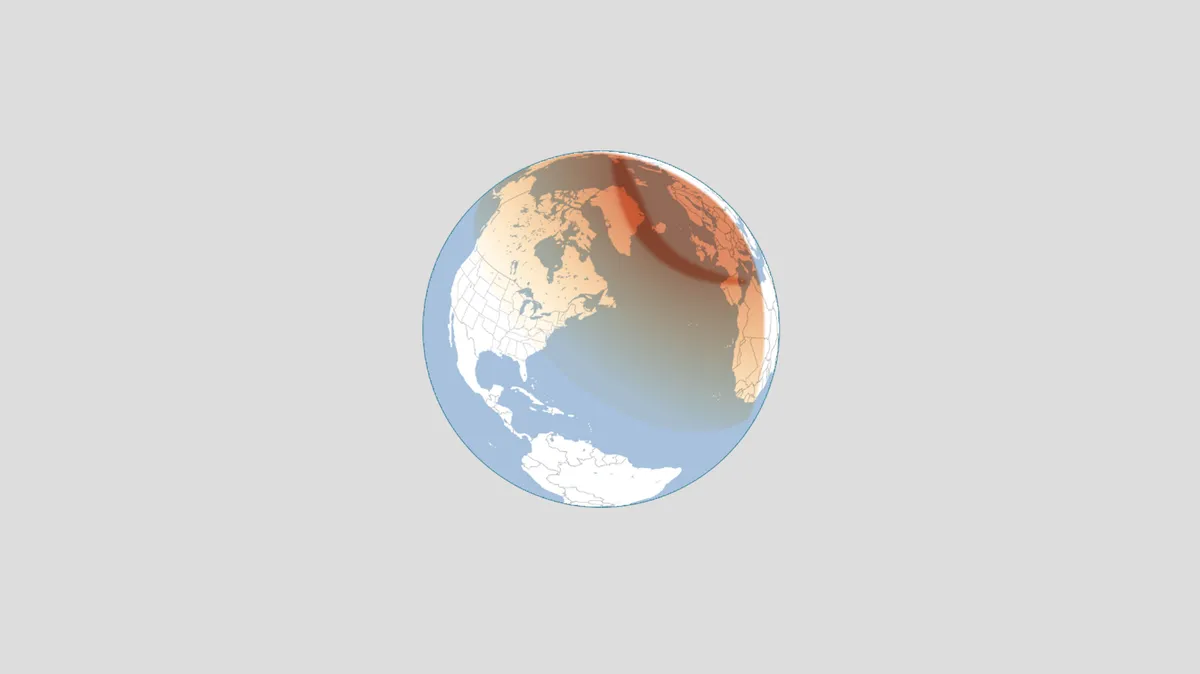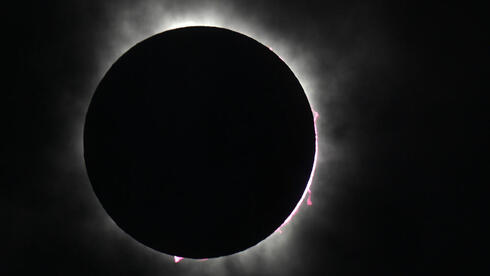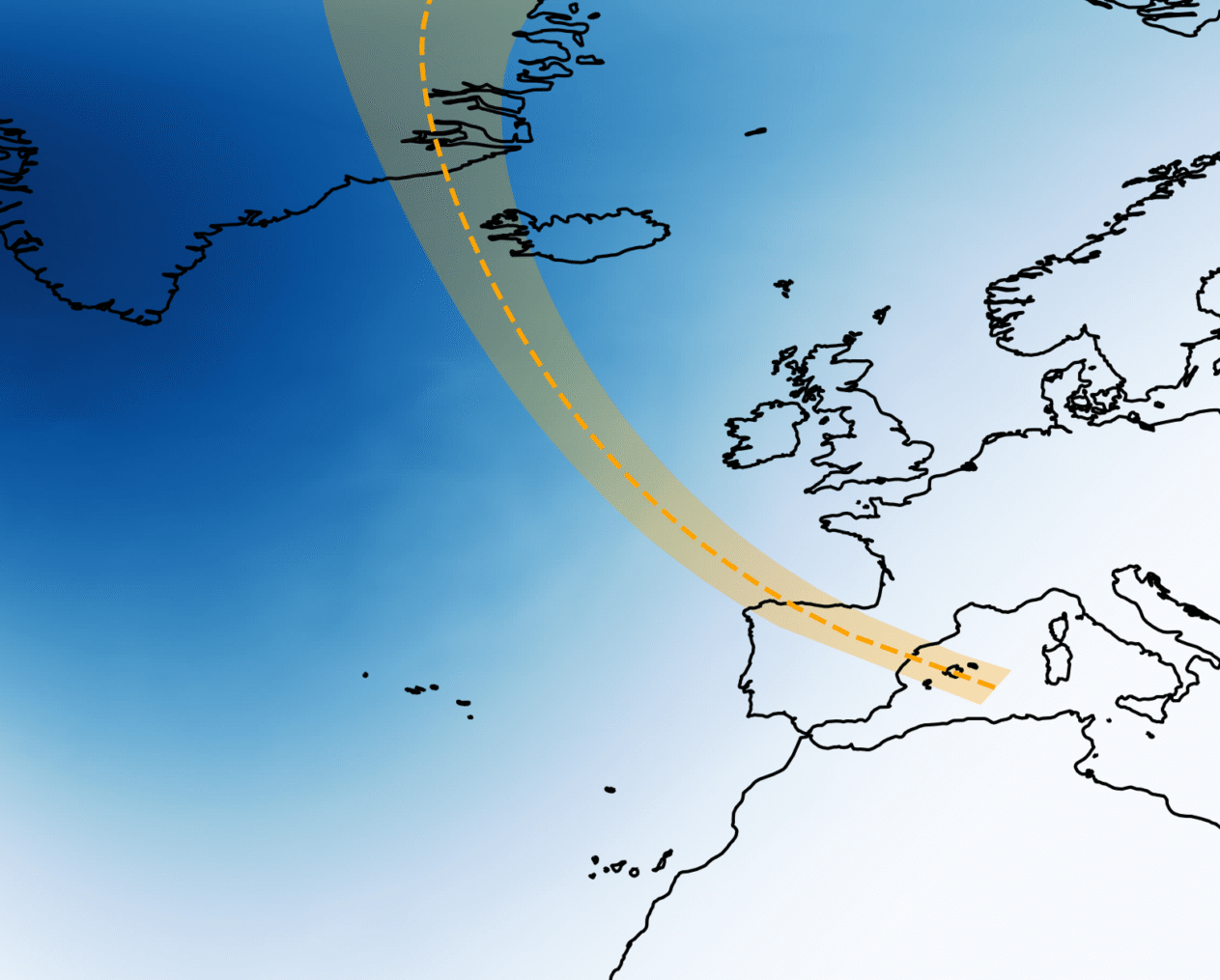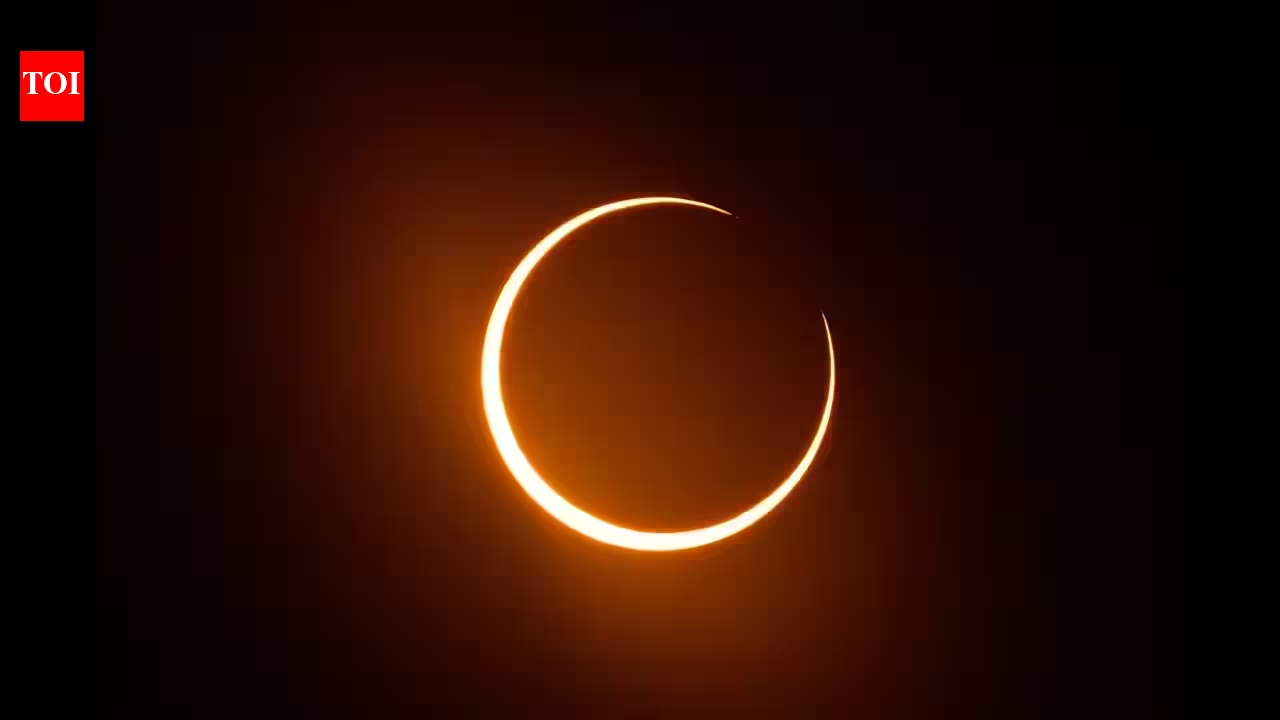
For Europe, the eclipse will therefore be more than an astronomical spectacle, as it will test whether authorities facing extreme summer conditions can manage one of the largest movements of skywatchers (Photo: AP)Europe is battling a severe wildfire season as millions prepare to gather across the continent for a rare total solar eclipse on August 12, creating an unusual challenge for authorities already grappling with extreme heat, dry conditions and heightened fire risks.Spain, one of the main viewing destinations, is expecting around six million visitors for the celestial event, prompting a major security and emergency response as much of the country remains under high to very high wildfire risk.More than 35,000 officers will be deployed as part of a security operation to minimise risks linked to large gatherings in natural areas, including fires caused by discarded cigarettes, Virginia Barcones, secretary-general for civil protection and emergencies at Spain's interior ministry, told Reuters.The eclipse will sweep across parts of Greenland, Iceland, northern Spain and a small part of Portugal, while a much wider area of Europe will experience a partial solar eclipse. It is expected to be one of the year's biggest astronomical spectacles, with millions planning to travel to locations along the narrow path where the Moon will completely block the Sun.Temperatures are forecast to reach around 40°C in parts of Spain, while national weather agency Aemet has classified the wildfire danger as high to very high in affected areas. Around 200,000 hectares have already been scorched by wildfires in Spain this year, according to figures cited by Reuters.Authorities are preparing for large movements of people and vehicles into rural areas, many of which have dry vegetation and limited emergency infrastructure. Officials fear the combination of extreme heat, crowded viewing locations and increased human activity could complicate wildfire prevention and emergency response.A total solar eclipse occurs when the Moon moves directly between Earth and the Sun, completely covering the Sun's bright disc for observers inside the path of totality. The August 12 eclipse will cross Greenland, Iceland, the Atlantic Ocean, northern Spain and a small corner of Portugal. Much of the rest of Europe will see a partial eclipse.The event is particularly significant because total solar eclipses are rare at any given location. The last total eclipse visible from mainland Spain occurred in 1905, making the 2026 event particularly significant for Spanish skywatchers.For Europe, August 12 will therefore be more than an astronomical spectacle. It will also test whether authorities facing extreme summer conditions can manage one of the largest movements of skywatchers in years without allowing the pursuit of a few minutes of total darkness to add another emergency to an already difficult wildfire season.
Europe’s solar eclipse comes amid extreme heat and severe wildfire risk
Europe is battling a severe wildfire season as millions prepare to gather across the continent for a rare total solar eclipse on August 12, creating an unusual challenge for authorities already grappling with extreme heat, dry conditions and heightened fire risks.
445 words~2 min read