In a new weekly update for pv magazine, Solcast, a DNV company, explores the expected impact of the forthcoming solar eclipse on August 12.
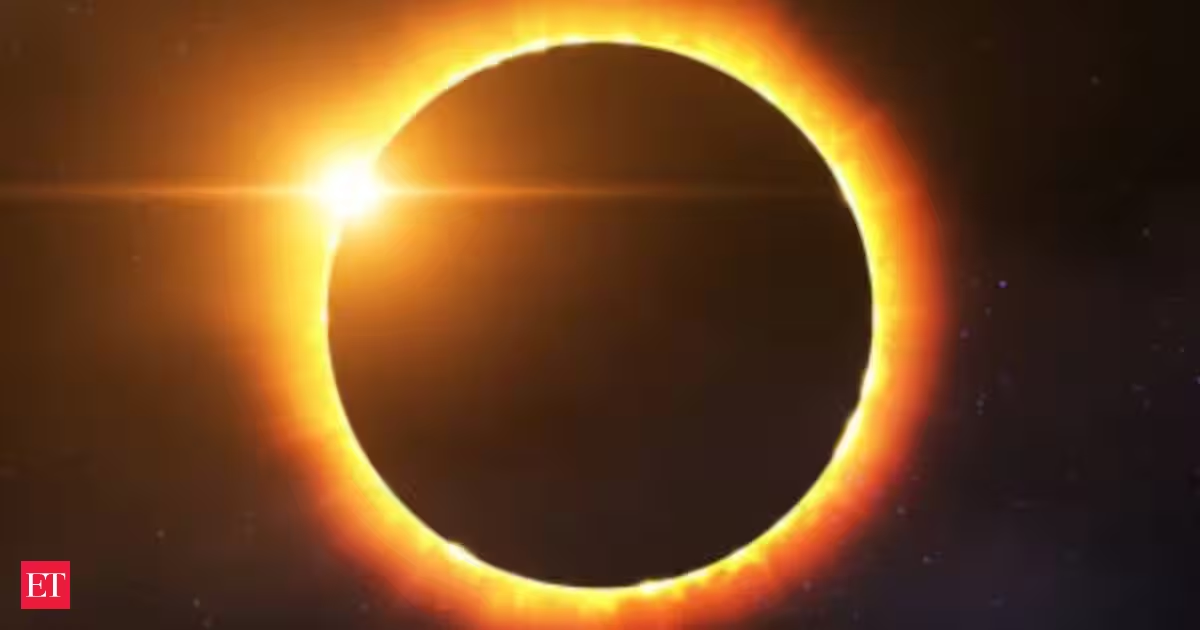
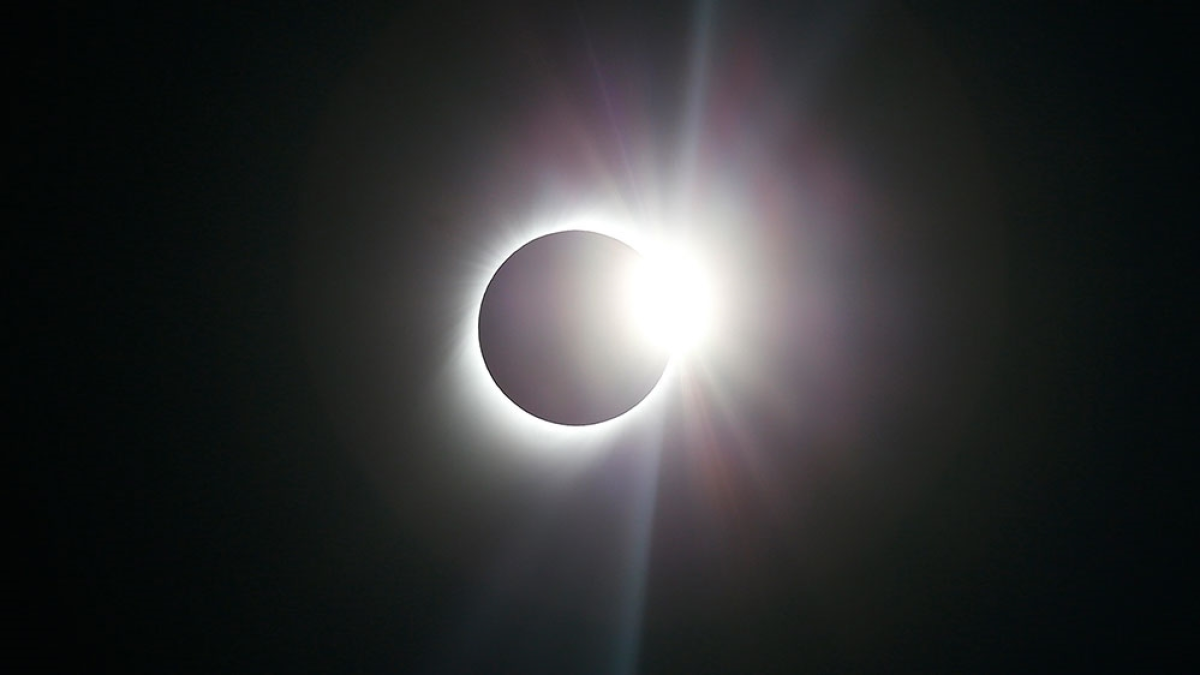
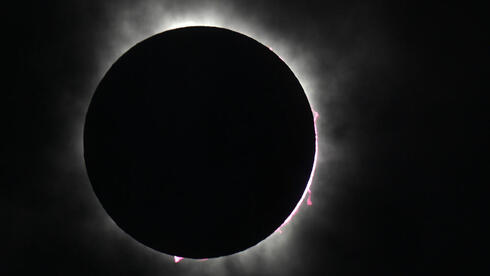
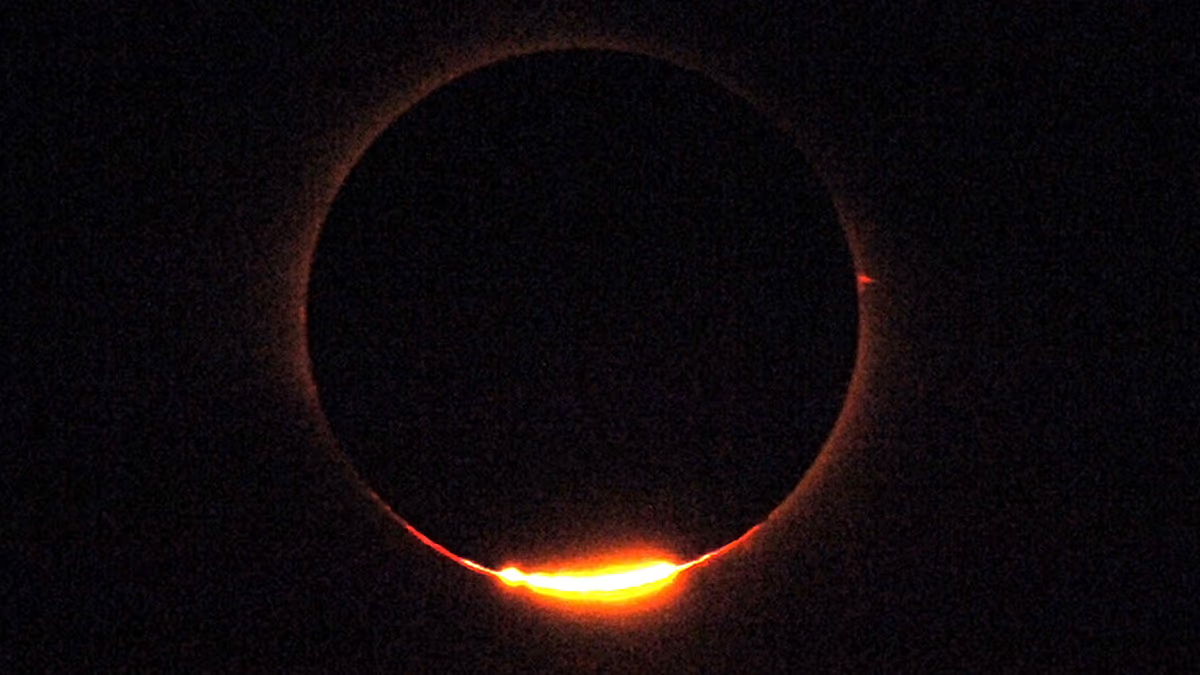
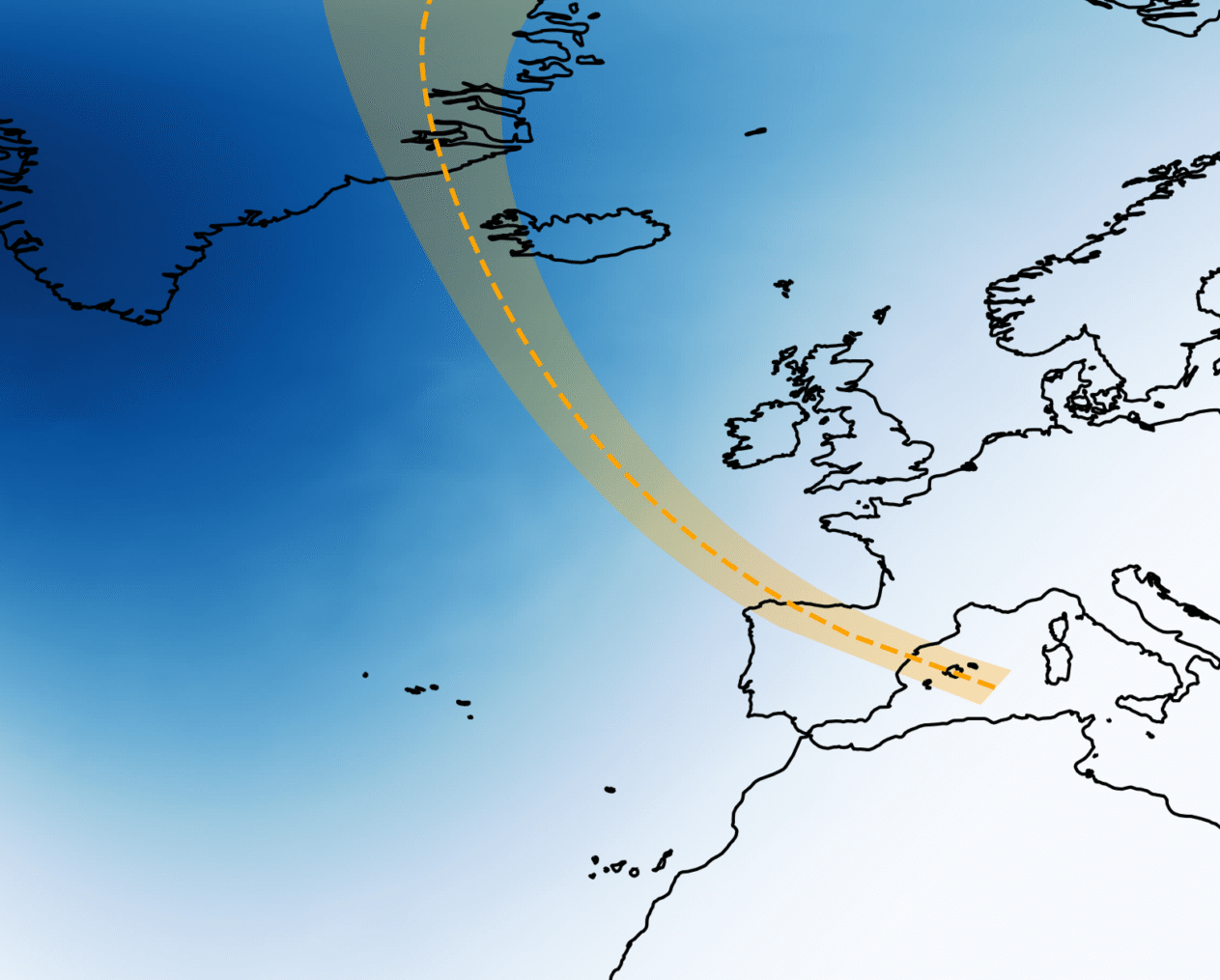
On 12 August 2026, a total solar eclipse will track from Siberia across the Arctic, Greenland and Iceland to reach northern Spain and north-eastern Portugal, marking the first total solar eclipse over mainland Europe since 1999. Much of the rest of Europe will see a deep partial eclipse in the early evening, while parts of the eastern United States and Quebec will see a smaller partial eclipse around midday. Eclipse events are a challenging real-world test for balancing solar-powered grids, due to the uniform and wide-scale drop in irradiance across every solar asset. Markets with lots of behind-the-meter rooftop solar also see a ramp in load on the grid, that is correlated with the drop in renewables, potentially testing response and peaking capacity and storage dispatch.
Cloud cover will determine how much of the eclipse is actually visible from the ground, and the severity of the grid impacts. Current forecasts suggest better viewing conditions in Madrid, Paris and London, with cloud opacity generally remaining below 25% during the eclipse. Amsterdam and Berlin are more likely to experience greater cloud interference, with cloud opacity forecast for around 40% and 35% respectively. Reykjavik, despite lying within the path of totality, is forecast to experience much cloudier conditions, with cloud opacity of around 60-80% potentially obscuring the views of the eclipse event.