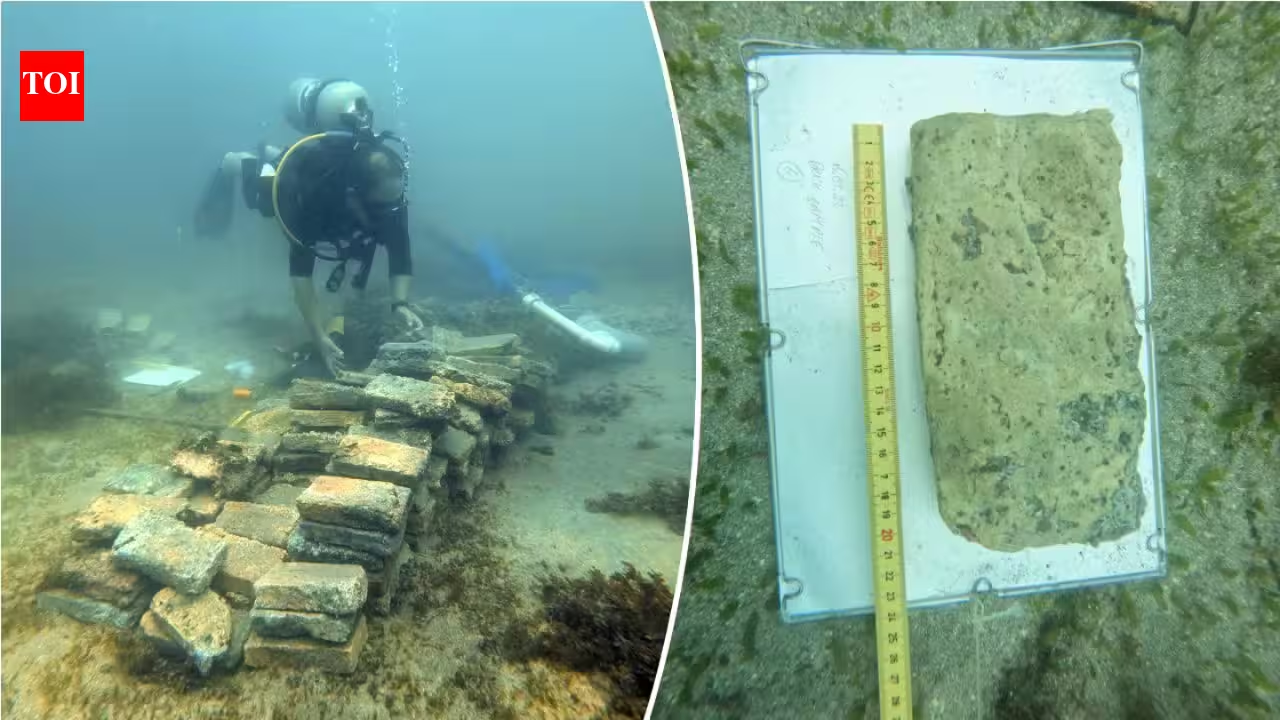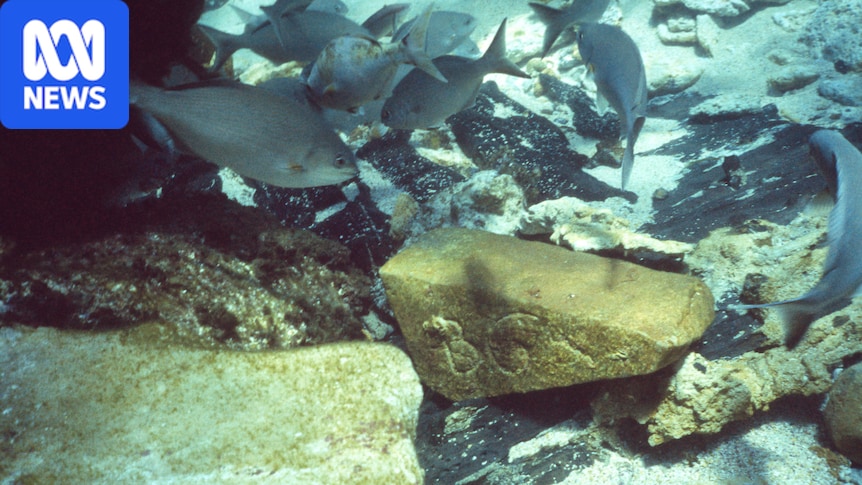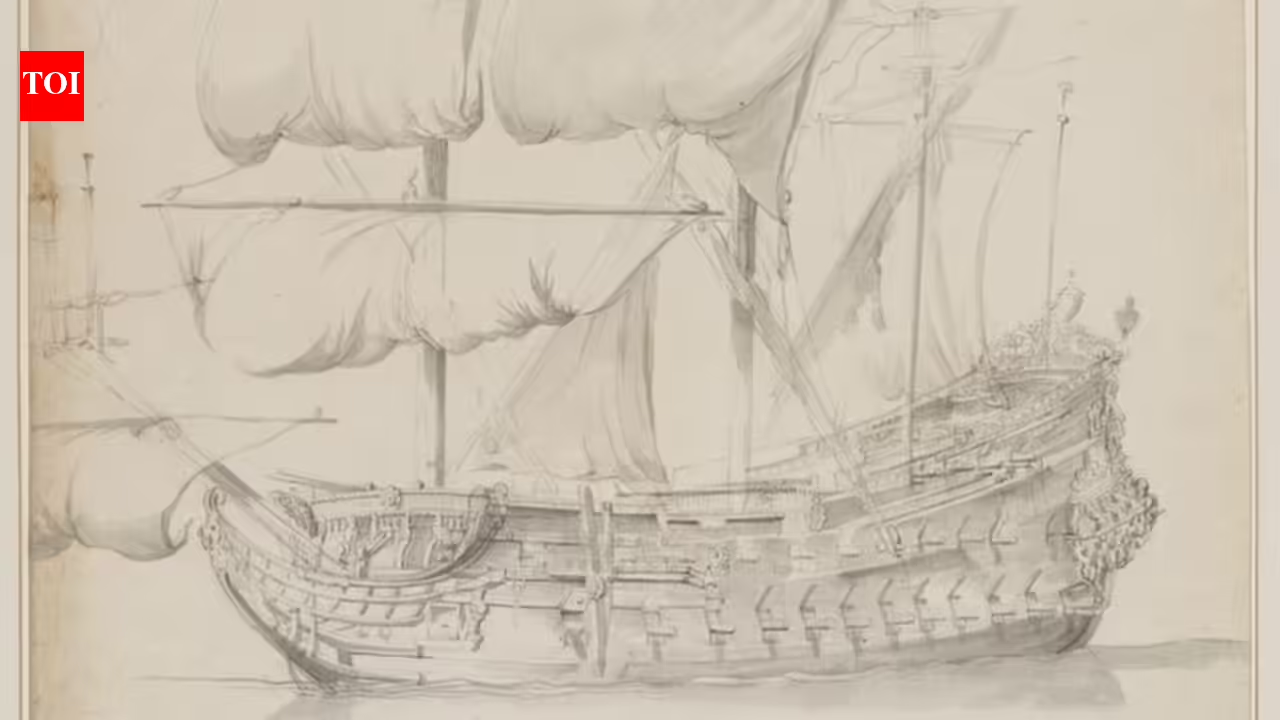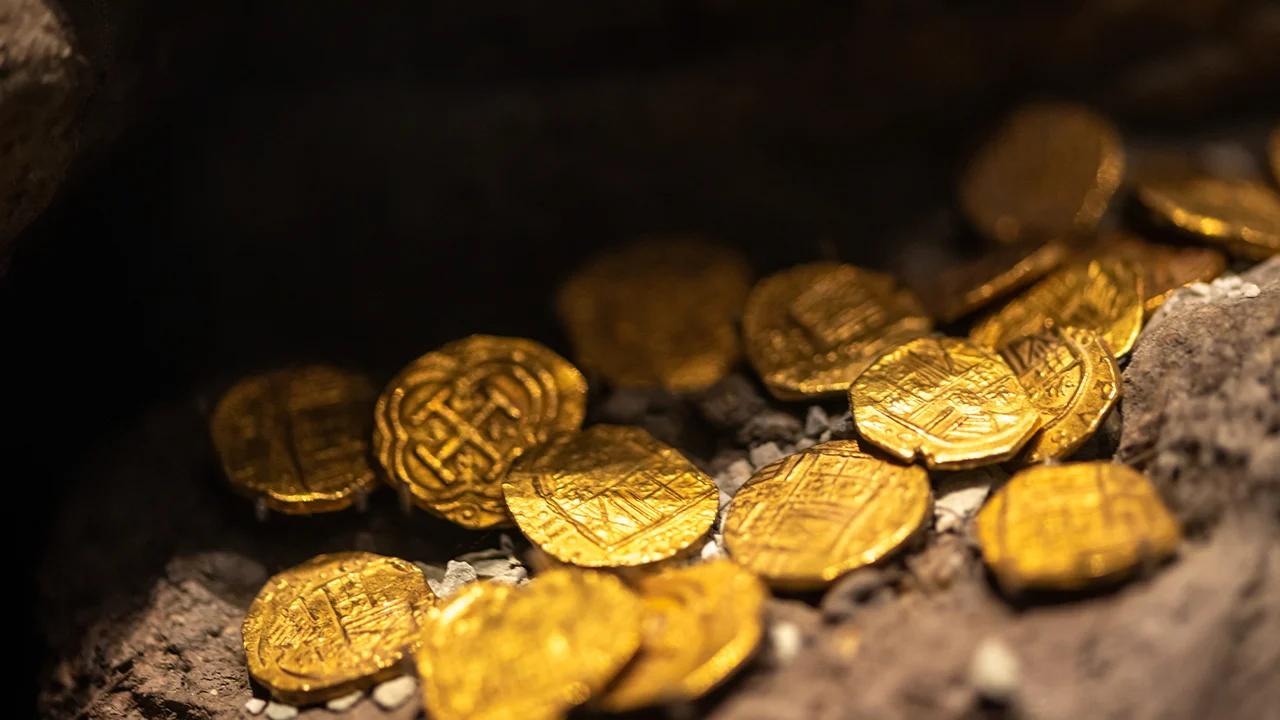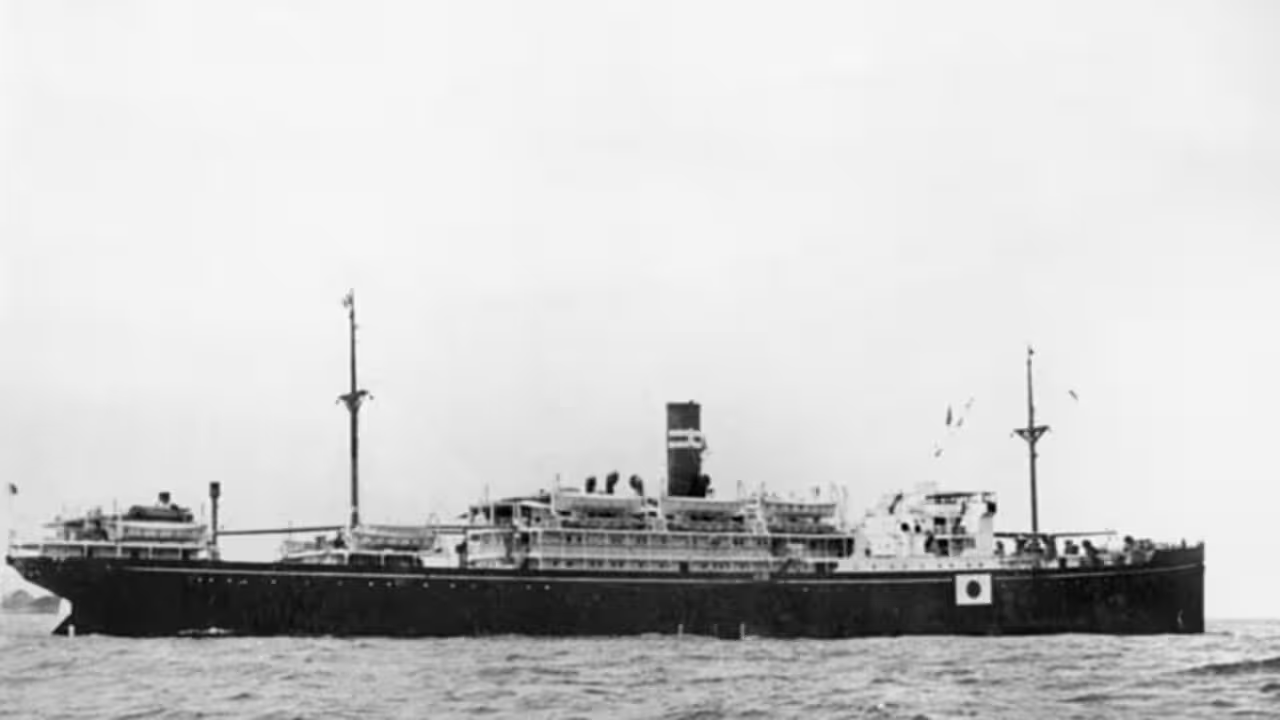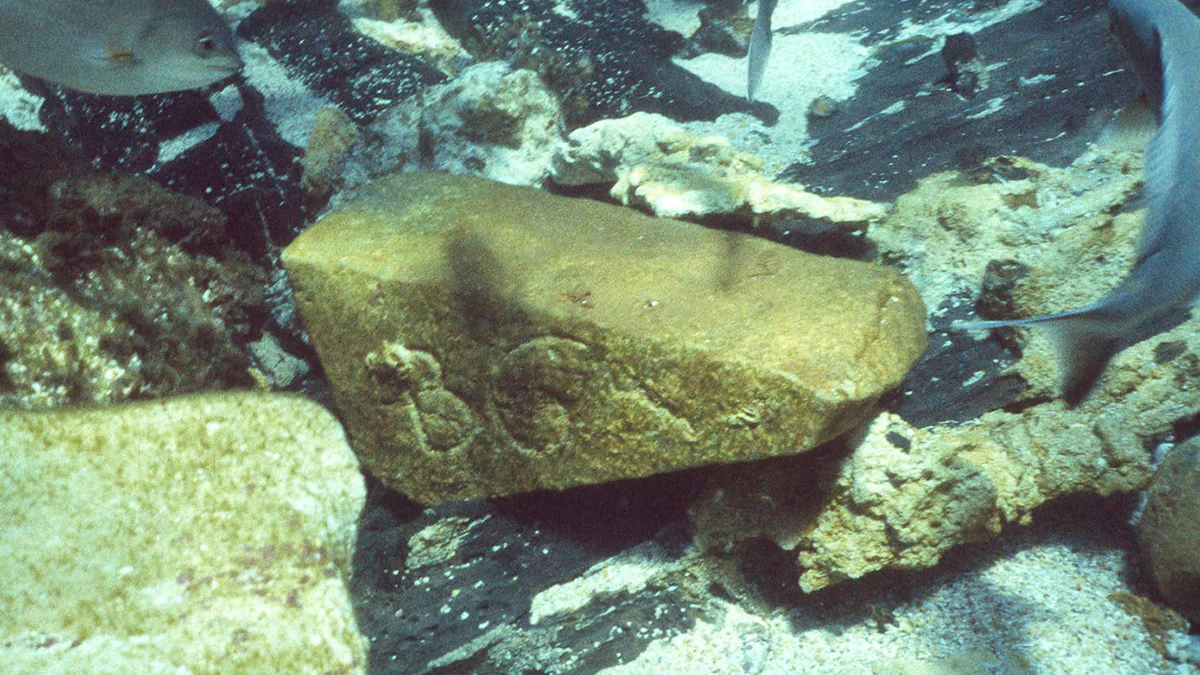
The wreck of the Dutch East India Company ship Batavia, which sank off the coast of Western Australia in 1629, is one of the most infamous in the region's history – primarily because of the massacre and mutiny that took place amongst the survivors.Researchers from Australia and Germany have now published a paper in the Journal of Archaeological Science: Reports that analyzes a different aspect of the Batavia's story: what exactly it had in its hold.The ship was carrying prefabricated sandstone blocks, thousands of bricks, and other building materials when it was wrecked, plus a treasure trove of silver coins and jewels.Of particular interest to the researchers was where these sandstone blocks had been sourced from – and the answer to that question has revealed a surprising strategic choice by the Dutch East India Company four centuries ago."Historical records are incomplete, and after nearly 400 years underwater, these stones can look very similar, making them difficult to identify," says geochemist Anthony Clarke from Curtin University in Australia."We wanted to know if tiny mineral grains could give us a reliable fingerprint of where the stone formed, and help reveal how the Dutch East India Company sourced and transported materials across its global network."The two samples studied by the team. (Clarke et al., J. Archaeol. Sci. Rep., 2026)The team used a technique called detrital zircon U-Pb dating to uncover details of the rock's composition that couldn't be ascertained from conventional imagery and analysis.This dating technique essentially looks at the uranium trapped in the zircon of the sandstone to assess its age. When the researchers compared samples from two sandstone blocks against each other, they found their patterns didn't match.The samples did tally with rock found in modern-day quarries: one sandstone block was from the Bentheim quarry in Germany, and one was from the Obernkirchen quarry, also in Germany. Both are known to have been used by the Dutch East India Company.
Infamous 17th-Century Shipwreck Reveals Trade Route Secrets of The Dutch East India Company
The wreck of the Dutch East India Company ship Batavia, which sank off the coast of Western Australia in 1629, is one of the most infamous in the region's history – primarily because of the massacre and mutiny that took place amongst the survivors.
666 words~3 min read