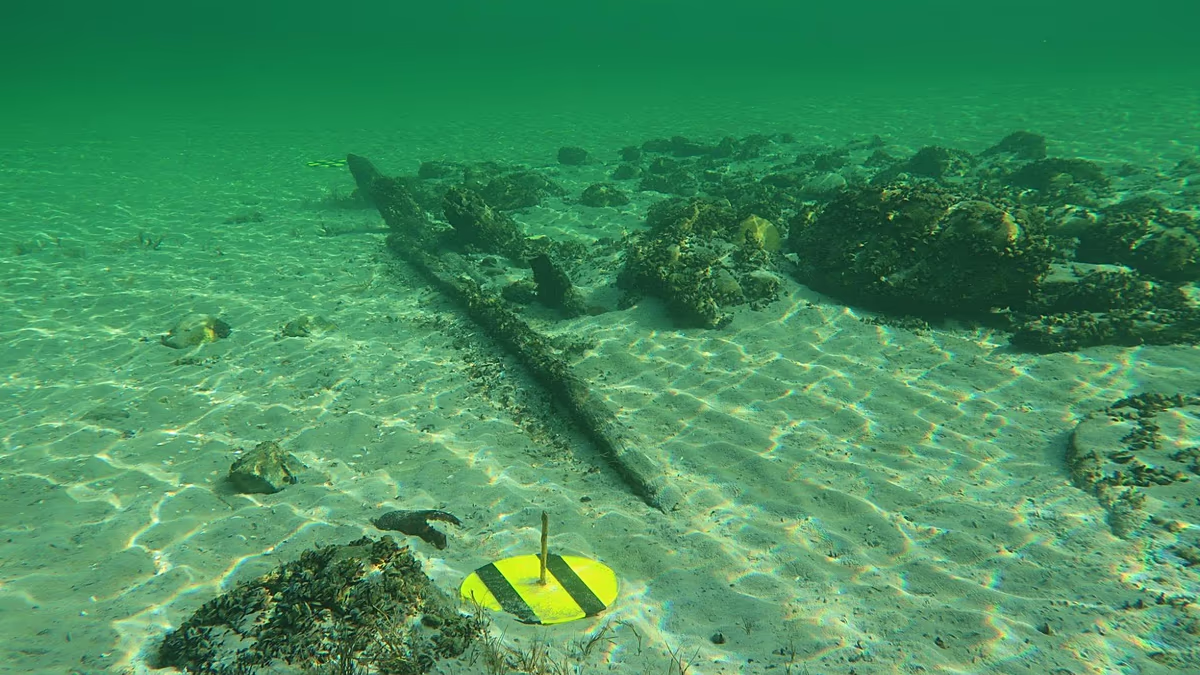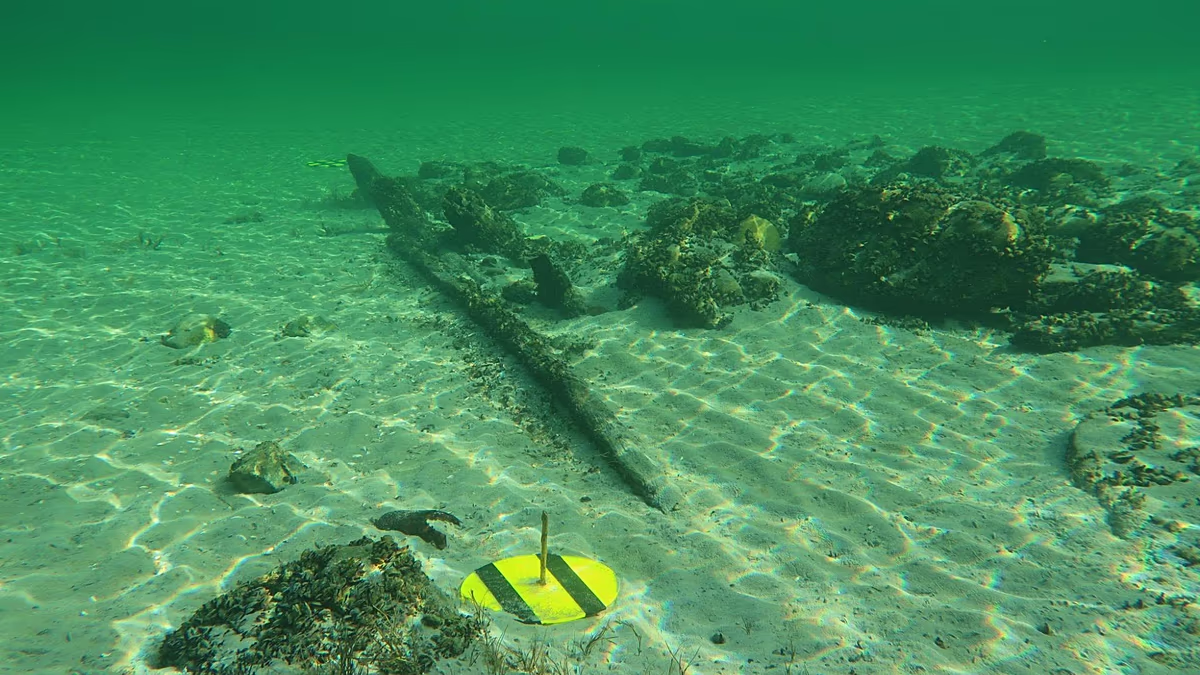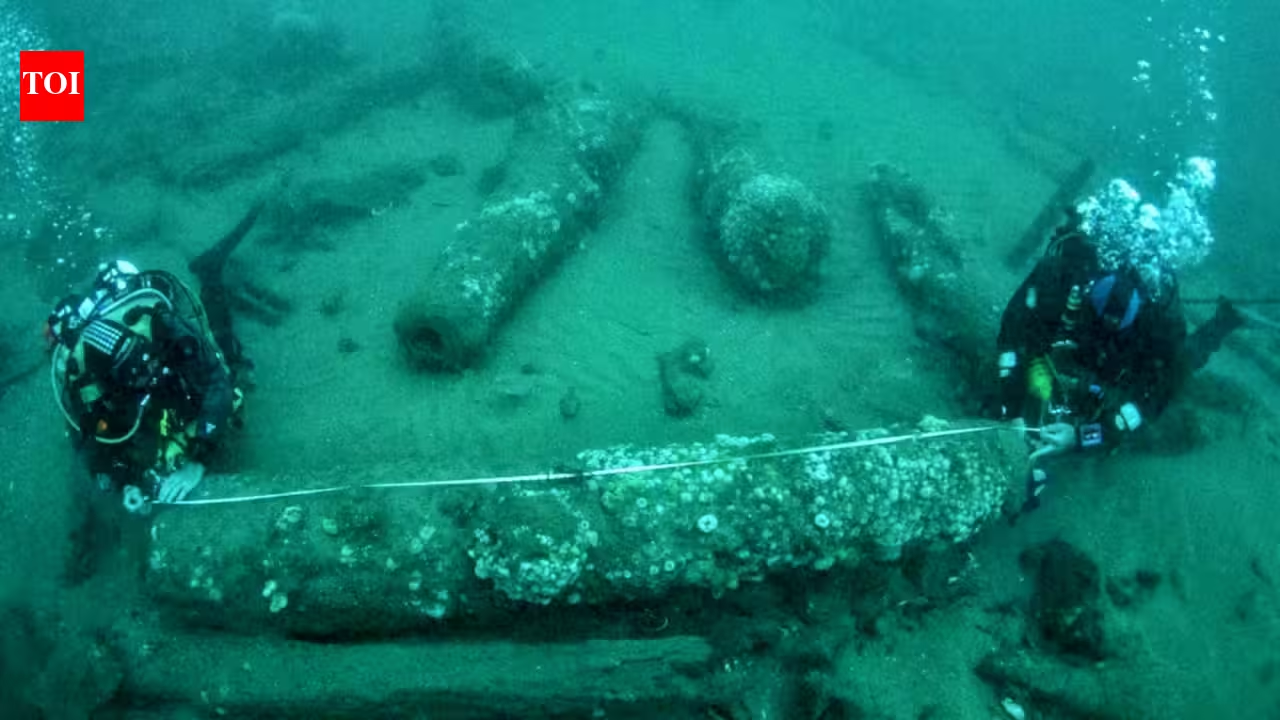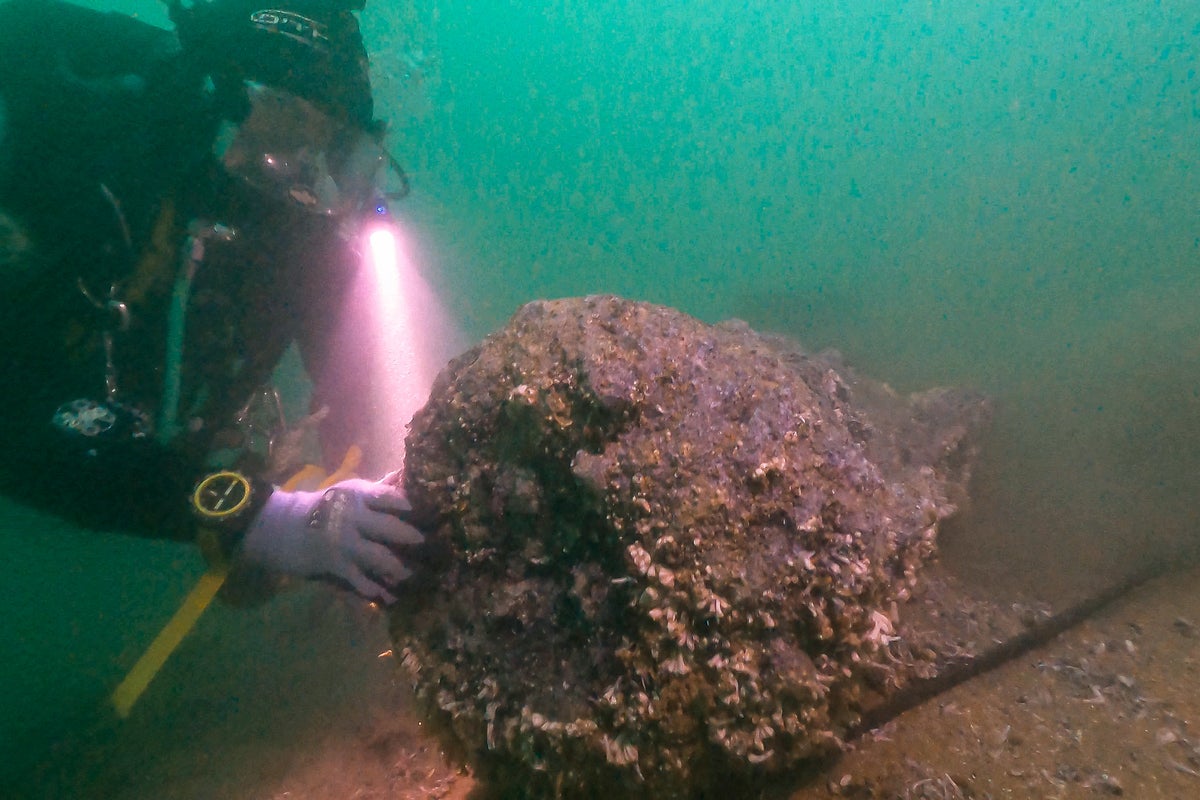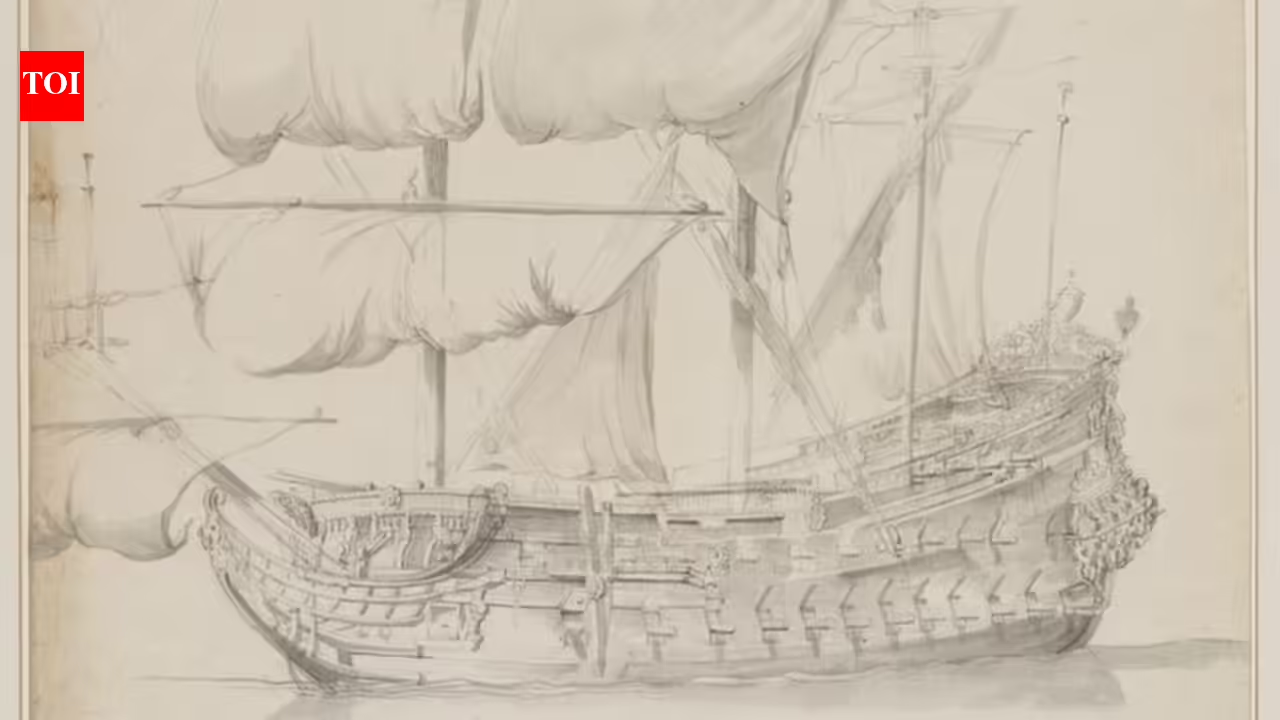
17th century drawing of the Klein Hollandia. Image credits: Wikimedia CommonsFor years, a well-preserved shipwreck lying beneath the English Channel was known as the Unknown Wreck off Eastbourne. In January 2023, maritime archaeologists finally identified the shipwreck as the Klein Hollandia, a 44-gun Dutch warship built in 1656 and sunk in 1672 during a surprise English attack. According to CBS News, the identification solved a long-standing mystery, while Historic England noted that the wreck’s condition is remarkable and could offer an insight into Dutch warships from the 17th century. Notably, the vessel still carried cargo from its final Mediterranean voyage, including finely cut Italian marble for prestigious buildings in the Netherlands.Four years of investigation beneath the seaAccording to Historic England, in 2019, the wreck was discovered by Eastbourne dive operator David Ronnan after an earlier hydrographic survey had detected an underwater anomaly and after recognising its archaeological importance, authorities granted the highest level of protection under the Protection of Wrecks Act 1973. In the next four years, specialists from Historic England, the Cultural Heritage of the Netherlands and the Nautical Archaeology Society combined underwater surveys with archival research, dendrochronology of timber samples and historical records to determine the vessel’s identity. Following this, the breakthrough came from examining both the ship’s structure and its cargo.Klein Hollandia bronze guns No.1. Image credits: Nautical Archaeology SocietyAccording to Historic England, scientists used petrographic, mineral-composition and isotope analysis on the recovered stone tiles. The researchers identified them as marble from the Apuan Alps near Carrara, Italy, which is celebrated as one of the world’s renowned marble-producing regions. Furthermore, archaeologists also documented cannons, substantial sections of the wooden hull and fragments of Italian pottery. This evidence helped the archaeologists to identify the wreck as a Dutch warship returning from Italy rather than a merchant vessel or an English naval ship.A battle that likely ignited a warHistorical research revealed that the Klein Hollandia served in all major engagements of the Second Anglo-Dutch War (1665-1667) before undertaking its final voyage in 1672. According to Historic England, the ship was escorting a valuable Smyrna convoy from the Mediterranean back to the Netherlands when it encountered an English squadron led by Sir Robert Holmes near the Isle of Wight. On 23 March 1672, the Dutch ship’s commander, Jan van Nes, was killed, the vessel was boarded by English sailors, and it later sank with both Dutch and English crew members on board. Notably, many historians believe that the ambush on the Dutch ship contributed to rising tensions that later triggered the Third Anglo-Dutch War.It is worth noting that the marble cargo offers a rare glimpse into the 17th-century trade and naval logistics. According to the RCE, the marble tiles were aimed at high-status homes and possibly important civic buildings in the Netherlands, thus highlighting that even heavily armed vessels sometimes transported valuable commercial goods alongside their military duties. Additionally, the investigation did not end with the ship’s identification, with the damage documented by the divers in 2021 prompting a joint conservation effort that now includes forensic marking technology to help deter theft and make underwater artefacts traceable if removed illegally. Thus, researchers continue to survey the wreck as part of a broader Anglo-Dutch partnership dedicated to protecting shared maritime heritage.
A mystery wreck off the English coast was identified in 2023 as a Dutch warship sunk in a 1672 ambush, still loaded with the Italian marble it was carrying home
For years, a well-preserved shipwreck lying beneath the English Channel was known as the Unknown Wreck off Eastbourne. In January 2023, maritime archaeologists finally identified the shipwreck as the Klein Hollandia, a 44-gun Dutch warship built in 1656 and sunk in 1672 during a surprise English attack.
540 words~2 min read