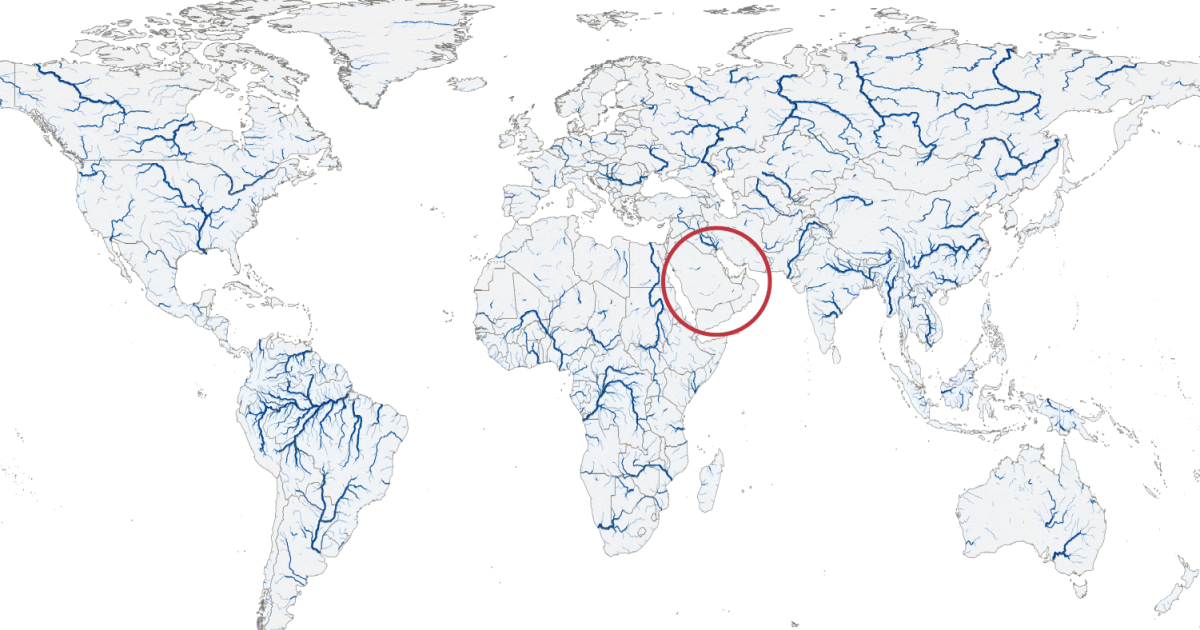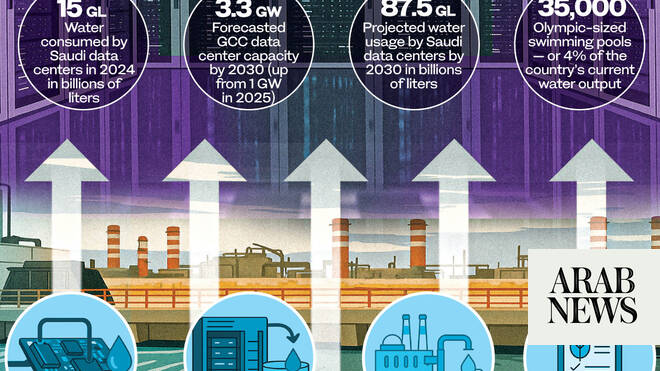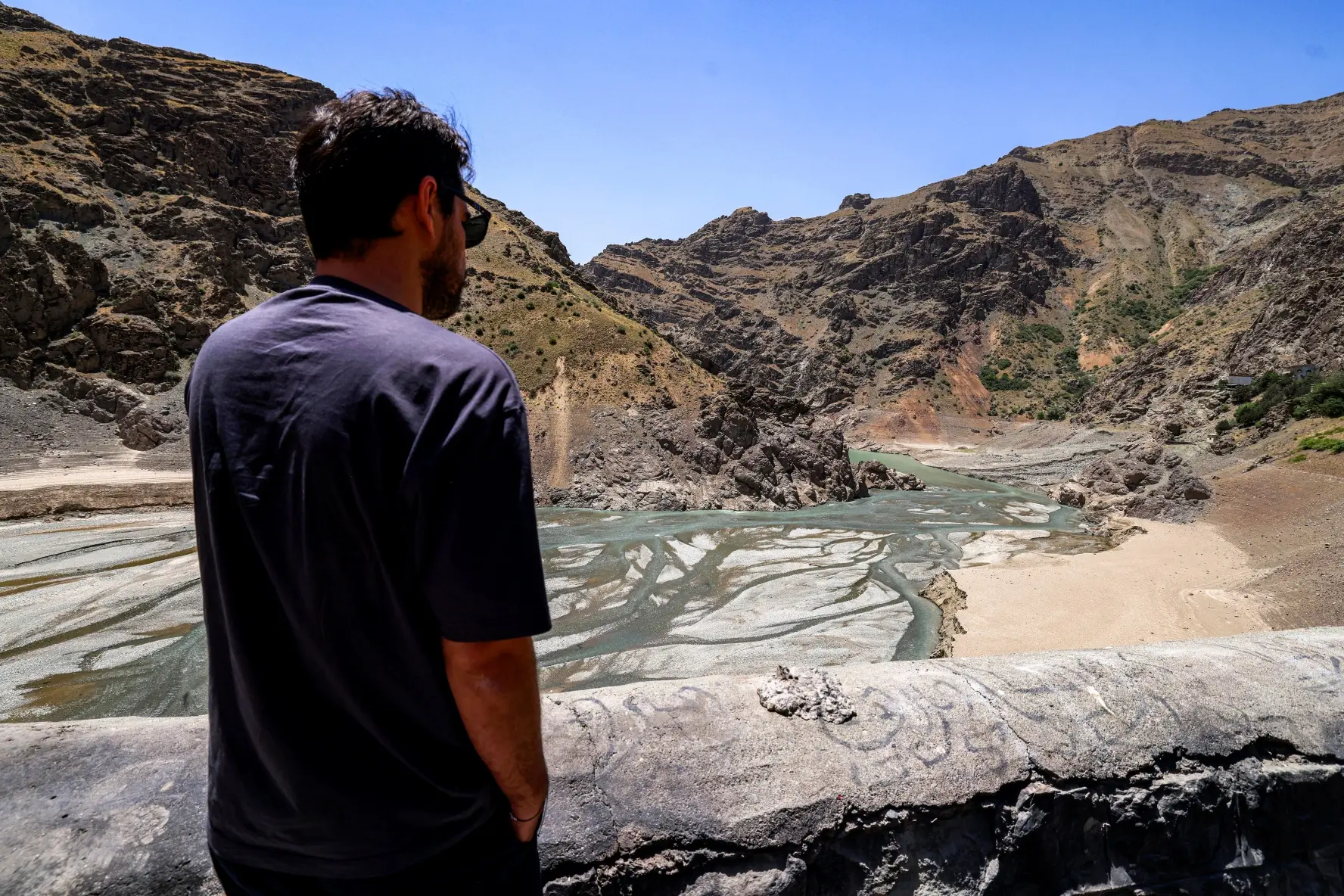
Among all the challenges across the Middle East, water security seldom makes the headlines, yet it can keep policymakers awake at night. The Gulf states are among the world’s highest consumers of water per capita but endure some of the most acute water scarcity on the planet. According to the World Bank, daily water consumption in the Gulf is close to 550 litres (compared with around 120 litres in countries like Germany), yet its renewable freshwater resources amount to less than 100 cubic metres per person annually, less than a fifth of its usage.
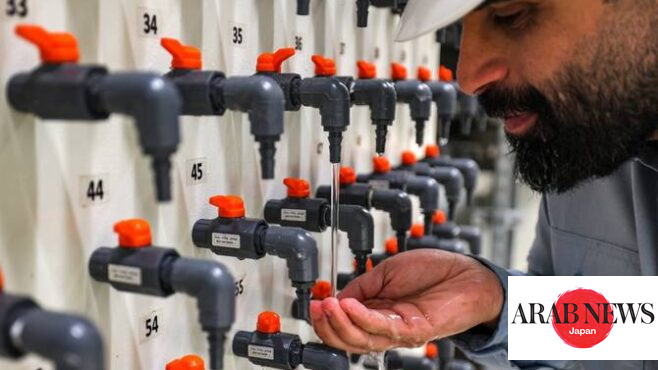
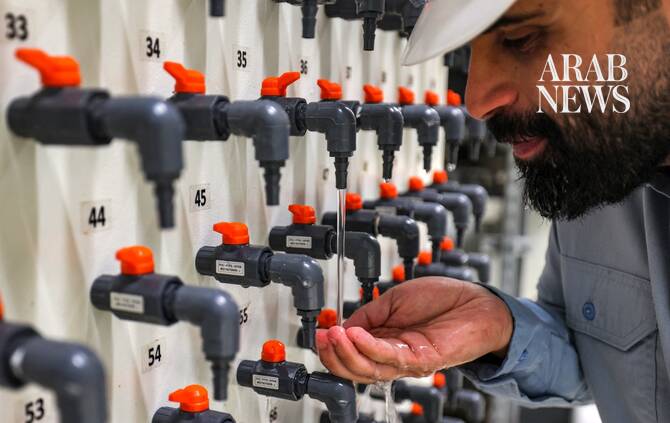
Seawater desalination is therefore the Gulf states’ main source of water. Together, they account for more than half of the world’s desalination capacity and produce almost 40% of its desalinated water through more than 400 plants. Saudi Arabia produces about 20% of the world’s desalinated water, making it the largest producer globally. About half of the water supplied to Saudi residents comes from desalination, while in the United Arab Emirates, around 80% of its drinking water is desalinated. The figure is even higher in Oman (86%), Kuwait (90%), Bahrain (more than 90%), and Qatar (99%).
Gulf states’ need sustainable water supplies, and most have built this into their long-term planning. Under the Gulf Cooperation Council’s 20-year Unified Water Strategy, member states aim to ensure that, by 2035, at least 10% of their total desalination capacity uses technology that is locally owned and manufactured. The goal is to become self-sufficient and ‘localise’ desalination. In this special report, Al Majalla looks in more detail at how each state is progressing.