https://arab.news/4356t
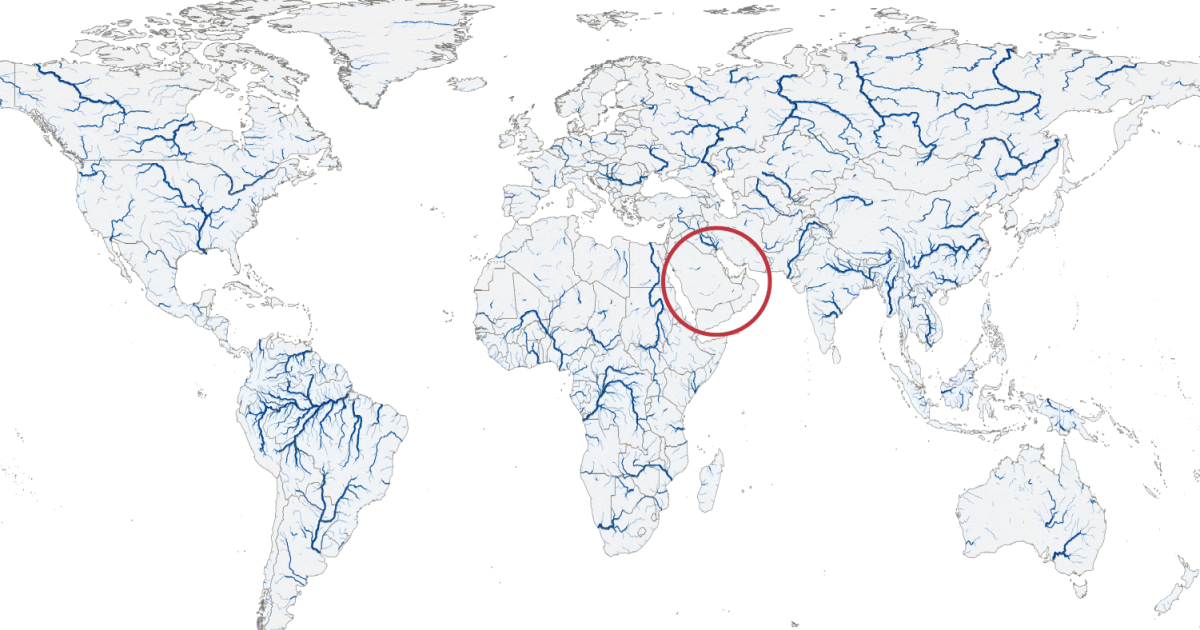
The Gulf region’s acute freshwater scarcity has long shaped its economic structure and state planning priorities. For decades, desalination was treated as a technical necessity, background infrastructure, quietly sustaining urban populations and industrial activity. That framing is changing. Water security is being repositioned as a pillar of strategic industrial policy, its implications stretching well beyond resource management. Desalination capacity is becoming foundational to the region’s broader ambitions in technological development and economic diversification.
This transformation has manifested itself in the scale of expansion. Saudi Arabia, the largest producer of desalinated water in the world, has developed desalination development based on a long-term procurement pipeline, with plans to increase desalinated supply to about 6.06 million cubic meters per day by 2028, compared to about 4.16 million in 2024.
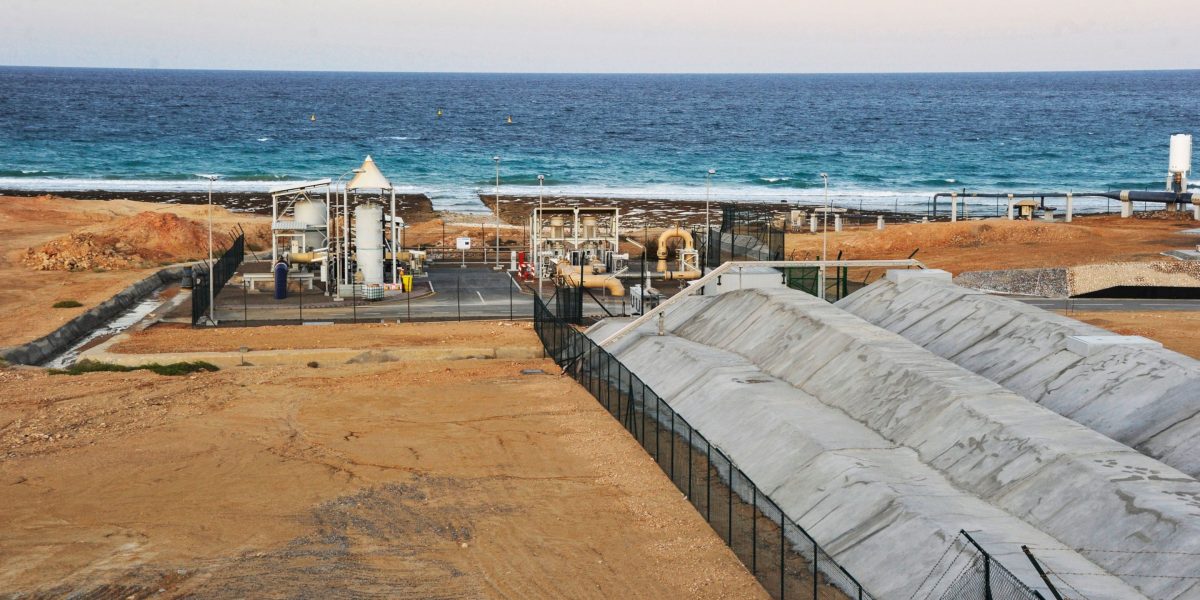
In the UAE, the Taweelah reverse osmosis plant can produce 909,200 cubic meters of desalinated water per day. And TAQA has reported that its desalination portfolio is more than 40 percent based on reverse osmosis technology. Kuwait’s Az-Zour North Phase 2 and 3 projects will provide up to 454,000 cubic meters per day. In Qatar and Oman, long-term concession models reinforce desalination as investable infrastructure.