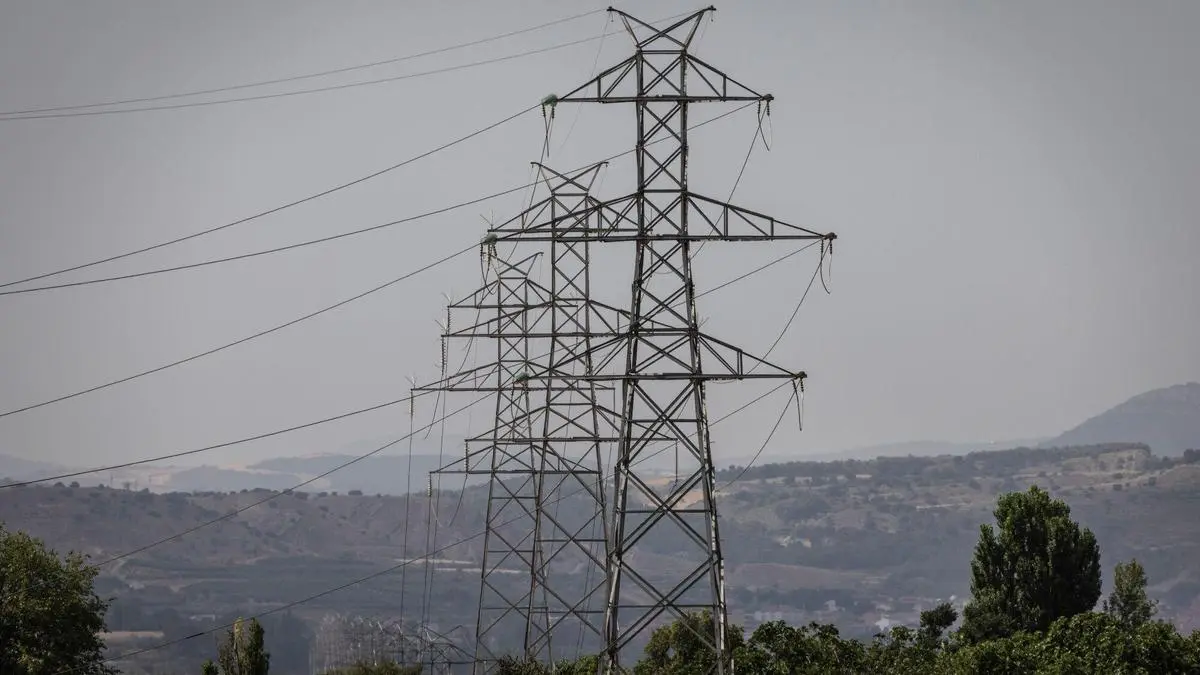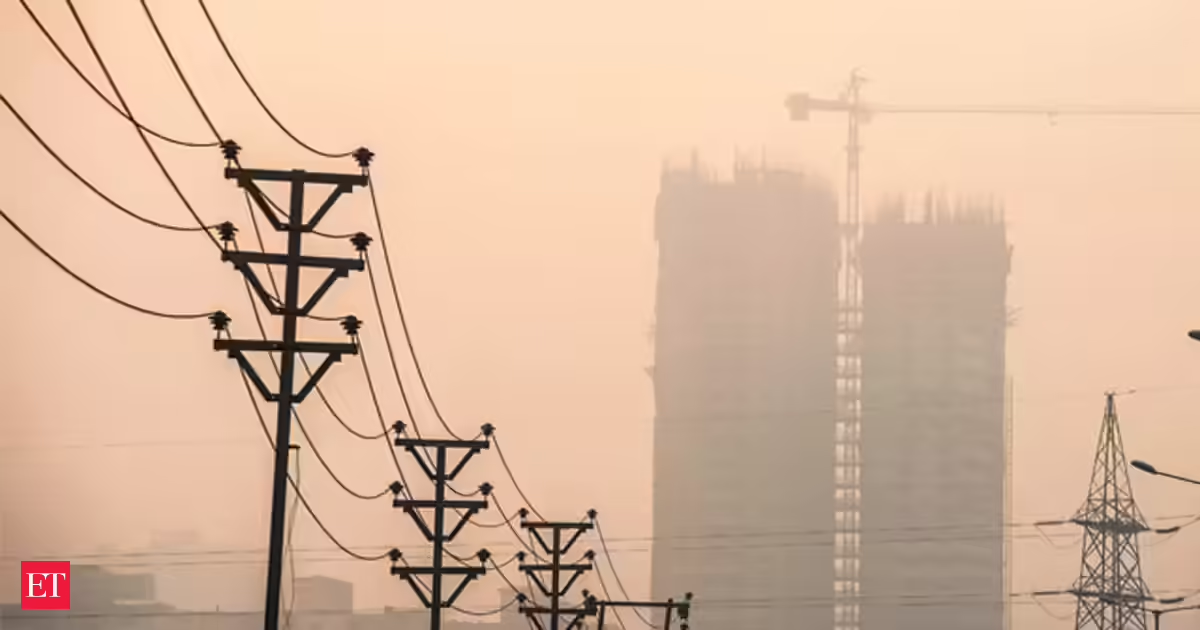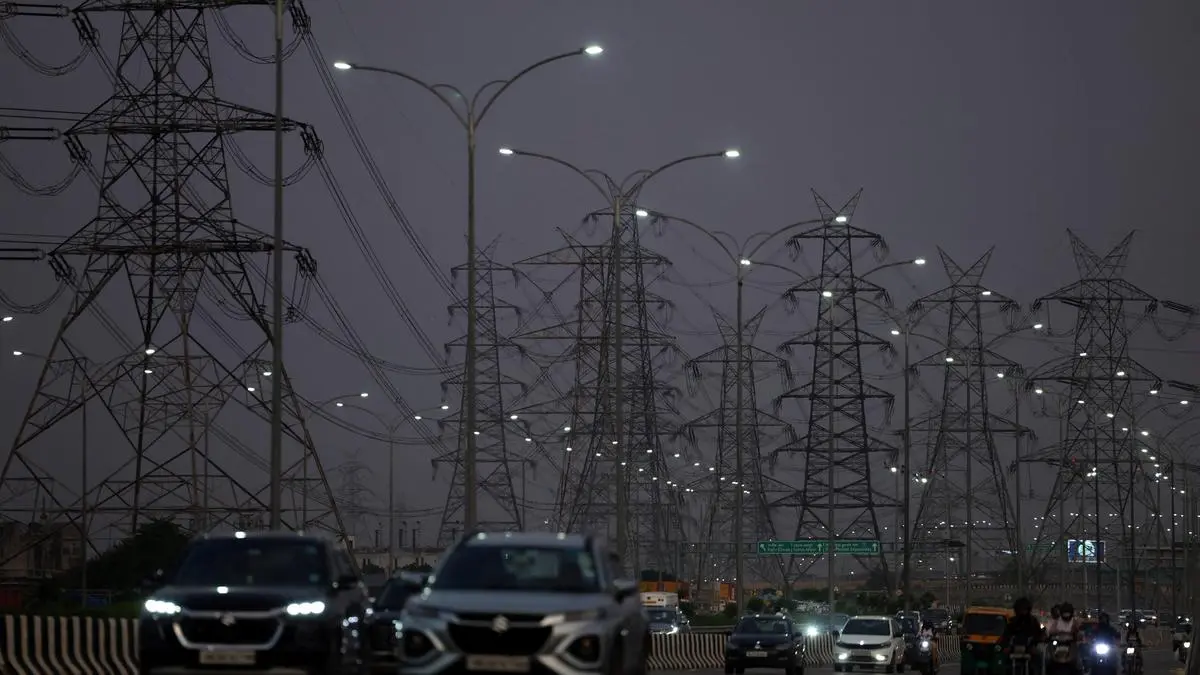
India’s power demand grew by almost 11 per cent year-on-year (y-o-y) in July 2026 — the highest on record — as rain deficit due to the El Nino effect led to relatively high temperatures coupled with surging humidity pushing up cooling demand.The power demand surged 10.9 per cent y-o-y in July to around 171 billion units (BU), which is the highest on record for any month driven by a spurt in usage of cooling equipment amid a rainfall deficit triggered by El Niño. In July 2025, power demand had grown just 2.6 per cent, Crisil Intelligence said.During July 1-16 this year, power demand appreciated by 10.7 per cent on an annual basis. India’s peak power demand met during the day and night hit record levels on four consecutive days — July 13, July 14, July 15 and July 16.The country achieved its second highest peak power demand met (daytime) on July 16 at 270.20 GW. The highest peak daytime demand met was at 270.82 GW recorded on May 21, 2026.The northwest, central and southern parts of the country received below-normal monsoon rains between June 1 and July 29, recording a deficit of 10 per cent, 1 per cent and 26 per cent, respectively.Overall, the country received 15 per cent below-normal rainfall. Among states, Karnataka recorded a rainfall deficit of 27-29 per cent, which led to a 21 per cent y-o-y increase in power demand, while the rainfall deficit in Rajasthan was at 10-20 per cent, resulting in a 23 per cent rise in demand, Crisil explained.For the April-July period, power demand increased 9.1 y-o-y in FY27 against a decline of 0.5 per cent during the same period in the last fiscal year.Power generation up 10%Tracking the rise in demand, power generation increased around 10 per cent y-o-y to 182 BU during July 2026. Except gas and hydro, all major fuels saw an on-year increase in power generation.While renewable energy (RE) generation increased around 10 per cent y-o-y in July, mainly due to a rise in capacity addition.Hydropower generation declined about 14 per cent y-o-y during the month, primarily because of weak rainfall. The energy content of 31 reservoir-based hydropower projects stood at around 14 BU as of July 31, significantly lower than the full-reservoir capacity potential of around 34 BU.In the same period last year, the energy content was around 22 BU. The lower reservoir storage level may also have contributed to the decline in hydropower generation.India’s coal-based generation rose 15 per cent y-o-y with its share in total generation at 64 per cent this July against 62 per cent in the same month last calendar year. As of July 31, thermal power plants held 38 million tonnes (MT) of coal, down from 54 MT in July last year, Crisil Intelligence said.Though coal dispatches to power plants rose 0.52 per cent on-year to about 213 MT in the first quarter of this fiscal, daily coal requirements also increased from 3 MT in July last year to 3.12 MT this July.This was also the highest daily requirement recorded since July last year. As a result, coal inventory fell to 12 days this July from 18 days in July 2025, it pointed out.Published on August 11, 2026
El Nino effect: India’s power demand growth surges to record in July
Power demand surged 10.9% year-on-year to around 171 billion units as rainfall deficits and high humidity pushed up cooling needs across the country.
535 words~2 min read